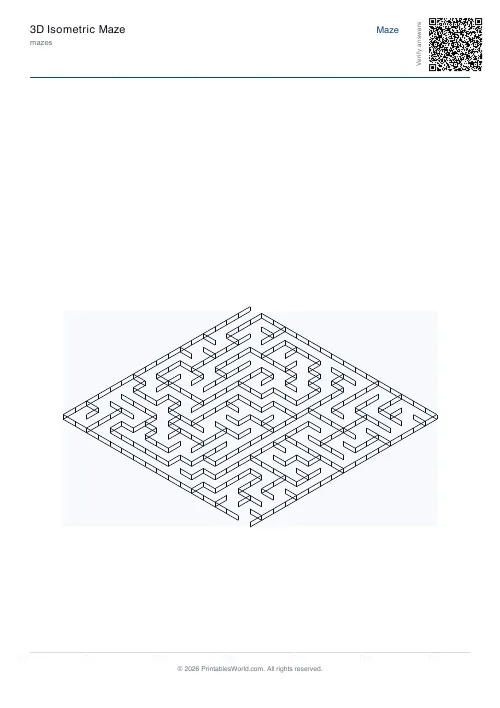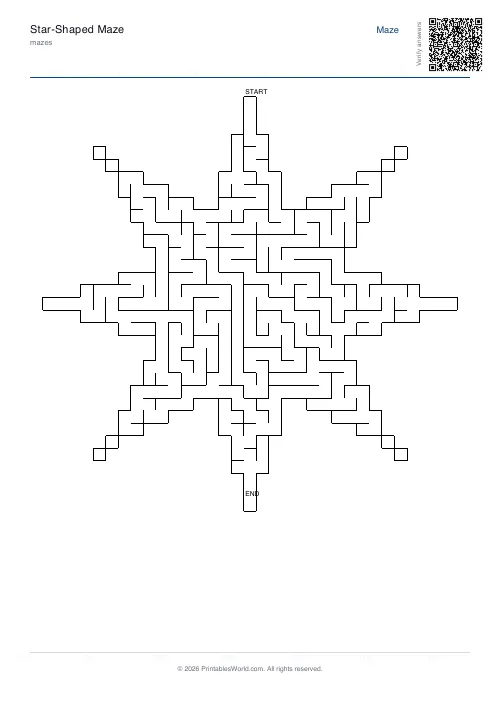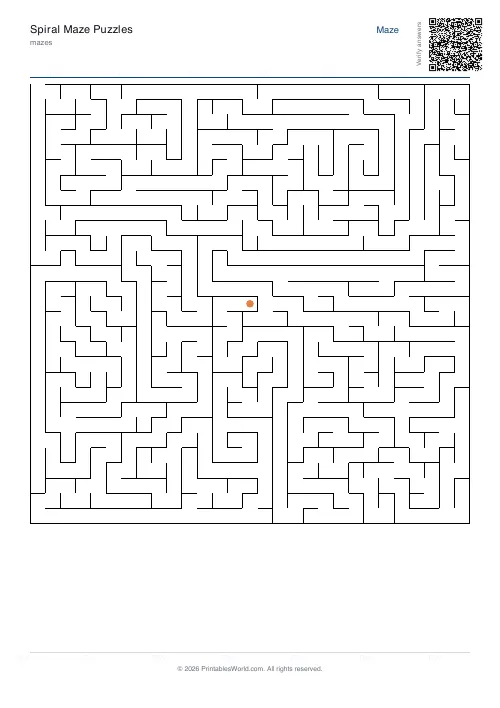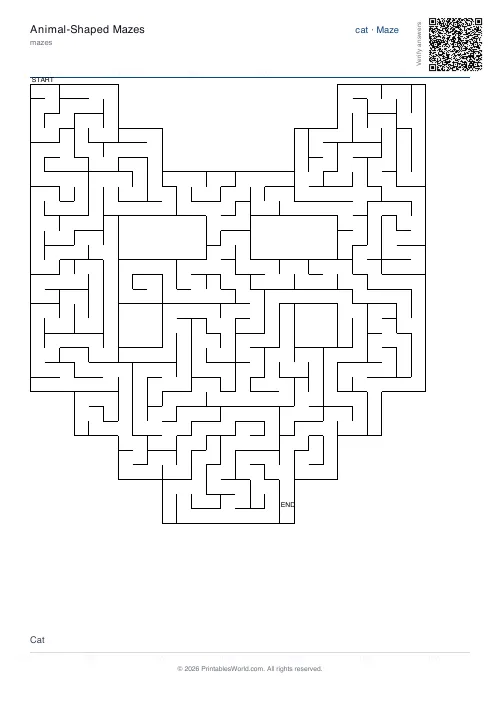
What this tool does
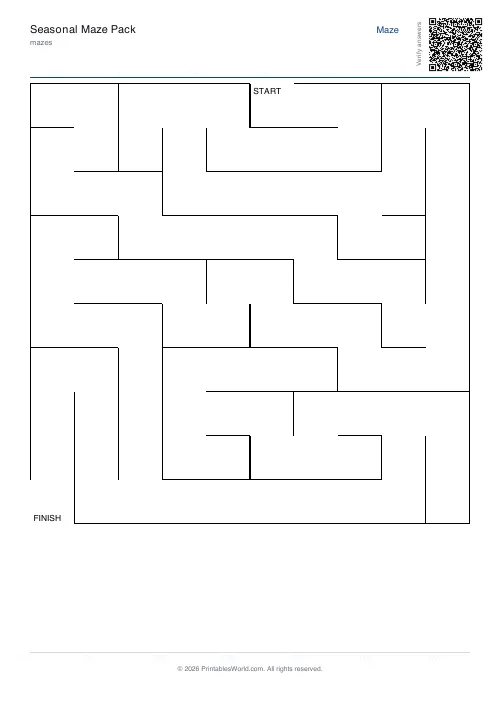
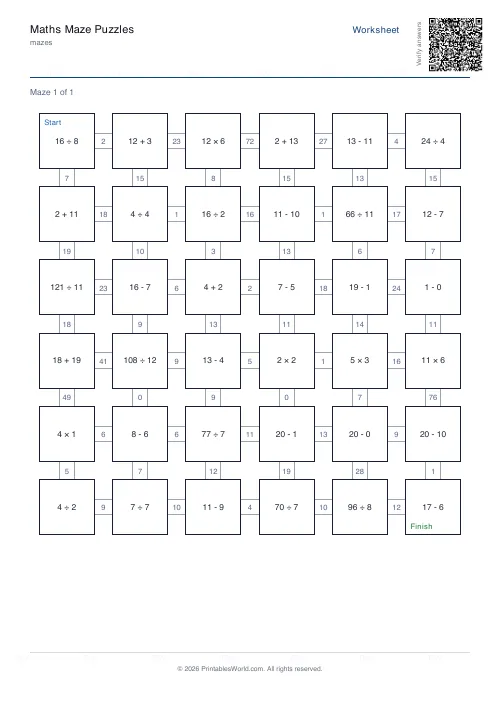
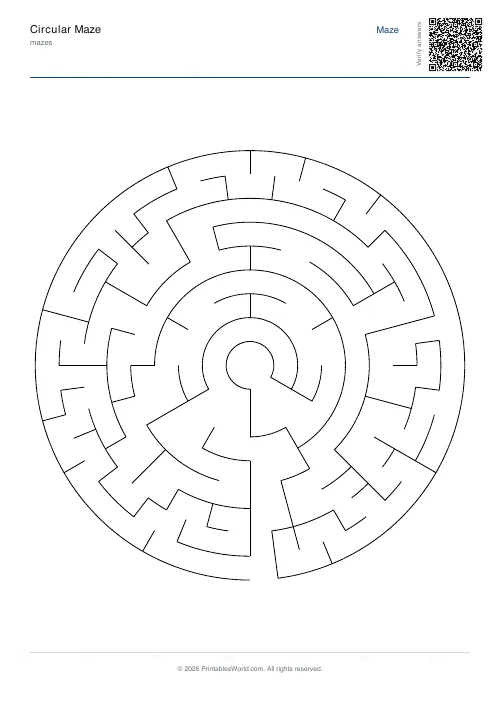
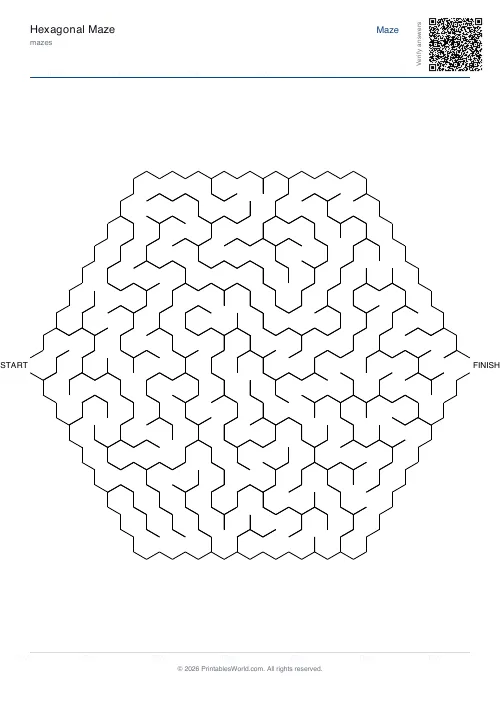
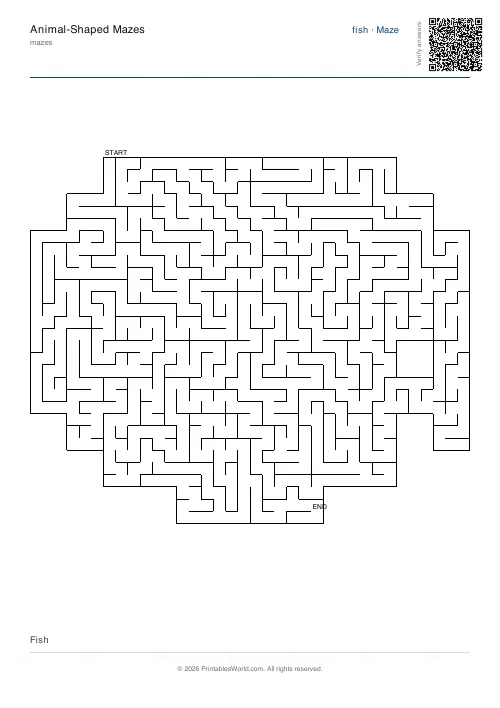
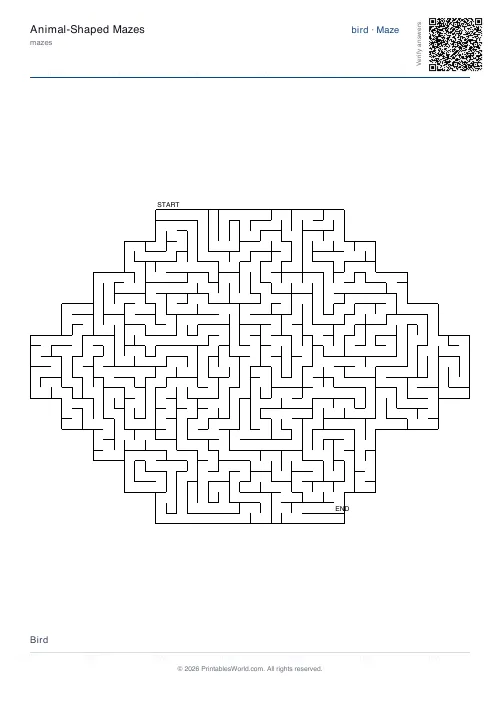
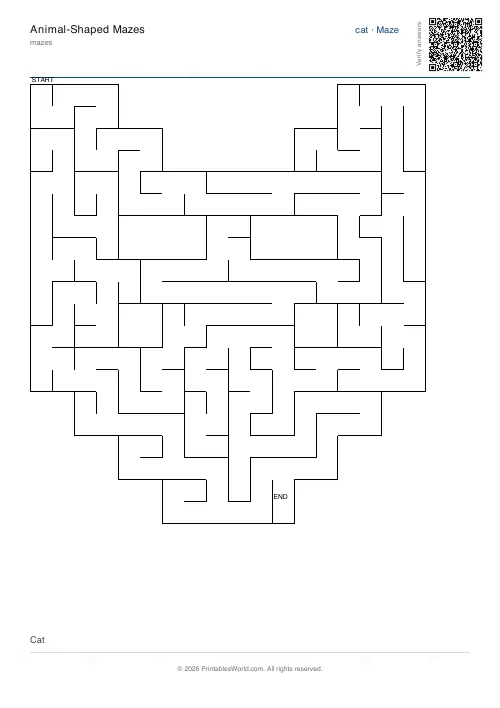
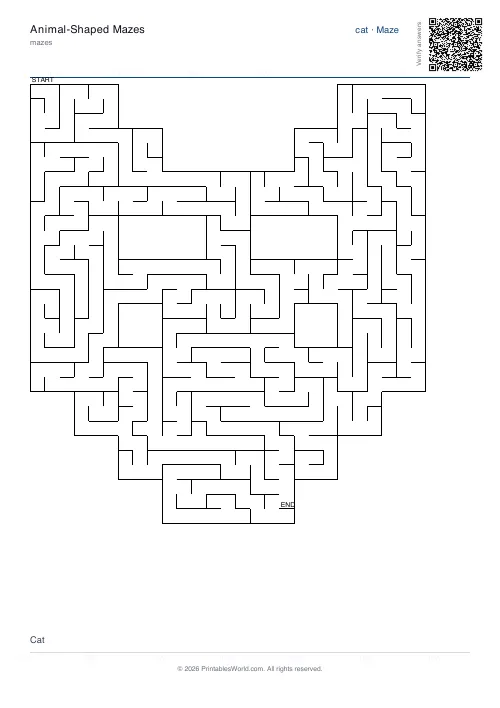
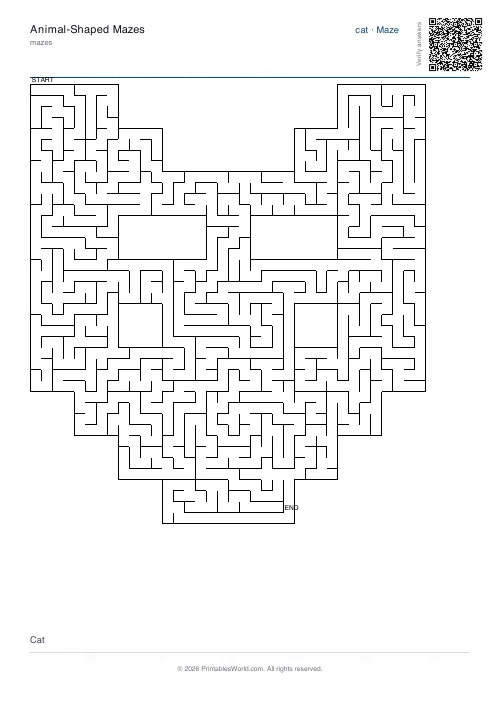
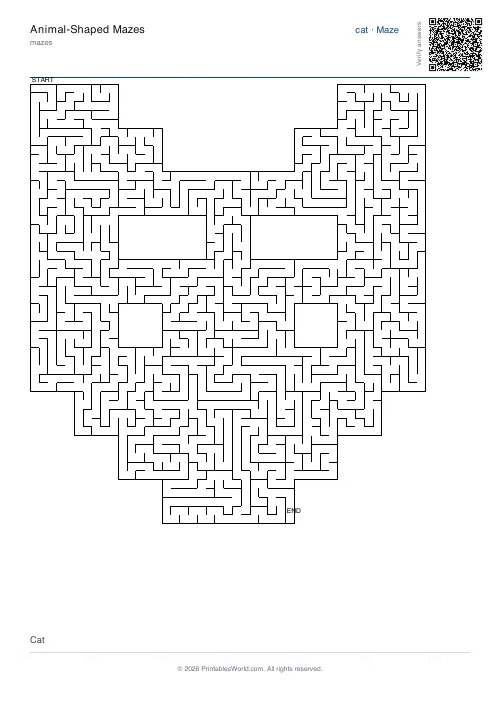
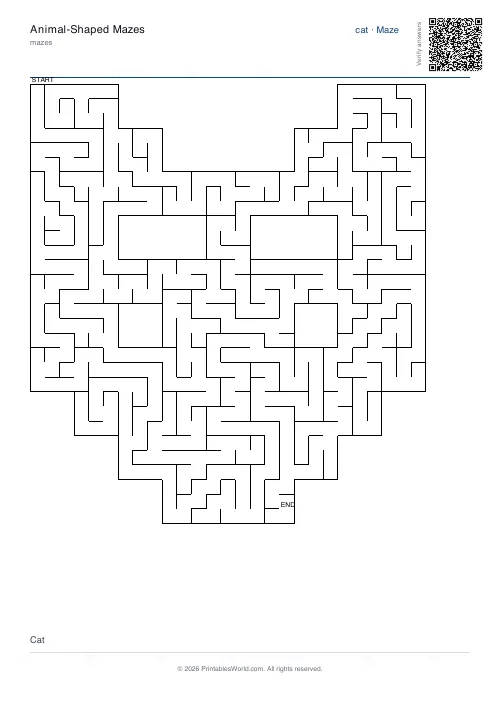
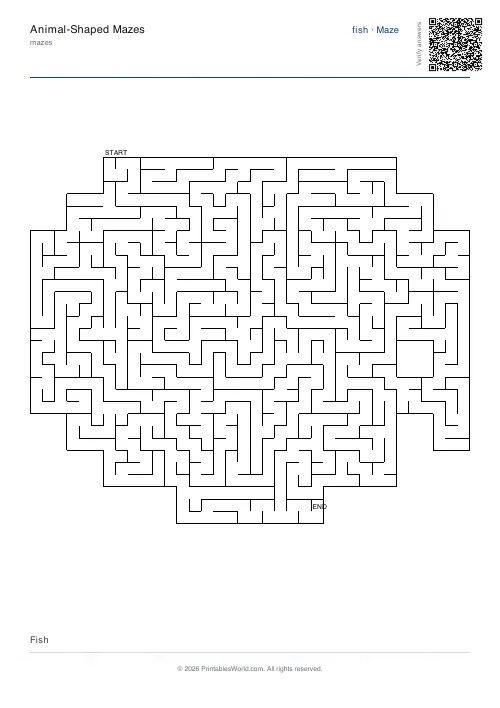
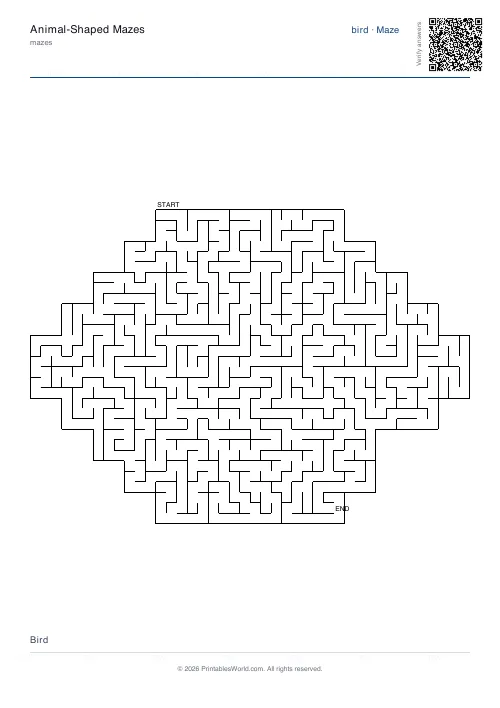
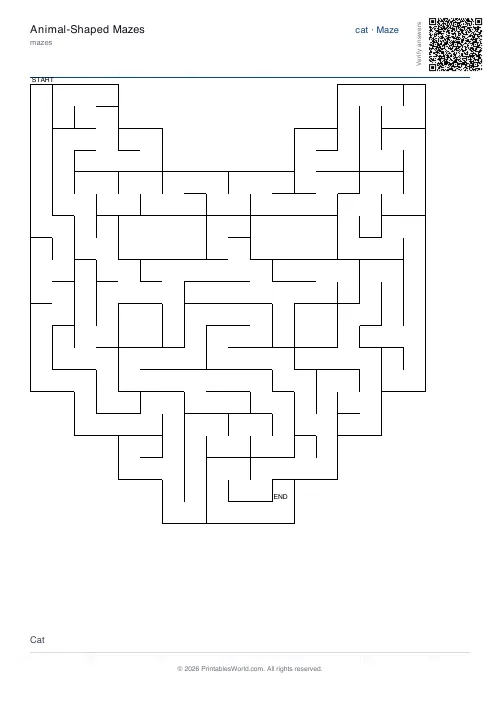
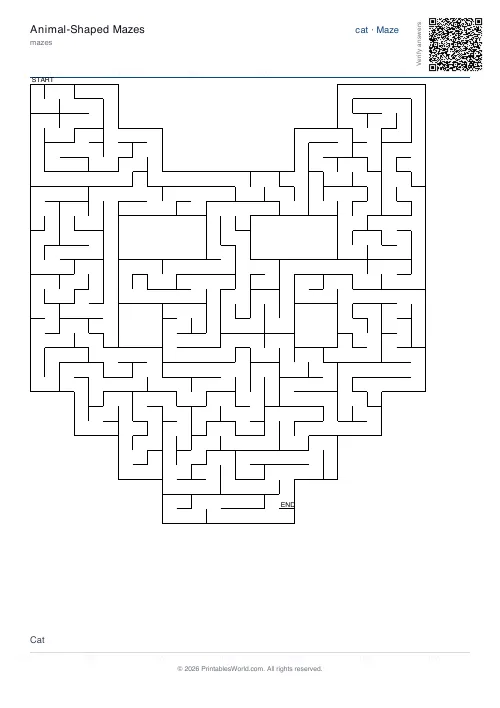
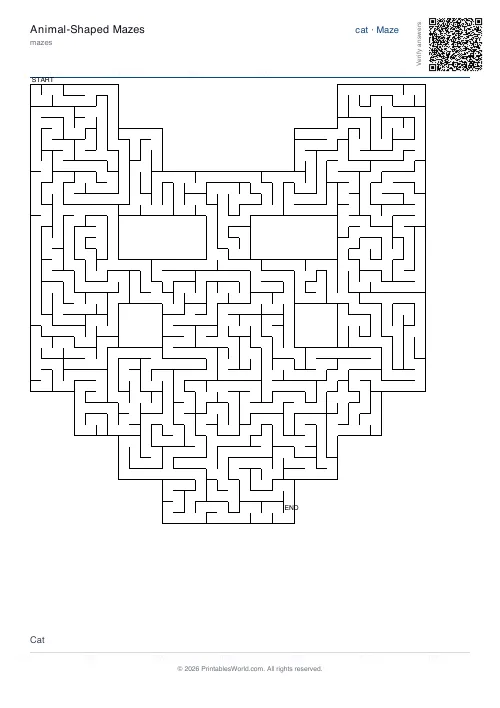
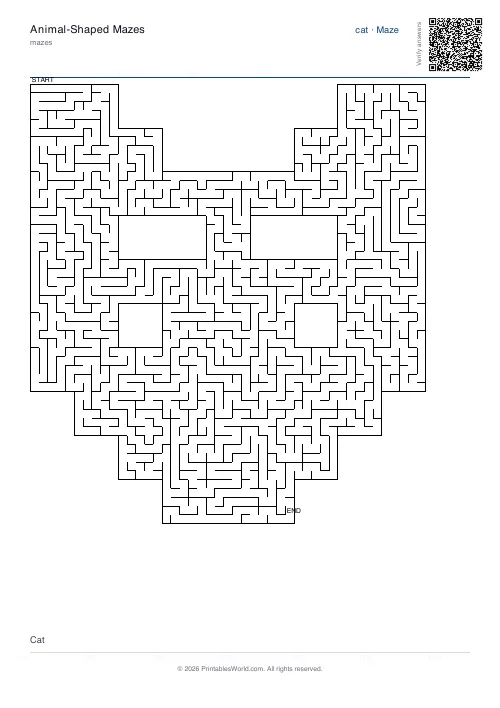
Mazes carved inside a cat, a fish or a bird. Print one animal or all three, each on its own page, at four levels of detail. Solutions are off by default and print as a matching stack at the end.
People also used
Feedback
Spotted something off with this tool?
Animal-shaped mazes: cat, fish, bird
Three silhouettes, each holding a real maze. Corridors are cut only into the cells inside the outline, which means the walls trace the animal itself and the finished page looks drawn rather than generated.
Choose one animal or choose All. All prints three pages, one per animal, in a single PDF.
Scale is the detail dial
The Scale setting, from 2 to 5, controls how many maze cells each unit of the silhouette is divided into.
At 2 the animal is unmistakable and the maze inside it is short — the right choice for a four-year-old, or for a party bag where the point is that everyone finishes. At 5 the same cat holds several times as many cells, the route through it is long, and the outline becomes a fine outline rather than a bold one. Three is the default and it suits most primary-age children.
It is worth generating the same animal at 2 and at 5 before you print thirty of them. The two pages look like different products.
Solutions are off by default here
Most of the maze tools on this site default to including the solution. This one does not, because the common use is printing a stack for children and an answer page stapled behind each maze does not survive contact with a seven-year-old.
Turn it on and the solutions print as a matching stack at the end of the document rather than interleaved, so you can pull the back half off and keep it.
Why a shape helps
A square maze is a task. A cat is a picture that happens to be a task, and for a child who has decided they do not like mazes that difference is the entire difference.
The solving skill is identical. Trace from entrance to exit without crossing a wall. That trains pencil control, planning two moves ahead, and the discipline of backing up out of a dead end, and none of it changes because the boundary happens to be curved. What changes is whether the page gets picked up at all.
How it is built
Each animal is stored as a small pixel mask, scaled up by your Scale setting into a grid of maze cells. A depth-first recursive backtracker then carves that masked region, visiting every cell inside the silhouette exactly once, which guarantees a single route between the entrance and the exit and no isolated pockets inside an ear or a fin.
Seeds work as they do everywhere else on the site: same seed and settings, same three animals, same routes. Print at 100% scale.
FAQs
Quick answers
Which animals are included?
Cat, fish, and bird in v1. The pack expands with simple bitmap silhouettes added to the engine.
How is the shape made?
Each animal is a small bitmap stencil. The maze backtracker walks only inside the stencil so the path is bounded by the outline.
How do I make the maze harder?
Bump the scale factor. It upscales the bitmap and gives more cells inside the silhouette.
Can I print solutions?
Yes. Toggle solutions to add a page per animal with the route highlighted.
Related tools
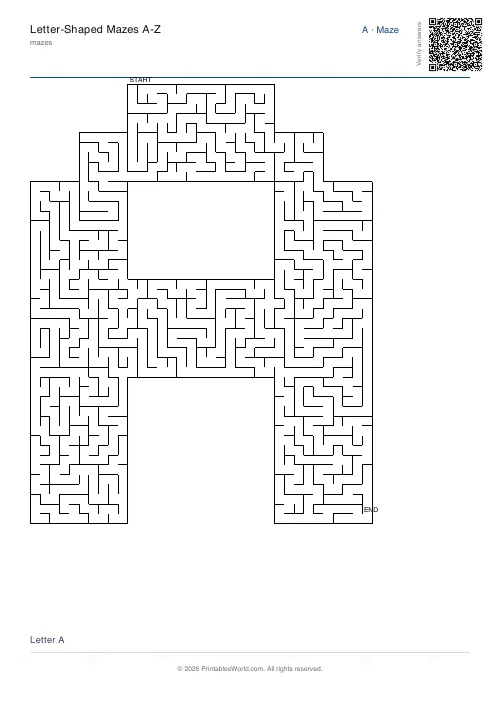
Letter-Shaped Mazes A-Z
Maze path contained within the shape of each letter of the alphabet.
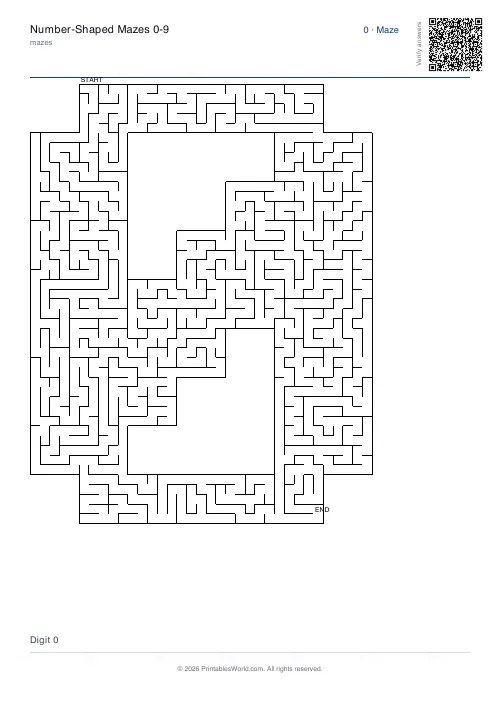
Number-Shaped Mazes 0-9
Maze path contained within the shape of each digit 0-9.
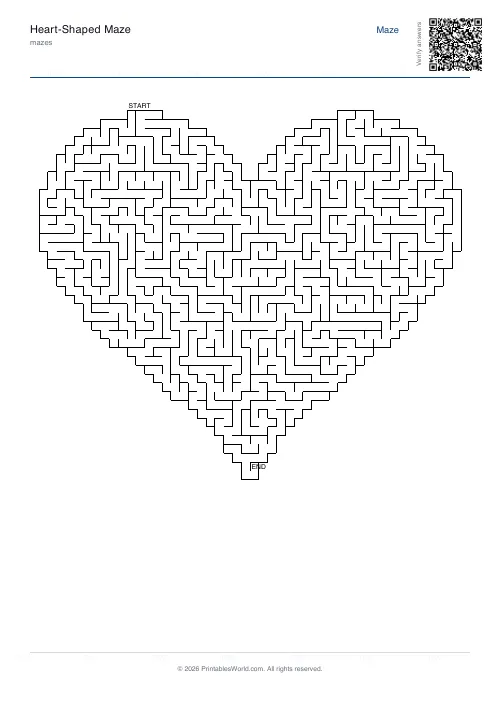
Heart-Shaped Maze
Maze contained within the outline of a heart. Perfect for Valentine's Day.
Double Maze Puzzles
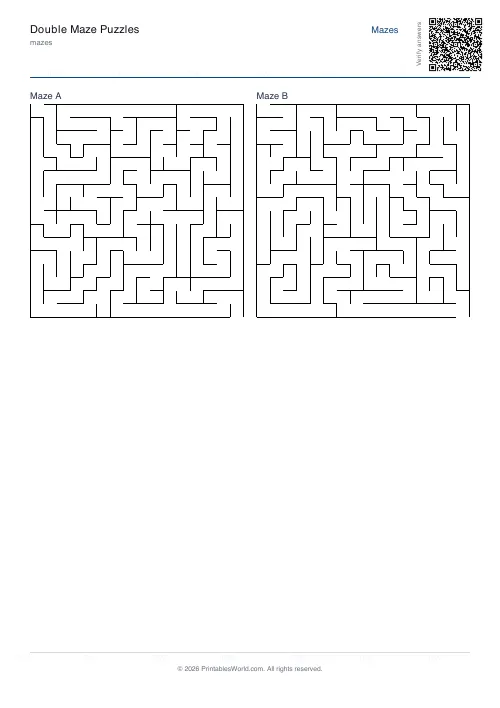
Two interlinked mazes that must be solved simultaneously.
Further reading
Mazes
Why mazes are great for kids' development
Mazes are one of the few activities that exercise pencil control and forward planning at the same time. Which is why they suit the years just before formal handwriting.
4 min read
Mazes
Printable maze difficulty: matching mazes to ages
Maze difficulty has two independent dials, and confusing them is why a maze is either too fiddly or too easy. Here is which to turn for which child.
4 min read