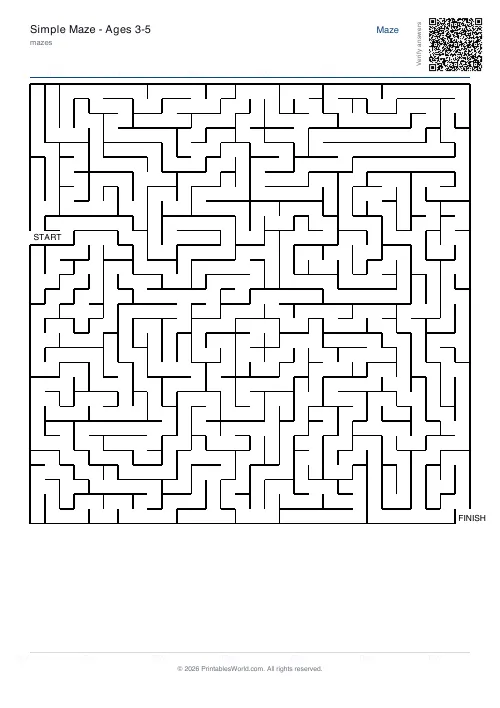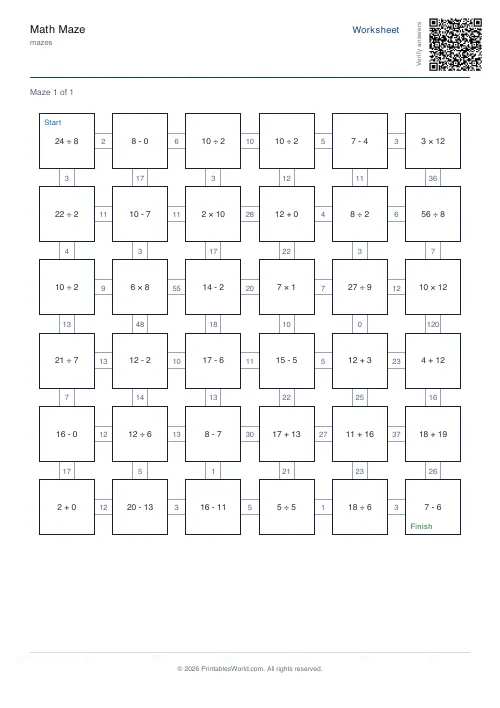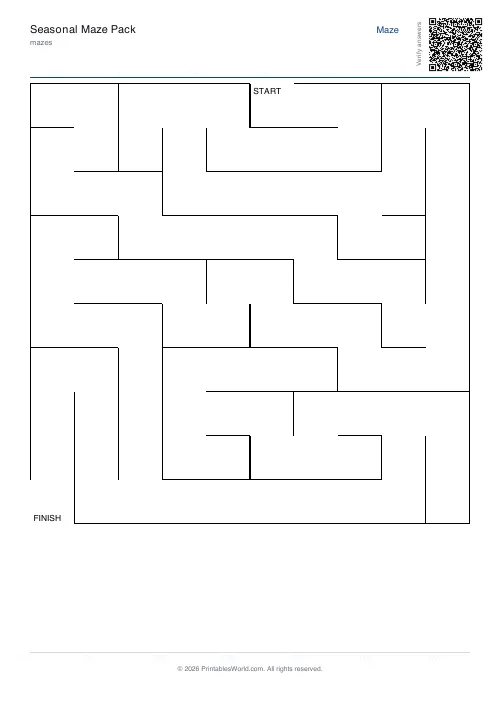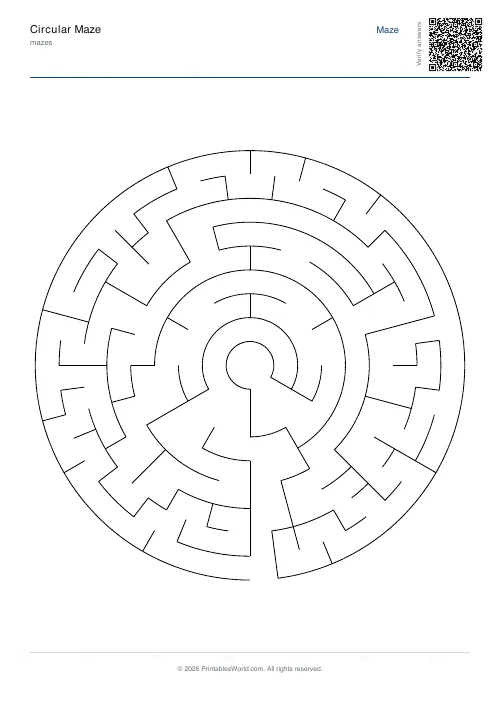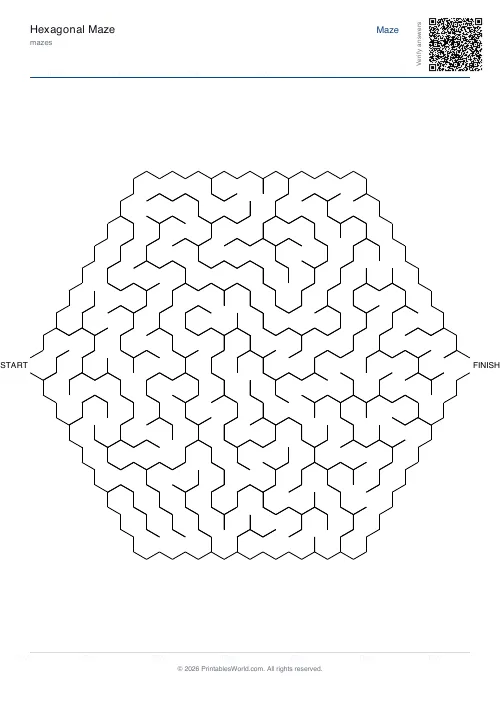
What this tool does
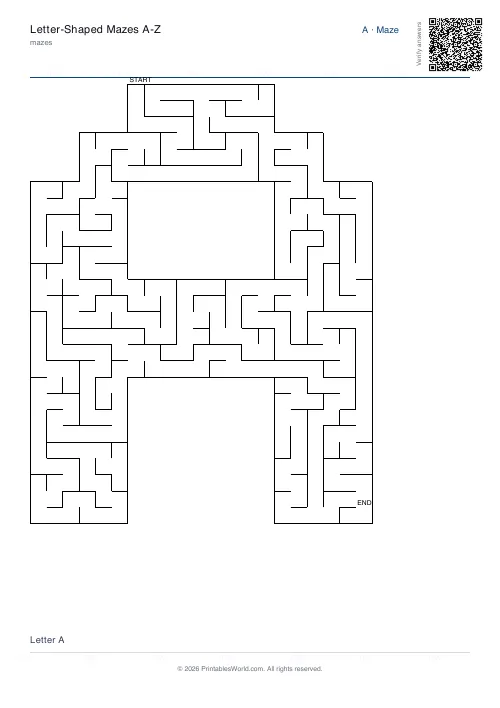
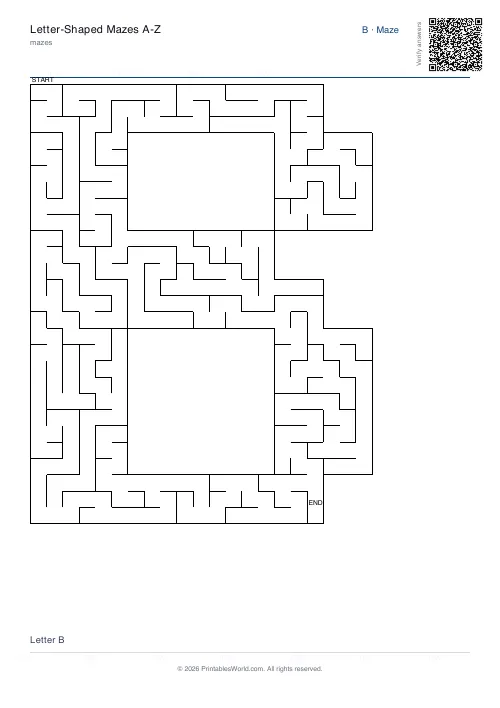
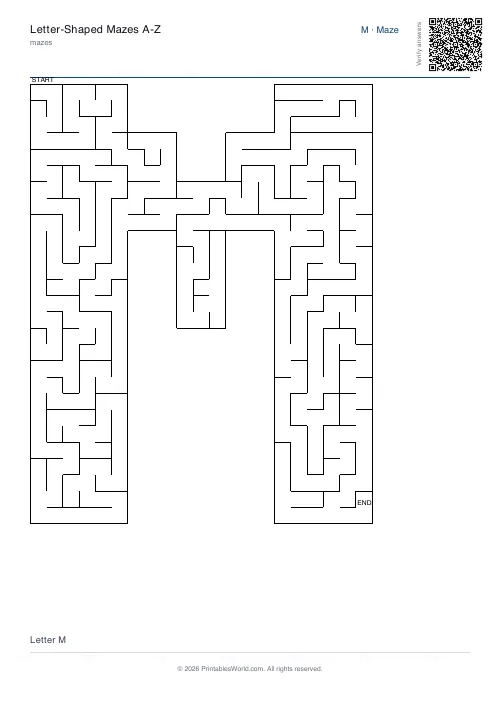
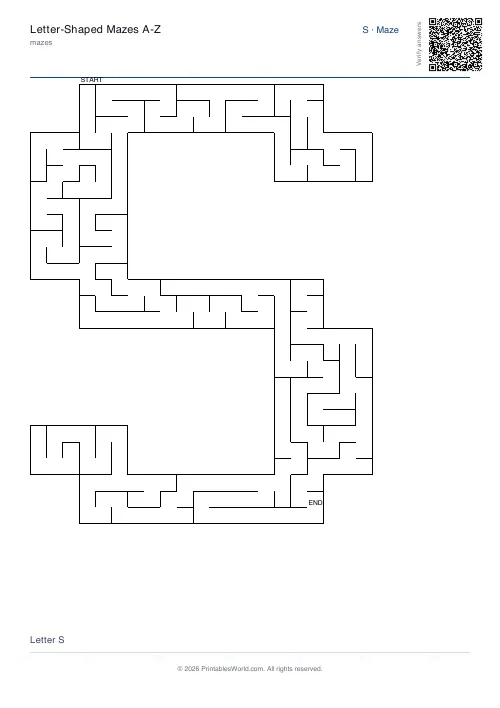
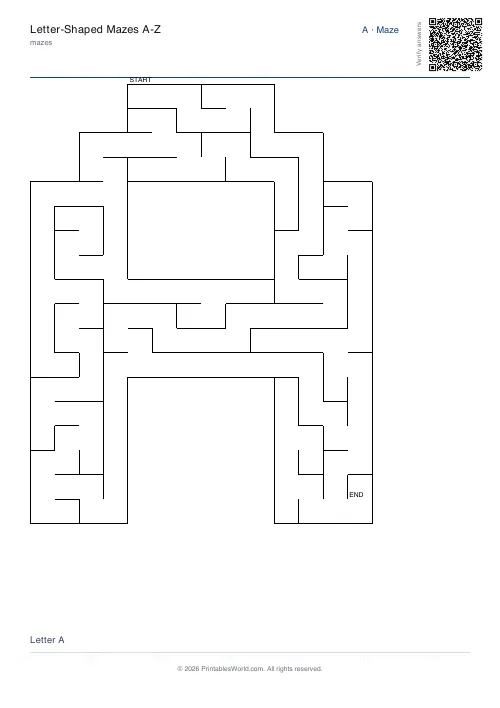
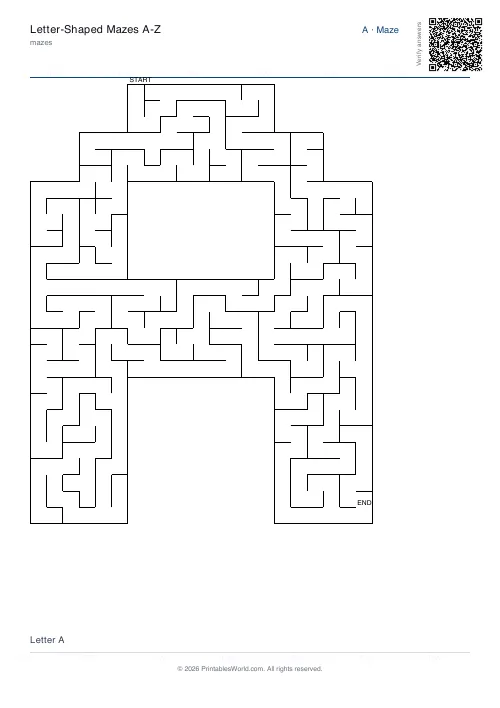
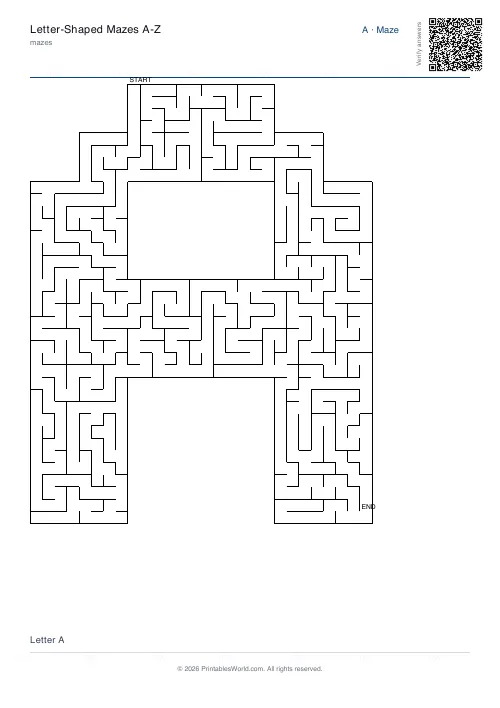
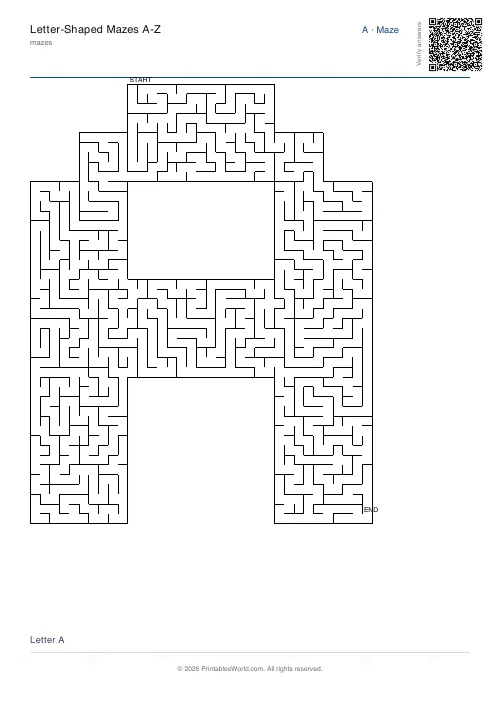
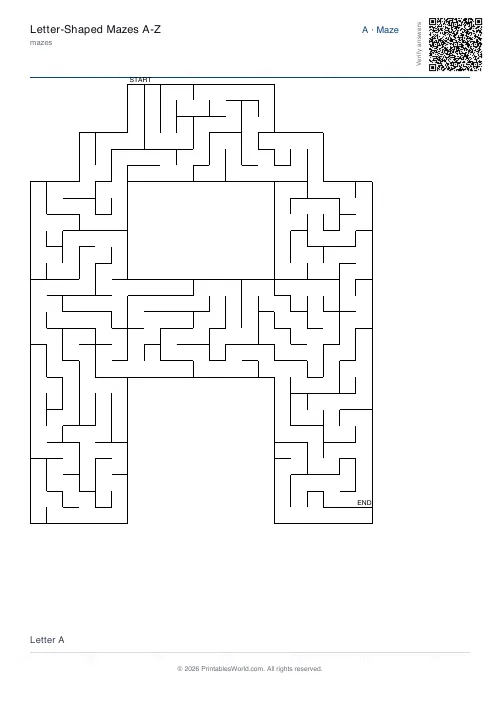
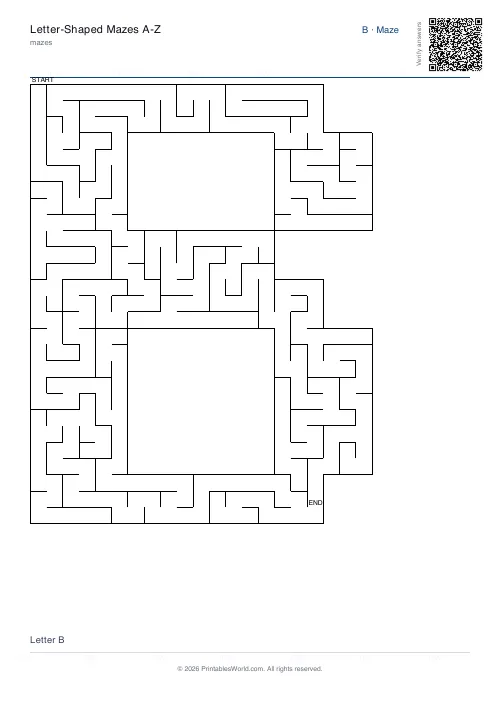
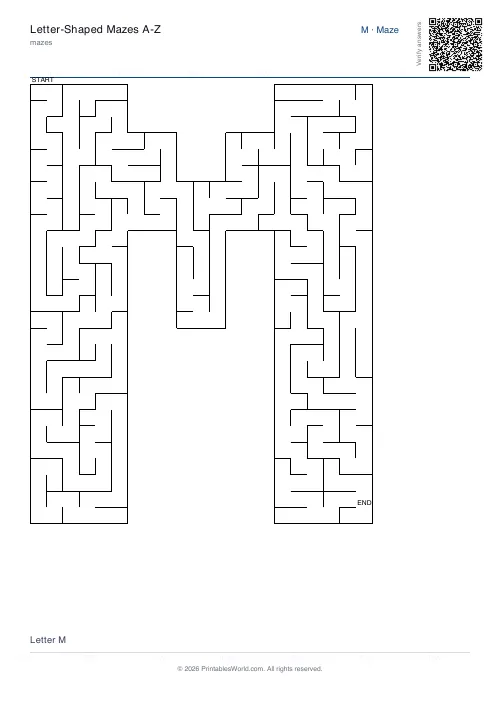
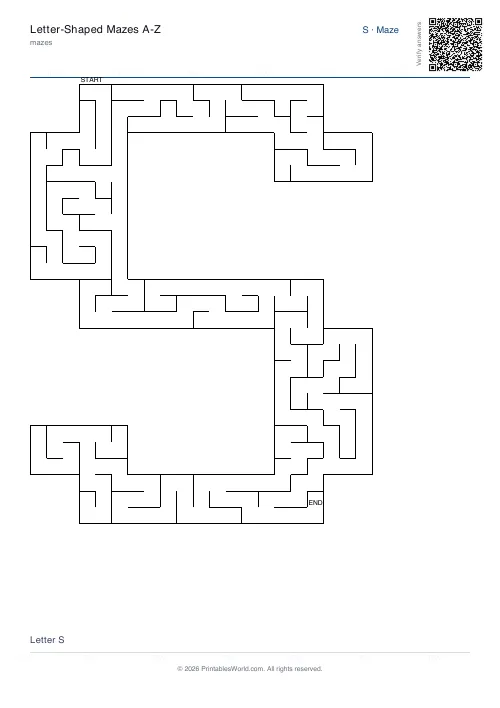
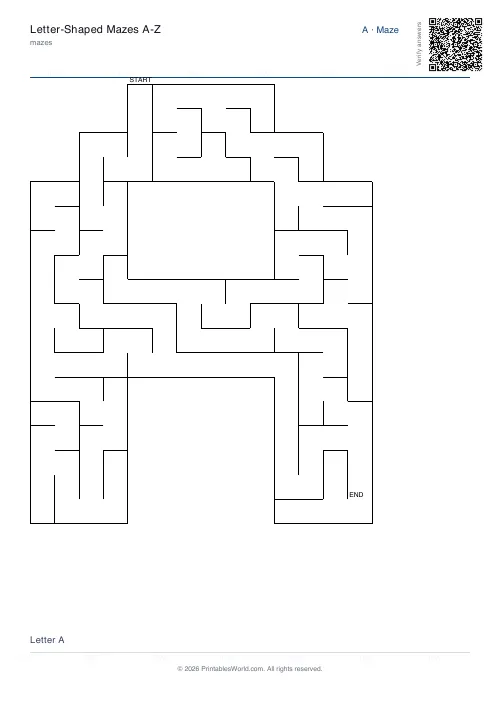
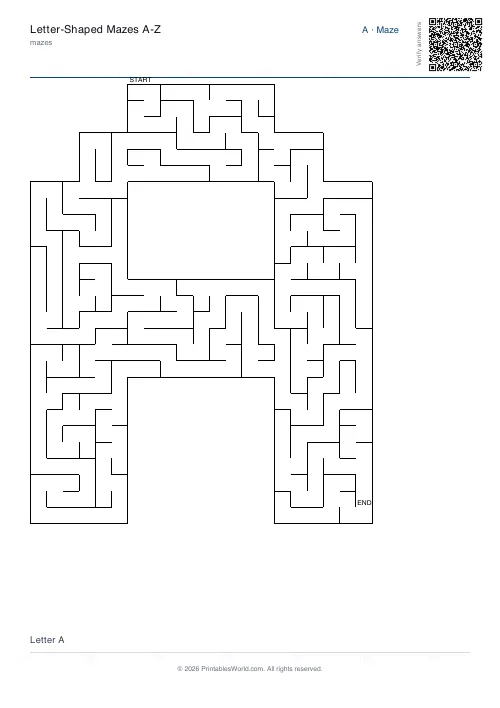
A maze carved inside each letter, A to Z. Pick the letters you want or print the whole alphabet, one letter a page, at four levels of detail.
People also used
Feedback
Spotted something off with this tool?
The letter is the maze
Corridors are cut only into the cells inside the letter's outline, so the walls trace the shape of an A or an S. Nothing sits outside it.
Type the letters you want — a child's initials, a word, or ALL for the full twenty-six — and each prints on its own page.
Why this works for a child learning letters
It asks a child to follow the inside of a letter with a pencil. Slowly. For two or three minutes.
That is not far off what a tracing sheet asks, except that the child is doing it because they want to finish the maze rather than because they were told to. The shape gets attention it would not otherwise get, and attention is most of what letter recognition needs at that age.
It also helps with the letters children confuse. A child who has traced their way round the inside of a b and a d on separate pages has spent longer looking at the difference than any flashcard would buy you.
Scale
Two to six, controlling how many maze cells each unit of the letter becomes.
At 2 the letter is unmistakable and the maze inside it is short. At 6 the same letter holds several times as many cells, the solve runs long, and the outline turns fine enough that it reads less clearly from across a room. Generate an A at each before you print a set. They are different products.
For a young child, 2 or 3. For an adult who wants a proper puzzle in the shape of a letter, 5 or 6.
What people actually print
Initials, mostly. One letter per child in a class, or a set of a family's initials for a party.
Also a whole alphabet, printed once and kept as a stack to hand out one at a time. And door signs: a child solves their own initial, colours it in, and it goes on the bedroom door.
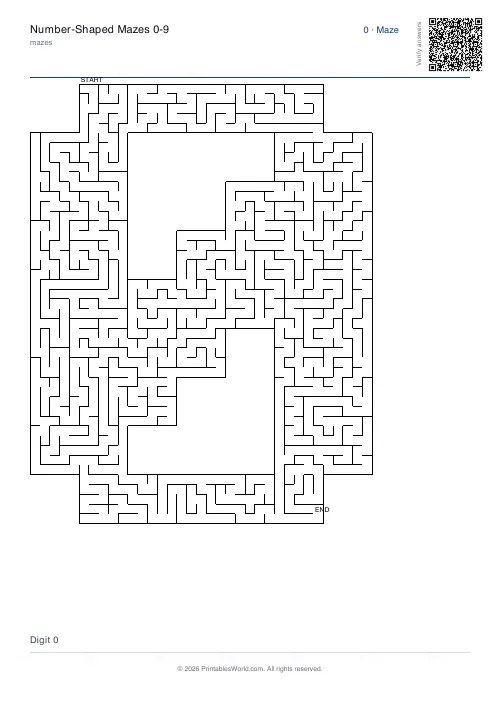
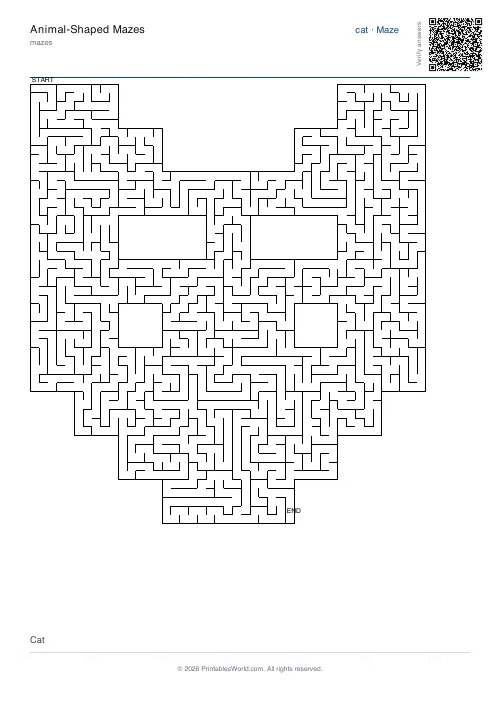
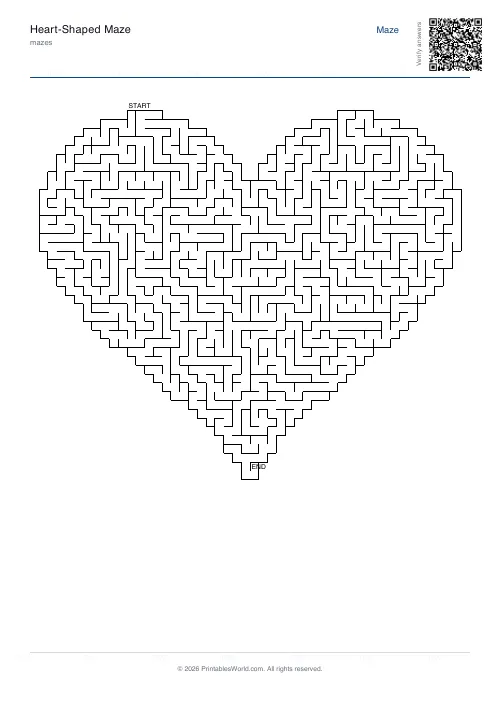
If you want a whole name as a single connected maze rather than one page per letter, that is the name maze instead.
Solutions are off by default
Because these get printed in stacks for children, and an answer page stapled behind each maze does not survive contact with them.
Turn it on and the solutions print as a matching stack at the end, so you can pull the back half off and keep it.
How it is built
Each letter is stored as a small pixel mask, scaled up by your setting into a grid of maze cells. A depth-first backtracker then carves that region, visiting every cell inside the letter exactly once, which guarantees one route between entrance and exit and no pockets sealed off inside a loop of an R or a B.
Print at 100% on A4 or US Letter.
FAQs
Quick answers
How does the letter shape work?
Each letter is a small bitmap stencil. The maze backtracker walks only inside the stencil, so the path is bounded by the letter outline.
Can I print just one letter?
Yes. Type a single letter (like "A") into the Letters field, or any subset like "ABC".
What does the scale setting do?
It upscales the letter bitmap, which gives more cells inside the letter and a harder maze.
Can I print solutions?
Yes. Toggle solutions to add a page per letter with the route highlighted.
Related tools
Further reading
Mazes
Why mazes are great for kids' development
Mazes are one of the few activities that exercise pencil control and forward planning at the same time. Which is why they suit the years just before formal handwriting.
4 min read
Mazes
Printable maze difficulty: matching mazes to ages
Maze difficulty has two independent dials, and confusing them is why a maze is either too fiddly or too easy. Here is which to turn for which child.
4 min read