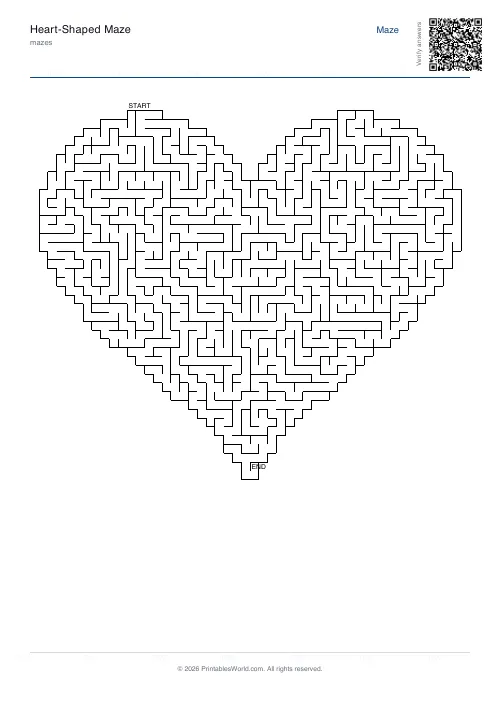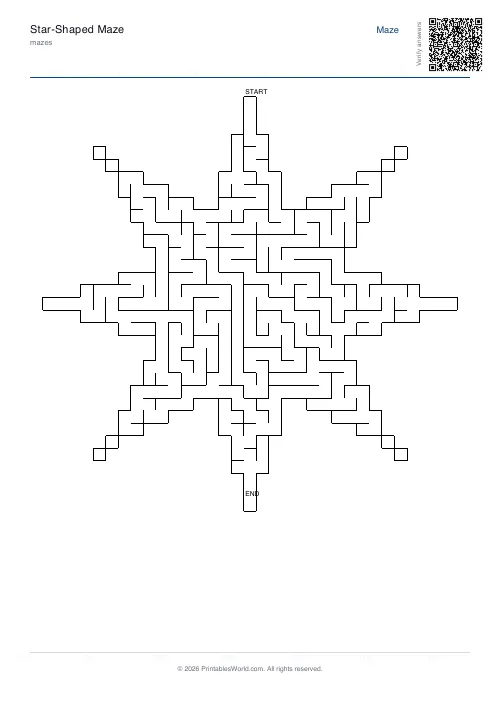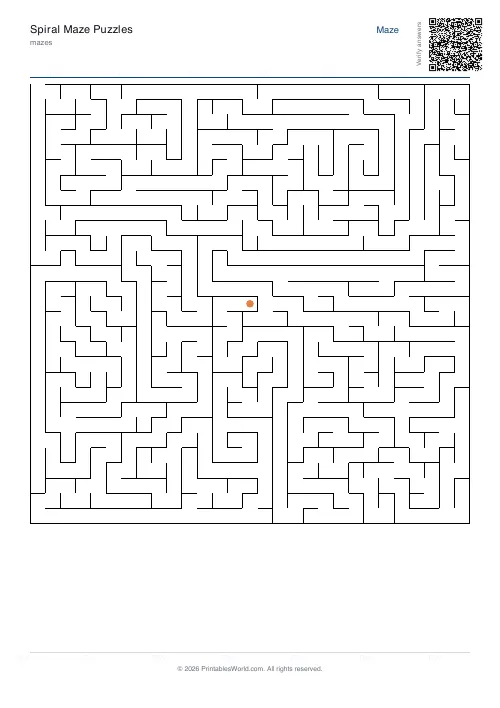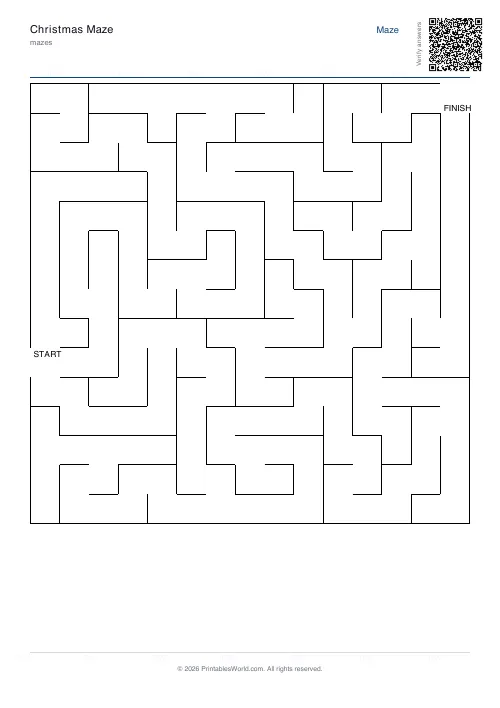
What this tool does
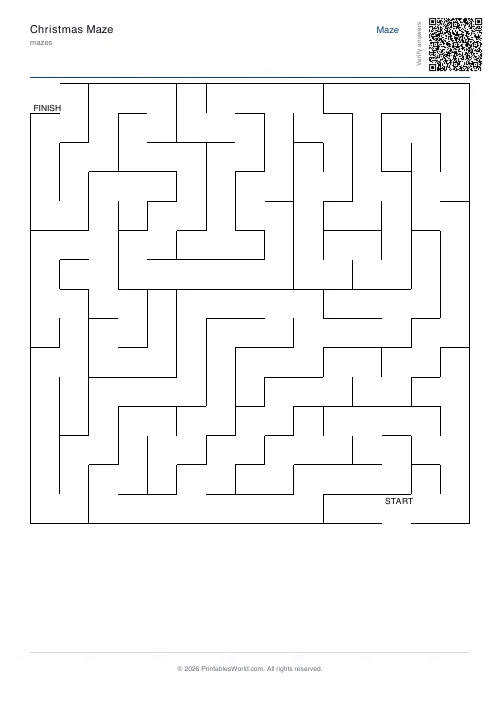
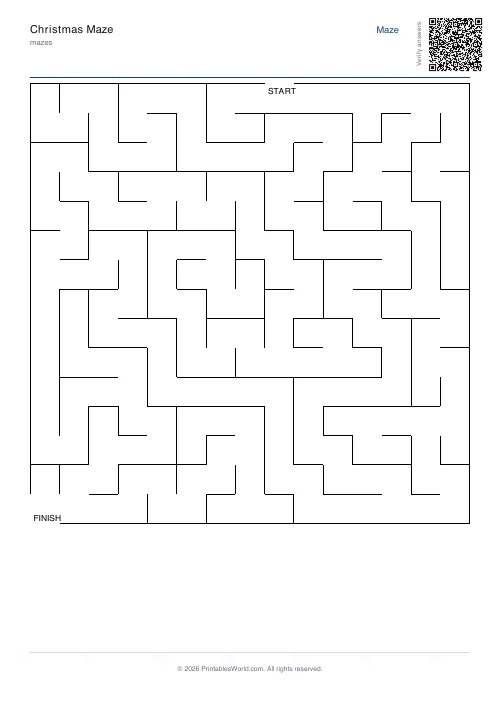
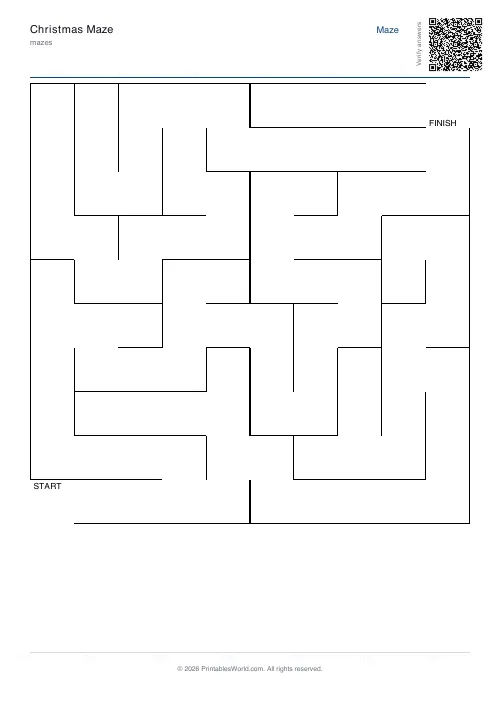
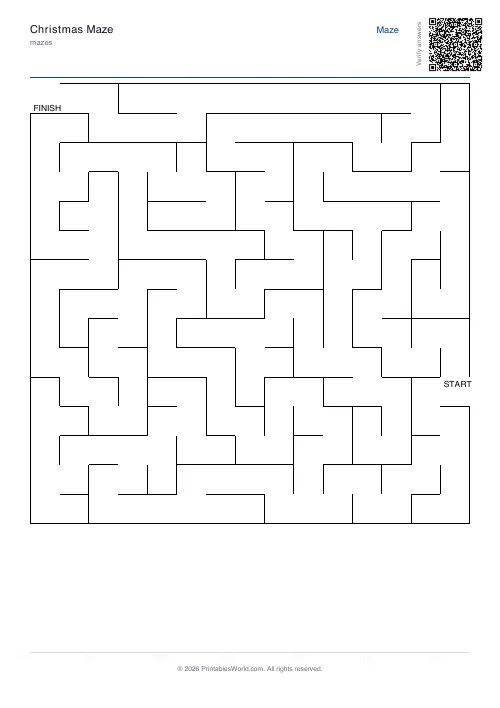
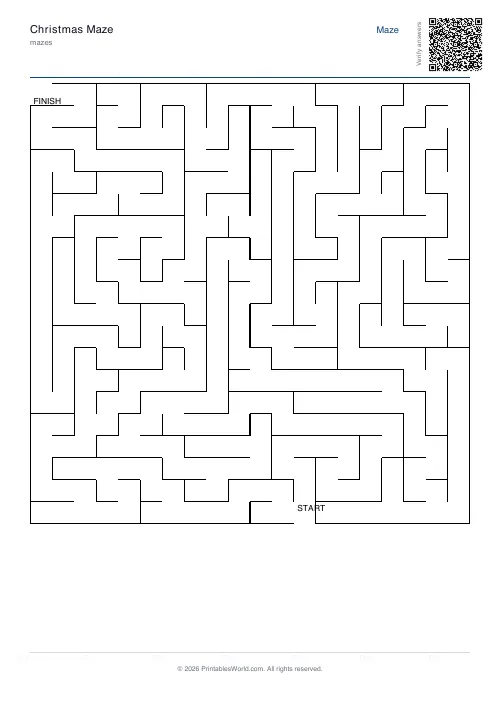
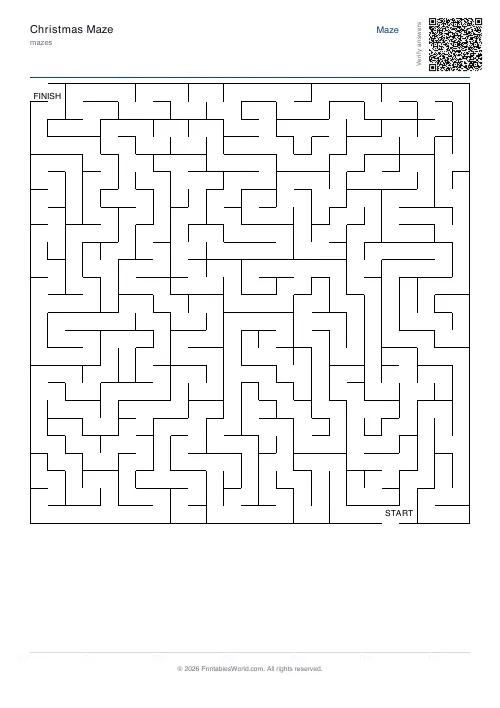
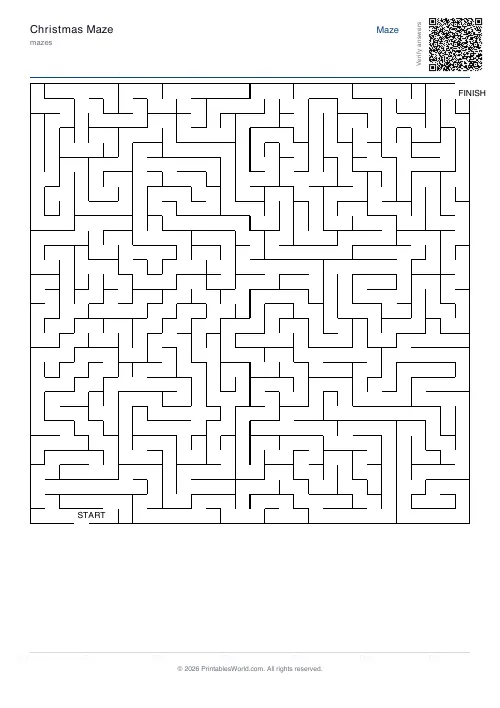
The maze itself is shaped like a Christmas tree: three tiers, a trunk and a base, with the passages carved inside the silhouette. Start is at the top of the tree, finish at the bottom. Prints on A4 or US Letter, with an optional solution page.
People also used
Halloween Maze
A maze carved into a pumpkin. 164 mask cells, the densest of the seasonal shapes and the longest solve at any scale.
Seasonal Maze Pack
Five shaped mazes in one pack. Tree, pumpkin, egg, heart and turkey.
Maze Generator: Printable PDF
Generate printable maze PDFs with custom grid size, difficulty, and layout. Perfect, braided, or room-based.
Feedback
Spotted something off with this tool?
Create Free Printable Christmas Mazes for Festive Activities
Generate free printable Christmas mazes where the maze itself is carved into a Christmas tree, three tiers, a trunk and a base, rather than a square grid. Start at the top of the tree and wind down to the bottom, with every passage held inside the silhouette.
Print a fresh Christmas maze in A4 or US Letter PDF format for advent calendar activities, classroom party afternoons, Christingle packs, Sunday school crafts, or a quiet-time stocking filler. Every generation is random, so you can print one per child for an entire class without anyone getting the same puzzle.
The festive wrapper keeps the printable on-theme for the season, while the clean maze underneath still gives a real problem-solving workout. Add the optional solution page for a quick marking copy, or leave it off to keep the suspense.
Why use this Christmas maze generator?
December is a packed month for parents and teachers. A short themed maze fits neatly into the day without extra planning. Use it for:
- advent calendar activities
- classroom party afternoons
- Christingle and nativity packs
- Sunday school crafts
- stocking-filler printables
- quiet-time after Christmas lunch
- grandparent activity bundles
- Christmas Eve boxes
Because every print is random, siblings and classmates will not end up with identical puzzles.
The tiers, and what they do to the maze
The tree is the most interesting silhouette in this set and the least like a plain maze. Sixteen rows, 102 filled cells — the sparsest of the five shapes — arranged as three widening tiers, each joined to the next by a connector just two cells wide, with a two-cell trunk below and a base at the bottom.
Those connectors are hard bottlenecks. Every route from the star to the trunk must pass through all three of them, whatever the carver does with the rest of the cells. That has two consequences worth knowing before you print: the maze is structurally easier than the egg or the pumpkin, because three points on the solution are fixed; and it is more satisfying to solve, because a child who finds a connector knows they are making progress.
For a young solver this is the shape to choose. The picture is doing half the navigation.
Scale, and why the tree needs more of it
With 102 cells the tree starts sparser than the pumpkin's 164 or the egg's 162, so the same scale setting produces a noticeably shorter puzzle. The control runs 2 to 6 (default 3) and squares, so the tree at scale 3 holds around 920 cells against the pumpkin's 1,480.
- Scale 2 — very quick, and the tiers become chunky. Nursery and Reception.
- Scale 3 — the default, and about right for ages six to eight.
- Scale 4–5 — where the tree becomes a real puzzle for an older child. Because it starts sparse, going up a scale here costs less legibility than it does on the denser shapes.
If you are printing one shape for a mixed group, the tree at scale 5 and the tree at scale 2 look like the same picture and play completely differently — which is useful when nobody wants to be seen with the easy sheet.
Printing for the last week of term
December in a primary school is a fortnight of fragments — ten minutes here, twenty there, a hall booked for rehearsal. A shaped maze suits that better than a worksheet because it needs no explanation and stops cleanly whenever you say so.
Print in greyscale. The tree reads perfectly in black and white, and colour ink in the last week of term is a scarce resource. Include the solution page for yourself and keep it — a solved maze handed to a child who is stuck ends the activity, whereas pointing at the tier they have not tried yet does not.
Set a seed and print thirty identical copies if you want to run it as a race. Leave the seed blank and print thirty different ones if you would rather nobody could copy their neighbour.
The tree as a display piece
Solved mazes usually go in the bin, and this is the one shape worth keeping. Print at scale 2 with the solution off, have children solve and then colour the corridors green, and you have thirty Christmas trees for a wall — each with a visibly different internal pattern despite being the same outline.
Add the star yourself in gold pen at the apex, or let children add baubles as coloured dots at the dead ends. Dead ends are the natural place for them, which turns the maze's failure points into the decoration.
For a corridor display, print at scale 4 on A3 if your printer allows and use one large tree rather than thirty small ones.
Related maze tools
FAQs
Quick answers
Who is this maze for?
Ages 5 and up. The wide path and small grid make it a comfortable Christmas activity for younger kids.
Can I print the solution?
Yes. Toggle the solution option to add a second page with the path highlighted.
Is it festive enough for a classroom?
The page header is themed for Christmas and the maze is sized to print one per page, ready for an advent activity stack.
Can I make it harder?
Open the Maze Generator and bump the grid size or switch to the braided variant for more challenge.
Related tools
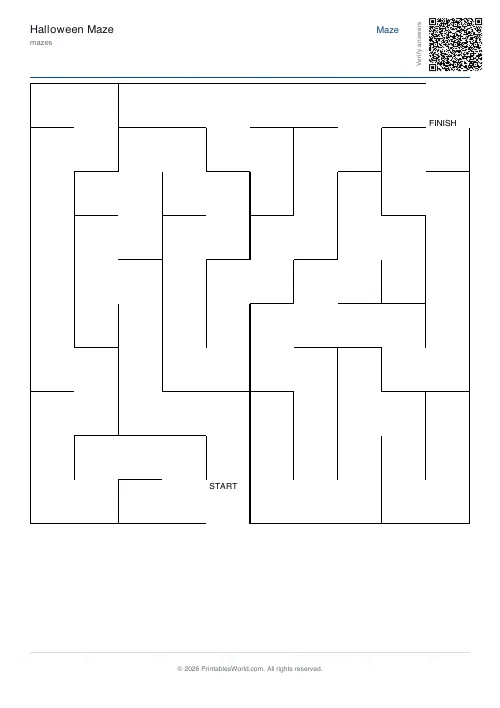
Halloween Maze
A maze carved into a pumpkin. 164 mask cells, the densest of the seasonal shapes and the longest solve at any scale.
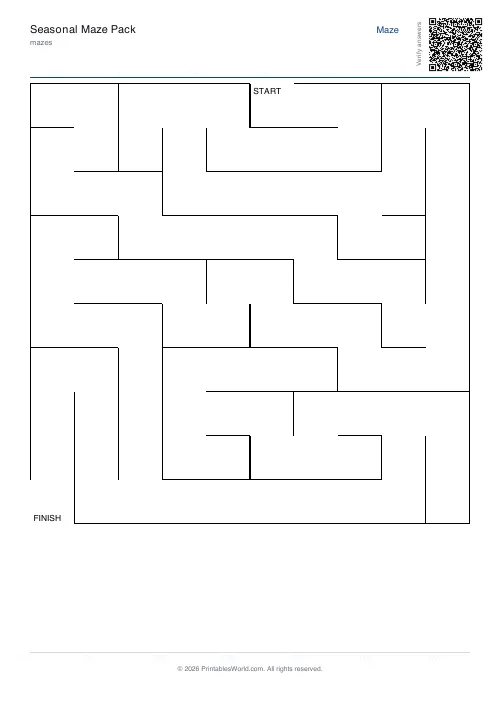
Seasonal Maze Pack
Five shaped mazes in one pack. Tree, pumpkin, egg, heart and turkey.
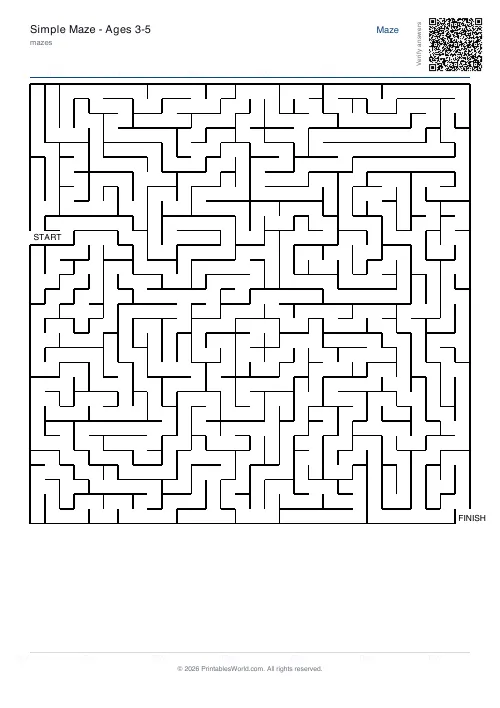
Maze Generator: Printable PDF
Generate printable maze PDFs with custom grid size, difficulty, and layout. Perfect, braided, or room-based.
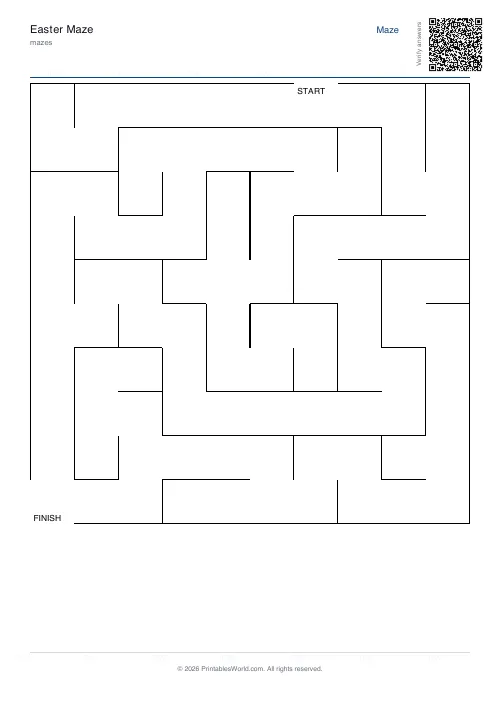
Easter Maze
A maze carved into an Easter egg. 162 mask cells with no concave edge anywhere, so the outline gives nothing away.
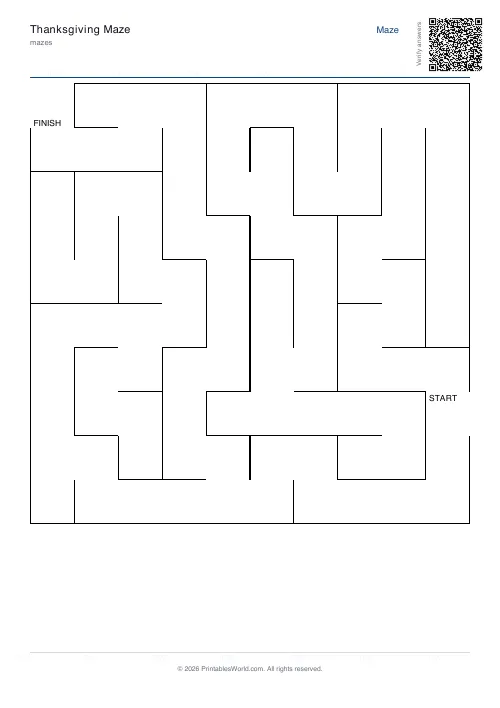
Thanksgiving Maze
A maze carved into a turkey. A fanned tail, a pinched neck and two one-cell feet that are guaranteed dead ends.
Further reading
Mazes
Printable maze difficulty: matching mazes to ages
Maze difficulty has two independent dials, and confusing them is why a maze is either too fiddly or too easy. Here is which to turn for which child.
4 min read
Mazes
Why mazes are great for kids' development
Mazes are one of the few activities that exercise pencil control and forward planning at the same time. Which is why they suit the years just before formal handwriting.
4 min read