What this tool does
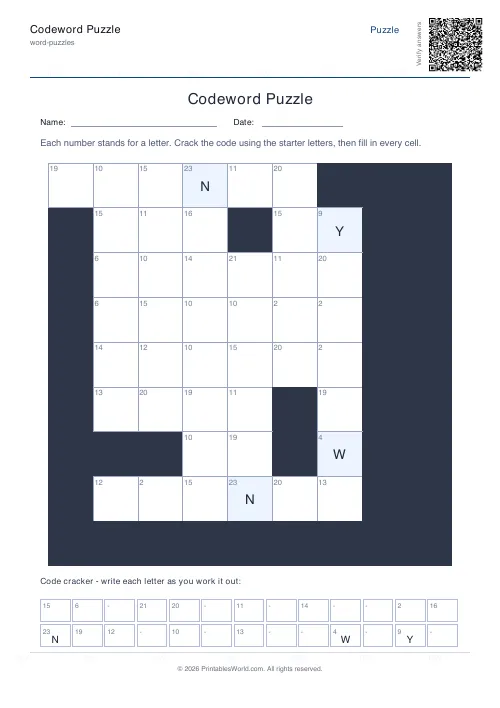
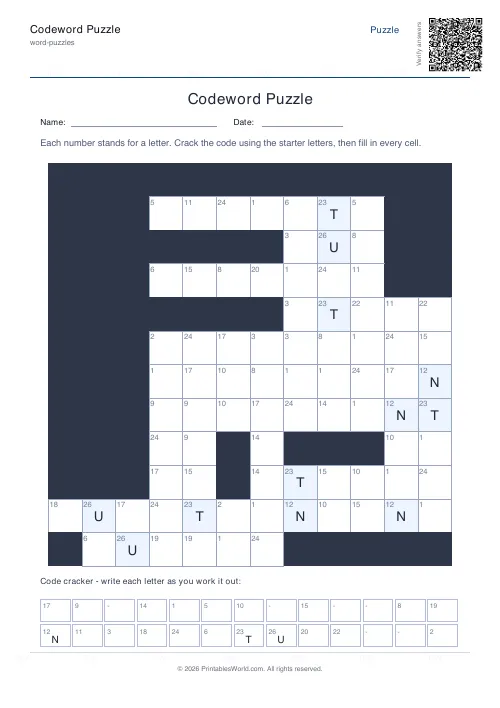
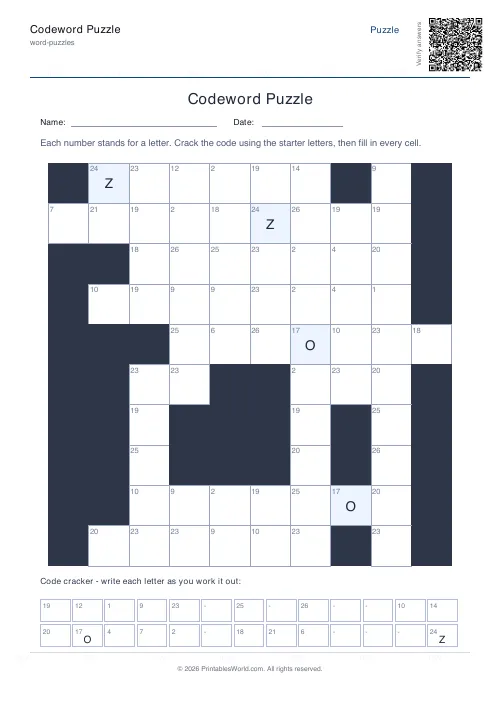
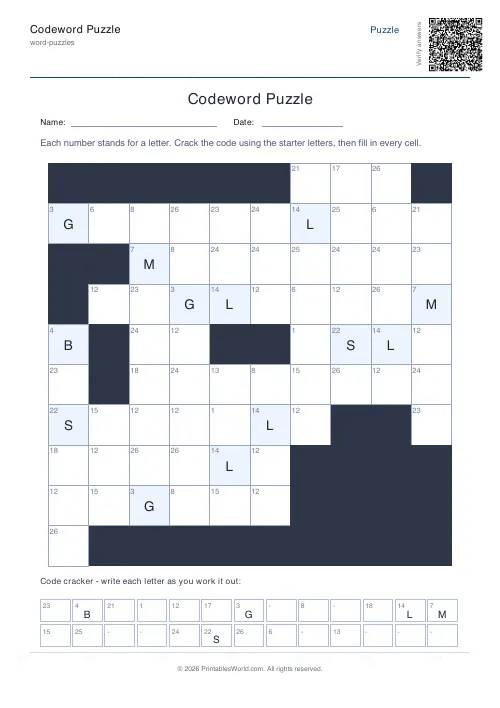
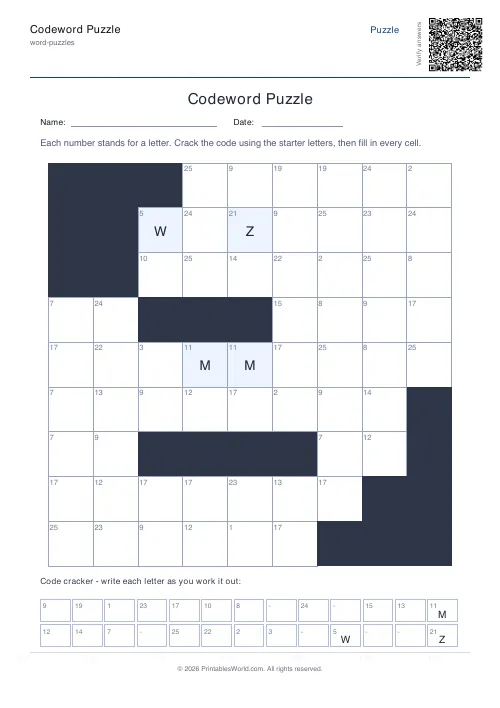
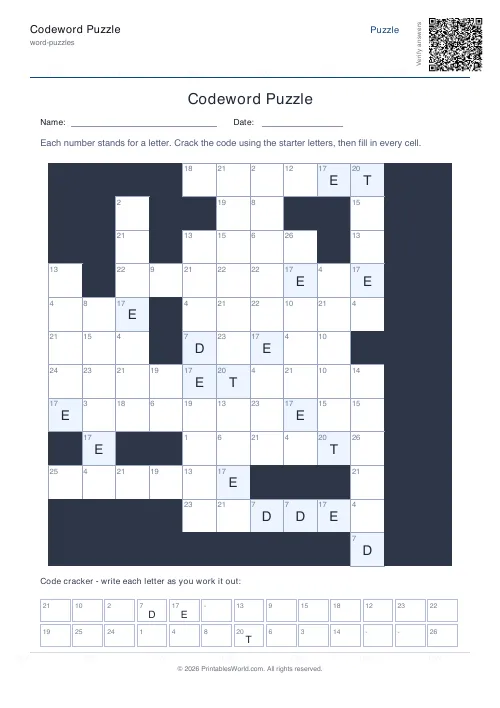
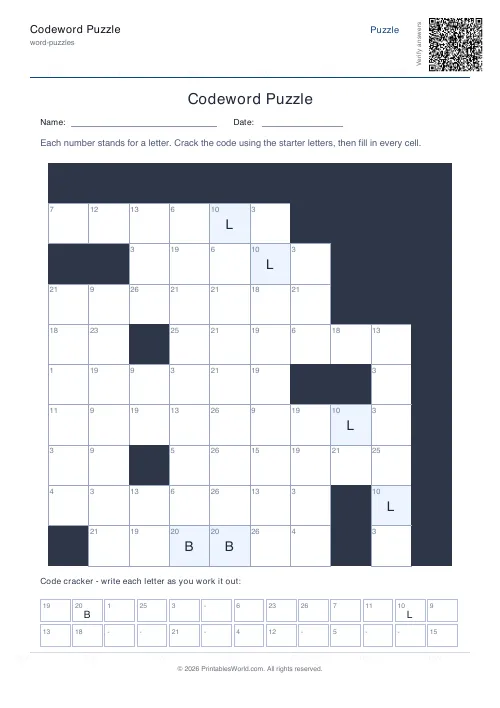
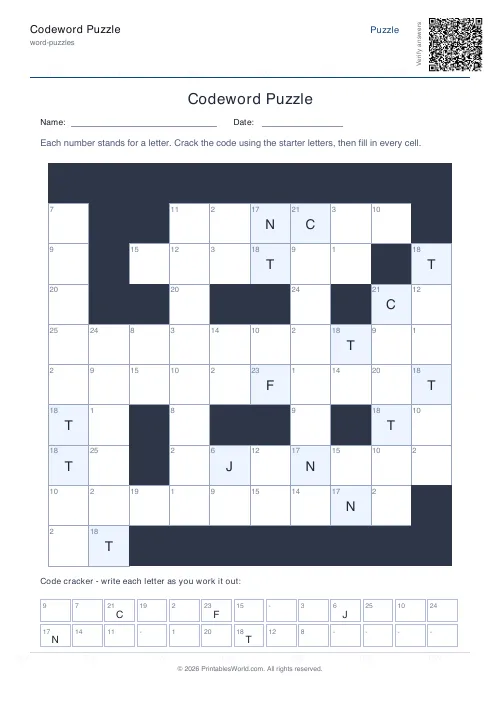
A coded crossword: every letter in the grid is replaced by a number 1–26, a few starters are given, and an A–Z strip records your deductions. Grid size and starter count are adjustable.
People also used
Crossword Generator: Printable PDF
Custom word lists into printable crossword puzzles with numbered clues.
Cryptogram Generator: Printable PDF
Create printable cryptogram puzzles from famous quotes or your own text with customisable difficulty and hints.
Word Search: Custom Words
Enter your own word list and generate a printable word search.
Feedback
Spotted something off with this tool?
Numbers instead of letters
The grid is filled with interlocking real words, and every distinct letter is mapped to a unique number from 1 to 26. White cells show the numbers; a handful of starter letters are revealed to give you a way in, and an A–Z strip down the side is where you record each letter as you crack it.
Set the grid size and how many starters you want, with an answer key if you need one.
No clues, and that is the point
A crossword gives you definitions. A codeword gives you nothing but the structure, so every deduction comes from the language itself.
You are not recalling facts. You are reasoning about which letters can plausibly sit where — which is a different pleasure, and it is why codewords suit people who bounce off general-knowledge crosswords.
How to break in
Start with the letter frequencies and the shapes.
The number appearing most often is very likely E, then T and A. A single-letter word is A or I. A three-letter word ending in the commonest number is probably THE. Any word with the same number in first and last position narrows sharply.
Then use the impossible combinations. Q is almost always followed by U, so a number pair that appears together and nowhere else is a strong candidate. No English word has more than three of the same letter running, and very few have a double letter at the start.
Cross the strip off as you go
The A–Z strip is not decoration and skipping it is why people stall.
Each letter is used exactly once, so eliminating one narrows every remaining number. Late in a puzzle the strip does more work than the grid — you will crack the last four cells by noticing that only J, Q, X and Z are left rather than by reading the words.
Starters
More starters, easier puzzle. It is the difficulty dial and it is a blunt one, so change it before you change the grid size.
A larger grid is not straightforwardly harder, incidentally: more words means more crossings, and more crossings means more constraints to reason from. A small grid with few starters can be the meaner sheet.
Who they suit
Anyone who likes sudoku but wants words. Language learners, since the reasoning is about letter patterns rather than vocabulary. Cover lessons and form time. And people who find crosswords unfair because they hinge on knowing a particular thing.
Related: cryptograms, which apply the same substitution idea to a sentence instead of a grid.
FAQs
Quick answers
What is the difference between a codeword and a crossword?
A crossword gives you written clues to find each answer. A codeword has no clues at all. Instead every letter is replaced by a number from 1 to 26, and you crack the code by deducing which letters make real interlocking words, helped by a few starter letters.
How do I make the puzzle easier or harder?
Increase the number of starter letters for an easier puzzle and reduce them for a harder one. A smaller grid is also gentler than a large one. Set starters to zero for a real challenge.
Is there an answer key?
Yes. Switch the answer key on and the PDF adds a second page showing every cell's solution letter together with the full number-to-letter code.
Can I make every puzzle different?
Yes. Each generation uses a fresh random seed, so the words, layout and code change every time. Press Generate New to reshuffle the preview before you download.
Related tools
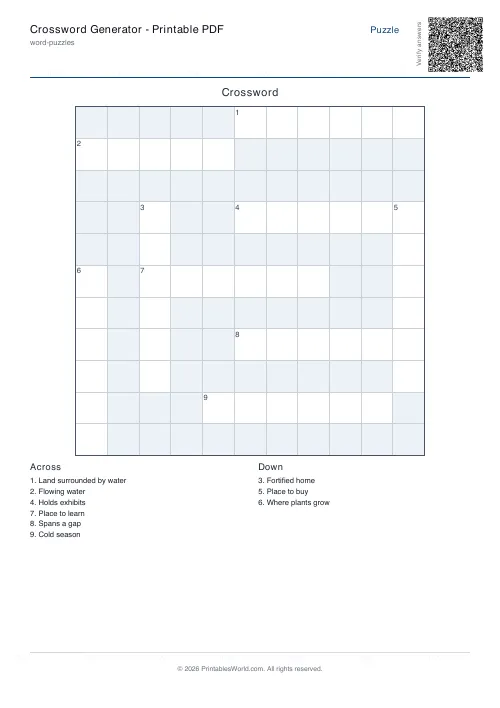
Crossword Generator: Printable PDF
Custom word lists into printable crossword puzzles with numbered clues.
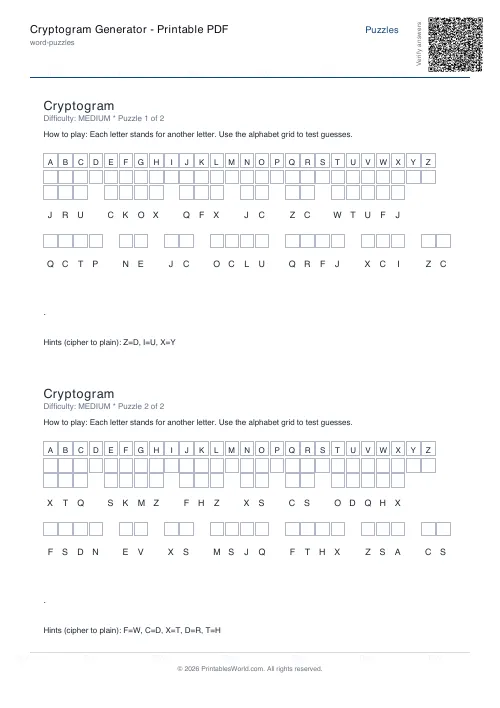
Cryptogram Generator: Printable PDF
Create printable cryptogram puzzles from famous quotes or your own text with customisable difficulty and hints.
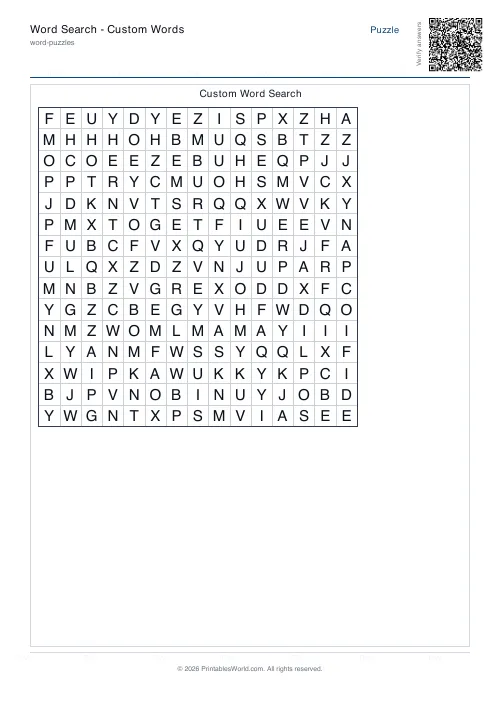
Word Search: Custom Words
Enter your own word list and generate a printable word search.
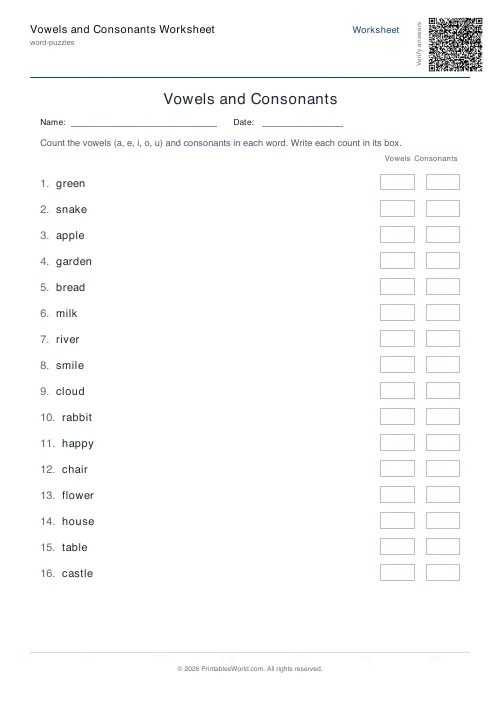
Vowels and Consonants Worksheet
Count the vowels and consonants in simple words.
Further reading
Word Puzzles
Sight words: the complete teaching guide
Sight words are usually taught as words to memorise. Most of them are partly decodable, and treating them that way works better. Here is how, and how many to teach at once.
6 min read
Literacy & Spelling
Do word searches help spelling? What works
Do word searches help spelling, or just fill time? What they practise, what the evidence suggests, and how to turn a spelling list into useful recall practice.
8 min read
Word Puzzles
Phonics at home: CVC words, blends and beyond
The order matters more than the materials, and one small thing, saying pure sounds rather than "buh" and "cuh", makes blending dramatically easier.
6 min read
More like this
- Crossword Generator: Printable PDF
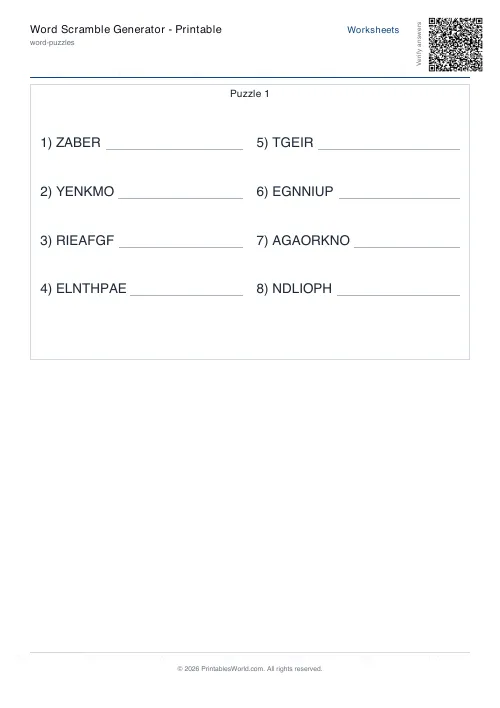 Word Scramble Generator: Printable
- Cryptogram Generator: Printable PDF
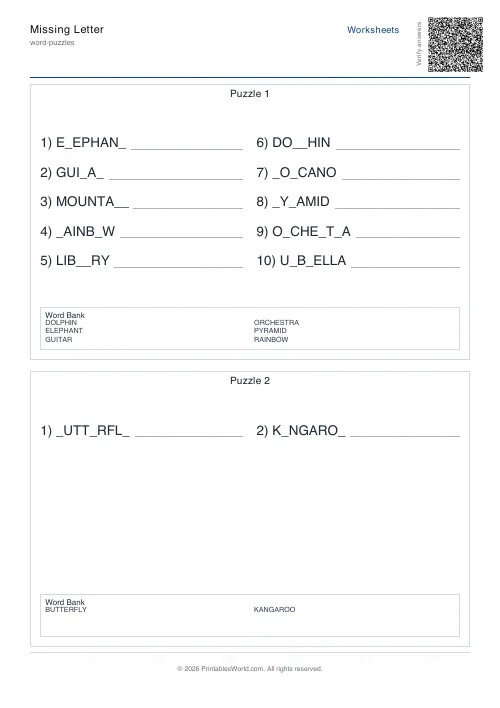 Missing Letter Generator
- Word Search: Custom Words
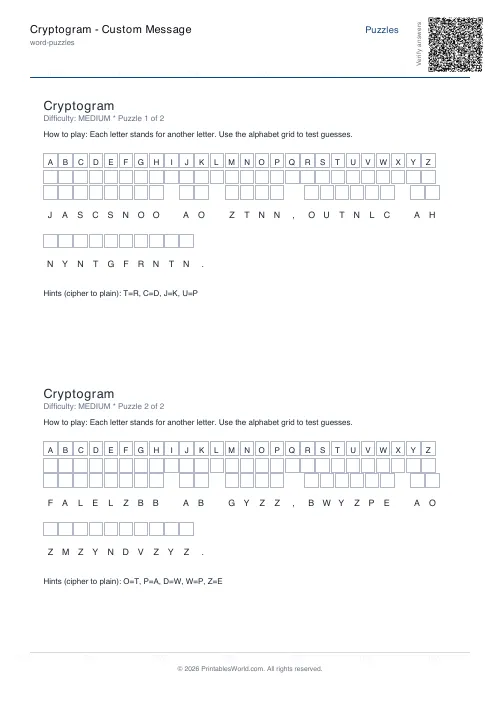 Cryptogram: Custom Message
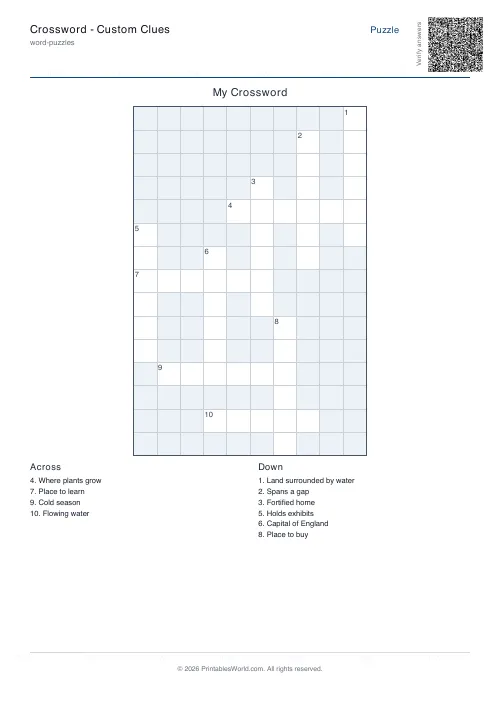 Crossword: Custom Clues
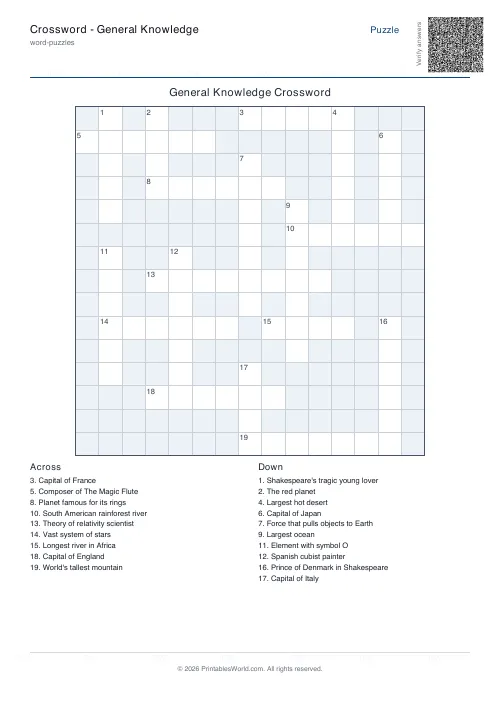 Crossword: General Knowledge
 Mini Crossword
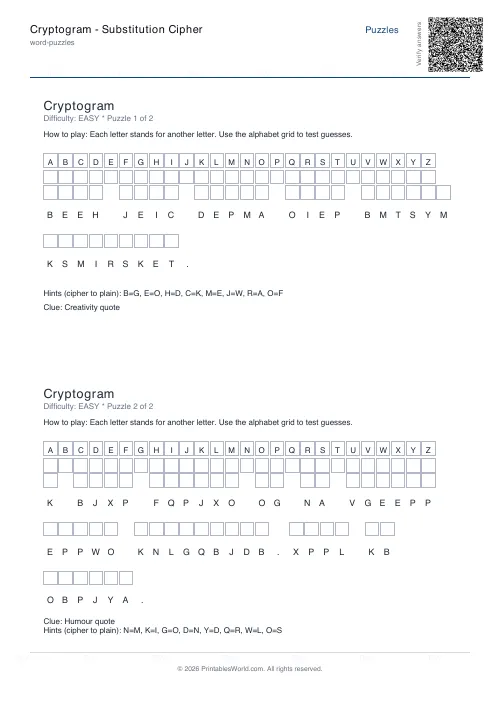 Cryptogram: Substitution Cipher
 Word Scramble Generator
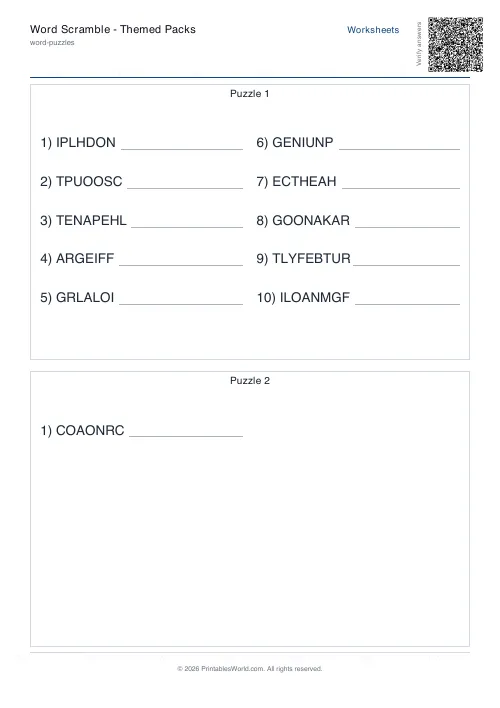 Word Scramble: Themed Packs
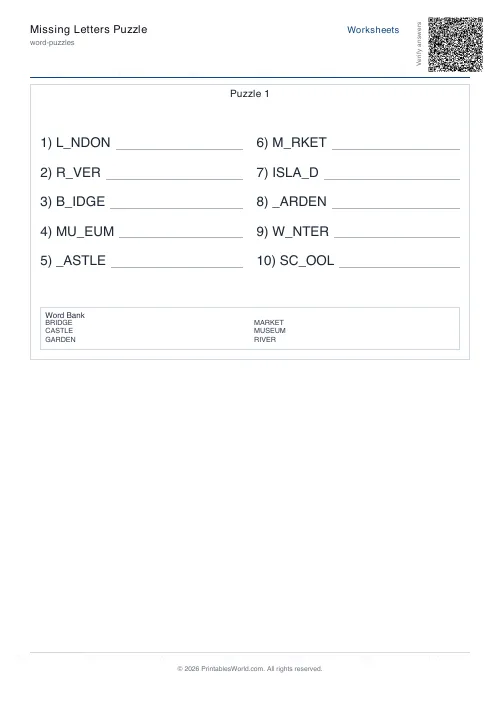 Missing Letters Puzzle
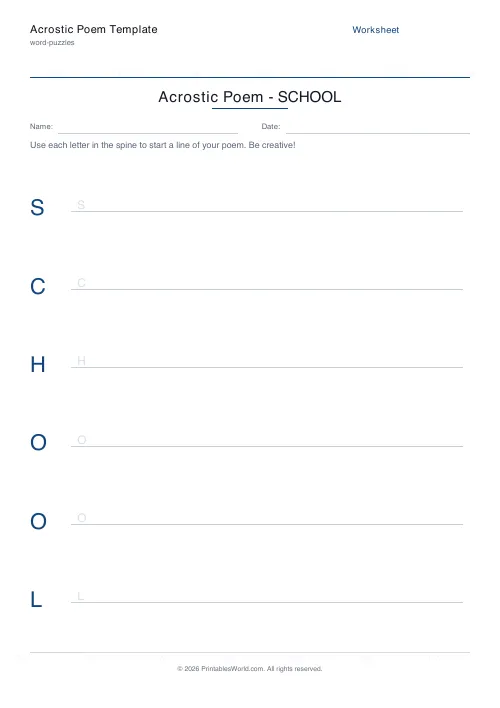 Acrostic Poem Template