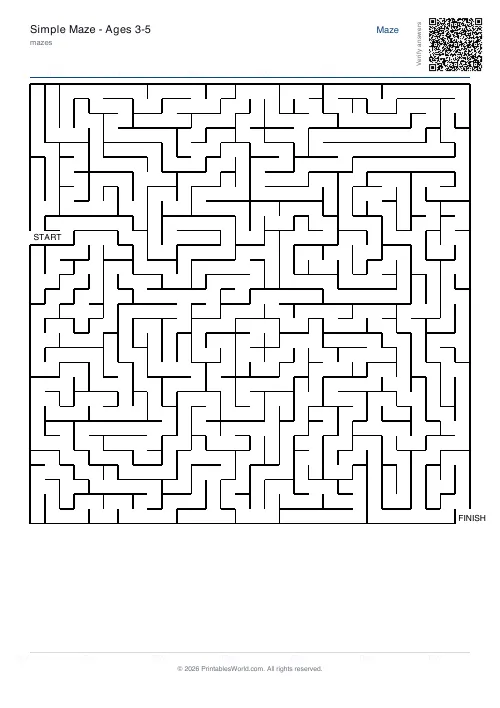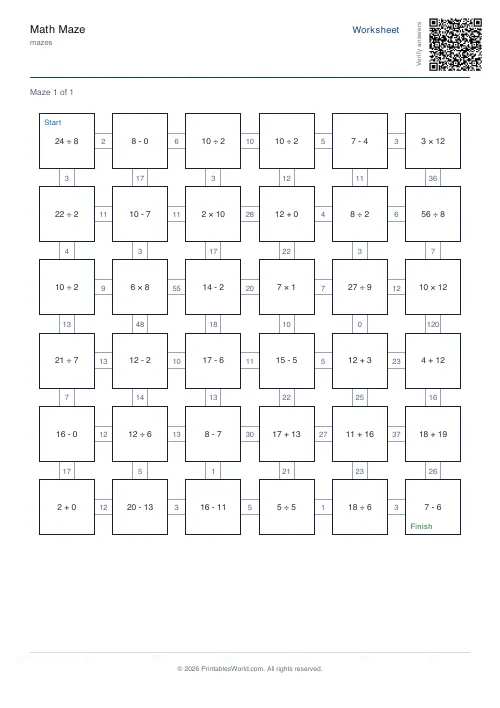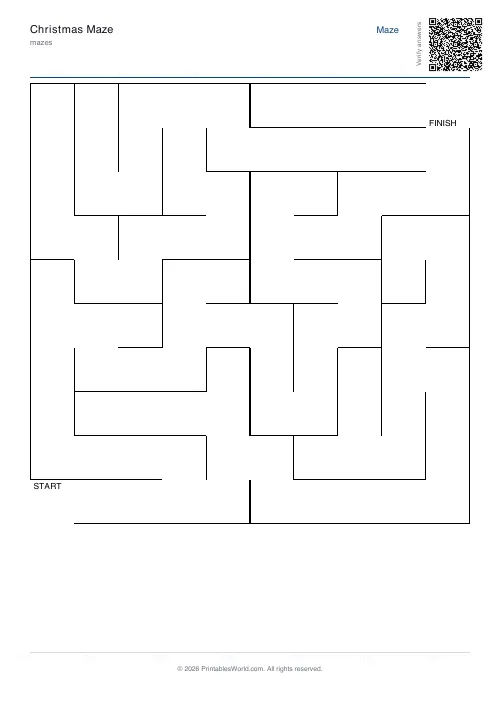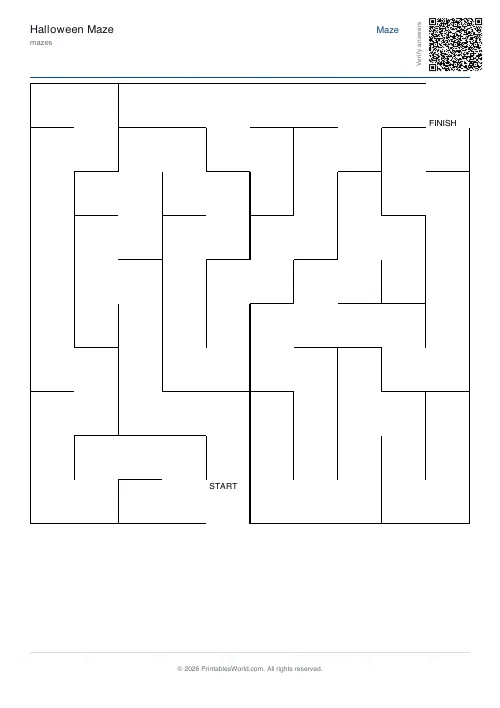
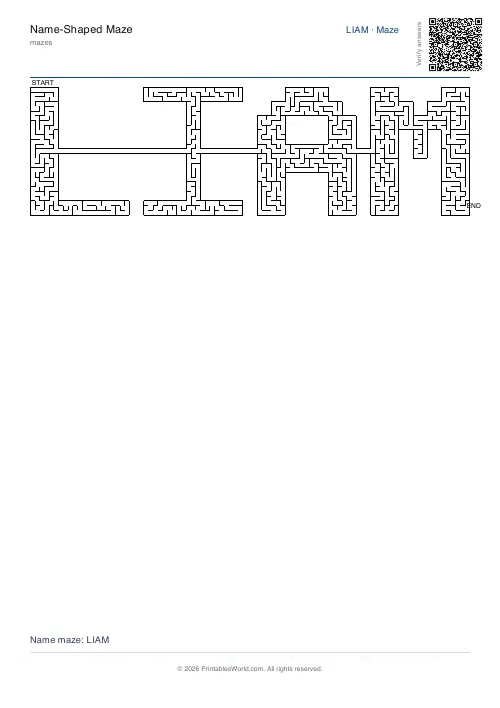
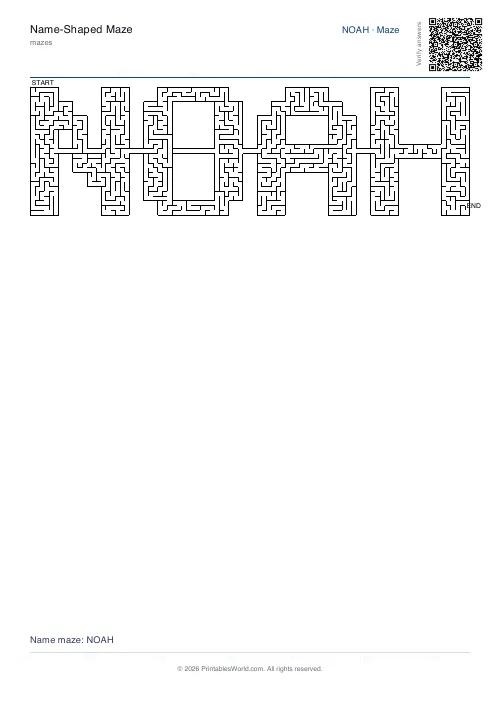
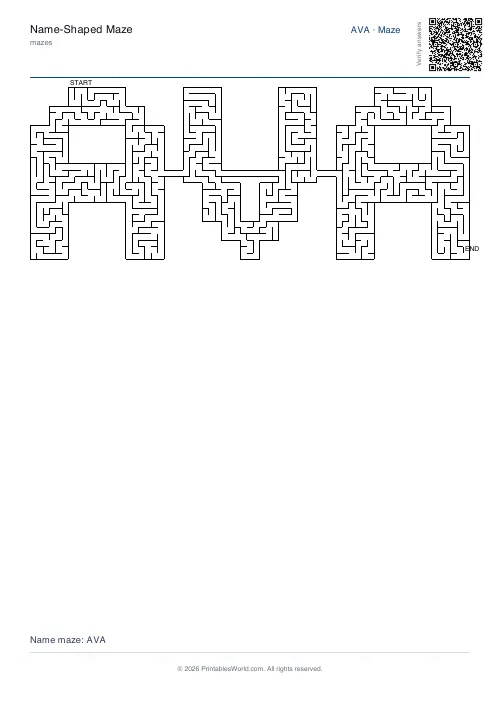
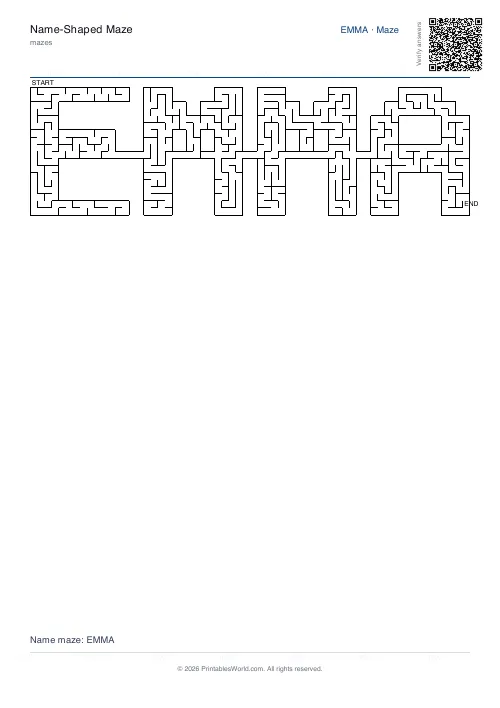
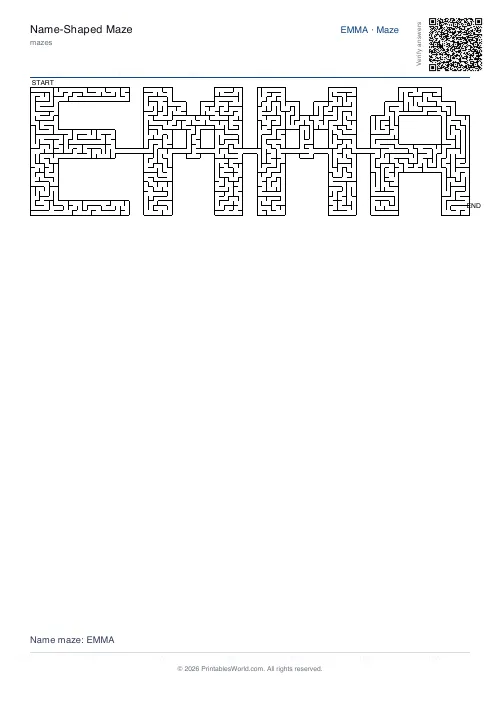
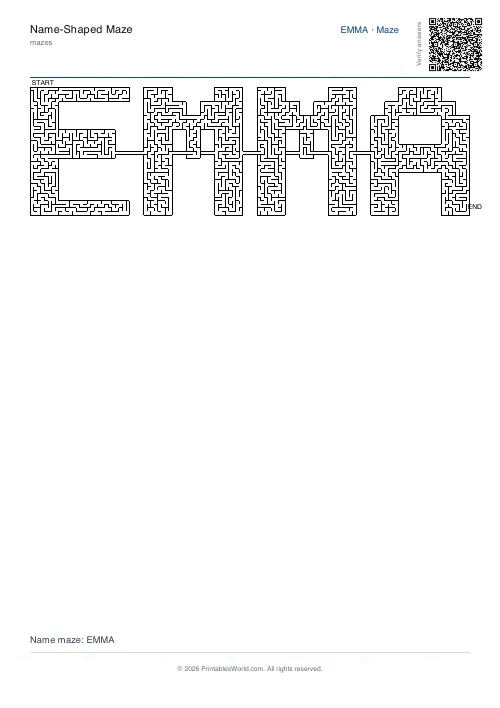
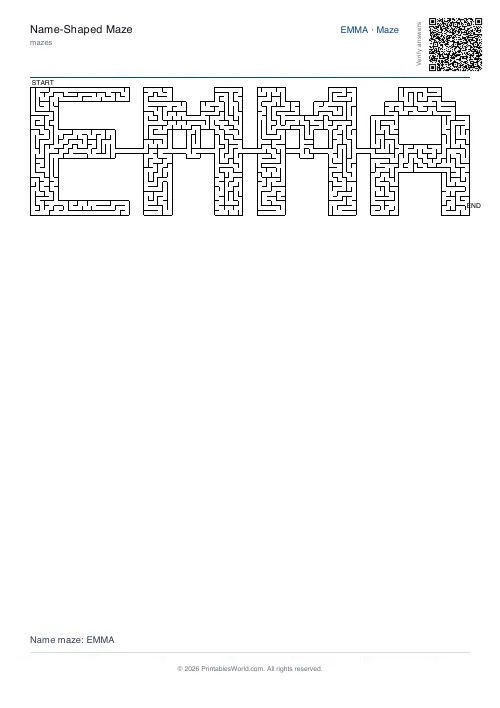
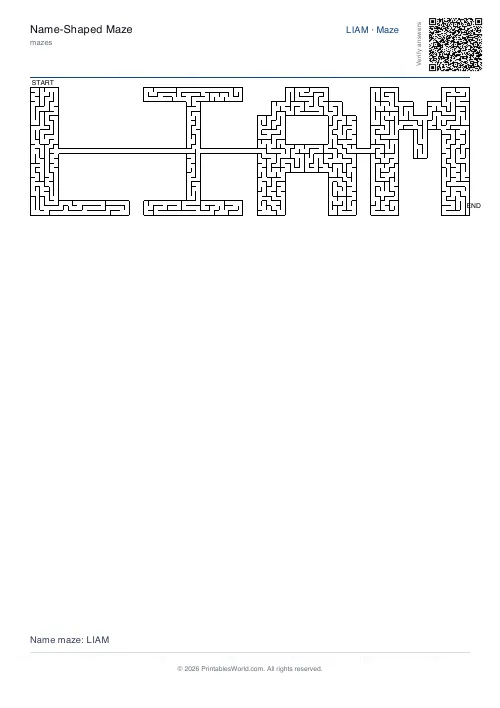
What this tool does
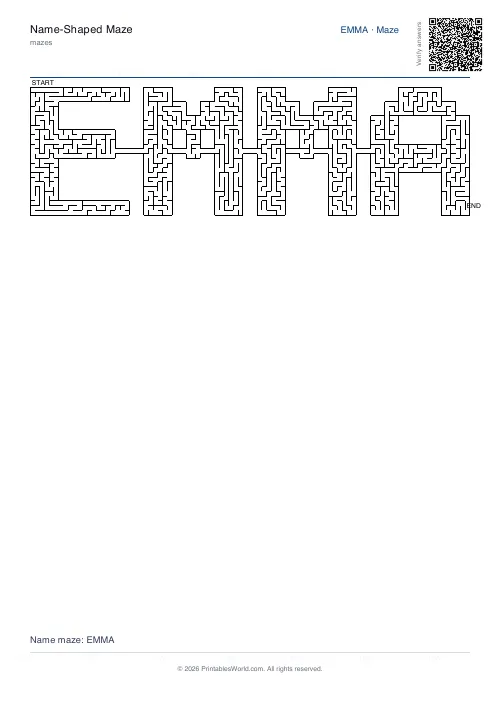
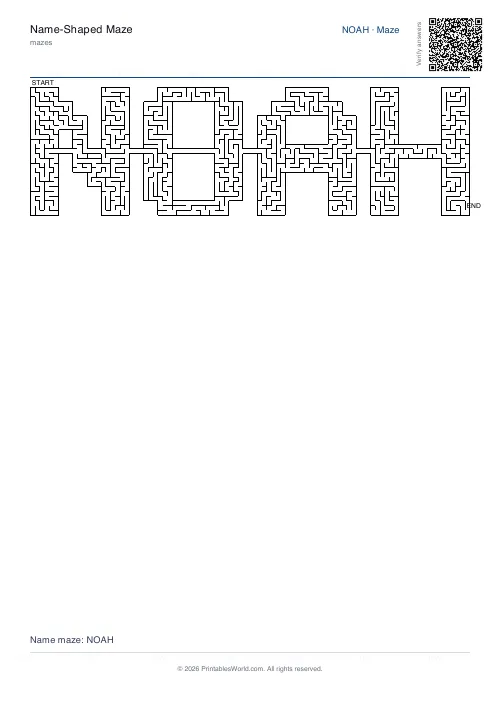
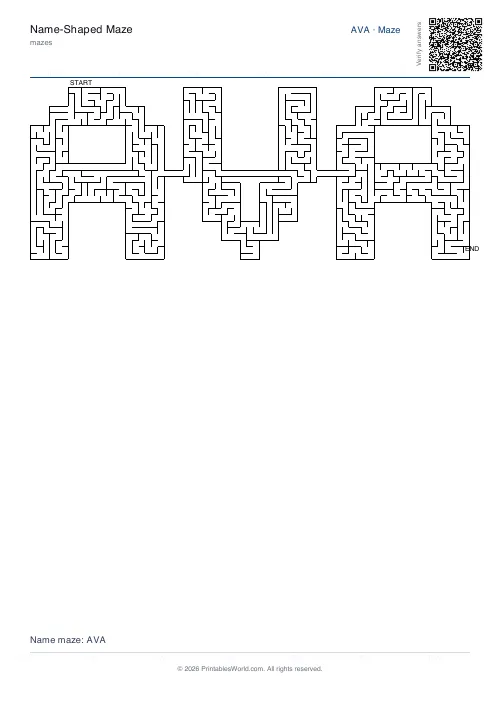
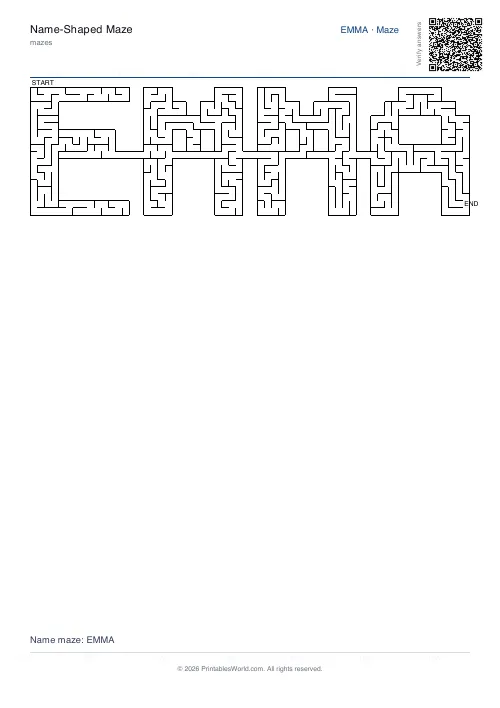
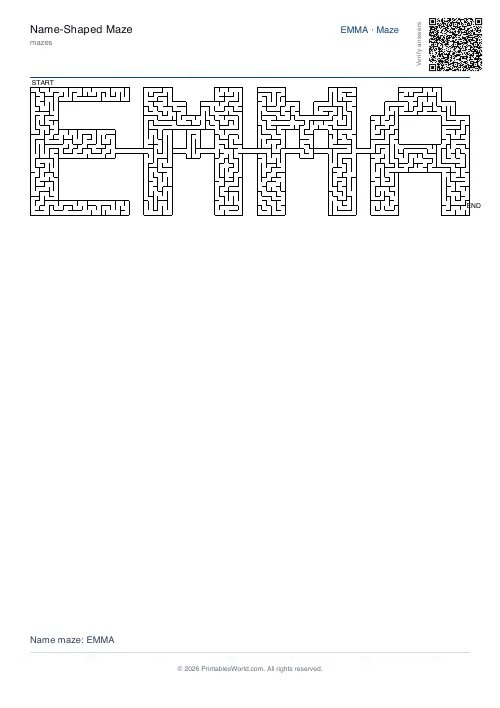
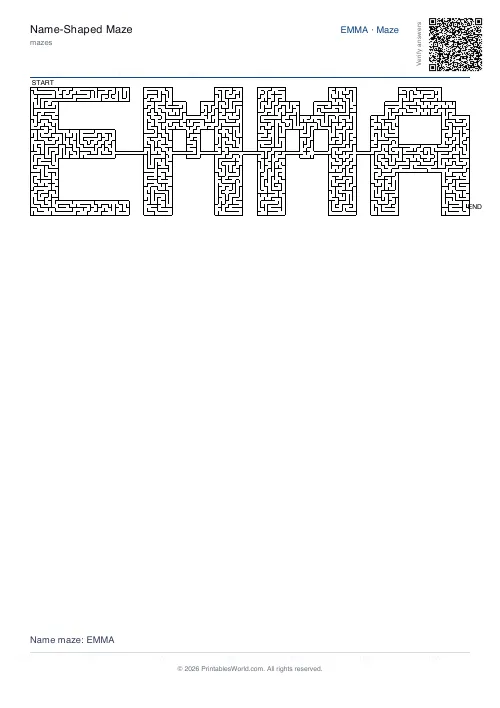
Type a name and every letter is stitched into one wide stencil, then carved as a single connected maze running through the whole word. Several names at once, comma-separated.
People also used
Feedback
Spotted something off with this tool?
One maze, running the length of a name
The letters are joined into a single stencil first, then one maze is carved through the lot. The route runs from one end of the word to the other, through every letter on the way.
That is the difference from printing letters separately. There is no restarting at each letter and no separate puzzle per page — it is one continuous solve across the whole name.
Type several names separated by commas and you get one maze each, a page apiece.
Why a child will do this one
Because it is theirs. A maze in the shape of somebody else's name is just a maze. A maze in the shape of your own name is something you carry round the house showing people.
For a class set, one name per child takes about as long to generate as one generic maze and produces a completely different level of interest. The same applies to a party: thirty guests, thirty personalised sheets, printed in one sitting.
Name length changes the shape of the page
Short names print large. EMMA at the default scale gives generous corridors a five-year-old can trace.
Long names have to fit the same page width, so every letter shrinks. An eight- or nine-letter name at a high scale produces corridors that are genuinely fiddly, and past about ten letters the sheet stops being usable for the child whose name it is.
Drop the scale for a long name rather than accepting narrow corridors. Two is not too low for a name of nine letters.
Scale
Two to five. It sets how many maze cells each unit of the stencil becomes, so it controls corridor width and solve length together.
Two for a young child or a long name. Four or five for an adult, or a short name you want to be a real puzzle.
Solutions are off by default
Deliberate, because these get handed out. Turn the toggle on and the solutions print as a matching stack at the end rather than interleaved, so the back half can be pulled off and kept.
How it is built
Each letter's pixel mask is scaled and the masks are laid out left to right with a gap between them, and then a single bridge of cells is opened along the middle row to join each letter to the next. A depth-first backtracker carves the whole stencil as one region, which is what lets the route cross from letter to letter instead of stopping at every gap.
Only A to Z survives. Anything else in the name — a space, a hyphen, an accented character — is stripped out before the stencil is built. Print at 100% on A4 or US Letter, and consider landscape for anything past about six letters.
FAQs
Quick answers
How does the name shape work?
Each letter is a small bitmap stencil. The generator places the letters side by side, links them with a thin bridge corridor, and carves one maze that walks only inside the combined name outline.
Can I make a maze for several names at once?
Yes. Separate names with commas (e.g. "EMMA, LIAM") and the tool prints one maze page per name, which is perfect for a whole class.
Is there a limit on name length?
Names are capped at about eight letters per maze so the cells stay large enough to trace comfortably by hand.
Can I print the solution?
Yes. Toggle Include solution to add a matching page per name with the route from start to finish highlighted.
Related tools
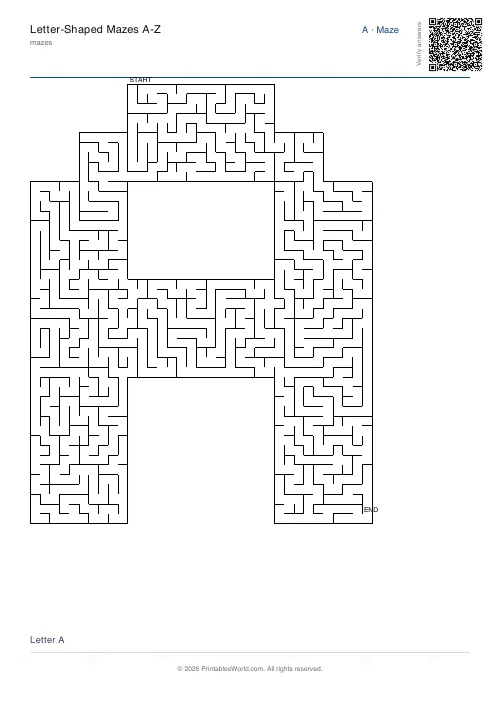
Letter-Shaped Mazes A-Z
Maze path contained within the shape of each letter of the alphabet.
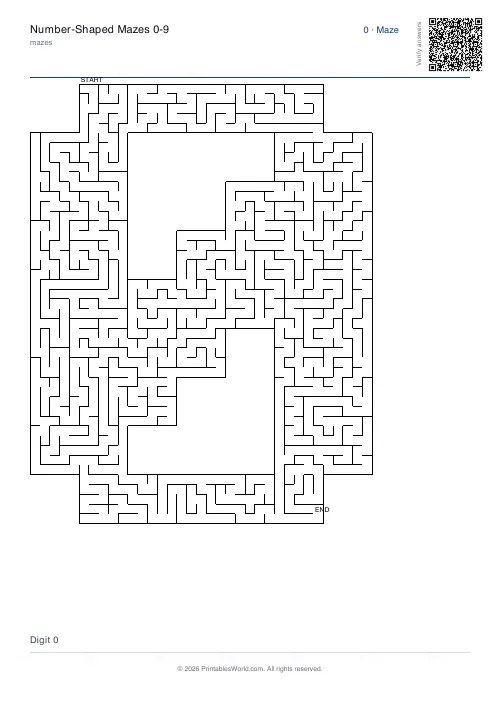
Number-Shaped Mazes 0-9
Maze path contained within the shape of each digit 0-9.
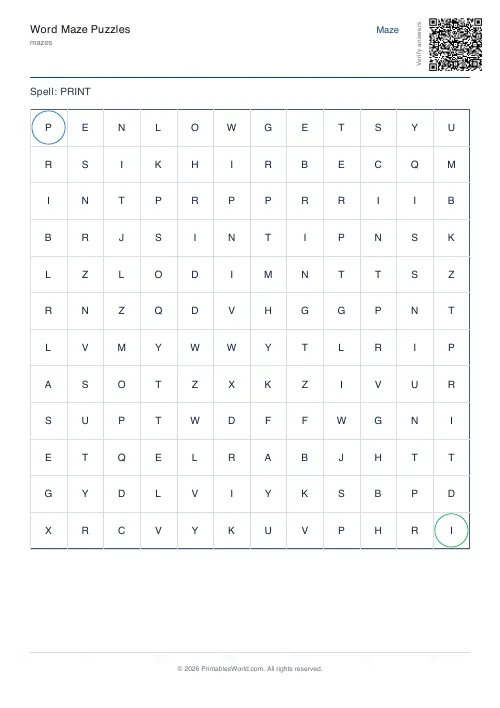
Word Maze Puzzles
Follow the correct spelling of a word through a grid of letters.
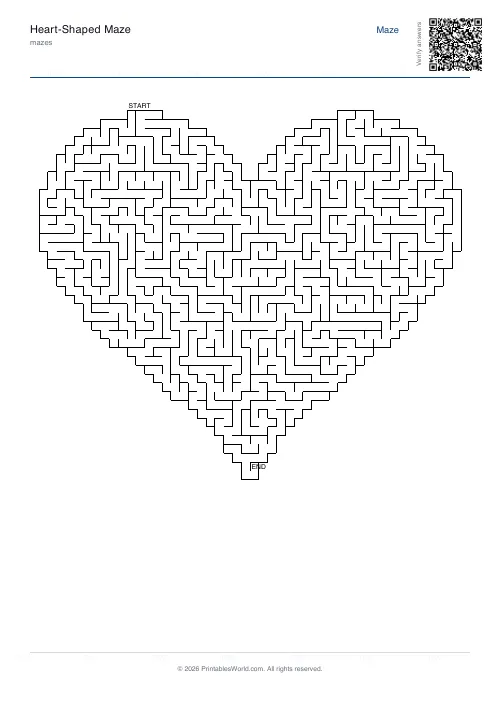
Heart-Shaped Maze
Maze contained within the outline of a heart. Perfect for Valentine's Day.
Further reading
Mazes
Why mazes are great for kids' development
Mazes are one of the few activities that exercise pencil control and forward planning at the same time. Which is why they suit the years just before formal handwriting.
4 min read
Mazes
Printable maze difficulty: matching mazes to ages
Maze difficulty has two independent dials, and confusing them is why a maze is either too fiddly or too easy. Here is which to turn for which child.
4 min read