What this tool does
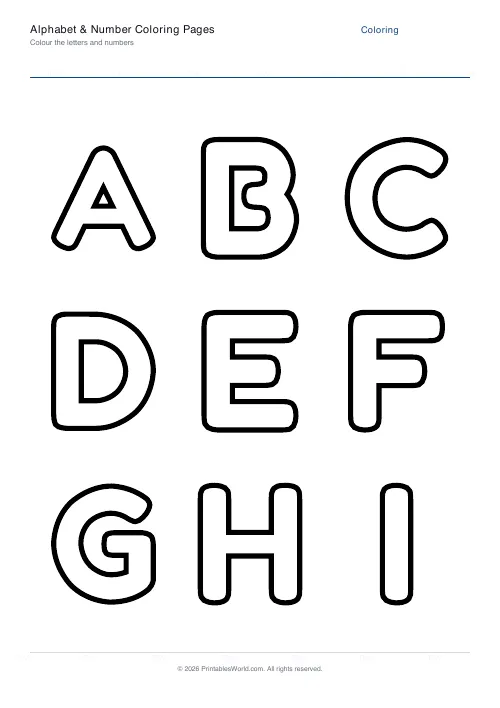
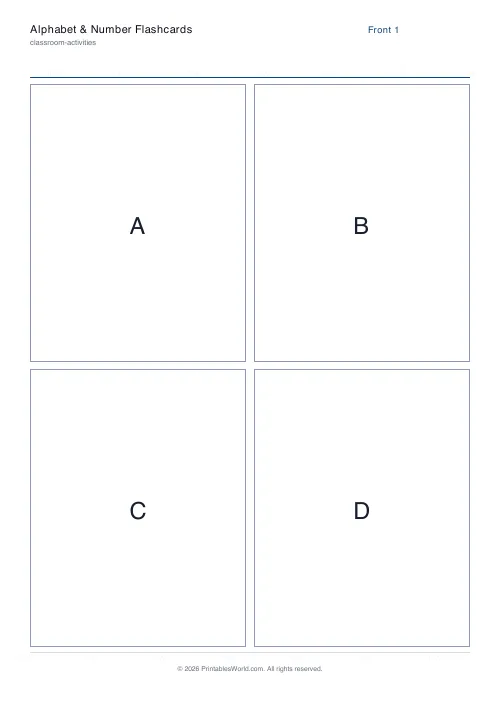
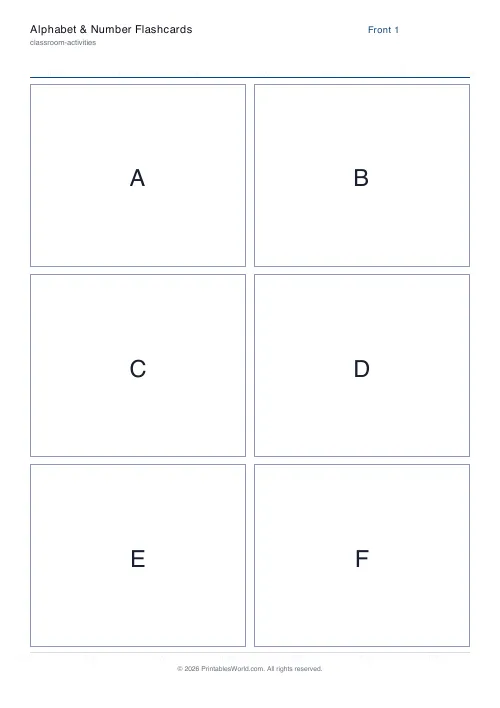
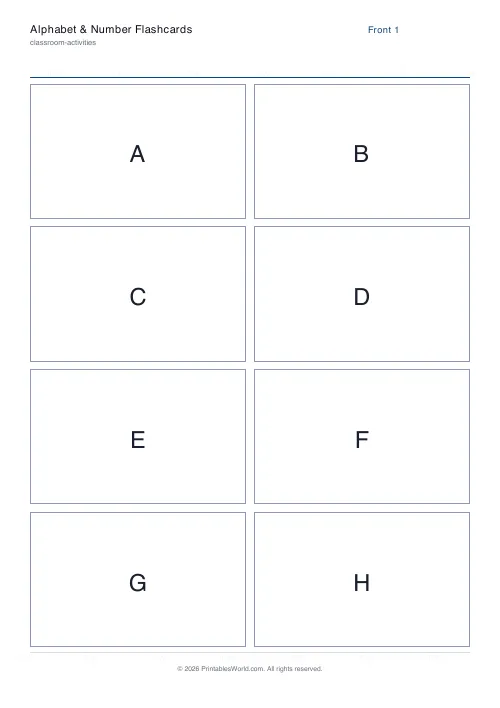
Double-sided flashcards for letters and numbers — A for Apple, B for Ball — four, six or eight to a page, with the backs mirrored so they line up when printed duplex.
People also used
Feedback
Spotted something off with this tool?
Fronts and backs that line up
Each card carries a letter or number on the front and its word on the back. Print duplex, flipping on the short edge, and the second page mirrors the grid so every back lands behind its own front.
Four, six or eight cards a page. The pairs are fully editable, so the alphabet set is a starting point rather than the tool.
Getting the printing right
This is where flashcards go wrong, and it is worth a test sheet.
Print two pages of a set on plain paper first and hold them to the light. If the backs are reversed left-to-right, your printer is flipping on the long edge instead of the short one, and the setting is in the print dialogue rather than in the file.
Print on card if you can, at least 160 gsm. Ordinary paper lets the back show through the front, which on a flashcard is not a cosmetic problem — it is the answer, visible from the wrong side.
Testing yourself is the mechanism
Flashcards work because of retrieval, not because of exposure, and that distinction decides whether they do anything at all.
Looking at a card and turning it over immediately is reading. Looking at it, genuinely attempting the answer, then turning it over is testing — and only the second builds memory. The pause is uncomfortable and it is the part that works.
Sort into piles
Three piles rather than one deck: known, shaky, unknown. Work the unknown pile most often, the shaky one regularly, the known one occasionally.
That is spaced repetition done with your hands, and it beats going through a fixed deck in order — where the cards you already know consume most of the time and the ones you do not are seen just as rarely as everything else.
Beyond letters
The pairs take anything. Vocabulary in a foreign language, times tables, capital cities, chemical symbols, key terms before an exam, staff names for a new job.
Making the cards is itself worth something. A pupil who writes their own pairs has already processed the material once, which is why handing a class a ready-made deck is less effective than it looks.
Keep the deck small
Twenty to thirty cards in active use. A deck of two hundred is a deck nobody finishes, and the pile it turns into is more discouraging than no deck at all.
Related: sight word flashcards come pre-loaded with the standard reading lists.
FAQs
Quick answers
What is on each flashcard?
The front shows a large letter or number; the back shows a simple example word, such as “A | Apple” or “3 | Three”. You can edit any pair before printing.
Can I print just the letters or just the numbers?
Yes. The deck starts with A-Z and 0-9, but you can delete any pairs you don’t need so you print only the letters or numbers you are teaching.
How do I print the backs so they line up with the fronts?
Print double-sided and choose “flip on the short edge” (short-edge binding). The engine already mirrors the back page so each example word lands on the reverse of its letter.
What paper and card should I use?
A4 or US Letter both work. For a deck that survives small hands, print on 160 gsm card or heavier and laminate after cutting.
Related tools
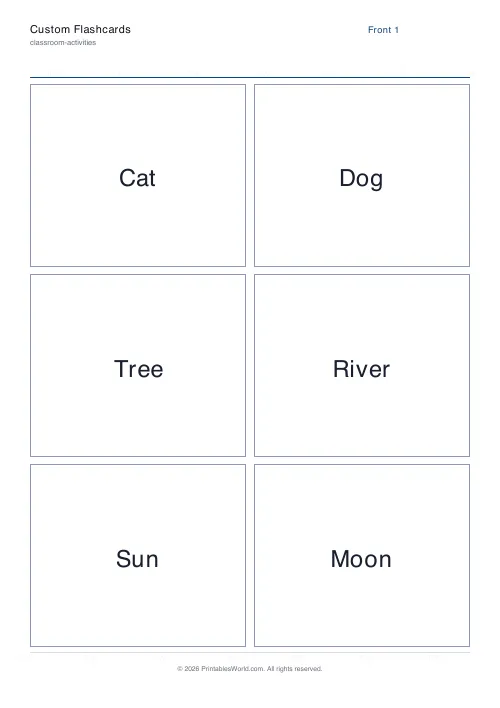
Custom Flashcards
Double-sided printable flashcards from your own list of pairs.
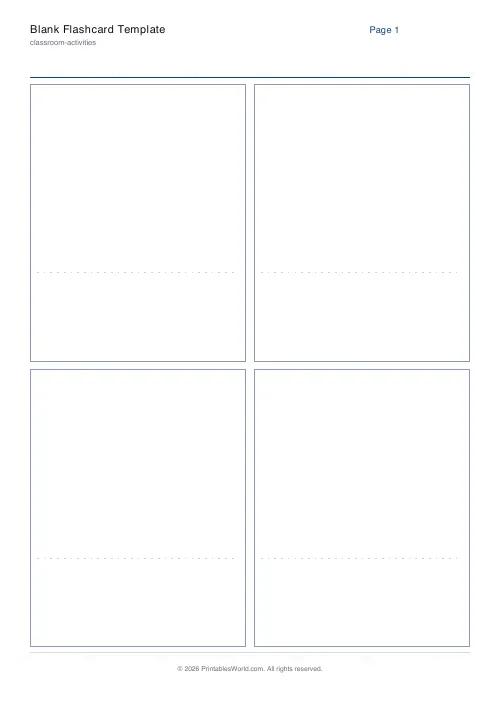
Blank Flashcard Template
Print blank flashcards ready to fill in by hand.
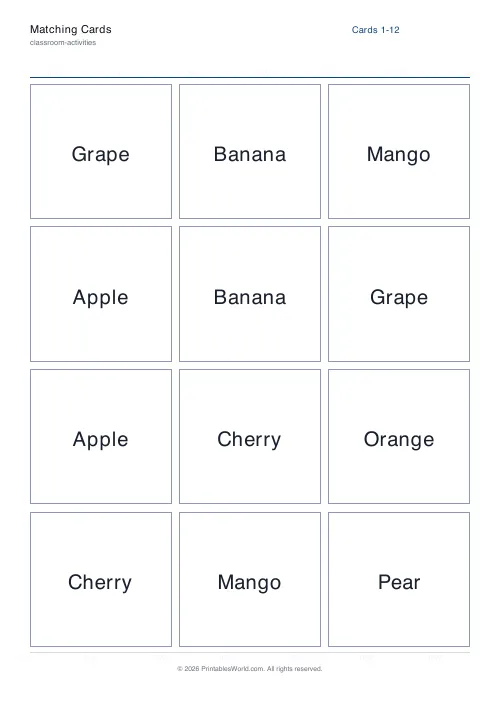
Matching Cards
Pairs of identical cards for a concentration-style match game.
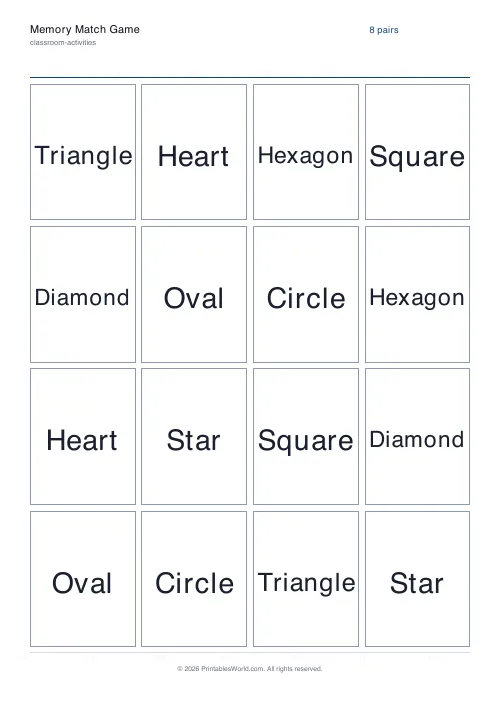
Memory Game Cards
Grid of paired cards for a classic flip-and-match memory game.
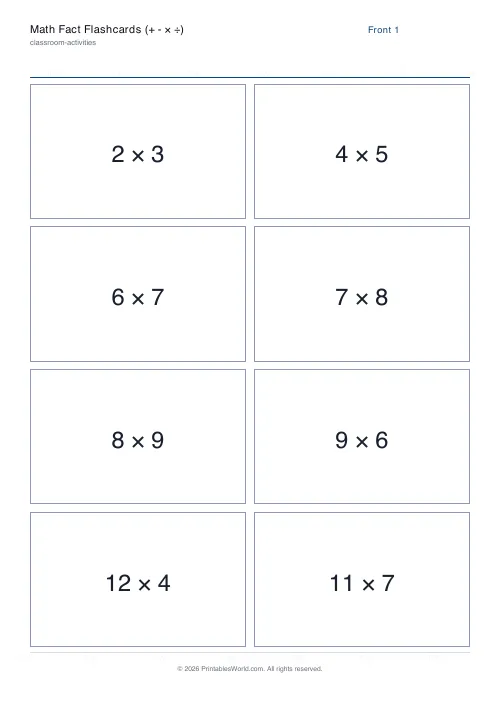
Math Fact Flashcards (+ − × ÷)
Arithmetic fact cards with the answer on the back. Built for timed recall practice rather than reading.
Further reading
Teaching & Classroom
How to make a custom spelling word search
Turn any spelling list into a printable class set in minutes. A practical guide to making a custom spelling word search, with a worked example and difficulty tips.
7 min read
Classroom Activities
How to run a classroom economy (free printables)
A classroom economy teaches money, work and choice at once. But it collapses if the maths is wrong. Here is how to set the numbers, and the four pitfalls to avoid.
5 min read
Classroom Activities
Back-to-school printables every teacher needs
Sorted by when you will actually need them: the two things to print before the children arrive, the week-one set, and the routines worth establishing while everyone is still compliant.
5 min read