What this tool does
Type the names and dates straight into the chart and watch the PDF update, or print it blank and fill it in by hand. Choose a pedigree chart (the genealogy standard), a classic tree with the grandparents across the top, or a fan chart that fits six generations on one page. Six themes, from warm heritage tones to plain ink for photocopying.
People also used
Feedback
Spotted something off with this tool?
Three charts, three jobs
A pedigree chart puts you on the left and your ancestors fanning out to the right, one column per generation. It is the form genealogists use and it holds 15 people on a four-generation chart, 31 on five. A family tree stands the other way up, grandparents across the top and the child at the bottom, joined by brackets, which is the version most schools ask for. A fan chart curves the same information into a semicircle, which is the only shape that fits five or six generations on one sheet of A4.
Fill it in on screen, or by hand
Every position has a name and a dates field in the editor, labelled by relationship so you always know which box you are filling. Type and the preview redraws. Anything you leave blank prints as a ruled line instead, so the same chart works as a fill-in-on-screen keepsake or as a blank form to take to a family gathering with a pen.
The numbering is the standard one
Positions follow the Ahnentafel convention every genealogy form uses: you are 1, your father is 2, your mother is 3, and a person's father is always double their own number. That means the numbers on your printed chart mean the same thing as the numbers on any other pedigree form, and you can turn the numbering off if you would rather not see it.
Themes
Six palettes, each tinting the generations so the chart reads as depth rather than a wall of identical boxes: Heritage in warm parchment tones, Classic navy, Garden, Blossom, Ocean, and Ink. Ink has no fills at all, which is the one to pick if you are photocopying a class set or want children to colour it in.
Where it fits
Family history projects, a school topic on families and generations, a keepsake for a birthday or a reunion, and language classes learning family words. Print blank on the thickest paper your printer takes and it survives being passed round a table.
FAQs
Quick answers
Can I type the names in, or do I have to write them?
Either. Type them into the editor and they print on the chart; leave a box empty and it prints a ruled line to write on. You can mix the two on one sheet.
How many people fit?
A four-generation chart holds 15 people, five generations holds 31, and the fan chart goes to six generations and 63. The classic tree layout is capped at three generations, because a fourth row needs eight boxes across a portrait page and there is no room left for a name.
Does it save my family tree?
No. Everything stays in your browser while the page is open and nothing is sent to us or stored. Download the PDF to keep it, and use the Share button if you want to come back to the same settings.
What do the numbers in the boxes mean?
They are the standard genealogy numbering: you are 1, your father 2, your mother 3, and a person's father is always twice their number. Turn them off in the settings if you prefer a clean chart.
Which theme should I print?
Ink if you are photocopying or want it coloured in, since it has no background fills. Any of the other five if you are printing one nice copy in colour.
Can I add step-parents, siblings or children?
Not yet. These charts show direct ancestors, which is what a pedigree, tree or fan chart is. A descendant chart showing children and grandchildren is a different shape and is not built yet.
What paper sizes work?
A4 and US Letter, portrait. The layouts are built to fit portrait so they print without scaling.
Related tools
All About Me Worksheet
A back-to-school fill-in sheet for every pupil.
Blank World Map
Real coastlines and country borders, with numbered lines to label the seven continents and five oceans.
Custom Flashcards
Double-sided printable flashcards from your own list of pairs.
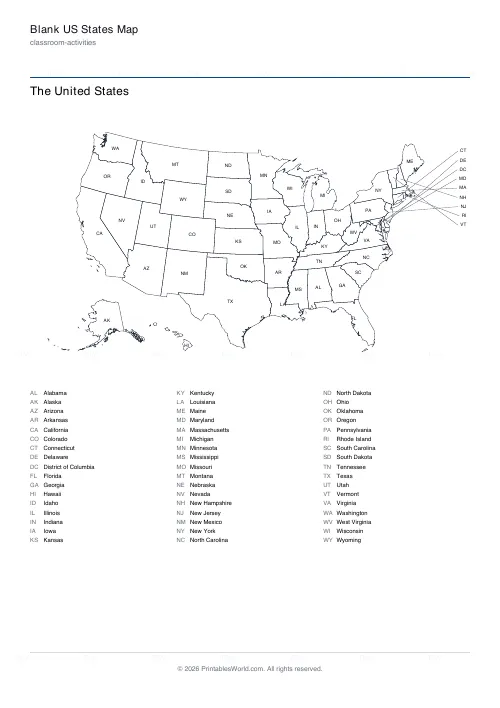
Blank US States Map
Real state outlines: numbered to name, labelled with abbreviations, or blank, with a state list and answer key.
Further reading