What this tool does
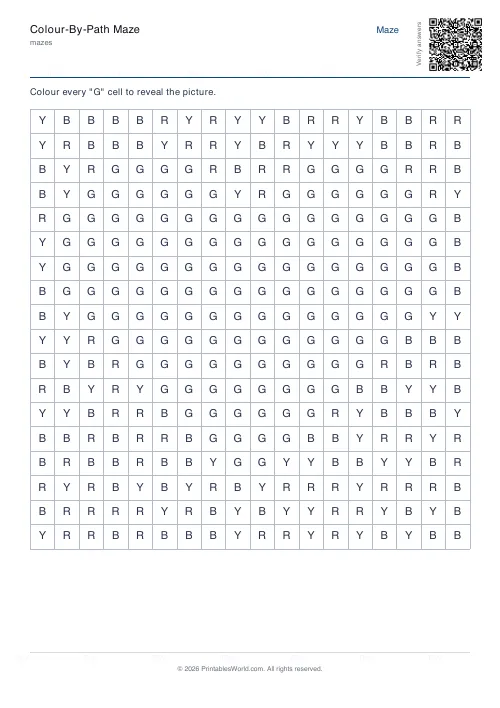
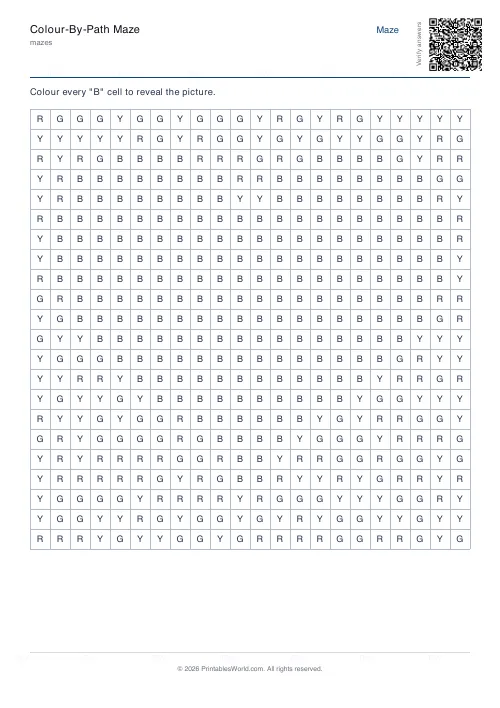
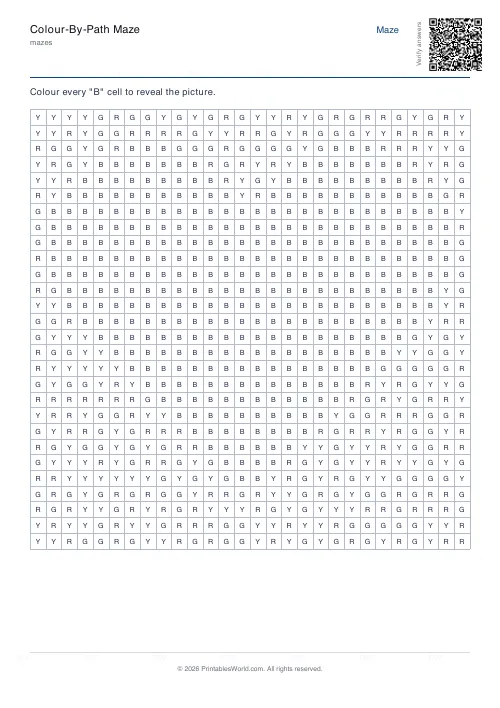
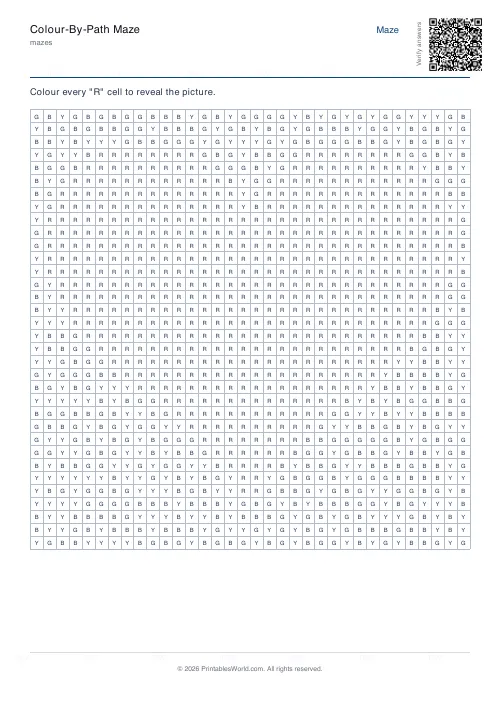
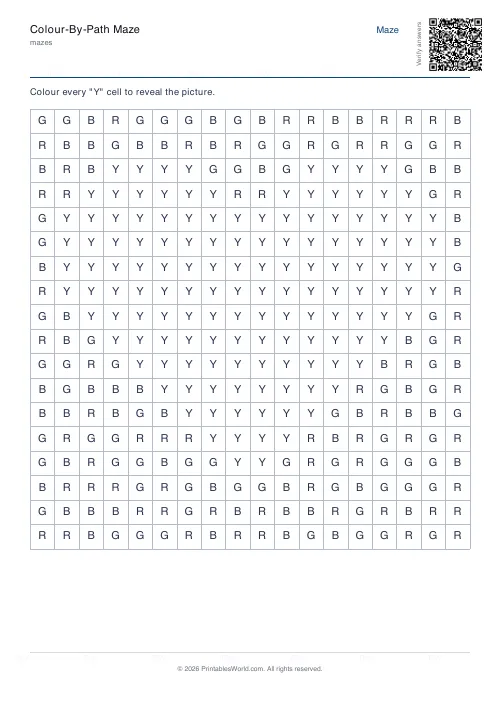
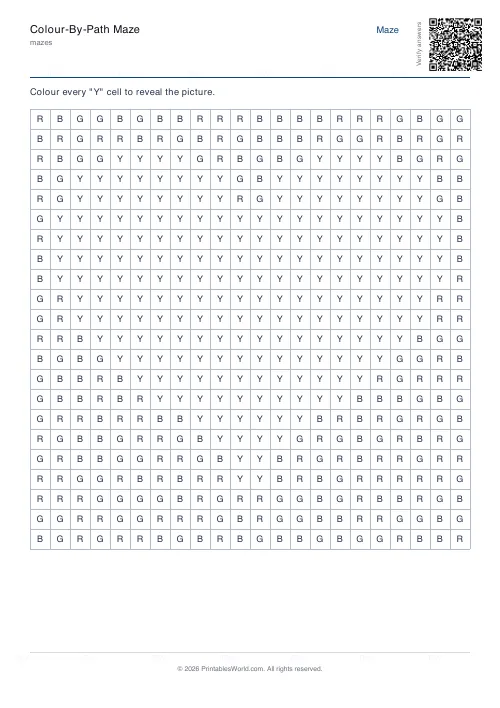
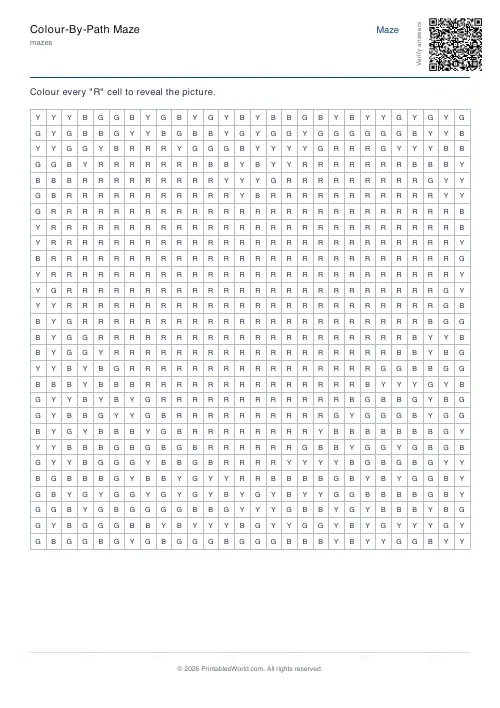
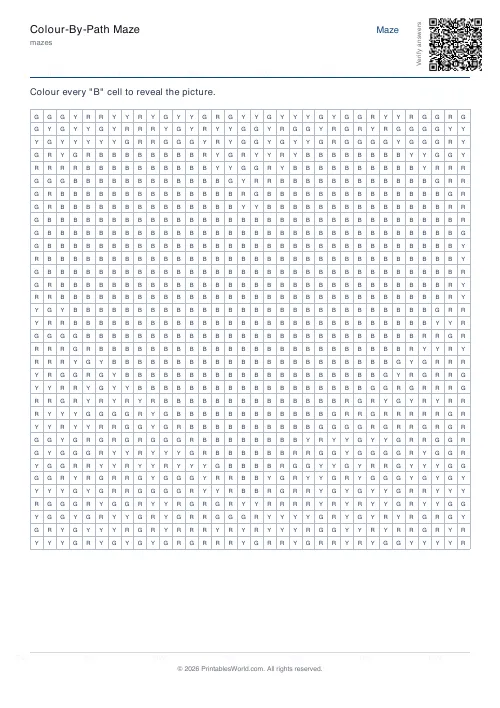
A grid of letters where every cell carrying one particular letter forms a hidden heart. The sheet names the letter to colour and the solution page shows the picture filled in. No tracing and no route-planning, just spotting.
People also used
Heart-Shaped Maze
Maze contained within the outline of a heart. Perfect for Valentine's Day.
Coloring Page Maker
Create printable coloring pages with mandala, geometric, and animal templates in any line thickness.
Maze Generator: Printable PDF
Generate printable maze PDFs with custom grid size, difficulty, and layout. Perfect, braided, or room-based.
Feedback
Spotted something off with this tool?
A colour-by-letter grid that hides a picture
The page is a grid where every cell carries one of four letters: R, B, G or Y. A line printed above the grid names the letter to colour in. Colour every cell with that letter and a heart appears.
Despite the name, there is no maze here and nothing to trace. It is a spotting-and-colouring activity, which makes it the gentlest thing in this category and the right one to hand a child who is not ready to plan a route through anything.
Which letter is the answer changes every time
The key letter is picked at random for each sheet, and the instruction line at the top is generated to match it. Every other cell gets one of the remaining three letters, also at random.
So two children sitting side by side with sheets from two different generations are colouring different letters, and neither can shortcut by copying. It also means you cannot memorise the answer — a real limitation of most colour-by-number pages, where the same picture always has the same key.
Grid size
Four options: 18, 22, 28 or 34 cells across.
- 18 — big cells, crayon-friendly, picture resolves fast.
- 22 — the default, at 484 cells.
- 28 — 784 cells, and a noticeably smoother heart.
- 34 — 1,156 cells. A long, quiet activity, which is sometimes precisely what is wanted on a wet Sunday.
The heart gets more clearly defined as the grid grows, because a curved edge drawn in squares needs squares small enough to describe the curve. At 18 the shape is blocky. At 34 it is smooth.
The solution page
Turn it on and a second copy of the grid prints with the key cells shaded in the matching colour, so you can check a finished sheet at a glance rather than reading 480 letters.
What it is practising
Visual discrimination and sustained attention, mostly. A child has to hold one target letter in mind and check hundreds of cells against it without drifting, and drifting is exactly what shows up: the mistakes cluster, because attention goes in patches rather than at random.
It also gives the letters R, B, G and Y a job to do. A flashcard asks a child to name a letter; this asks them to use one, which is a different and slightly harder thing.
Print at 100% scale on A4 or US Letter. Any crayon or pencil will do; the cell borders are printed light so a coloured cell still shows its letter underneath.
FAQs
Quick answers
How does the puzzle work?
The PDF tells the solver which letter to colour. Every cell with that letter forms a hidden image. Other letters are red herrings.
What hidden picture appears?
A heart shape in v1. Future versions will add more shapes.
Can I print the solution?
Yes. Toggle the solution option to add a page with the correct cells coloured in.
How big can it be?
Up to a 40-cell square. Bigger grids reveal a more detailed picture.
Related tools
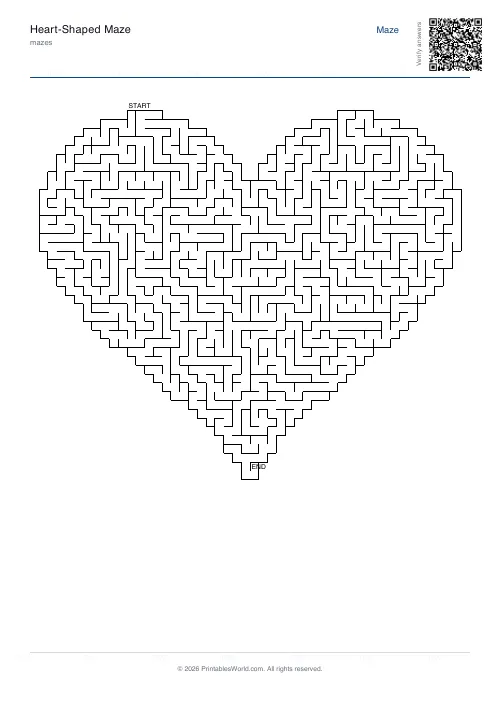
Heart-Shaped Maze
Maze contained within the outline of a heart. Perfect for Valentine's Day.
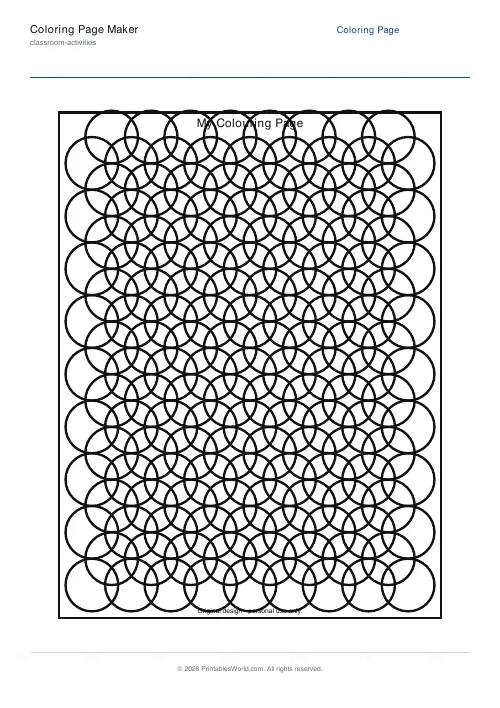
Coloring Page Maker
Create printable coloring pages with mandala, geometric, and animal templates in any line thickness.
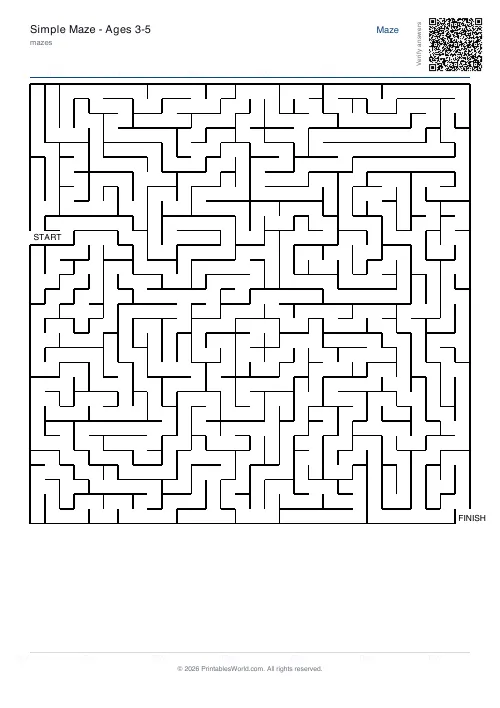
Maze Generator: Printable PDF
Generate printable maze PDFs with custom grid size, difficulty, and layout. Perfect, braided, or room-based.
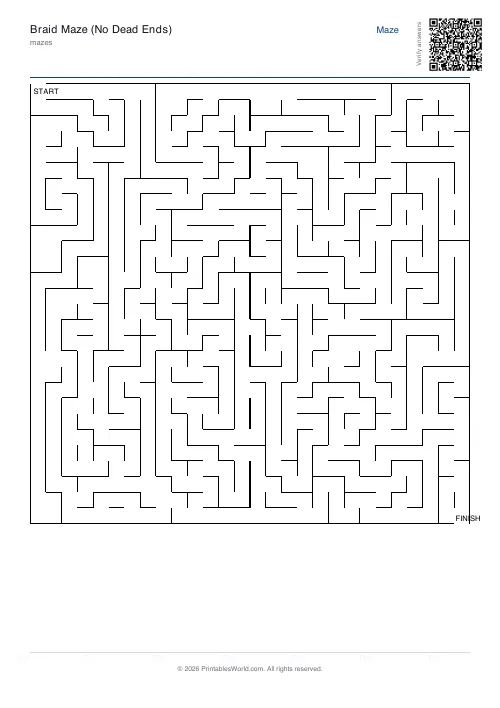
Braid Maze (No Dead Ends)
A looping maze with no dead ends. Every cell has at least two ways out.
Further reading
Mazes
Why mazes are great for kids' development
Mazes are one of the few activities that exercise pencil control and forward planning at the same time. Which is why they suit the years just before formal handwriting.
4 min read
Mazes
Printable maze difficulty: matching mazes to ages
Maze difficulty has two independent dials, and confusing them is why a maze is either too fiddly or too easy. Here is which to turn for which child.
4 min read