What this tool does
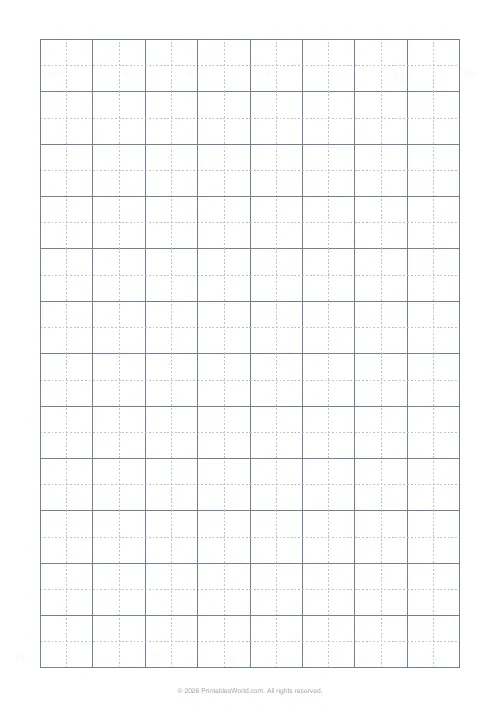
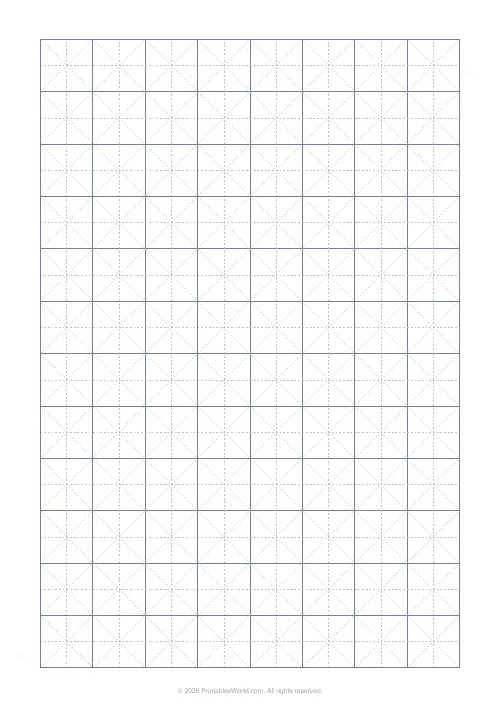
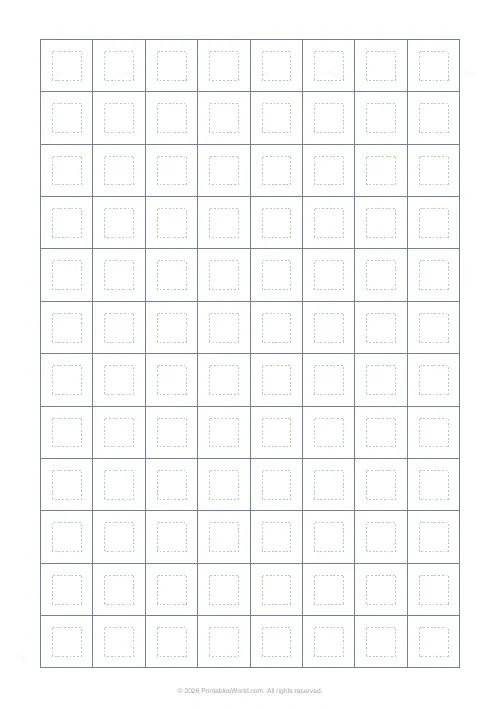
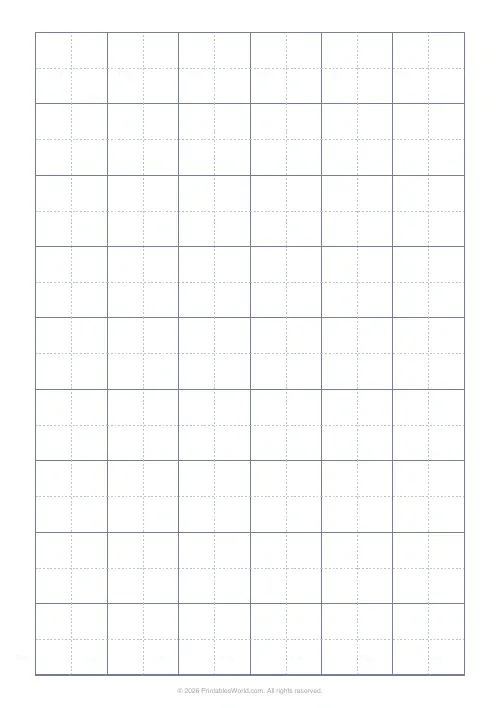
Tian Zi Ge practice paper for Chinese characters: square cells with faint guide lines inside. Three guide styles, adjustable cell size, borders on or off.
People also used
Handwriting Practice Generator
Create custom 4-line handwriting practice sheets with trace rows, adjustable guides, and your own text.
Graph Paper Generator
Create custom graph paper PDFs with square or rectangular grids, dot styles, and axis numbering.
Lined Paper Generator
Generate custom ruled paper PDFs with adjustable line spacing, colours, margins, and primary ruling styles.
Feedback
Spotted something off with this tool?
Squares with guides inside them
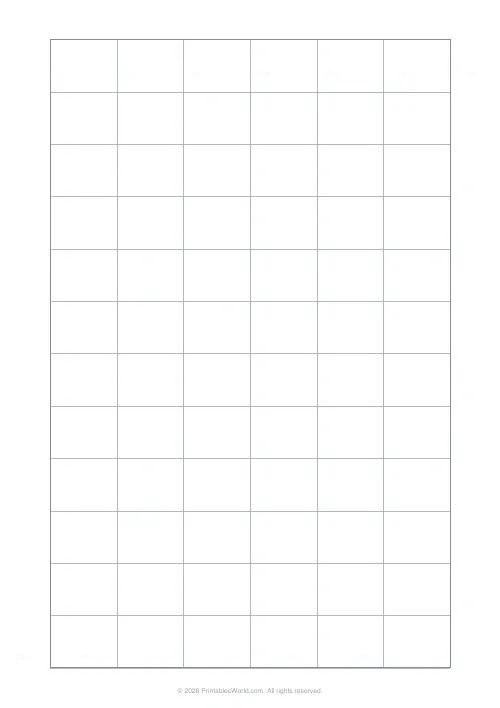
A full page of square cells, each carrying faint dashed guides that show a character's proportions. Twenty-two millimetres a side by default. Hide the outer borders if you want a cleaner sheet.
The three grids, and what each is for
Tian Zi Ge (田字格) draws a simple cross — one vertical and one horizontal midline. The name is the character 田, which is exactly what the cell looks like. The standard grid, and what Chinese primary schools use.
Mi Zi Ge (米字格) adds both diagonals on top of that cross, giving eight rays from the centre. Eight reference points instead of four, so any stroke running at an angle has something to align against, which is precisely what a beginner needs while they still cannot judge by eye where a diagonal ought to fall inside the square.
Hui Gong Ge (回宫格) drops the cross entirely and draws an inner box instead. That box marks where the body of the character should sit, and it is used for centring rather than for stroke placement.
Why characters need a grid at all
Because a Chinese character is not written along a line. It occupies a square. Every character fills the same square, whether it has two strokes or twenty-four.
That is the hard part for anyone arriving from an alphabet. 一 and 麟 take identical space on the page, so a character of many strokes has to be written compactly while one of two strokes has to be spread out to fill its square — and the guides are what turn that judgement from instinct into something a learner can actually see.
Choosing a cell size
Bigger than you think. Complex characters written small collapse into scribble, and a learner who cannot see their own errors cannot correct them.
Start large enough that a twenty-stroke character is comfortable, then come down as the shapes settle. Coming down is the point — real writing is small, and a learner who only ever practises at 30 mm has not finished.
Practising well
Stroke order matters, and it is not decorative. It affects the shape of the finished character, it is what makes handwriting legible at speed, and it is how a dictionary lookup by stroke count works. Learn it per character rather than guessing.
Broadly: top before bottom, left before right, horizontal before the vertical that crosses it, outside before inside. The box closes last.
A handful of repetitions each, not forty. Attention fades, and a page of increasingly careless copies teaches carelessness.
Also useful for
Japanese kanji, which occupy their squares the same way. Korean hanja. Brush calligraphy, where the guides matter more rather than less.
Print at 100% or the cells are not the size you asked for.
FAQs
Quick answers
What is a Tian Zi Ge grid?
Tian Zi Ge (田字格) means "field-character grid". Each square is divided by a vertical and horizontal midline into four quadrants, giving learners a reference for balancing the strokes and proportions of a Chinese character.
What is the difference between Tian Zi Ge and Mi Zi Ge?
Tian Zi Ge draws only the midline cross. Mi Zi Ge (米字格) adds both diagonals as well, creating eight guide rays from the centre. The diagonals help with diagonal strokes and symmetric characters.
What cell size should I choose?
Larger cells suit beginners forming each stroke slowly, while smaller cells fit more practice on a page for confident writers. The grid always fills the page, so the cell size simply changes how many squares appear.
Can I hide the dashed guide lines?
The guides are intentionally faint so your characters stand out, but you can switch the guide style or turn off the solid cell borders for a cleaner sheet. The grid still prints edge to edge on A4 or Letter.
Related tools
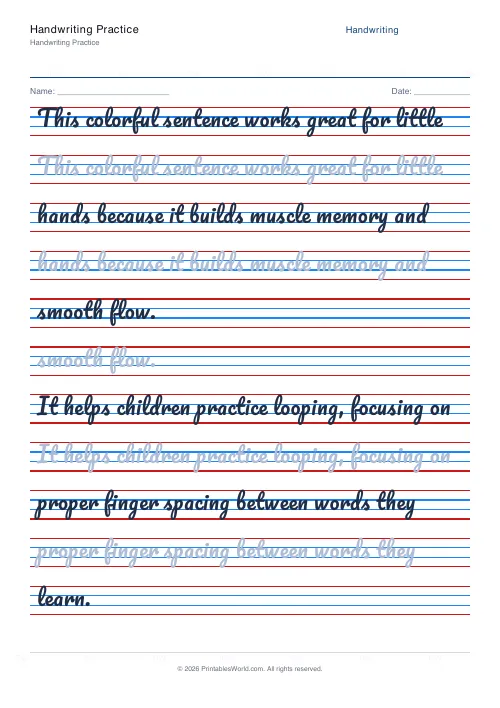
Handwriting Practice Generator
Create custom 4-line handwriting practice sheets with trace rows, adjustable guides, and your own text.
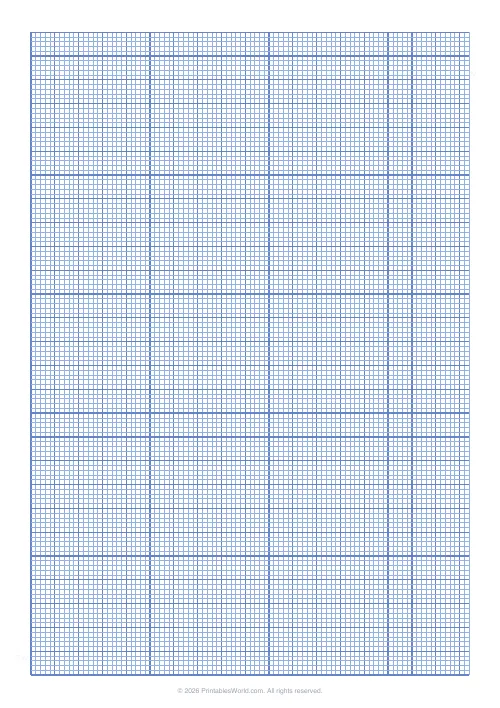
Graph Paper Generator
Create custom graph paper PDFs with square or rectangular grids, dot styles, and axis numbering.
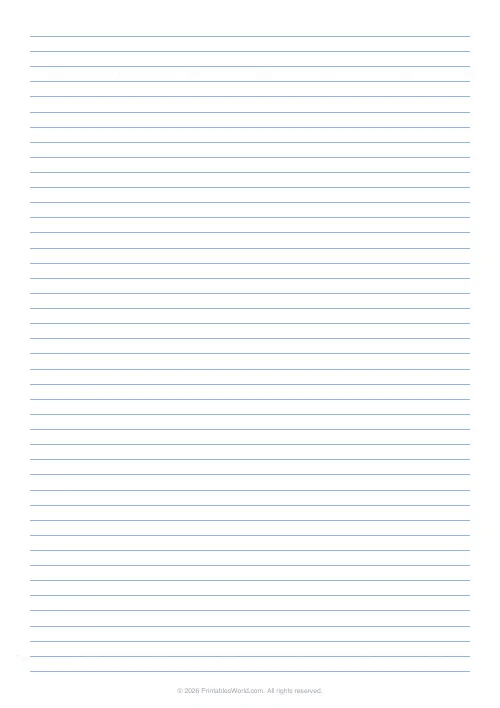
Lined Paper Generator
Generate custom ruled paper PDFs with adjustable line spacing, colours, margins, and primary ruling styles.
Calligraphy Practice Guide
Slanted lettering guide rows with baseline, x-height, ascender and descender lines.
Further reading
Printable Paper
Bullet journalling with dot grid paper: a starter guide
The bullet journal was designed to be fast, not beautiful. Here is the original system, why dot grid suits it better than lines or blank, and the four pages you actually need.
5 min read
Printable Paper
Graph paper sizes: which grid for which task
What graph paper sizes and grid spacings mean, how to match a grid to maths, art or design, and how to set it all in the free graph paper generator.
7 min read
Printable Paper
The best note-taking paper for students (Cornell, grid, lined)
The paper you take notes on quietly decides how you review them. Here is what each format is actually for, and which subjects each suits.
4 min read