What this tool does
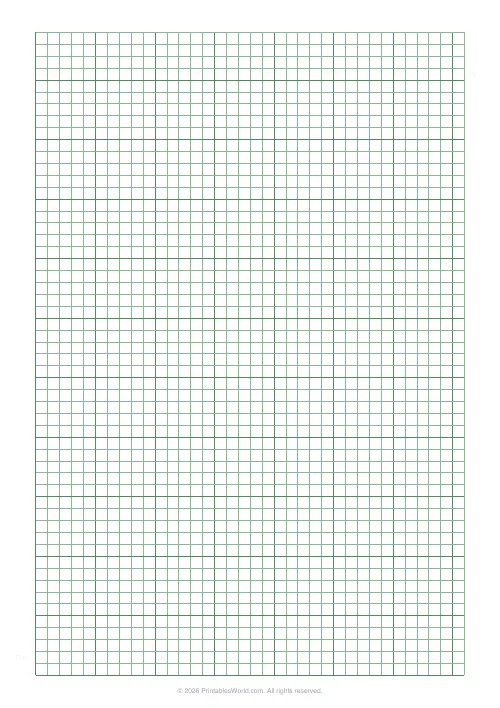
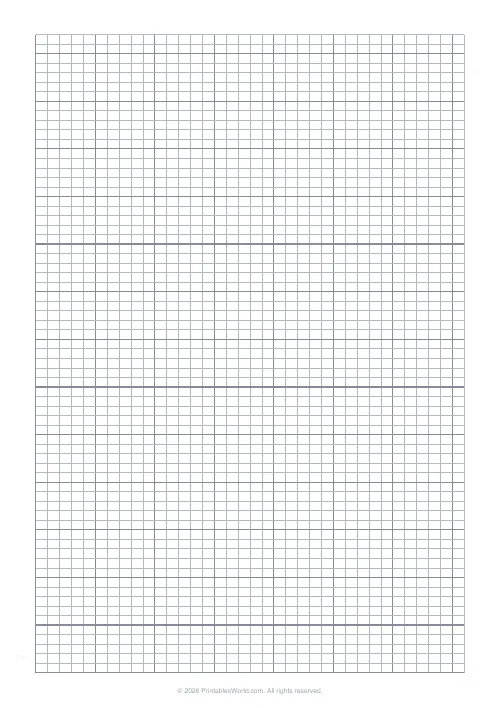
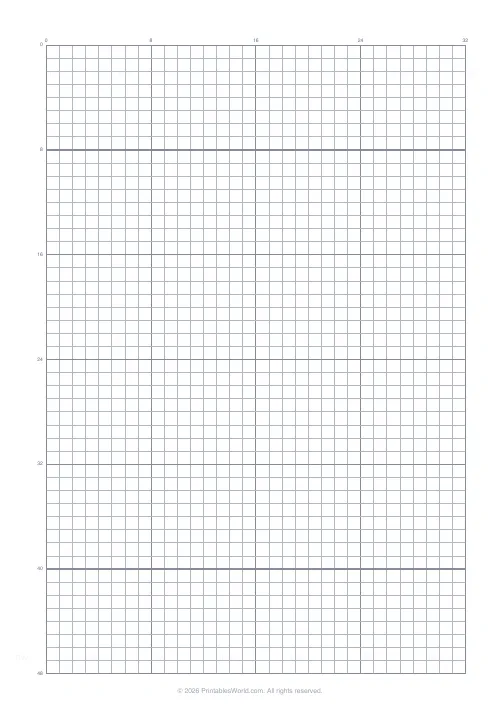
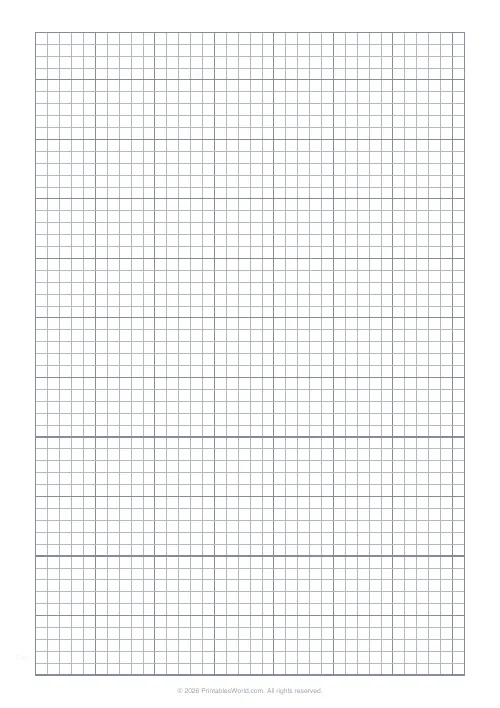
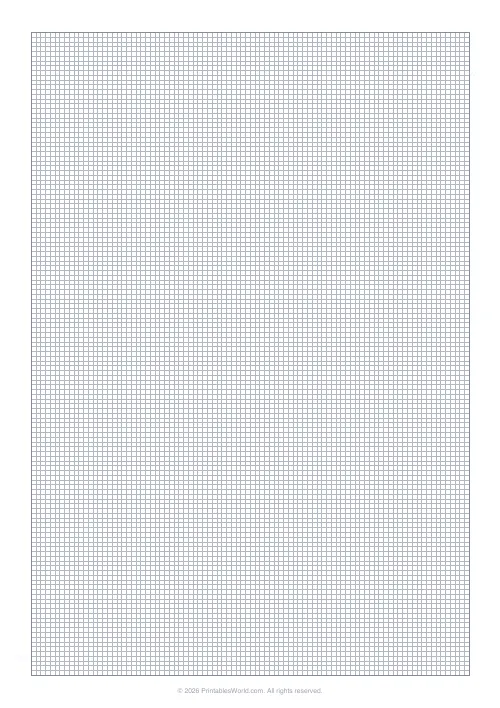
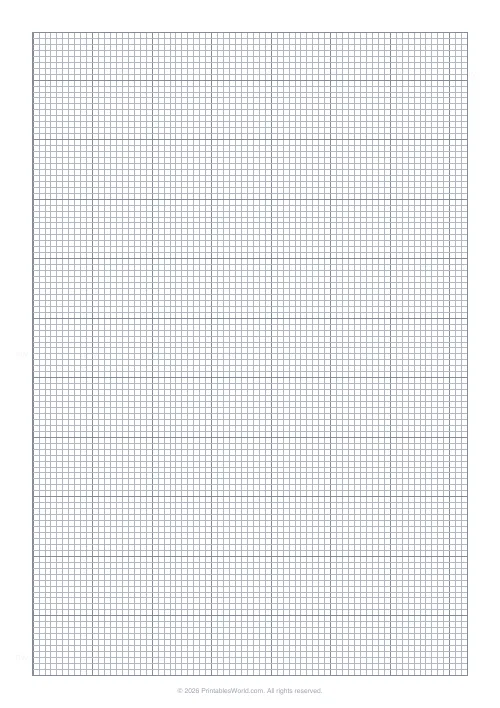
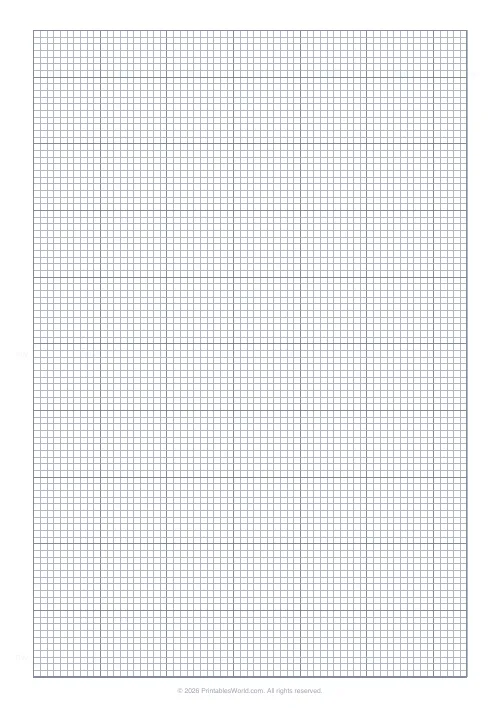
Diamond painting drills are 2.5 mm across (2.8 mm for square drills laid edge to edge), so a planning grid needs cells that size, not the 5 mm of ordinary graph paper. This sheet prints 2.5 mm cells with a heavier line every ten for counting, which is how the printed canvases are ruled.
People also used
Graph Paper Generator
Create custom graph paper PDFs with square or rectangular grids, dot styles, and axis numbering.
Perler / Fuse Bead Template Grid
Pegboard grid at a true 5mm pitch. One square per bead, matching Perler, Hama midi and Artkal midi boards.
Cross Stitch Grid
Square grid with every 10th line highlighted for charting cross stitch patterns.
Feedback
Spotted something off with this tool?
Why not ordinary graph paper
A diamond painting canvas is a grid of squares 2.5 mm across, one drill each, with a heavier rule every ten so you can count blocks instead of cells. Ordinary graph paper is 5 mm: draw a design on it and it comes out twice the size, and the counting rhythm is wrong. This grid is the canvas's own ruling on plain paper.
What people use it for
Planning a custom design before ordering a canvas: colour the cells and count them to size the drill order. Charting a small pattern to stick on a card or a keyring, where a bought canvas is too big. Recording a colour key for a kit whose chart has faded. And, on the other side of the hobby, laying out a mosaic of leftover drills in a frame.
Sizes
A4 gives a grid of roughly 76 by 108 cells, Letter 78 by 100. That is the size of a small canvas. The generator this page runs on also does 2.8 mm and any other cell size if you switch to the full graph paper page and set the cell in millimetres; the settings here are the standard round-drill spacing.
Related grids
The bead and cross-stitch grids on this site look similar but use their own spacings: 5 mm for fuse beads, 14-count or 18-count for cross-stitch. They are separate pages because the counts are different and mixing them up ruins a project.
FAQs
Quick answers
What is the cell size?
2.5 mm, matching round drills. For square drills laid tight, 2.8 mm is closer; set that on the graph paper generator page.
Why the bold line every ten?
It is how printed canvases are ruled, so you count in blocks of ten and can compare the plan with the canvas directly.
How many cells fit on a page?
About 76 across and 108 down on A4, 78 by 100 on Letter.
Can I change the colour of the lines?
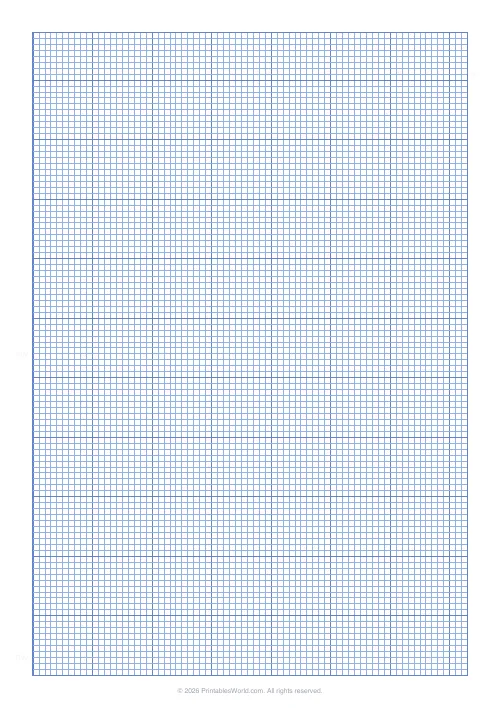
Grey, blue or green, and three line weights, from the settings on the page.
Is this the same as the bead grid?
No. Fuse beads are 5 mm and cross-stitch uses fabric counts; each has its own page with its own spacing.
Related tools
Graph Paper Generator
Create custom graph paper PDFs with square or rectangular grids, dot styles, and axis numbering.
Perler / Fuse Bead Template Grid
Pegboard grid at a true 5mm pitch. One square per bead, matching Perler, Hama midi and Artkal midi boards.
Cross Stitch Grid
Square grid with every 10th line highlighted for charting cross stitch patterns.
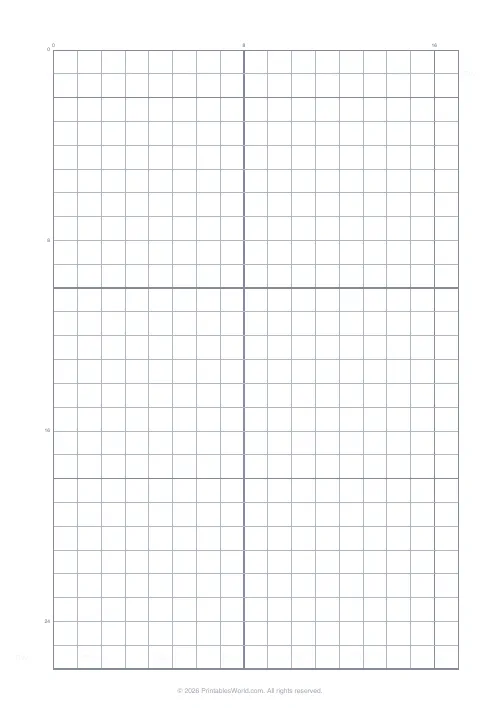
Pixel Art Grid: Small (16×16)
Compact 16×16 pixel grid with numbered axes for sprite design.
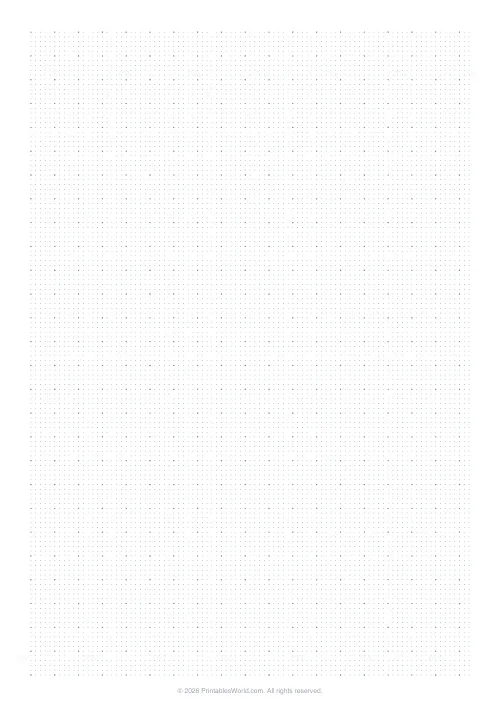
Dot Grid Paper
Subtle 5 mm dot grid. Perfect for bullet journalling and notes.
Further reading
Printable Paper
Graph paper sizes: which grid for which task
What graph paper sizes and grid spacings mean, how to match a grid to maths, art or design, and how to set it all in the free graph paper generator.
7 min read
Printable Paper
Bullet journalling with dot grid paper: a starter guide
The bullet journal was designed to be fast, not beautiful. Here is the original system, why dot grid suits it better than lines or blank, and the four pages you actually need.
5 min read
Printable Paper
The best note-taking paper for students (Cornell, grid, lined)
The paper you take notes on quietly decides how you review them. Here is what each format is actually for, and which subjects each suits.
4 min read