What this tool does
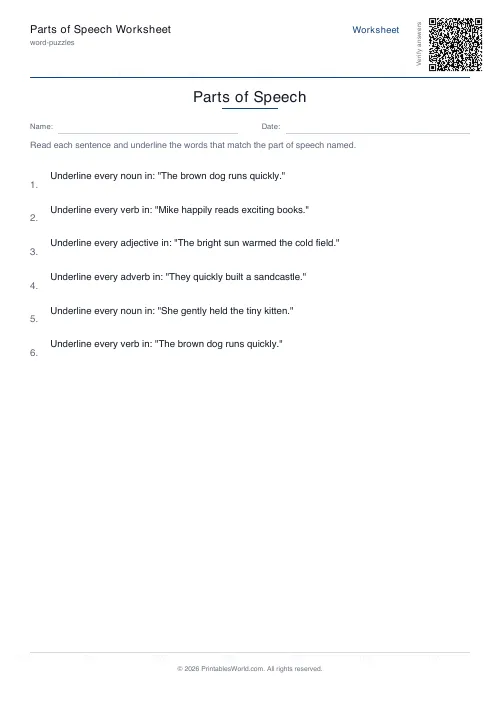
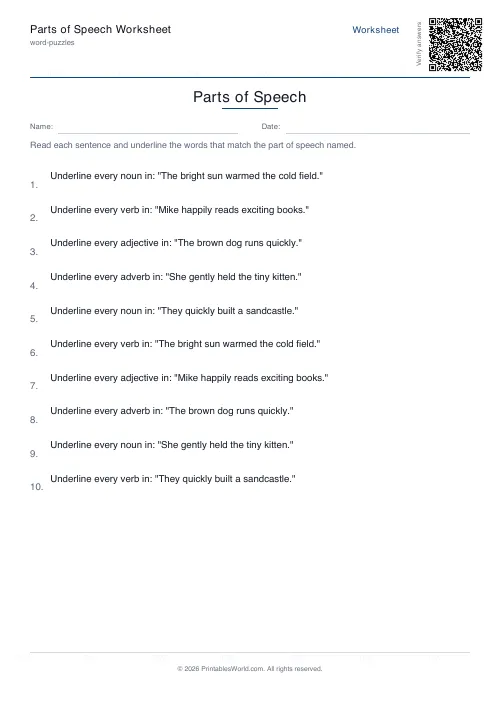
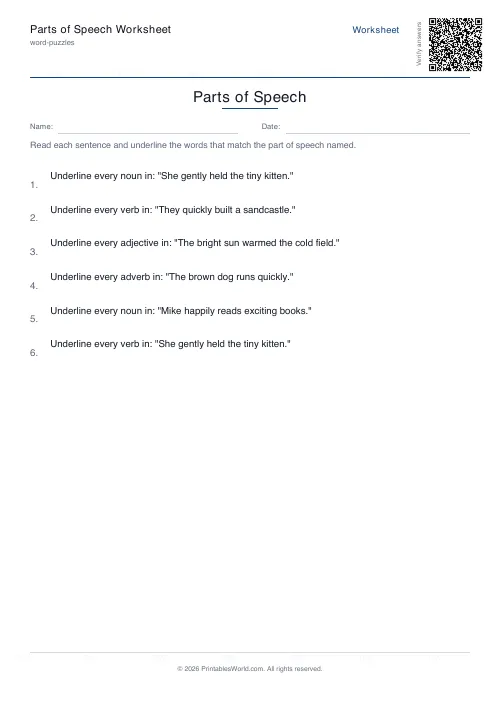
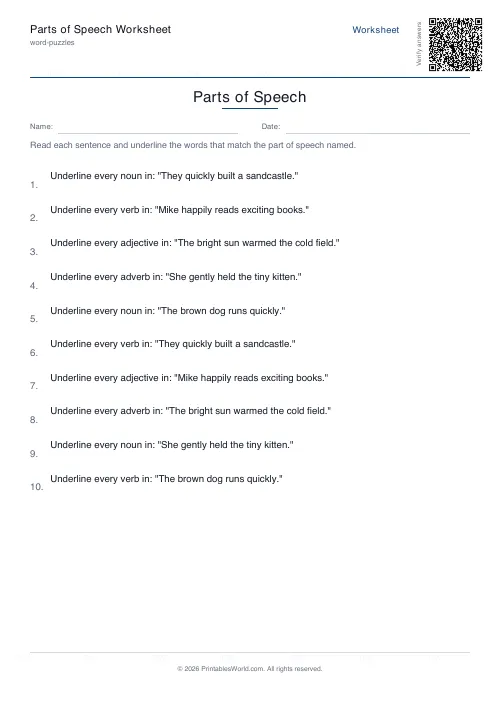
Each row prints a short sentence and names one part of speech to underline: noun, verb, adjective or adverb. Four to ten rows a sheet, and the answer key lists the words for each.
People also used
Feedback
Spotted something off with this tool?
Underline the nouns. Then the verbs. Then the adverbs.
Each row gives a sentence and names one part of speech. The child underlines every word in that sentence which fits. Four to ten rows a page, and an answer key listing the words for each row.
Twelve sentences in the bank, and the four targets rotate through them, so a sheet asks about nouns, then verbs, then adjectives, then adverbs, then round again on a different sentence.
Underlining rather than labelling
The usual version of this exercise asks a child to write "noun" or "adjective" above each word, which tests two things at once: whether they can spot the word, and whether they can remember which label goes with it.
Underlining separates those. A child who underlines quickly when asked for adverbs has demonstrated the concept, whether or not they could have produced the word "adverb" unprompted. That is the harder half and the half worth checking first.
The label comes later, and it comes more easily once the category is solid.
Every row has at least one answer
Sentences are matched to the target part of speech, so a row never asks for an adverb in a sentence that has none.
That sounds like a small thing. It is not: an empty answer reads to a child as a question they failed rather than a question with nothing in it, and one of those on a sheet undermines their confidence in the other nine.
What each part of speech tends to catch
Nouns are the easiest and still trip people up on abstractions. Night in "the baby cried loudly last night" is a noun, and a child taught that nouns are people, places and things will hesitate over it.
Verbs are straightforward when they are actions and much less so when they are not. Most sentences here use plain action verbs on purpose.
Adjectives catch out the possessives. In "our teacher carefully marked the long essay", our is doing an adjective's job, and hardly anybody underlines it.
Adverbs are where the -ly rule shows its limits. Suddenly and quietly are easy; away in "flew away" is an adverb with no -ly at all, and finding it is the point of including it.
Controls and printing
Rows from 4 to 10, a worksheet title, an instruction line you can rewrite, optional Name and Date fields, and the answer key on or off. A4 or US Letter.
Marking
Count the misses separately from the false positives. A child who underlines four of five nouns has a gap in one category; a child who underlines nine words when there were five has not yet got the category at all, and the two need different lessons even though both score 4 out of 5 on a naive count.
Print at 100% on A4 or US Letter.
FAQs
Quick answers
Which parts of speech are covered?
Nouns, verbs, adjectives, and adverbs. The engine cycles through these so each worksheet covers a balanced mix.
How many sentences per page?
Four to ten sentences per sheet. Eight is the comfortable default.
Is there an answer key?
Yes. Toggle the answer-key option for a second page that lists the matching words for each sentence.
Can I add my own sentences?
Not yet. The engine ships with a small curated bank of sentences with pre-tagged words to keep the answer key reliable.
Related tools
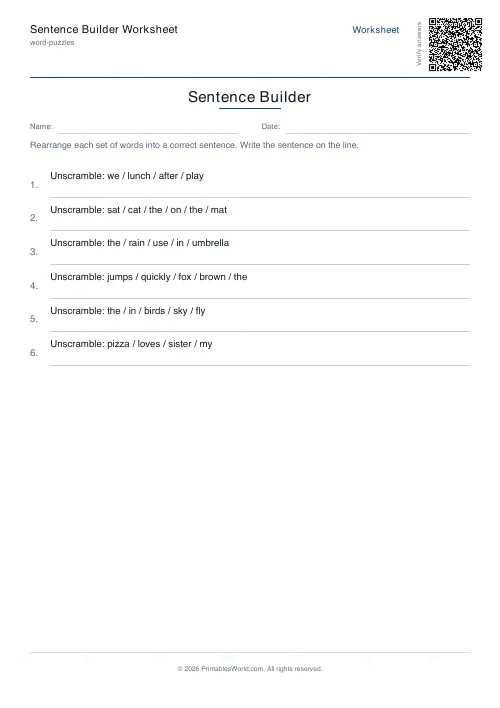
Sentence Builder Worksheet
Unscramble the words to build a correct sentence.
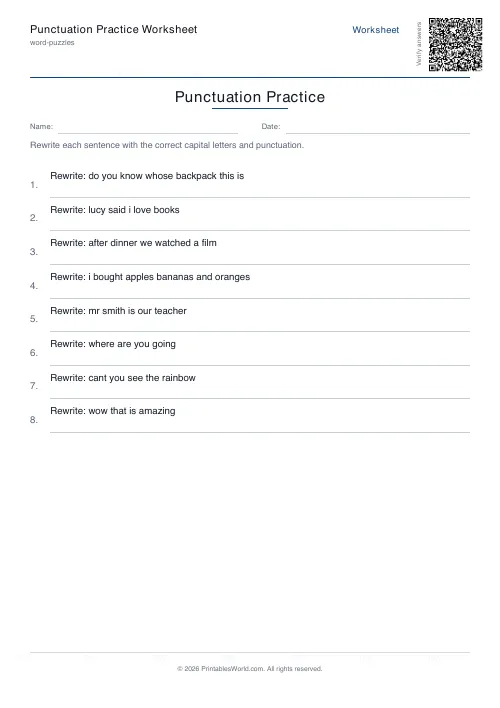
Punctuation Practice Worksheet
Add the missing capitals, full stops, commas and apostrophes.
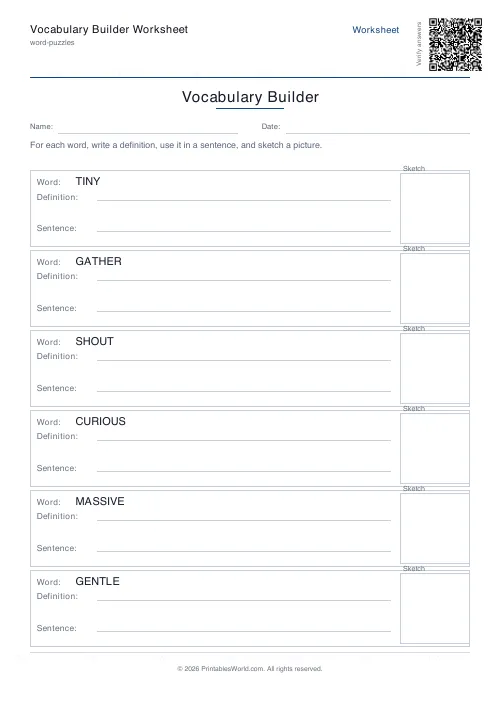
Vocabulary Builder Worksheet
Define, use in a sentence, and sketch. One word at a time.
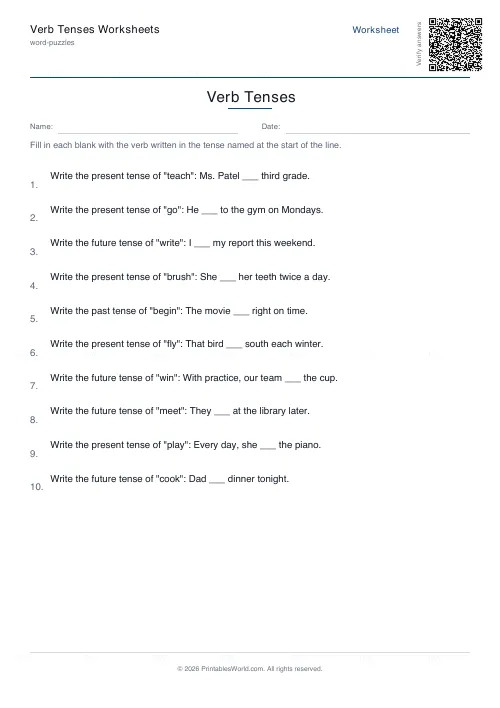
Verb Tenses Worksheets
Practise changing verbs into the past, present, or future tense.
Further reading
More like this
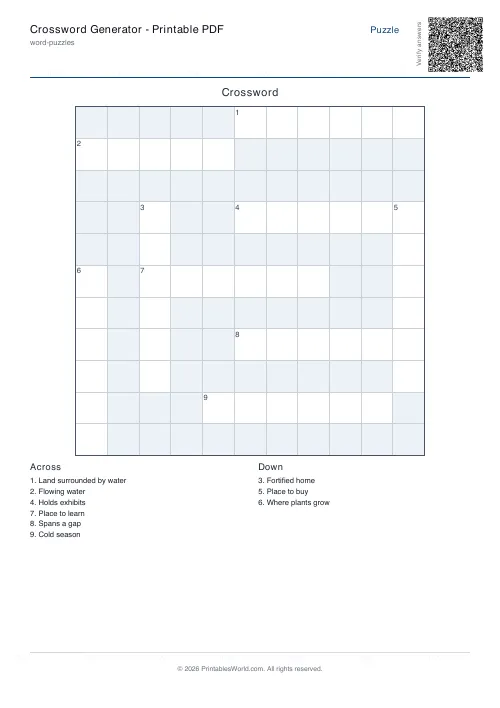 Crossword Generator: Printable PDF
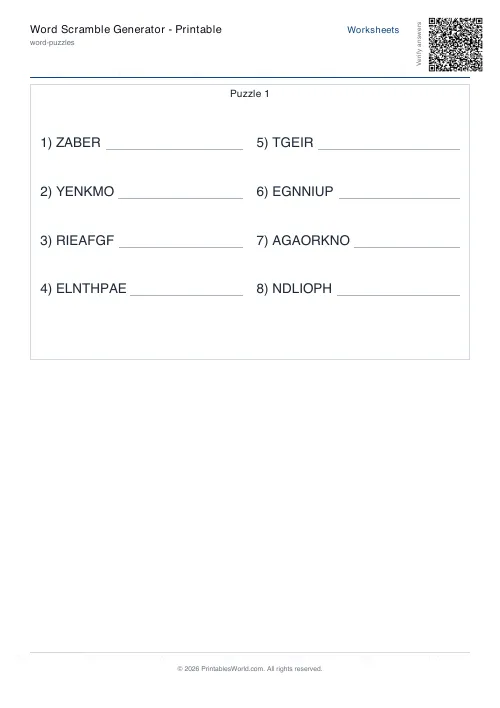 Word Scramble Generator: Printable
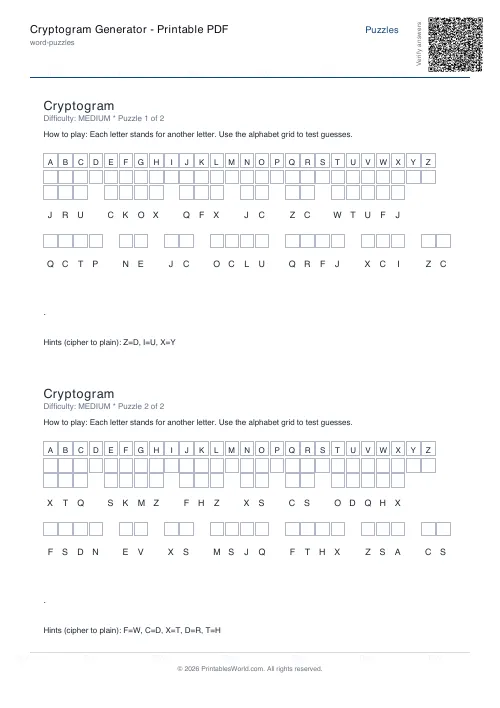 Cryptogram Generator: Printable PDF
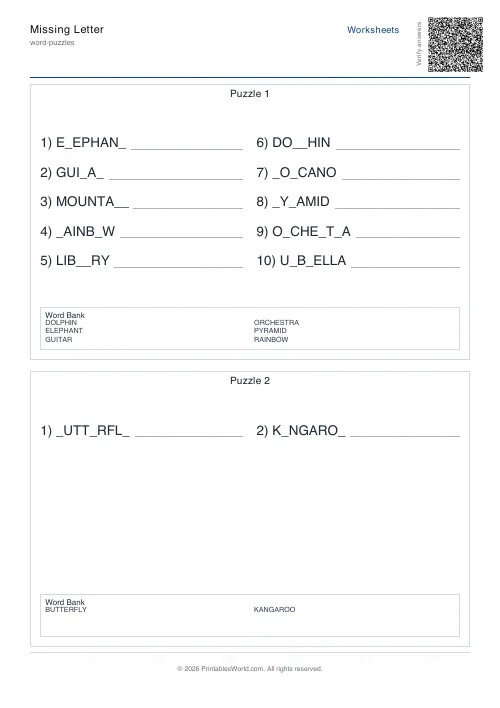 Missing Letter Generator
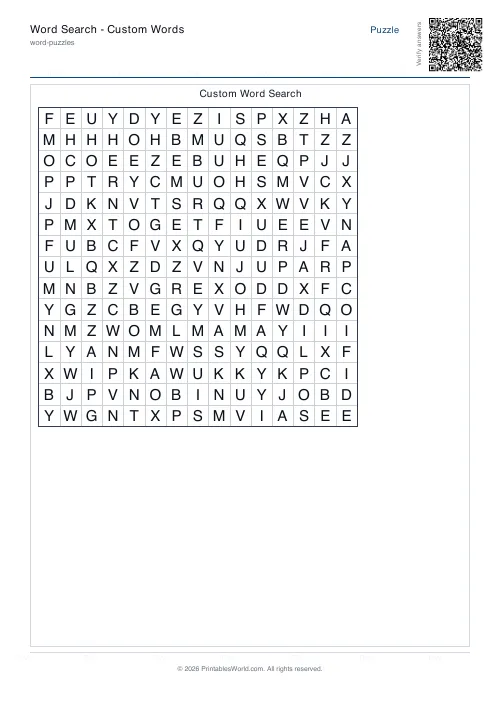 Word Search: Custom Words
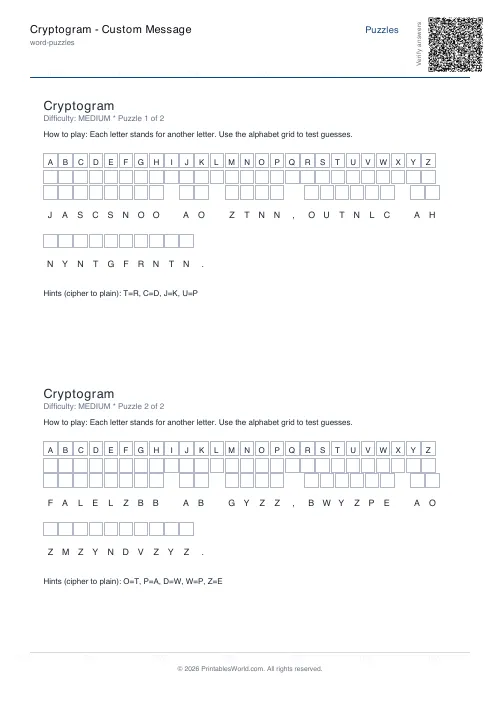 Cryptogram: Custom Message
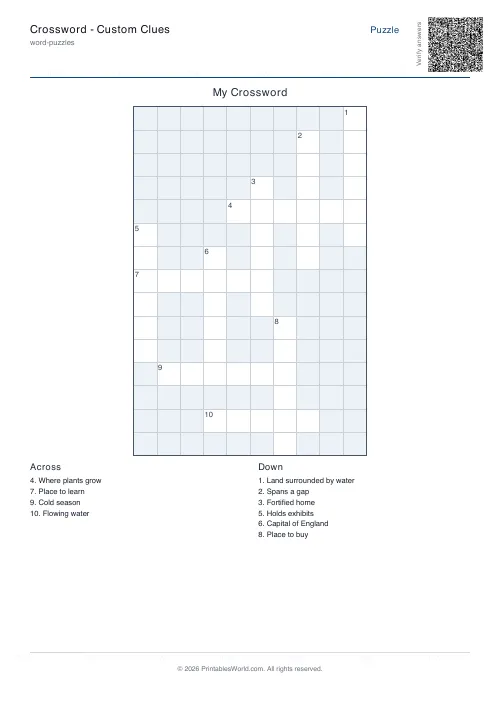 Crossword: Custom Clues
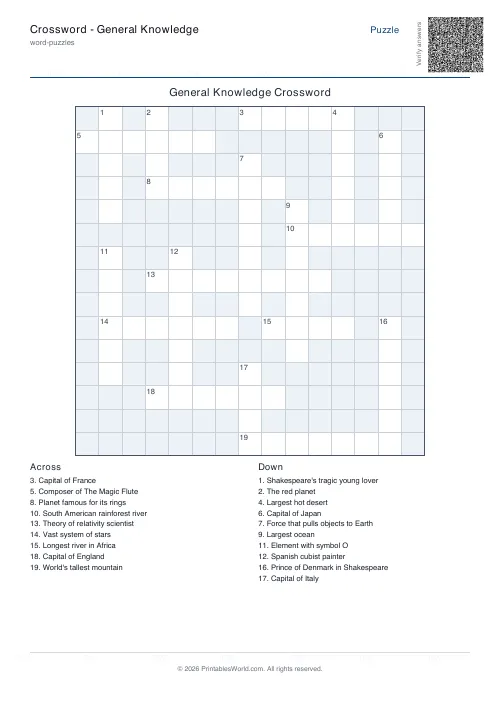 Crossword: General Knowledge
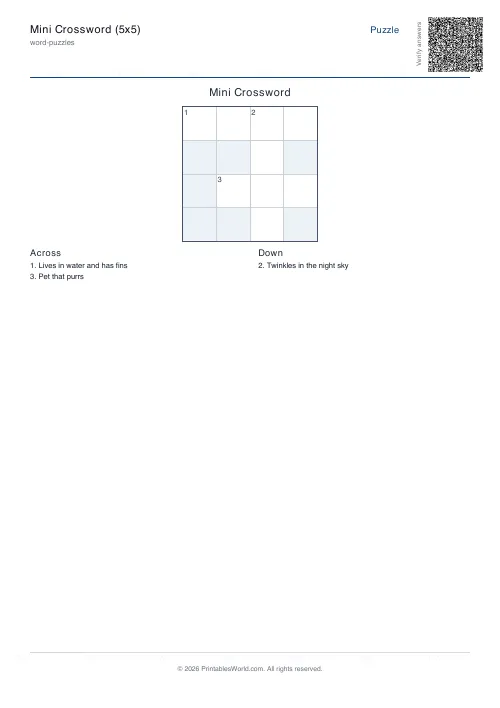 Mini Crossword
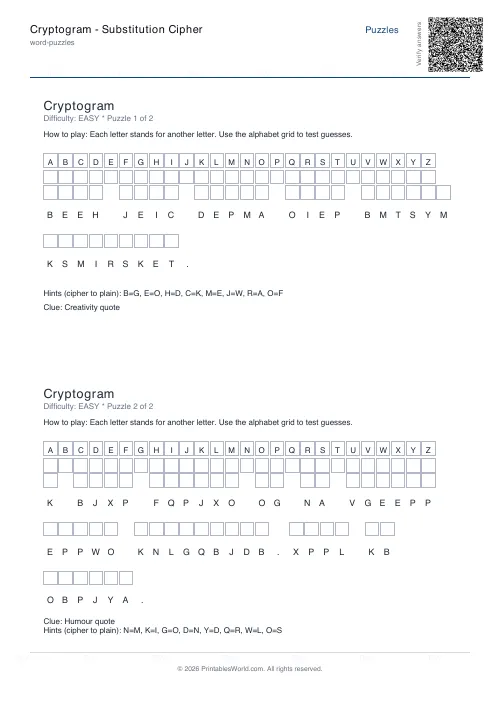 Cryptogram: Substitution Cipher
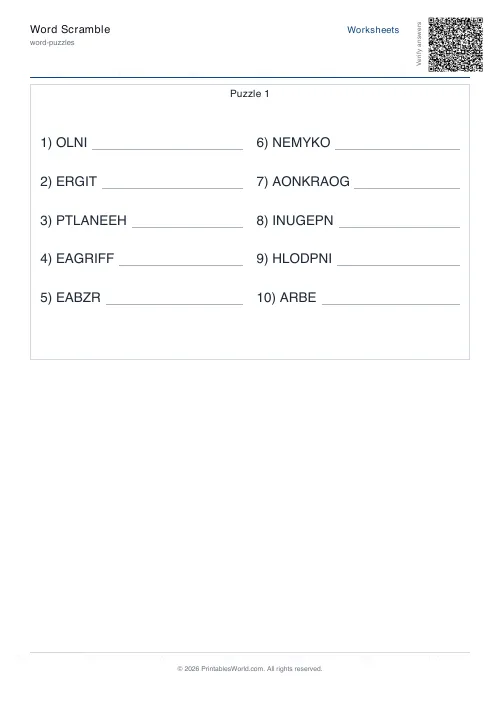 Word Scramble Generator
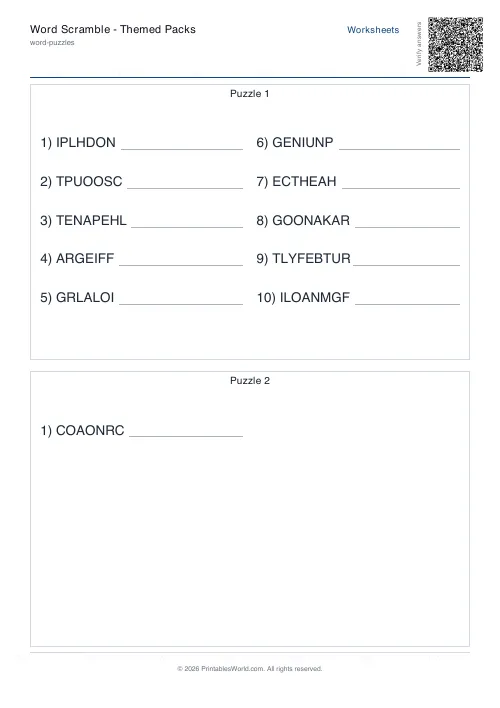 Word Scramble: Themed Packs
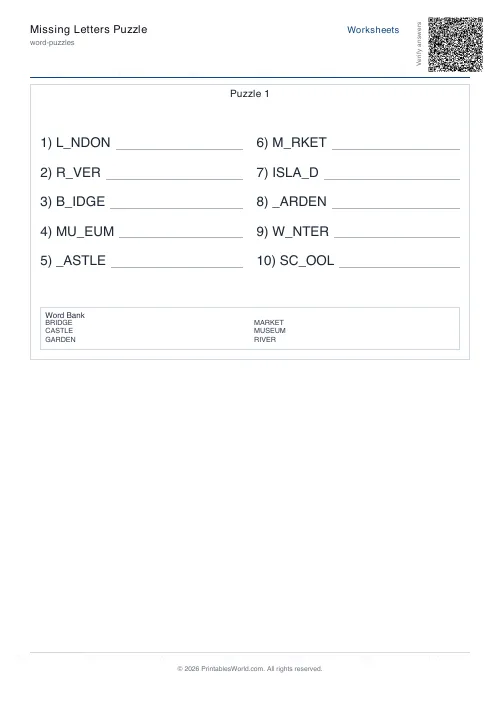 Missing Letters Puzzle
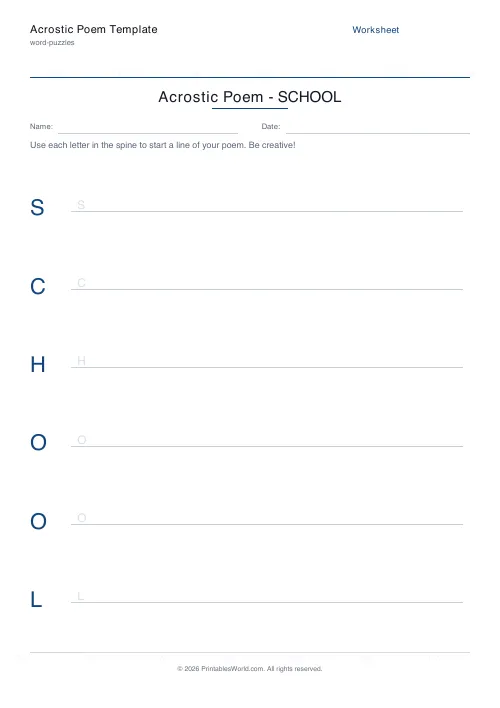 Acrostic Poem Template