What this tool does
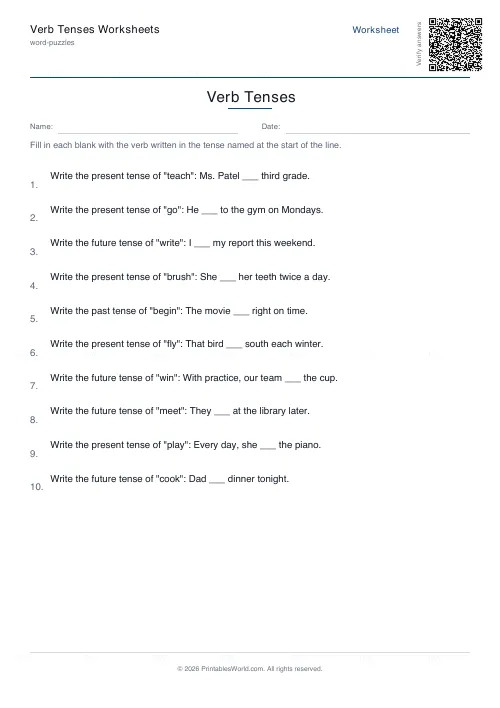
Verb tense practice from a 48-item bank: a base verb, a sentence with a gap, and a target tense to write it in. Drill one tense or mix all three; 6 to 12 items, with an answer key.
People also used
Feedback
Spotted something off with this tool?
How a question looks
You are given the base verb and a sentence with a blank in it. "Yesterday we ___ to the museum. (go)" wants went.
Pick a single tense — past, or present, or future — to drill it, or choose mixed and get all three jumbled together. Six to twelve items a sheet, and an answer key if you want one.
The bank is fixed and it is checked
Forty-eight sentences, sixteen per tense. Written by hand and checked, rather than generated.
That is a deliberate limit. English conjugation is riddled with irregulars, and an algorithm that adds "-ed" produces catched and swimmed on a worksheet a child will believe. A curated bank cannot do that. What it does mean is that a pupil working through many sheets will start seeing repeats, which is fine for practice and not much use as a test.
Irregulars are the point
The past-tense set leans on them heavily: went, ate, ran, saw, wrote, took, bought, brought, swam, sang, drank, began, caught, taught, built.
These are the verbs children get wrong, and they get them wrong in an interesting way. A child who says "I goed" has learnt the rule and is applying it correctly to a word that does not follow it — a sign of progress rather than of ignorance. It is fixed by exposure, one verb at a time, which is exactly what a worksheet is good for.
Context, not conjugation tables
Each item is a sentence rather than a bare verb, and that changes the task.
Reciting "go, went, gone" is memorisation, and it transfers to writing far less reliably than teachers hope. Filling a gap in a sentence requires reading the sentence, noticing the time marker — yesterday, tomorrow, every day — and choosing accordingly, which is the skill actually needed when composing.
Using the mixed mode
Teach one tense at a time, then mix.
Single-tense sheets build the form. Mixed sheets test whether the pupil can spot which tense is called for, and a child who is fluent on the past sheet and lost on the mixed one has learnt the conjugation without learning when to use it — which is worth finding out.
Who it suits
Primary and lower-secondary English, roughly ages seven to eleven, and English-as-an-additional-language learners of any age, for whom the irregular list is the hardest single piece of the language.
Related: parts of speech for identifying verbs in the first place, and sentence building for putting them to work.
FAQs
Quick answers
What are the three main verb tenses?
Past (something already happened, e.g. she walked), present (something happening now or regularly, e.g. she walks), and future (something that will happen, e.g. she will walk).
Does the worksheet include irregular verbs?
Yes. The past-tense items mix regular verbs with common irregulars such as go/went, eat/ate, buy/bought and bring/brought.
Can I focus on just one tense?
Yes. Pick past only, present only, or future only, or choose Mixed to practise all three on the same page.
How does the mixed mode tell students which tense to use?
In mixed mode every line names the target tense at the start, so students always know whether to write the past, present, or future form.
How many verbs fit on one page?
You can print six to twelve verbs, and up to twelve sit comfortably on a single A4 or US Letter sheet.
Is an answer key included?
Yes. Toggle the answer-key option to add a second page listing the correct verb form for every item.
Which grades or year groups is this for?
It suits primary and lower-secondary learners working on tense accuracy, and it is handy for homeschool grammar and tutoring.
Related tools
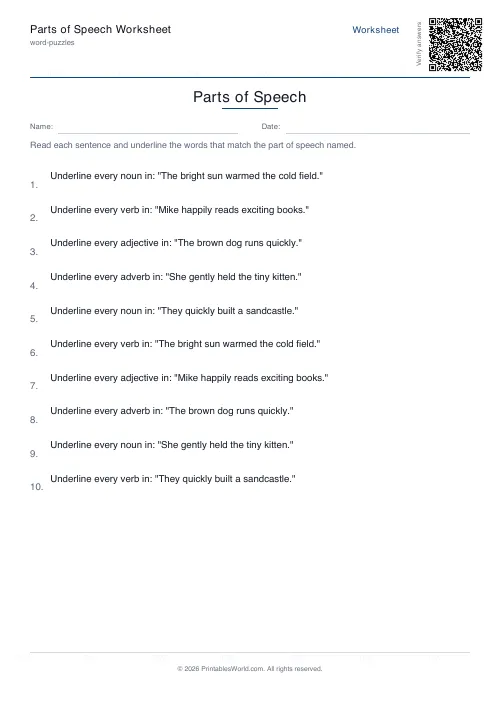
Parts of Speech Worksheet
Spot the nouns, verbs, adjectives and adverbs in each sentence.
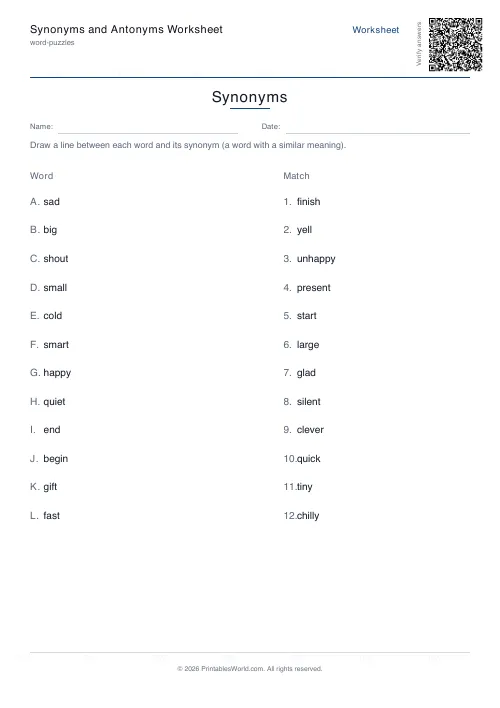
Synonyms and Antonyms Worksheet
Match each word with a synonym, an antonym, or a mix of both.
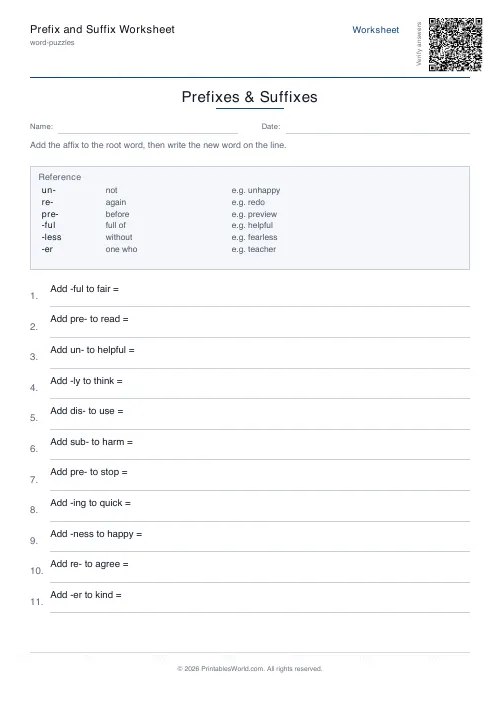
Prefix and Suffix Worksheet
Build new words by adding common prefixes and suffixes.
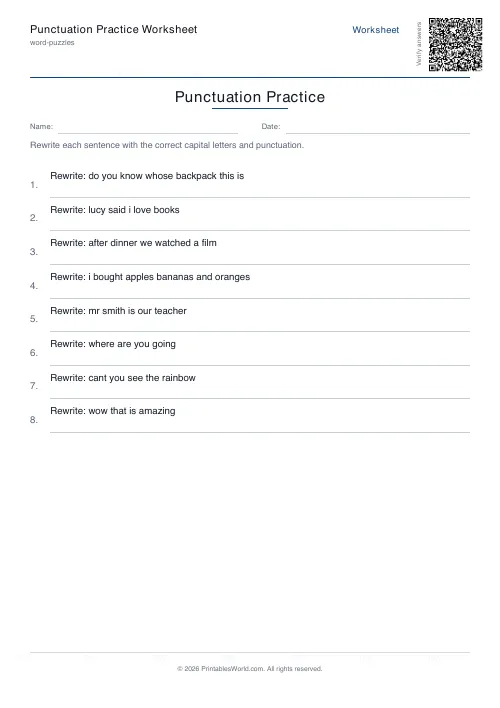
Punctuation Practice Worksheet
Add the missing capitals, full stops, commas and apostrophes.
Further reading
More like this
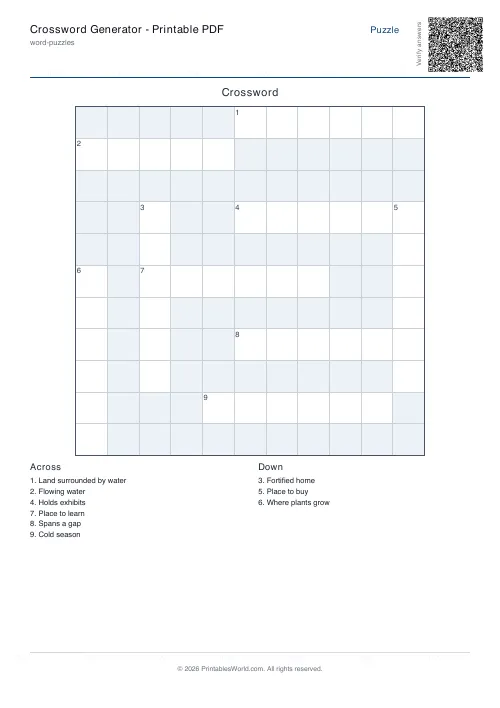 Crossword Generator: Printable PDF
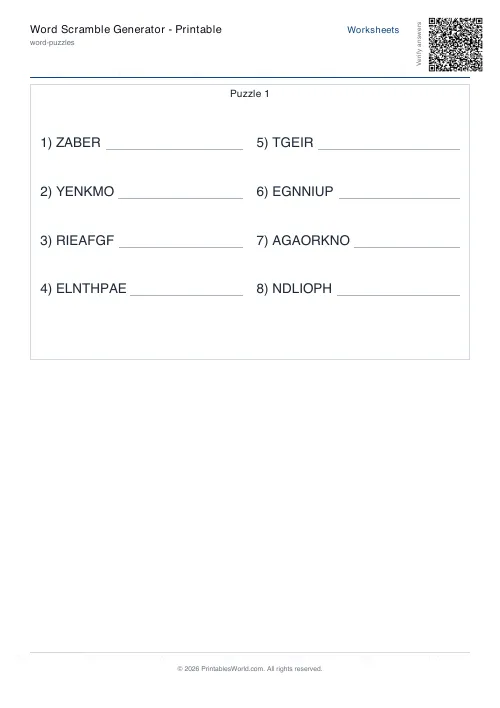 Word Scramble Generator: Printable
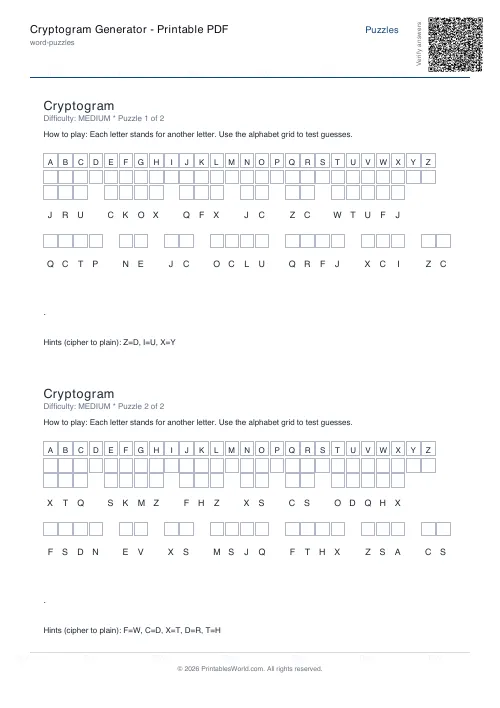 Cryptogram Generator: Printable PDF
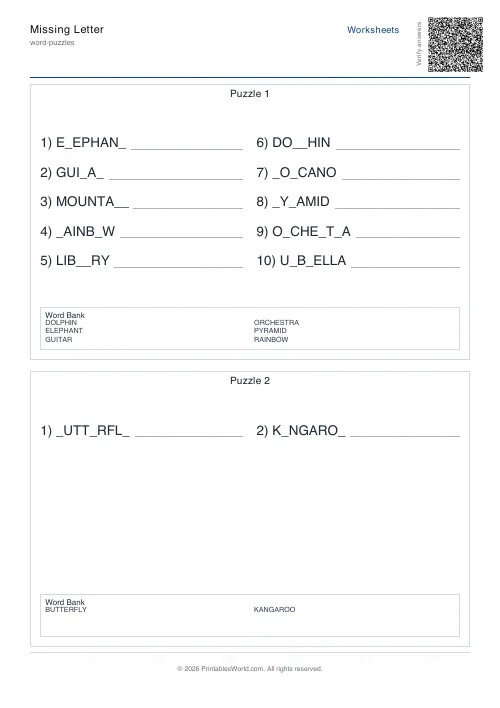 Missing Letter Generator
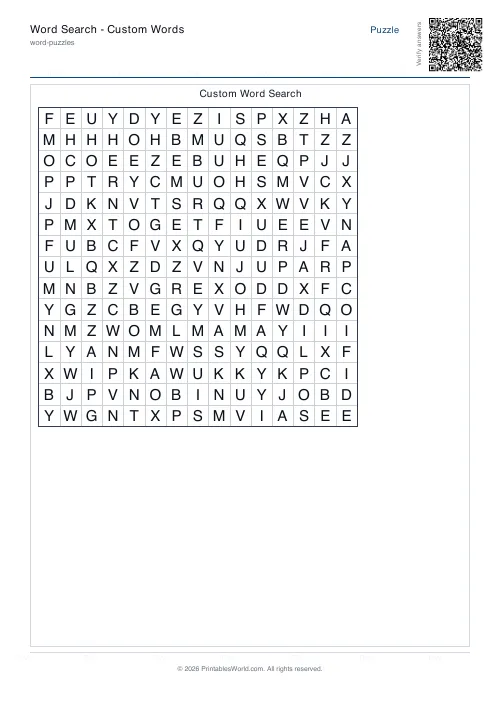 Word Search: Custom Words
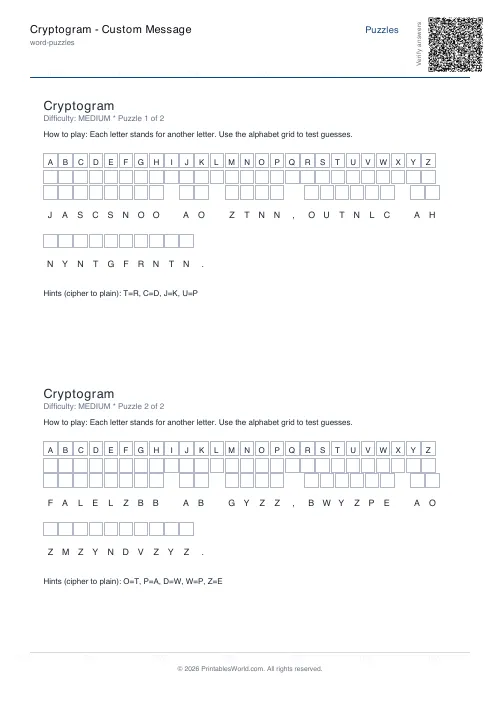 Cryptogram: Custom Message
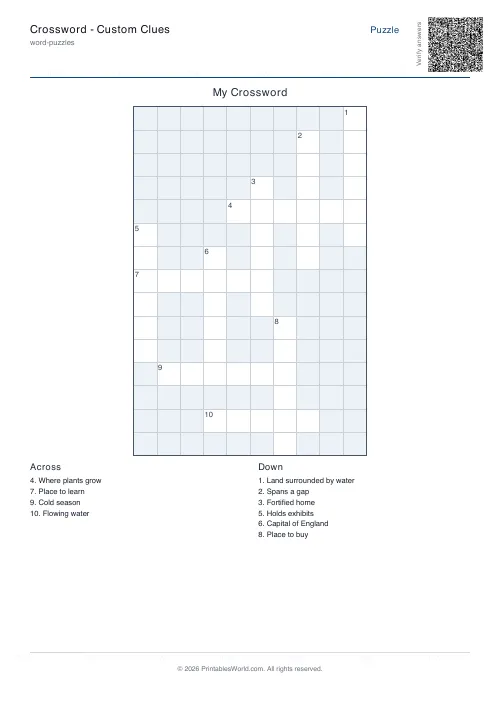 Crossword: Custom Clues
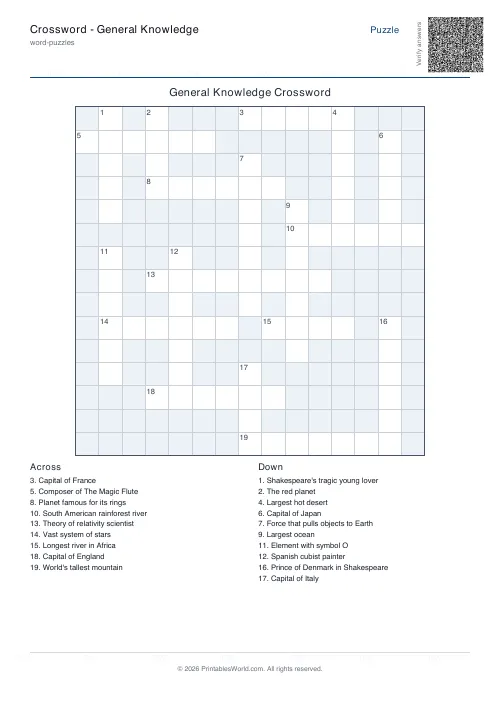 Crossword: General Knowledge
 Mini Crossword
 Cryptogram: Substitution Cipher
 Word Scramble Generator
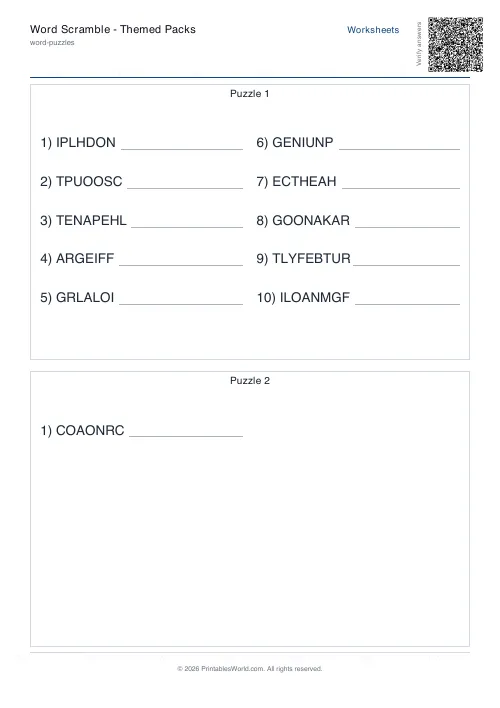 Word Scramble: Themed Packs
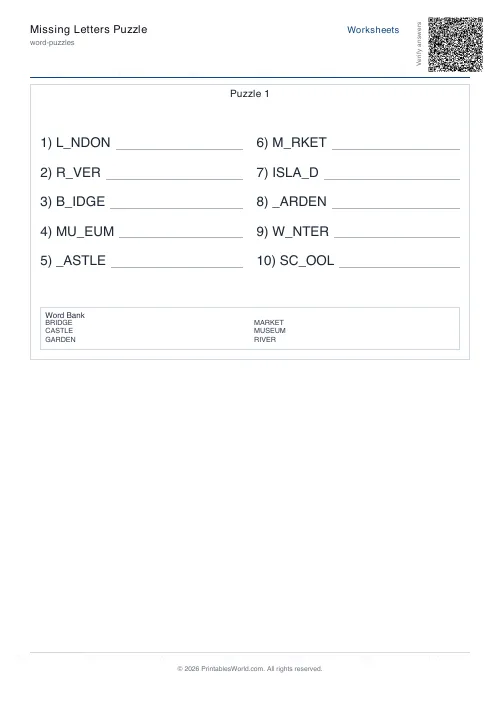 Missing Letters Puzzle
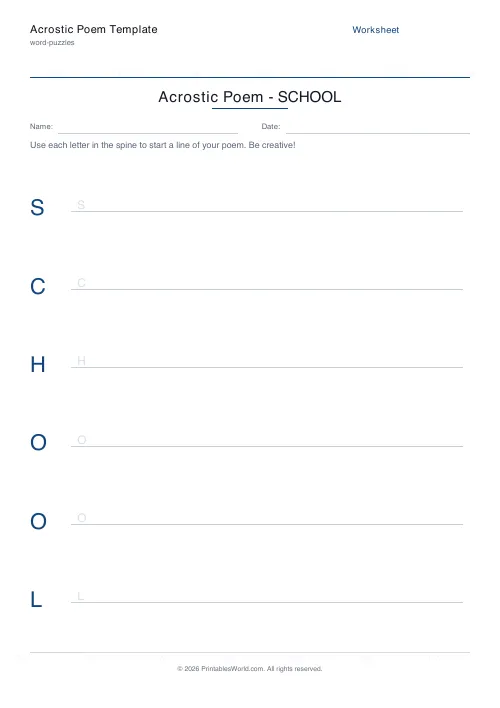 Acrostic Poem Template