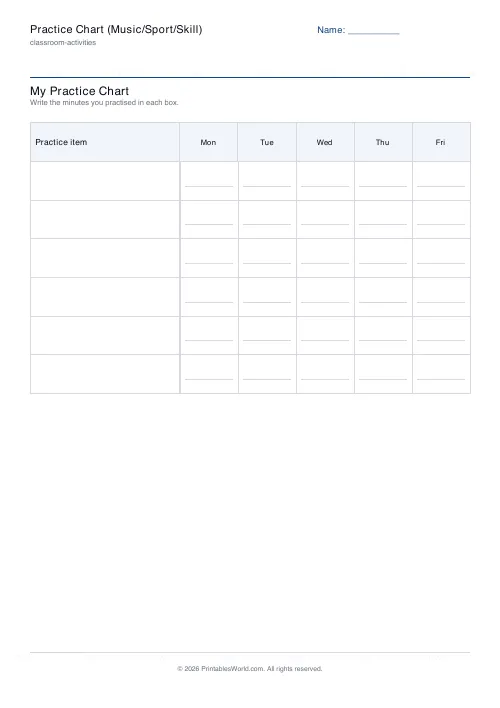
What this tool does
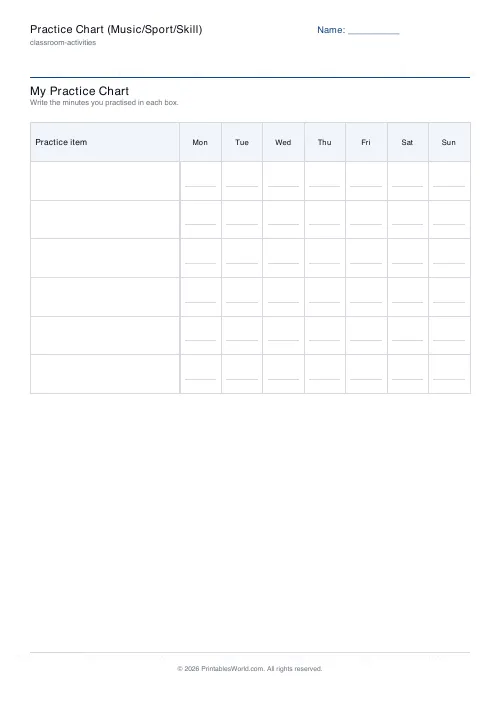
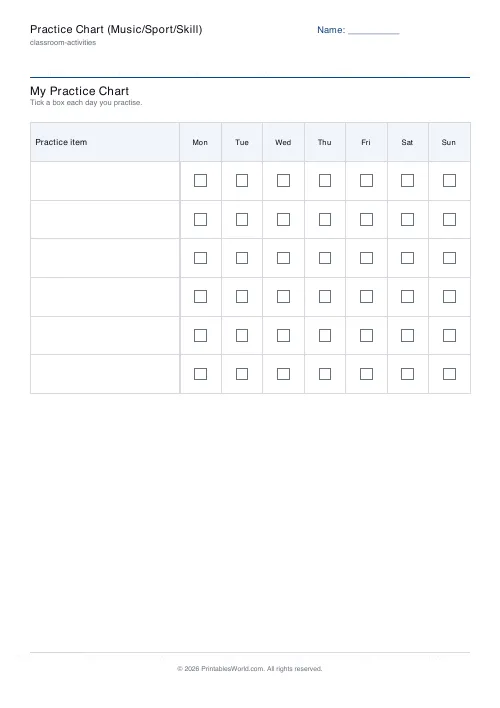
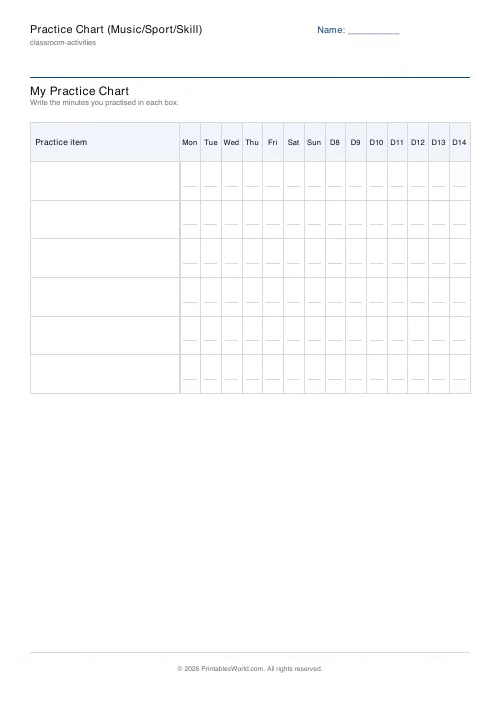
A practice grid: your list of things to work on down the side, 5 to 14 days across the top, and a box for each. Write the minutes in each box, or switch to ticks.
People also used
Feedback
Spotted something off with this tool?
What to practise down the side, days across the top
Four to twelve items in the left column — scales, a piece, a specific passage, whatever is being worked on — and five to fourteen day columns across. One box per item per day.
With minutes on, the sheet asks for the number of minutes in each box. Switch it off and it becomes a tick chart, which is the version for a young child.
The item list is what makes it a practice chart
A blank log records that practice happened. This records what was practised, and the difference is most of the value.
Twenty minutes playing a piece from the top until it goes wrong, then starting again, is twenty minutes of practising the first eight bars. Twenty minutes on the four bars that keep failing is a different activity with a different outcome. Naming the items in advance is what steers a child towards the second, because the row is sitting there waiting to be filled in.
Write specific rows. "Bars 17–20, hands separate" beats "the piece", and it removes the decision that stops most practice sessions before they start.
Minutes or ticks
Minutes suit anybody old enough to watch a clock, and they give you something to look at over a fortnight.
Ticks suit a five-year-old, for whom writing 15 in a box is a bigger obstacle than the practising. A tick is also more forgiving — three minutes counts, which is the right message early on.
Look at the blanks, not the total
Six days of fifteen minutes will beat one session of ninety, and the grid shows which of those happened.
Skill consolidates between sessions rather than during them, and sleep does a real part of that work, so six nights is not equivalent to one however the totals compare. Count the non-blank columns first; the sum of the minutes is the less interesting number.
Not only for instruments
Anything practised in small regular amounts. A language. Handwriting. Times tables. A sport. Physiotherapy exercises, where adherence to a home programme is famously poor for precisely the reason this sheet addresses — nobody remembers whether they did Tuesday's set, so it is easy to believe they did.
Fourteen day columns turns it into a fortnight, which suits a physio programme better than a music week.
Sizing it
A title, the student's name, the item list, item count (4–12), days (5–14), and minutes or ticks. A4 or US Letter.
Keep it where the instrument is rather than on a desk, and fill it in immediately after practising. A chart completed at bedtime from memory has gone back to being an estimate, which is the thing it was printed to replace.
Print at 100%.
FAQs
Quick answers
Can I use this for sport as well as music?
Yes. Rename the title and items for anything you practise. Music pieces, sport drills, languages, typing, drawing. The grid works for any daily skill.
Do I have to log minutes?
No. Keep the minutes write-in line on to record how long each session lasted, or uncheck it to get a simple tick box in every cell for a quick did-it-today chart.
How many days can I track on one sheet?
Between 5 and 14 days. Days 1–7 are labelled Mon to Sun; longer streaks are numbered Day 8 onward. Fourteen days is the widest that stays comfortably writeable.
Can I print a blank chart and fill it in by hand?
Yes. Leave the items list blank and the rows print empty, ready to write in. Handy if your routine changes from week to week.
Related tools
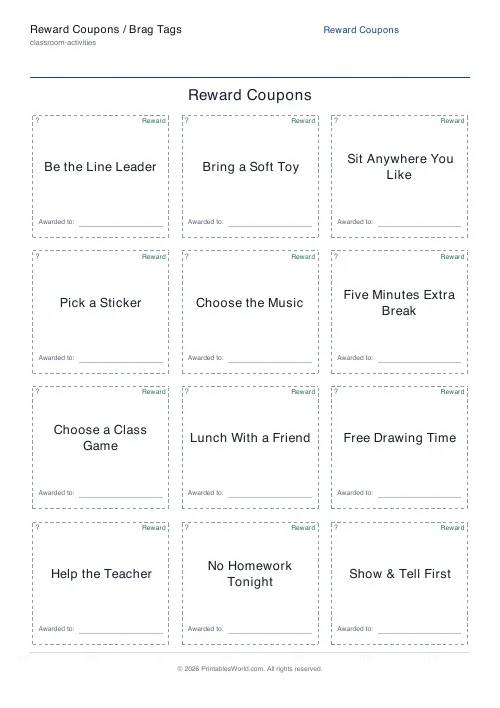
Reward Coupons / Brag Tags
Print a sheet of cut-out reward coupons and brag tags.
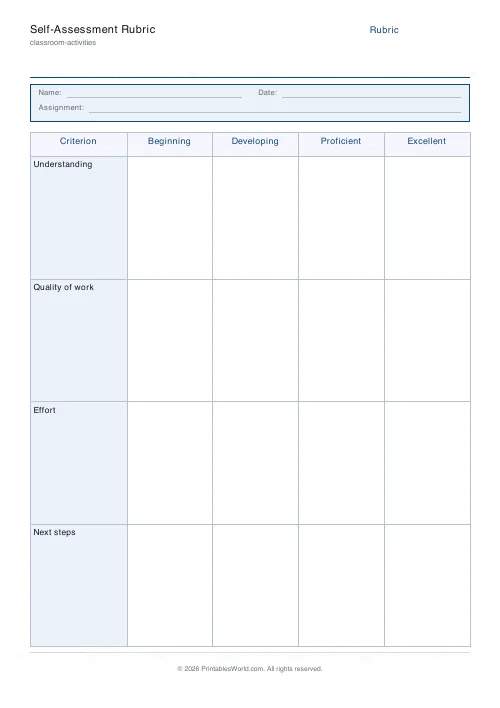
Self-Assessment Rubric
Four criteria, four levels. A printable rubric students fill in themselves.
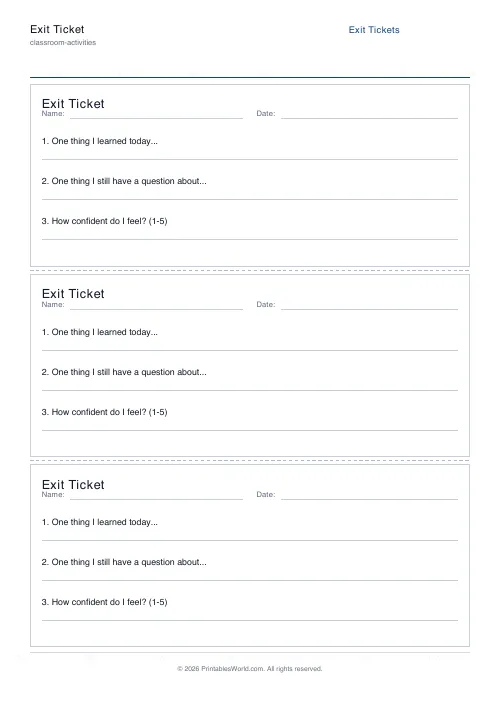
Exit Ticket Generator
Three exit tickets per A4 page for quick end-of-lesson reflection.
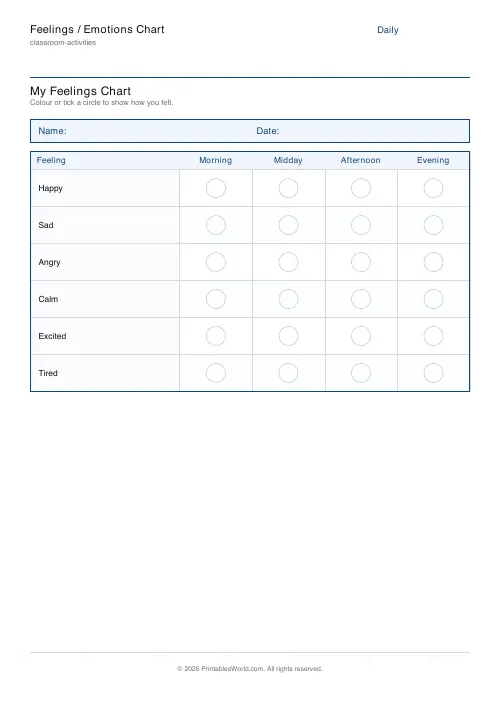
Feelings / Emotions Chart
Printable daily or weekly feelings chart for children. Emotions down the side, days or time slots across the top, a circle in every cell to colour or tick.
Further reading
Classroom Activities
Positive reinforcement in the classroom: charts that work
Reward charts work when they name a specific behaviour and fade over time. They backfire when they rank children publicly. Here is the difference in practice.
5 min read
Classroom Activities
Bingo in the classroom: 10 subjects, one game
Bingo works in almost every subject because the mechanic never changes. Only the call does. Ten variations, and the one rule that turns it from a filler into retrieval practice.
4 min read
Classroom Activities
Back-to-school printables every teacher needs
Sorted by when you will actually need them: the two things to print before the children arrive, the week-one set, and the routines worth establishing while everyone is still compliant.
5 min read