What this tool does
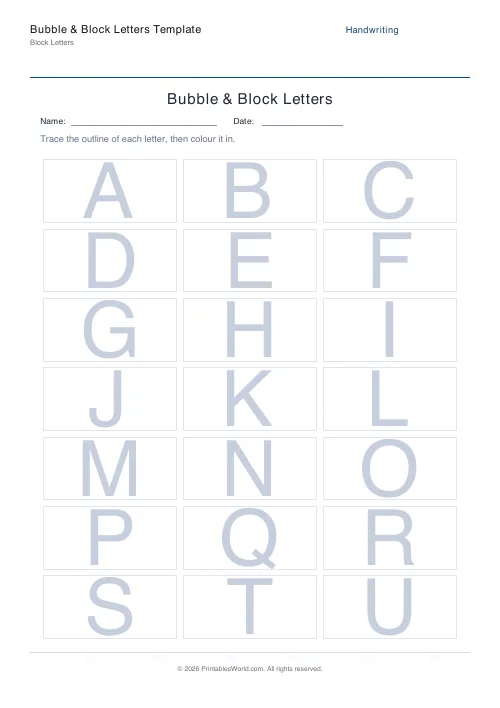
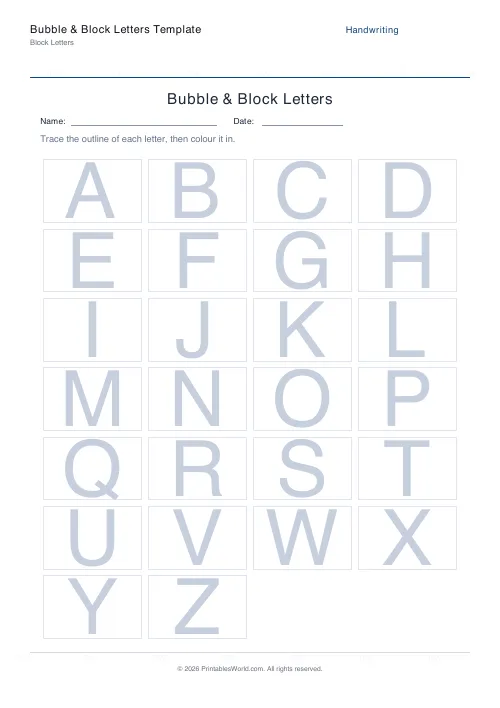
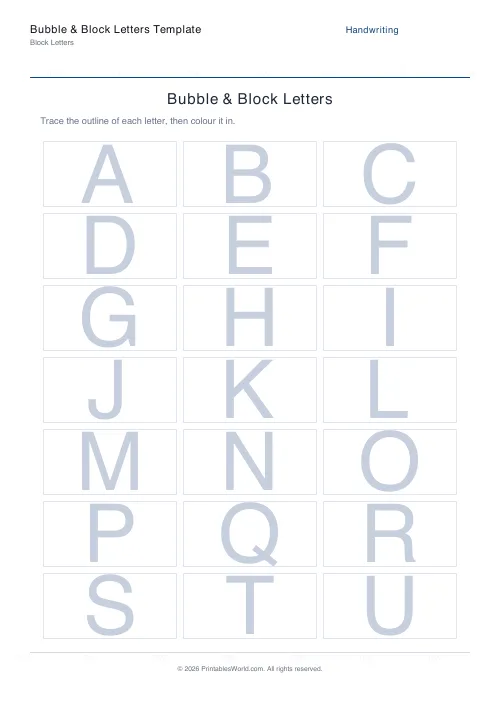
Generate big, outlined block-letter templates that children can trace and colour in. Print the whole alphabet from A to Z, or type a name or word to get just those letters laid out large on the page. Choose how many letters appear per row and add optional Name and Date fields.
People also used
Feedback
Spotted something off with this tool?
Big hollow letters, and what the space inside is for
Large capitals printed as outlines. The line is there to trace. The space inside is there to fill, and that second part is what keeps a child at the table long after the tracing is finished and a normal worksheet would have been abandoned.
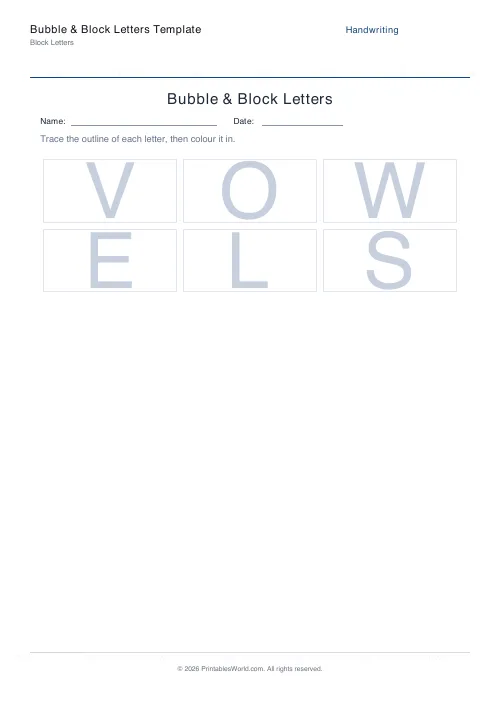
Type A-Z for the whole alphabet or type a name, a topic word, a short message. You get those letters and nothing else, drawn as large as the layout allows.
Why outlines work when small handwriting does not
Hollow block letters split two skills that a small handwriting worksheet forces a child to do at once: getting the shape right, and controlling the pencil precisely enough to keep it small. Here the shape is enormous, so the movement is a whole-arm movement and the tolerance is generous.
A child who has been failing at 4mm lined paper can succeed at this on the first attempt. That matters more than the letter formation practice does, honestly. And the colouring afterwards holds a reluctant writer at the page for another ten minutes, which no amount of extra rows on a tracing sheet will do.
One letter or six across
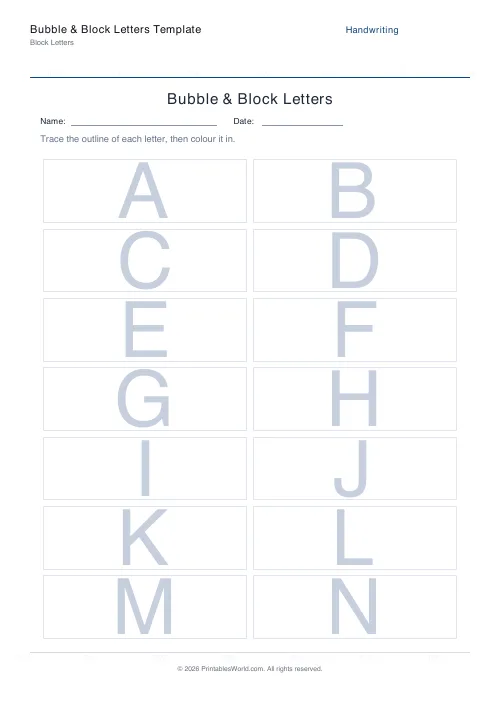
Columns run from one to six. Three unless you change it. One column gives a single giant letter filling the page, which is what you want for a sound-of-the-week display or a door tag, and six gives a tidy grid, small enough to get the alphabet onto a few sheets and still large enough that a four-year-old can colour inside the lines without a meltdown.
Three is the compromise and it is the default for a reason: a name of six letters lands as two neat rows.
A title line and name-and-date fields are both optional and both off the page entirely when you do not want them.
Things to do with them beyond colouring in
Print a name and the letters become a cubby label or a bedroom door sign. Or fill each one with a different pattern instead of a flat colour. That turns it into an art lesson and takes three times as long, which on a wet Wednesday afternoon is the feature and not the drawback.
Dot markers, stickers, torn tissue paper and glitter all work inside the outline, and all of them are fine-motor practice pretending to be a craft. For a phonics link, ask for a small drawing inside each letter of something starting with that sound, then display the sheets in alphabet order and you have a wall.
FAQs
Quick answers
Can I make block letters for a name or word?
Yes. Type any name, word or short phrase into the content box and the template draws just those letters, large and outlined, ready to trace and colour. Type A-Z instead to get the whole alphabet.
How big are the letters?
The letters fill most of each cell, so they are large by design. Fewer letters per row means bigger letters; choose 1 or 2 columns for giant single letters, or up to 6 for a tidy alphabet grid.
Are the letters hollow so children can colour them in?
Yes. Each letter is drawn in a light grey outline with an open interior, so children can trace the edge and then colour, pattern or decorate the inside.
What paper size does it print on?
Every sheet prints cleanly on A4 or US Letter using the shared branded layout, so it looks consistent with the rest of the site's printables.
Related tools
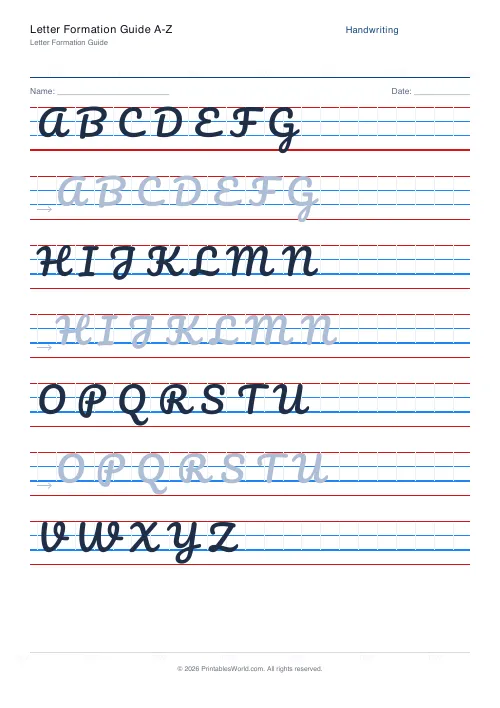
Letter Formation Guide A-Z
Full alphabet with directional arrows for stroke-order learning.
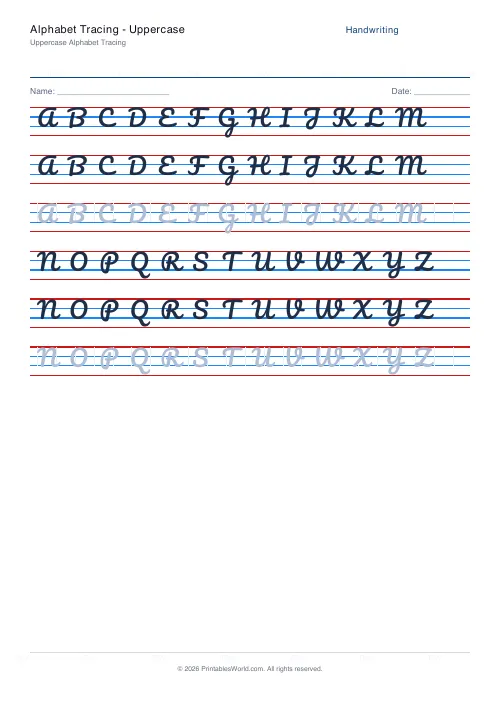
Alphabet Tracing: Uppercase
Trace all 26 uppercase letters with practice lines beneath each row.
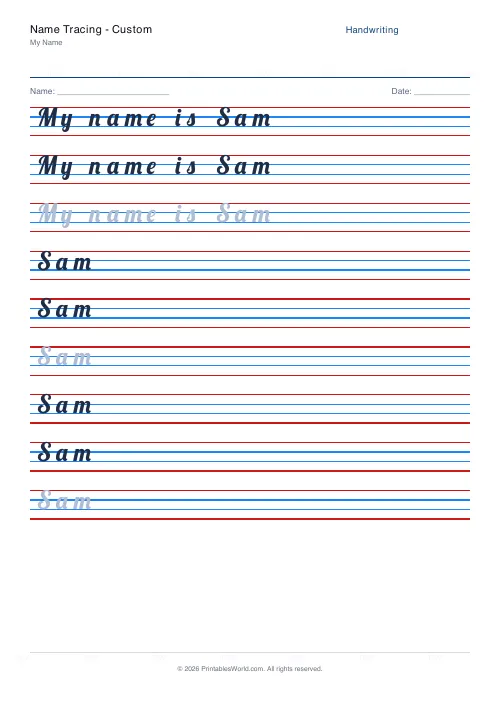
Name Tracing: Custom
Enter any name and generate a personalised tracing worksheet.
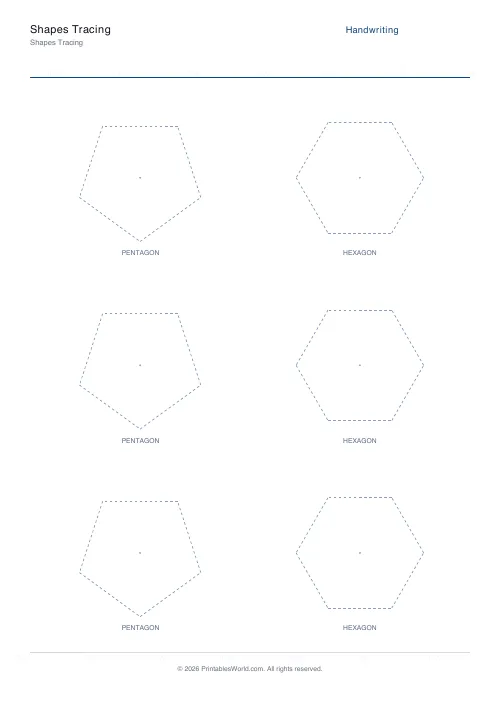
Shapes Tracing
Trace 2D shapes. Circle, square, triangle, pentagon, hexagon.
Further reading
Handwriting
How to fix reversed letters (b and d) in young writers
Reversing b and d is normal up to around seven. The fix is not more practice of both together. It is teaching them apart, by movement rather than by shape.
5 min read
Handwriting
Dotted vs solid trace lines: what works best for beginners
Each trace style removes a different amount of support. The mistake is staying on one too long. Tracing feels productive and teaches less than copying.
4 min read
Handwriting
How to teach handwriting to kids: a step-by-step guide
A practical order for teaching handwriting: get the body and the pencil right first, then teach letters in stroke families rather than alphabetically, and keep sessions short enough that the hand never tires.
7 min read
More like this
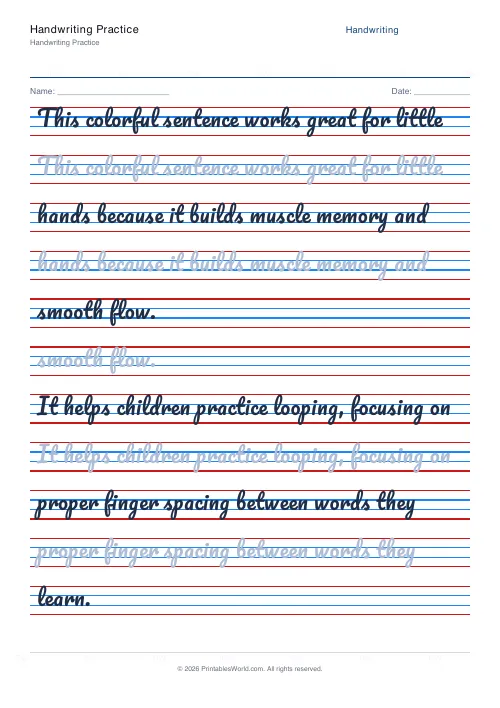 Handwriting Practice Generator
- Alphabet Tracing: Uppercase
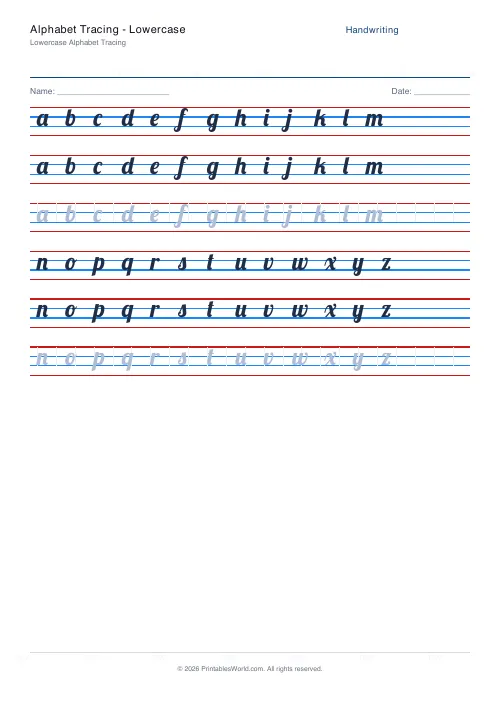 Alphabet Tracing: Lowercase
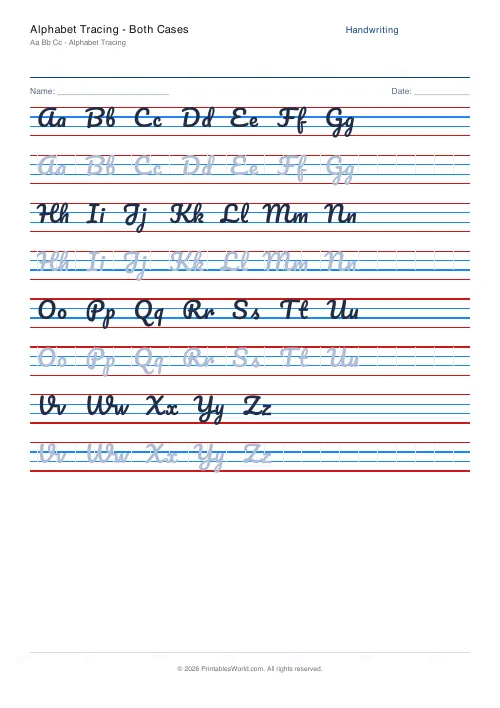 Alphabet Tracing: Both Cases
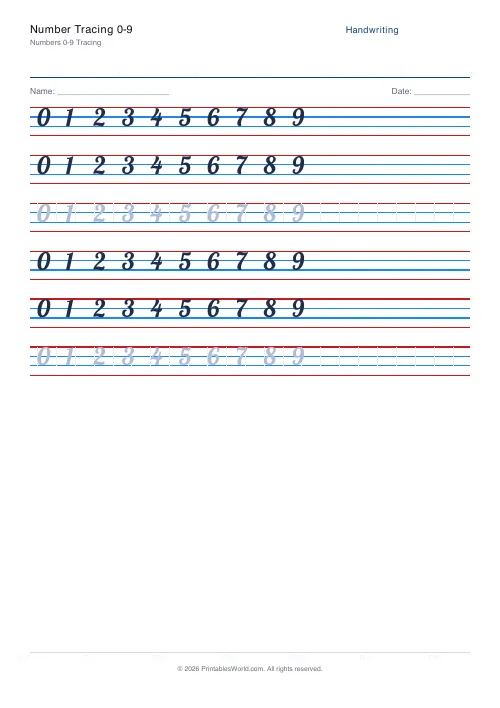 Number Tracing 0-9
- Name Tracing: Custom
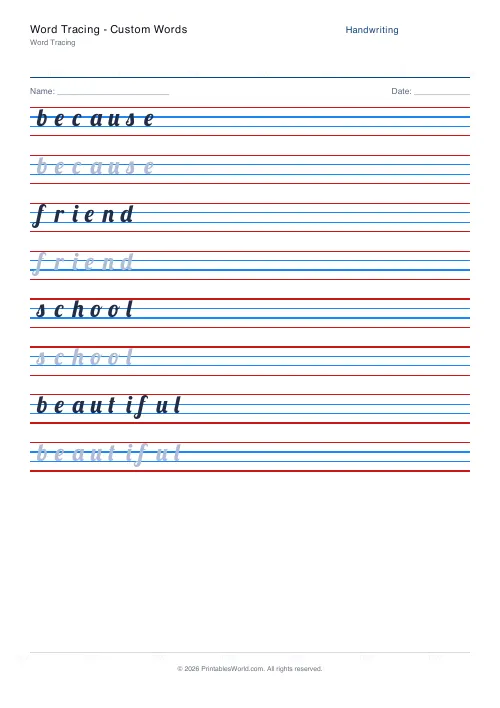 Word Tracing: Custom Words
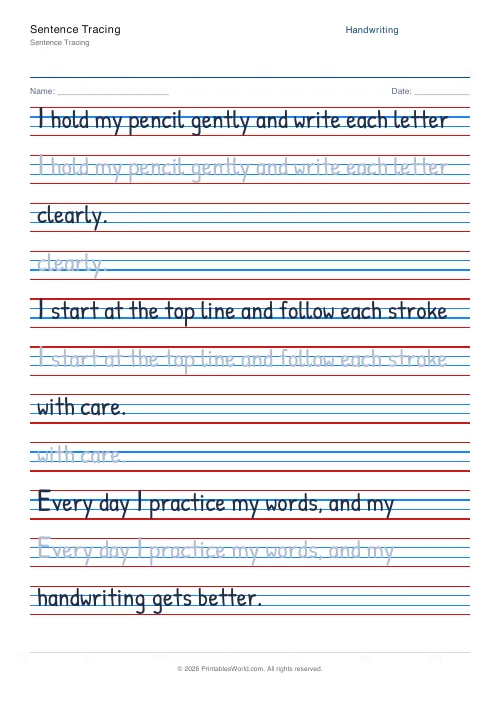 Sentence Tracing
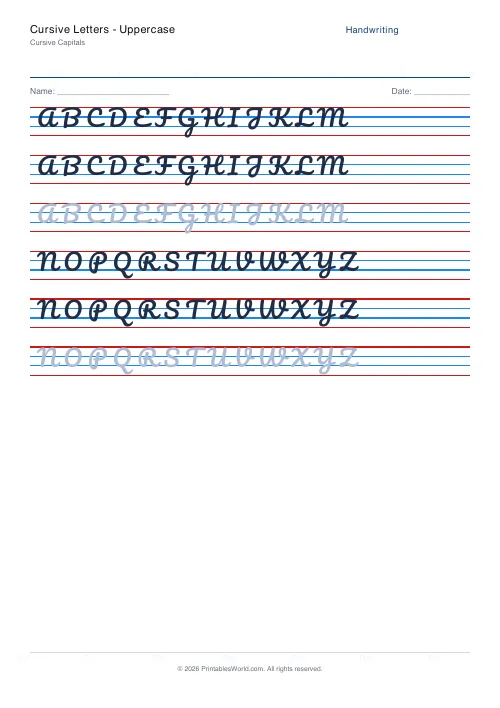 Cursive Letters: Uppercase
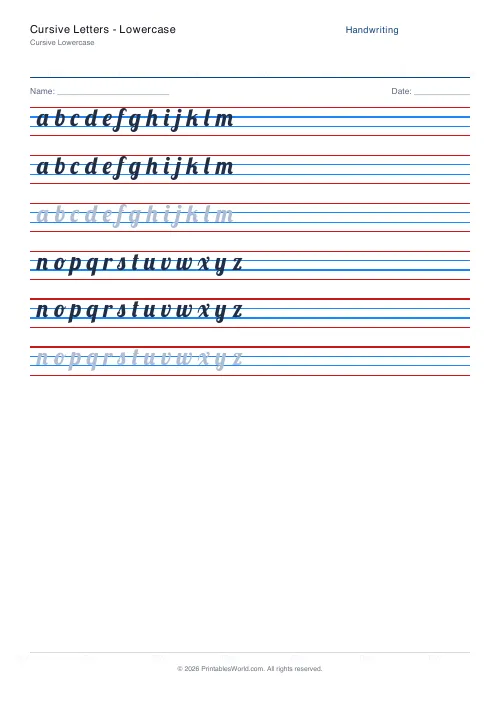 Cursive Letters: Lowercase
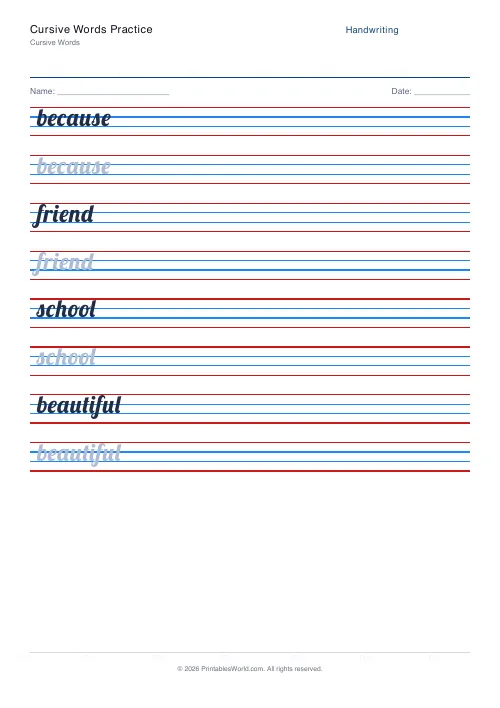 Cursive Words Practice
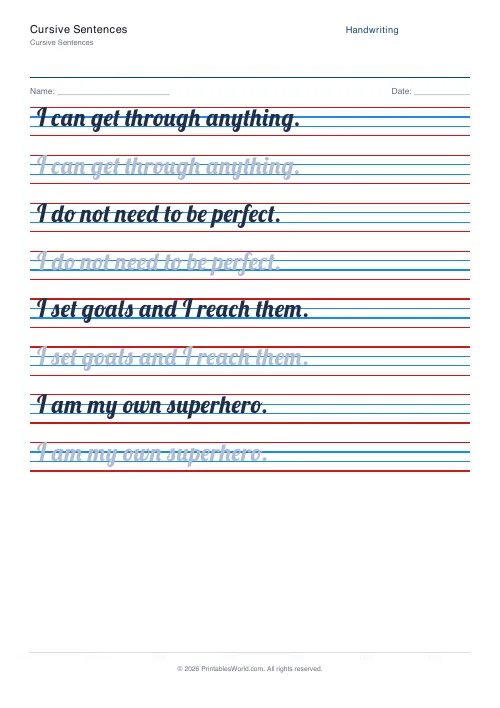 Cursive Sentences
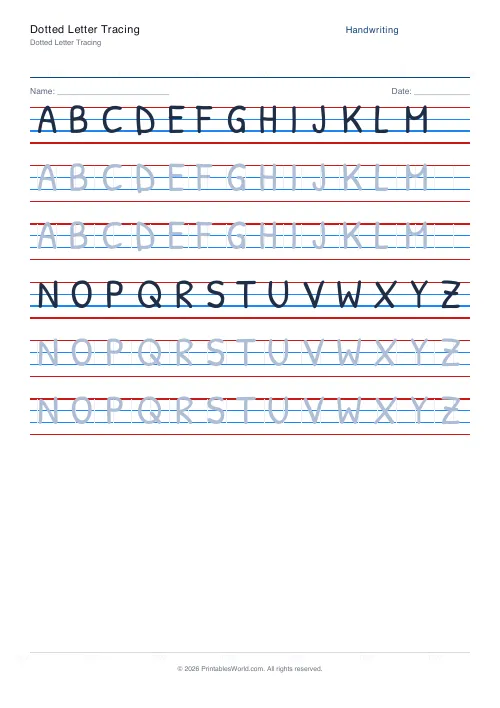 Dotted Letter Tracing
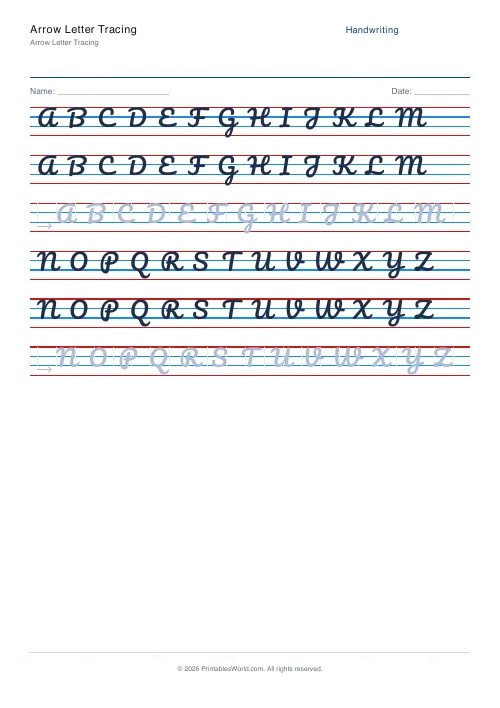 Arrow Letter Tracing