What this tool does
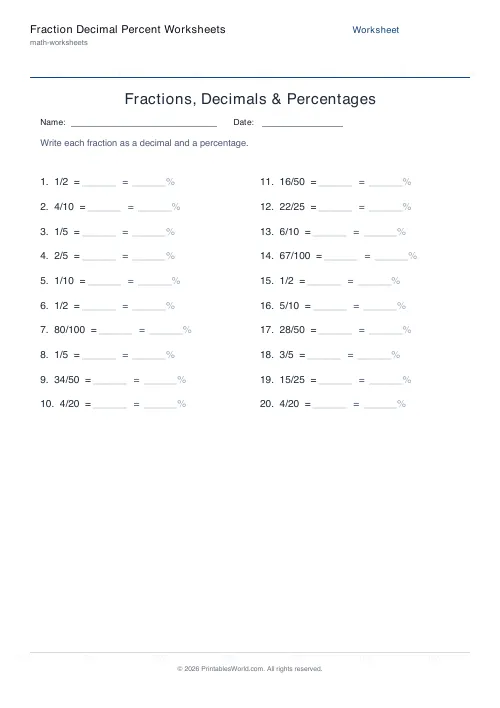
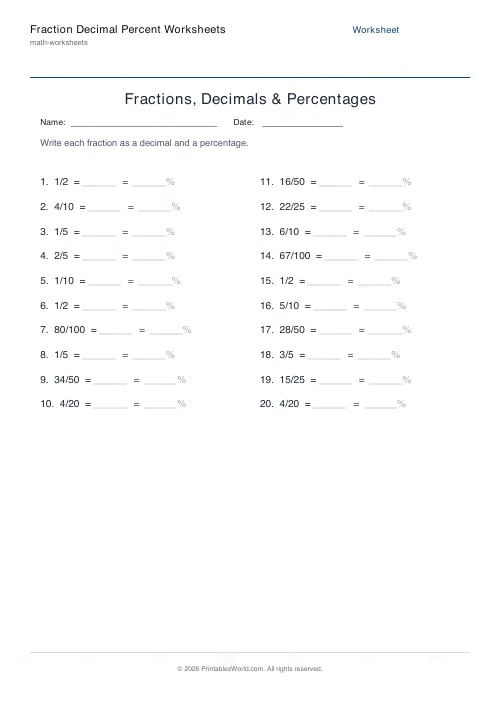
Generate printable fraction-to-decimal-to-percentage worksheets. Each problem gives a fraction and asks for the equivalent decimal and percentage. Includes a full answer key.
People also used
Feedback
Spotted something off with this tool?
Convert fractions, decimals and percentages
Fractions, decimals and percentages are three ways of writing the same value, and moving fluently between them is a key KS2/KS3 skill. This generator builds worksheets where each problem gives a fraction and asks for the equivalent decimal and percentage. Fractions are chosen to have exact (terminating) decimals, so every answer is clean.
How the conversions work
A fraction becomes a decimal by dividing the numerator by the denominator (3/4 = 0.75). A decimal becomes a percentage by multiplying by 100 (0.75 = 75%). So 3/4 = 0.75 = 75%. Learning the common conversions (halves, quarters, fifths, tenths) by heart makes mental maths much faster.
What you set
- Problems per sheet: short practice or a full page.
- Answer key, Name & Date: for marking and classroom use.
Using the sheet
- Set the number of problems.
- Toggle the answer key and Name/Date fields.
- Preview, press Generate New for a fresh set, then download or print.
Teaching ideas
Start with the everyday benchmarks. 1/2 = 0.5 = 50%, 1/4 = 0.25 = 25%, 1/10 = 0.1 = 10%. Then widen to eighths and twentieths. A conversion triangle (fraction → decimal → percent and back) on the board reinforces the two simple operations involved.
The conversions worth knowing by heart
Most of this topic collapses into a short list of facts. A child who knows these does not have to calculate anything for the majority of questions they will meet:
- ½ = 0.5 = 50%
- ¼ = 0.25 = 25% and ¾ = 0.75 = 75%
- ⅕ = 0.2 = 20%, and the rest of the fifths follow
- ⅛ = 0.125 = 12.5%
- ⅓ ≈ 0.333 ≈ 33.3% — the one that does not terminate
- &frac1;&frac10; = 0.1 = 10%, the anchor for everything else
Drill these as recall rather than as procedure, five minutes at a time, before setting sheets of conversions. Sheets practise the method; the method is only worth having for the awkward cases.
Where children go wrong
Four errors account for most wrong answers, and each has a different cause.
Confusing 0.5 with 5%. The commonest of all. 0.5 is fifty per cent, not five. It comes from treating the digits as the answer rather than the place value.
Moving the decimal point as a ritual. A child taught "move it two places" without knowing why will move it the wrong way about half the time. The reason is that per cent means out of a hundred, so 0.42 becomes 42% because 0.42 is forty-two hundredths.
Truncating a third. ⅓ is 0.333… recurring. Writing 0.33 and treating it as exact quietly introduces an error that shows up when the answers are added.
Percentages above 100. Many children believe a percentage cannot exceed 100. 150% is perfectly ordinary, and meeting it early prevents the belief taking hold.
A worked example
Convert 0.35 to a fraction and a percentage.
- To a percentage: 0.35 is thirty-five hundredths, and per cent means hundredths, so it is 35% directly — no rule needed.
- To a fraction: thirty-five hundredths is 35⁄100.
- Simplify: 35 and 100 share a factor of 5, giving 7⁄20.
Notice that step 1 required no method at all once "hundredths" was said aloud. That is the whole reason to teach the meaning before the shortcut: the shortcut is only faster if you already know what it is doing.
FAQs
Quick answers
How do I turn a fraction into a percentage?
Divide the numerator by the denominator to get a decimal, then multiply by 100. For example 3/4 = 0.75 = 75%.
Why are only certain fractions used?
The worksheet uses fractions with terminating decimals (denominators like 2, 4, 5, 8, 10, 20, 25, 50, 100) so every decimal and percentage is exact rather than recurring.
What year group is this for?
Fraction–decimal–percentage conversion is a KS2 (upper primary) and KS3 skill. Adjust the number of problems to suit the class.
Is there an answer key?
Yes. Toggle the answer key and the PDF adds a page with the decimal and percentage for every fraction.
Related tools
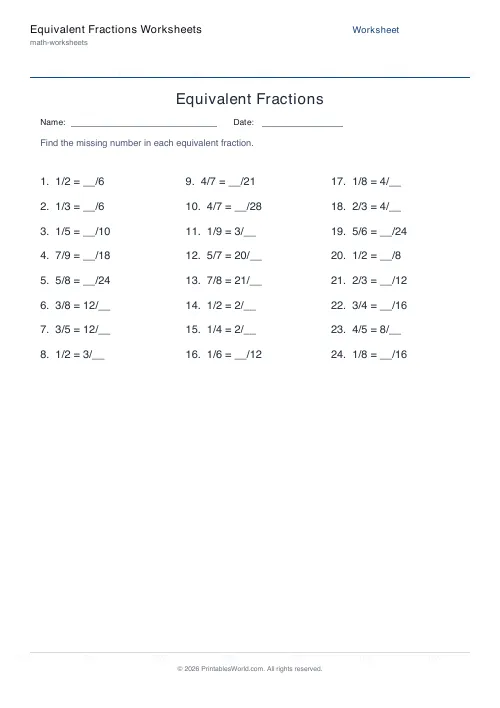
Equivalent Fractions Worksheets
Find and match equivalent fractions on printable sheets.
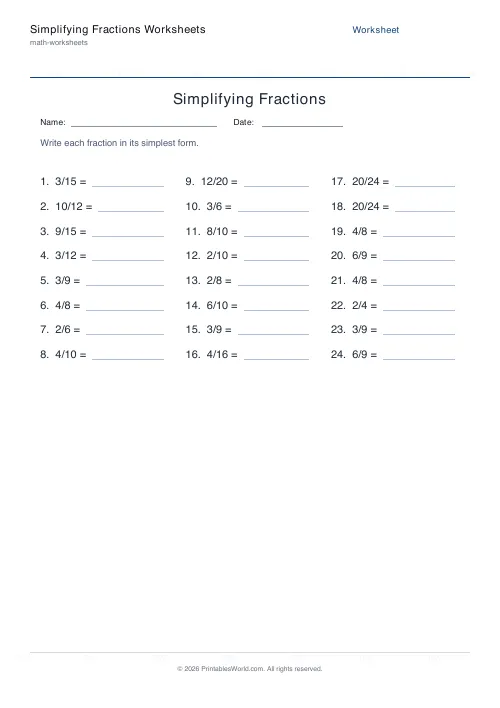
Simplifying Fractions Worksheets
Reduce fractions to their lowest terms.
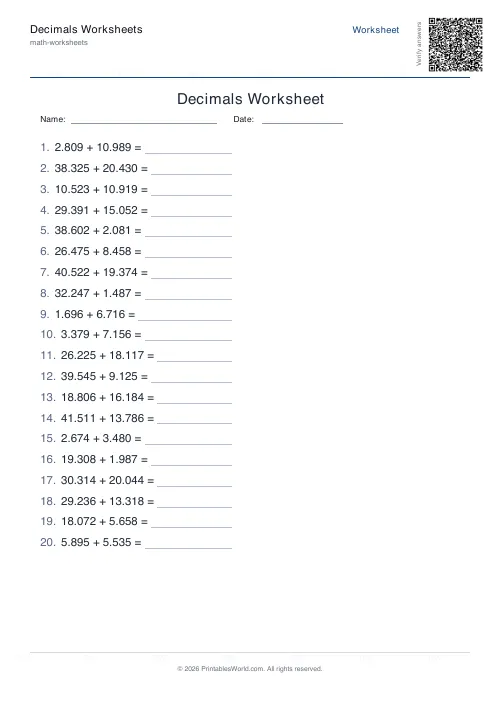
Decimals Worksheets Generator
Create custom decimal arithmetic worksheets with configurable operations and decimal places.
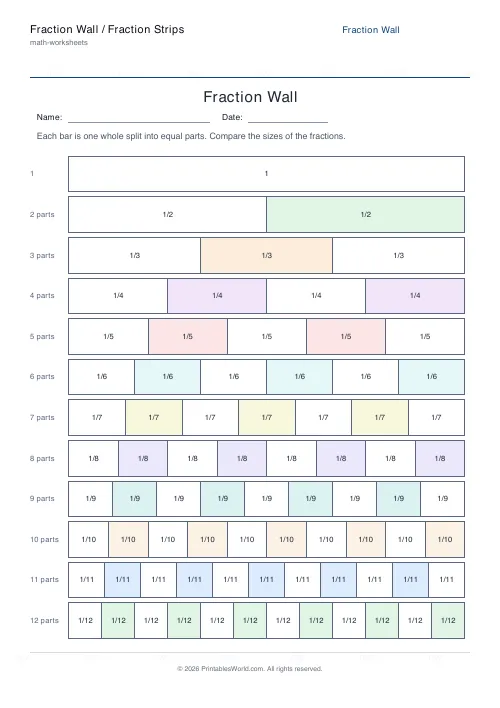
Fraction Wall / Fraction Strips Generator
Printable fraction wall and fraction strips that show halves, thirds, quarters and more at exact proportions.
Further reading
More like this
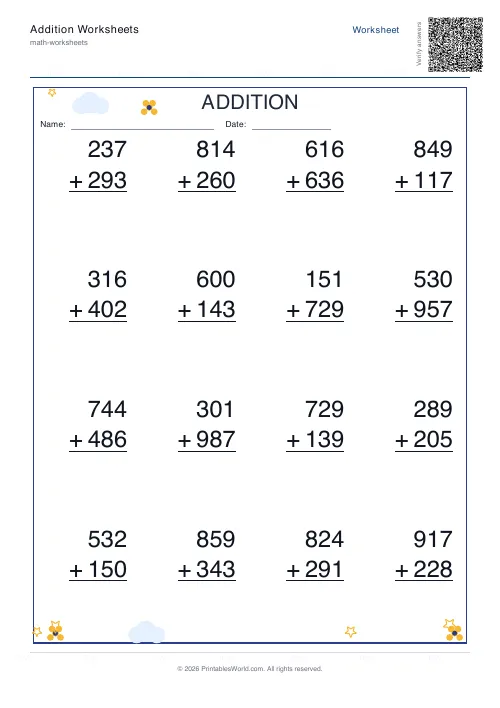 Addition Worksheets Generator
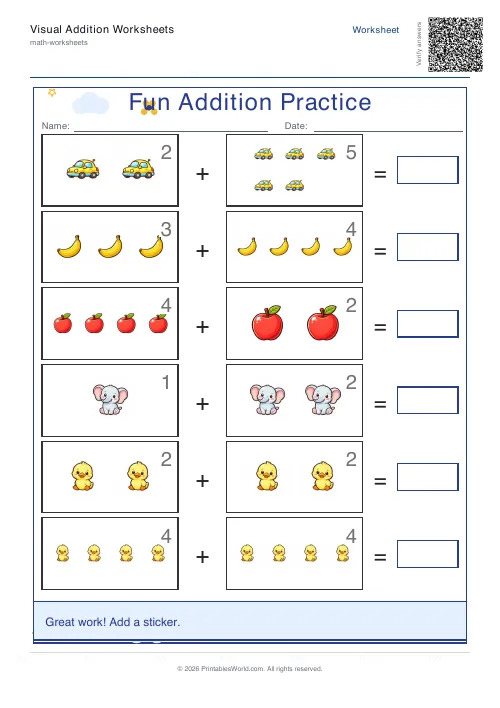 Visual Addition Worksheets Generator
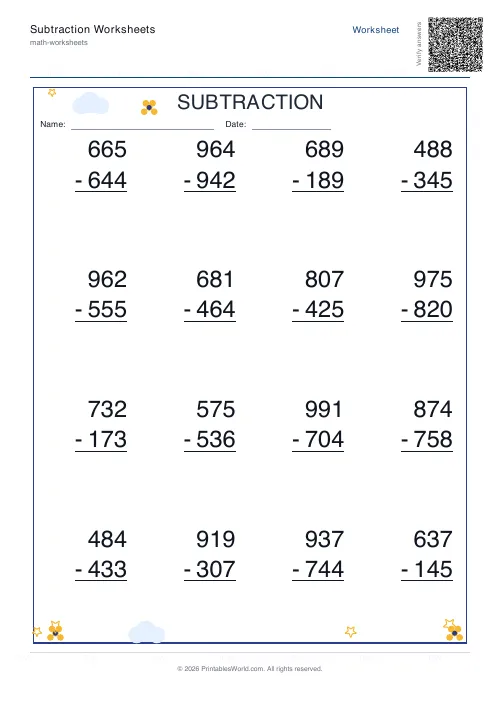 Subtraction Worksheets Generator
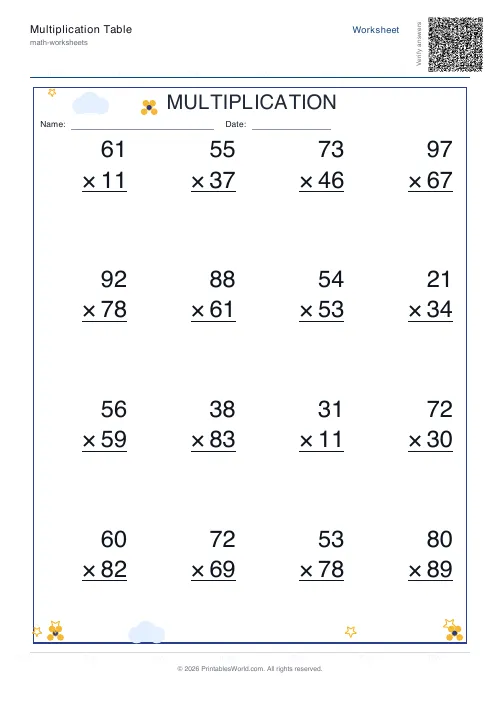 Multiplication Table Generator
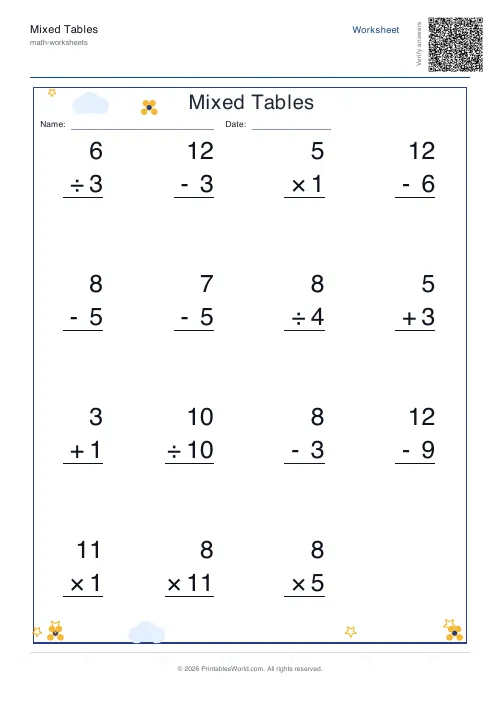 Mixed Tables Generator
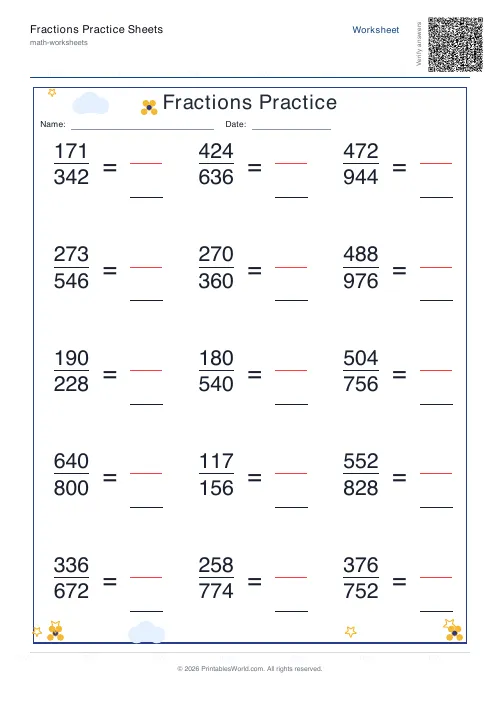 Fractions Practice Sheets Generator
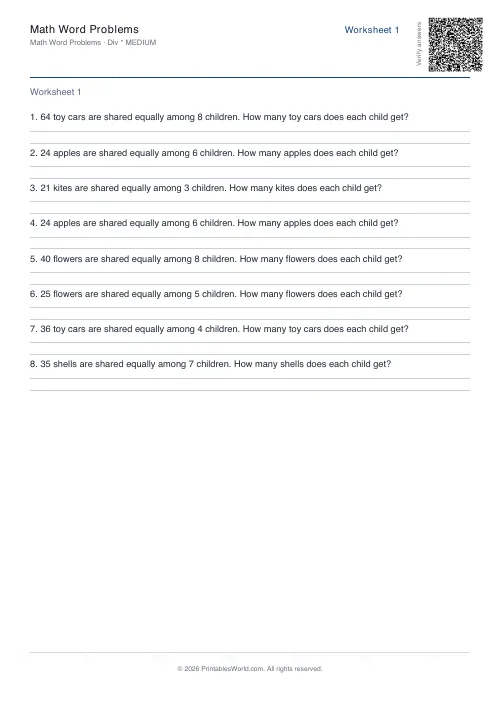 Math Word Problems Generator
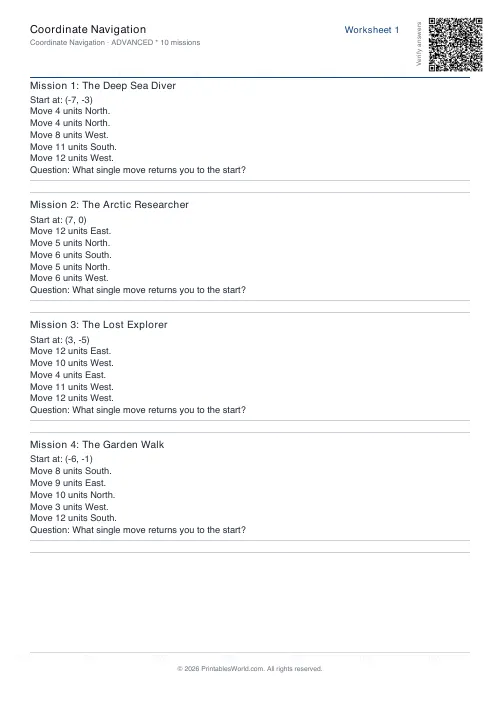 Coordinate Navigation Generator
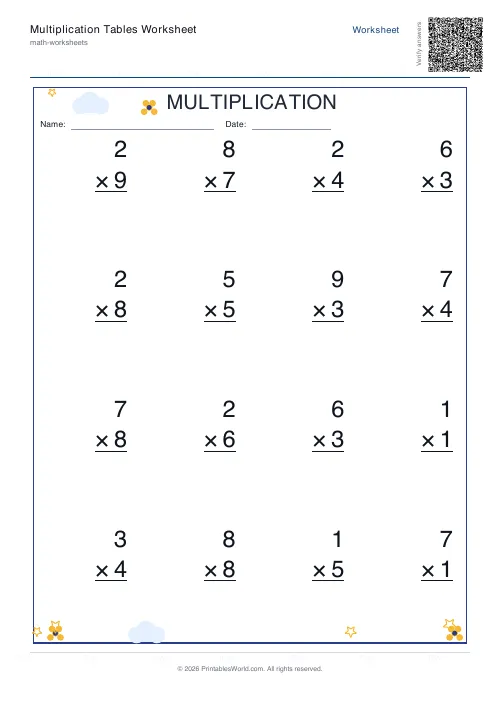 Multiplication Tables Worksheet
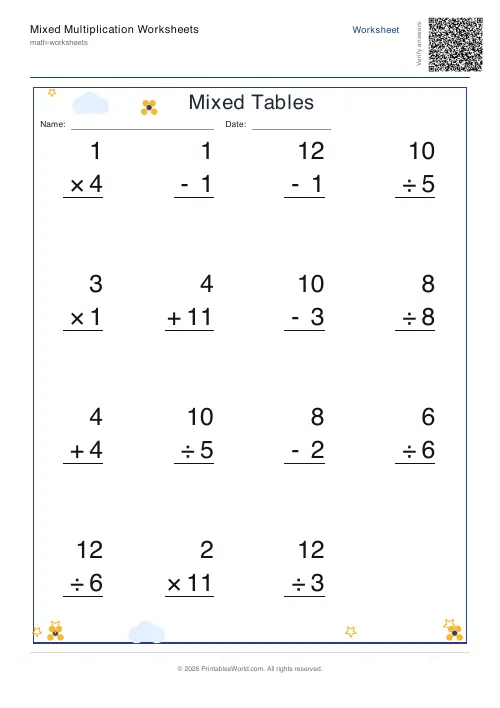 Mixed Multiplication Worksheets
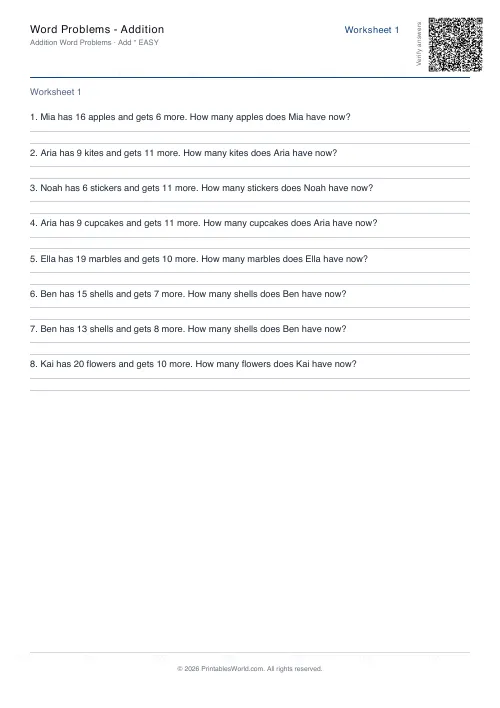 Word Problems: Addition
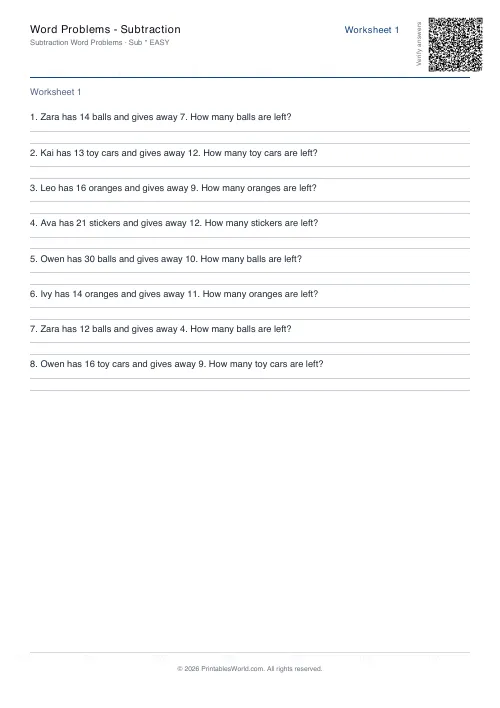 Word Problems: Subtraction
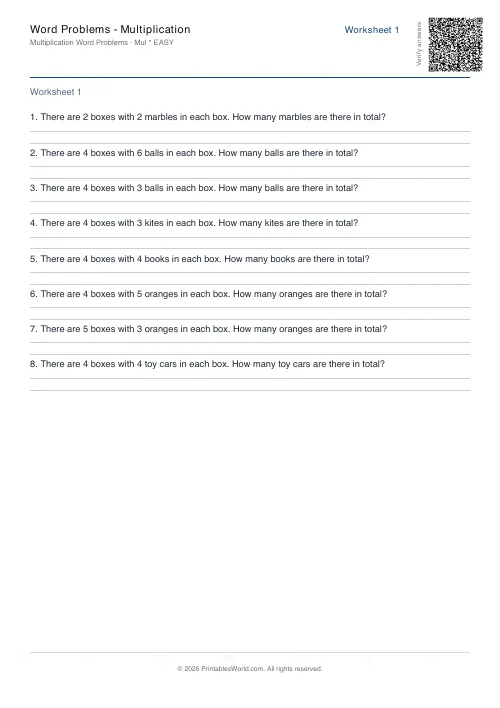 Word Problems: Multiplication
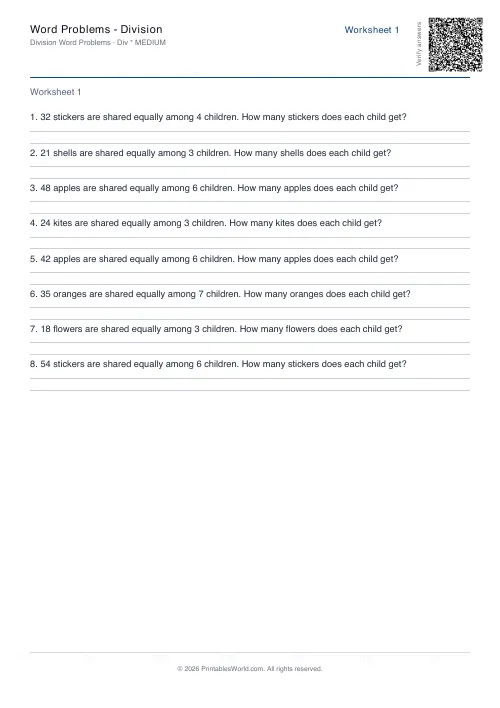 Word Problems: Division