What this tool does
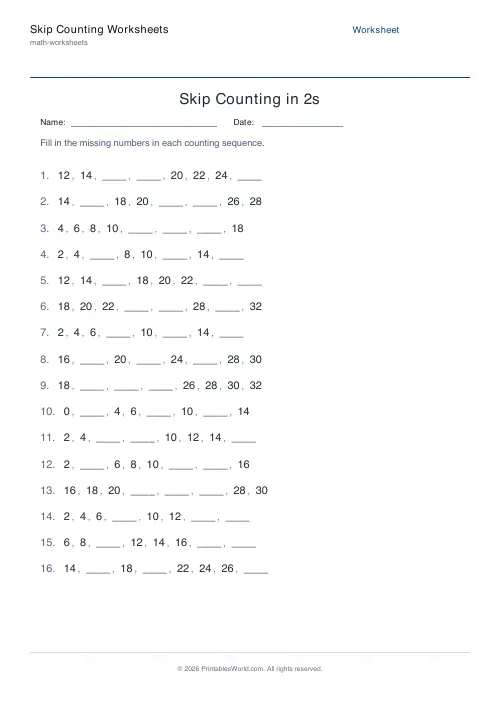
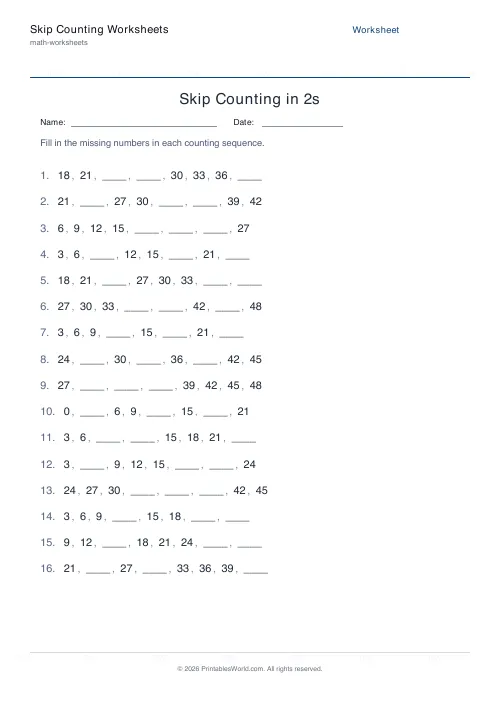
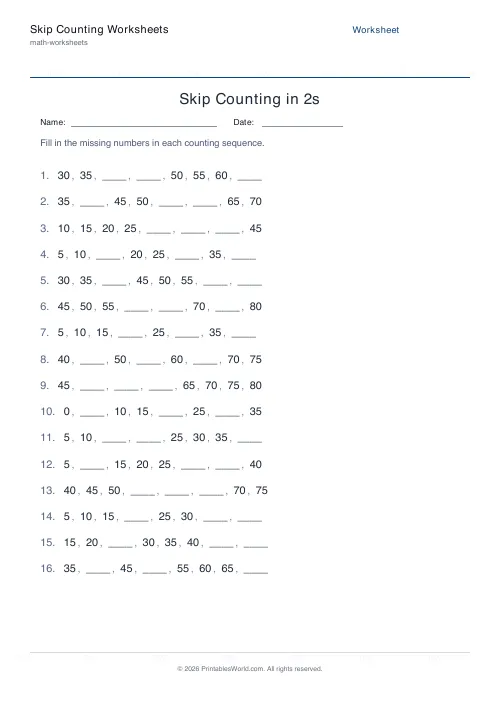
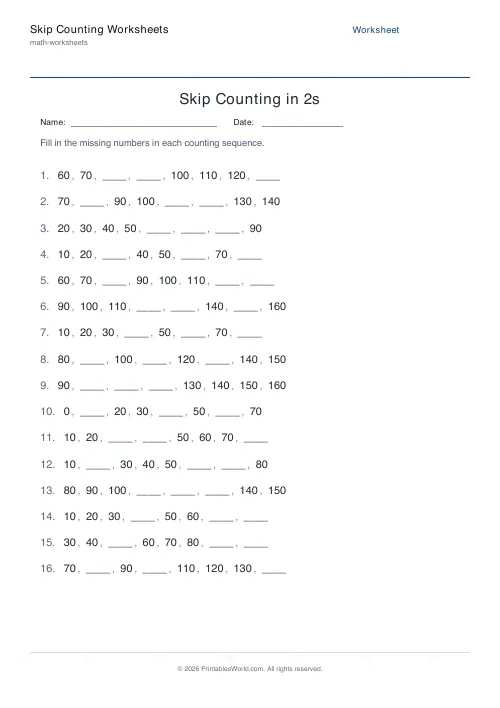
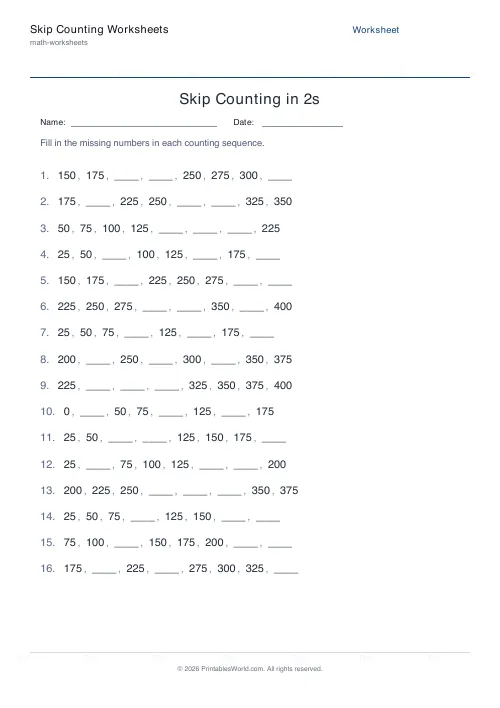
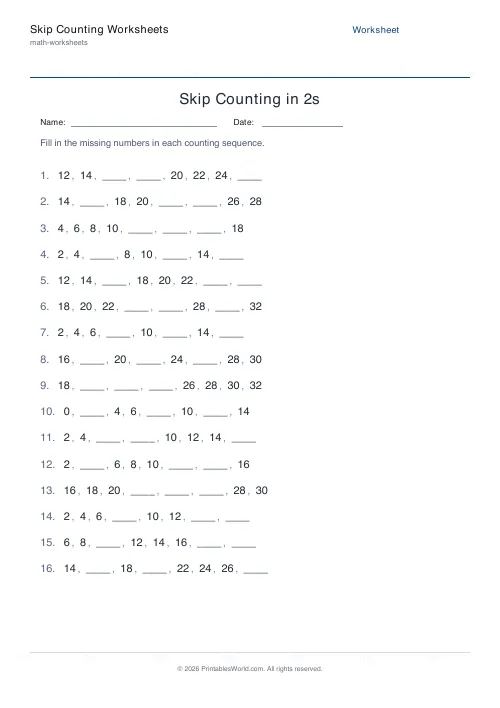
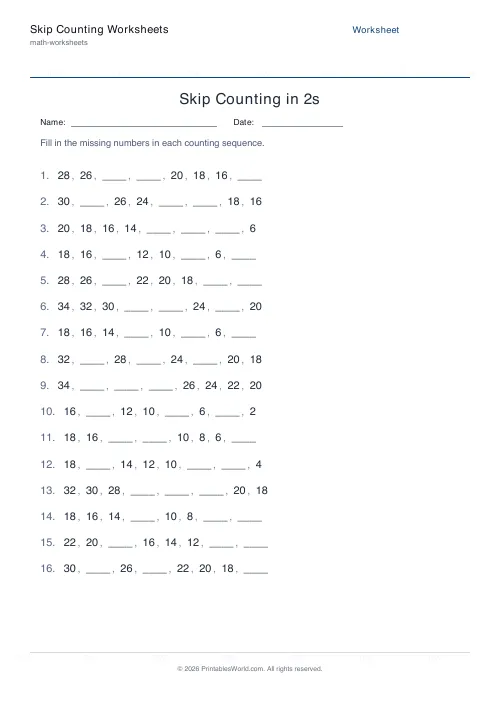
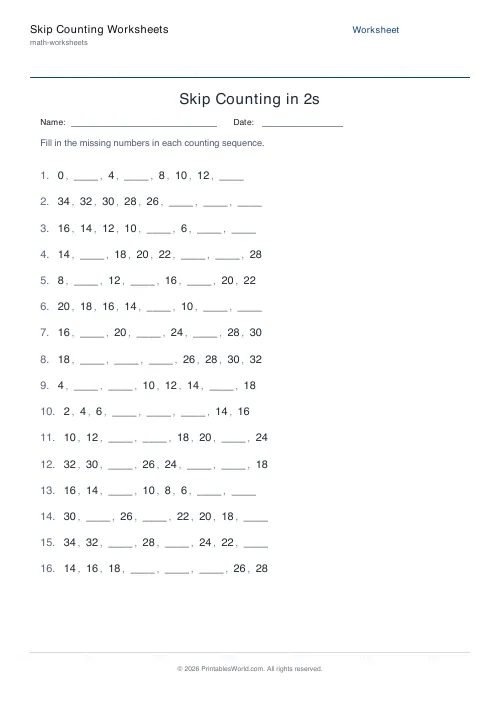
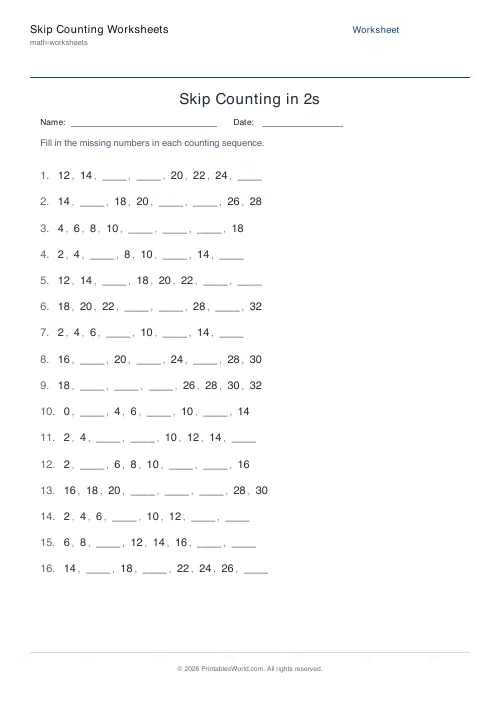
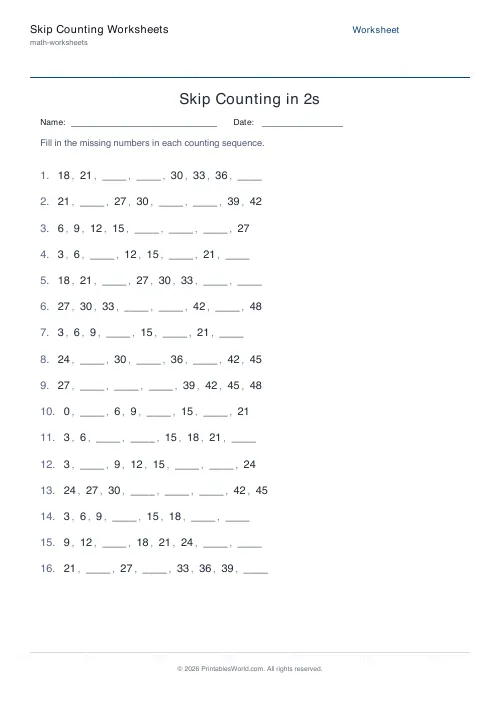
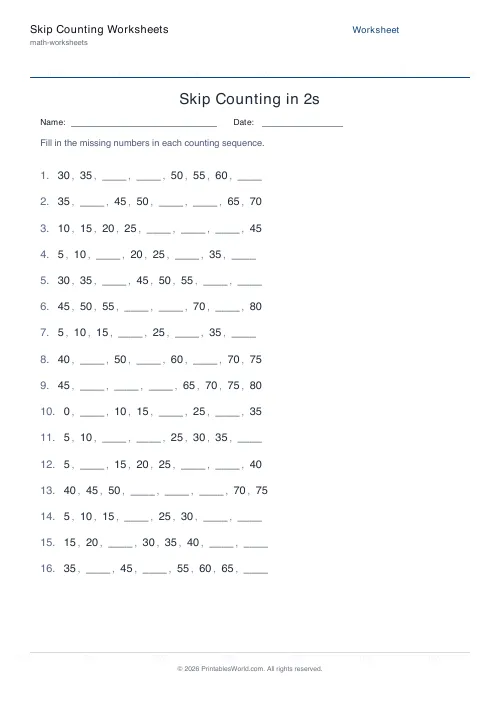
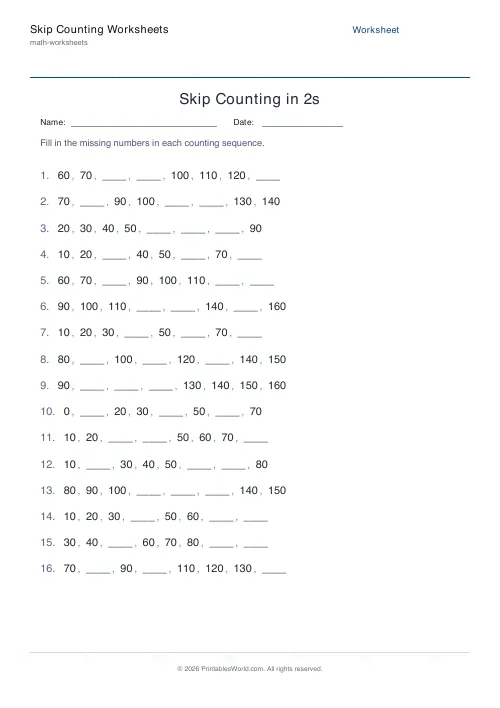
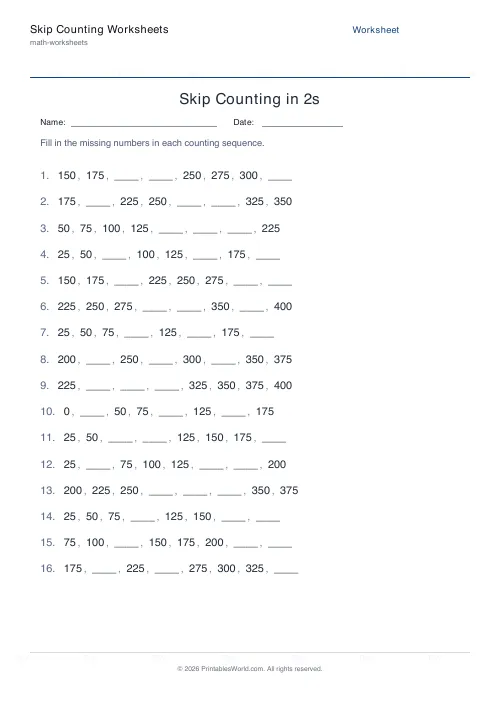
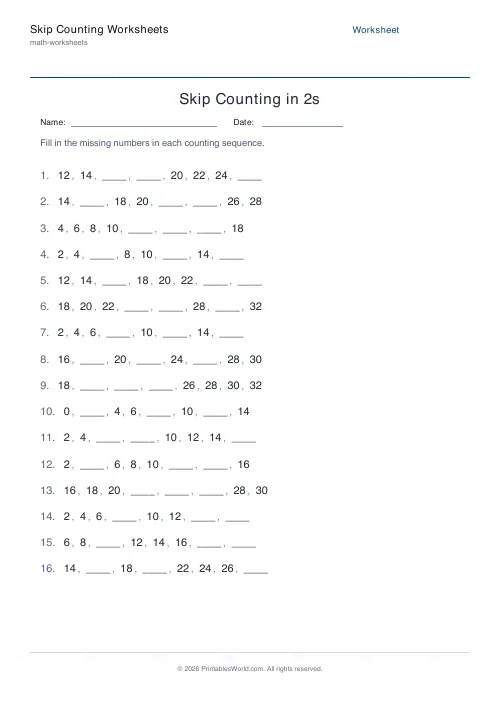
Printable skip-counting worksheets. Each row is a counting sequence with some of the numbers blanked out for the pupil to fill in. Set the step anywhere from 1 to 100, choose sequences of four to twelve terms, decide how many blanks each row carries, and count forwards, backwards, or a mix of both down the page. Up to forty rows a sheet, with an answer key.
People also used
Feedback
Spotted something off with this tool?
Rows with holes in them
Each row is a counting sequence and some of its numbers are missing. The pupil fills the gaps.
That is a different task from reciting, and the difference is the point. A child chanting 3, 6, 9, 12 may be reproducing a sound. A child who can look at 3, __, 9, __, 15 and fill it in has understood that the sequence is generated rather than remembered, and those are not the same skill even though they produce the same numbers.
Steps run from 1 to 100, sequences from four terms to twelve, and up to forty rows fit on a sheet. Blanks are capped at two below the sequence length, so at least two anchor numbers always survive and no row is ever unsolvable.
The bridge to times tables
Skip counting is how most children first meet multiplication, before anyone uses the word. Counting 3, 6, 9, 12 is the three times table, arrived at by adding rather than by recall.
So it is a genuine stage, not a warm-up. A child who can count in fours has the four times table available to them, slowly. What is left is converting a sequence into individual facts: being able to answer what 4 times 7 is without running up from the start.
Make that transition deliberately. Ask for the sixth number in the sequence rather than letting them recite up to it, then ask what 4 times 6 is, then point out that they have just answered the same question twice. Children very often do not notice the connection until somebody says it out loud.
Which sequences, and in what order
Some are much easier than others, and teaching them in difficulty order builds confidence instead of testing it.
- Twos, fives, tens. The final digit follows an obvious pattern, and most children pick these up without being taught.
- Threes and fours. The first sequences with no visual crutch, and where the real work starts.
- Sixes, then sevens, then eights and nines. The hard middle. Nines have a helpful property, in that their digits sum to nine. Sevens have nothing at all, which is why sevens are so reliably the last table learned.
- Elevens and twelves. Easy again, and satisfying to arrive at after the nines.
Starting from something other than zero is the useful extra step. Counting in threes from 7 gives 7, 10, 13, 16, which breaks any reliance on a memorised chant and is far closer to how the skill is actually used.
Counting back, and why it gets skipped
Because it is harder. 30, 27, 24, 21 is noticeably more demanding than the same sequence upwards, and so it quietly drops off the plan.
Include it anyway, for two reasons. It supports division and repeated subtraction, and it exposes whether a child knows the sequence or has memorised a chant that only runs one way. Plenty of children who count fluently in sevens cannot count back in sevens at all, and that gap tells you the facts are not yet secure however confident the forward recitation sounded.
Start from a multiple of the step so the run lands on zero exactly. Keep it short. Ten steps is plenty, and hitting zero gives the child their own check.
Turning up the difficulty
The blank count is the dial. A row with one gap is a fill-in; a row with six gaps and two anchors is a reconstruction, and the child has to work out the step before they can do anything else.
Mixed direction is the other lever, and it is more disruptive than it sounds, because the pupil can no longer settle into a rhythm down the page. Answer key on by default. Name and date fields are optional. A4 or US Letter.
FAQs
Quick answers
What steps can I count in?
Any whole number from 1 to 100. Common choices are 2s, 3s, 5s, and 10s, but you can set a custom step for more advanced patterns.
Can students count backwards?
Yes. Choose backwards (or mixed) and sequences will descend by the step, which is great practice for subtraction and number-line work.
How many numbers are missing?
You decide. Set the blanks per sequence. Fewer blanks for beginners, more blanks to make pupils reconstruct most of the pattern.
Does it include an answer key?
Yes. Toggle the answer key on and the PDF adds a second page with every blank filled in for quick marking.
Related tools
Further reading
Math Worksheets
Ten frames and number bonds: early maths foundations
A ten frame is two rows of five. That arrangement does something a row of counters cannot. It makes quantities visible without counting, which is where number sense starts.
5 min read
Math Worksheets
Making maths fun: 15 ways to practise without tears
Maths tears are usually about difficulty, length or fear of being wrong, not about maths. Fifteen practical changes, grouped by which of those three problems they actually solve.
6 min read
More like this
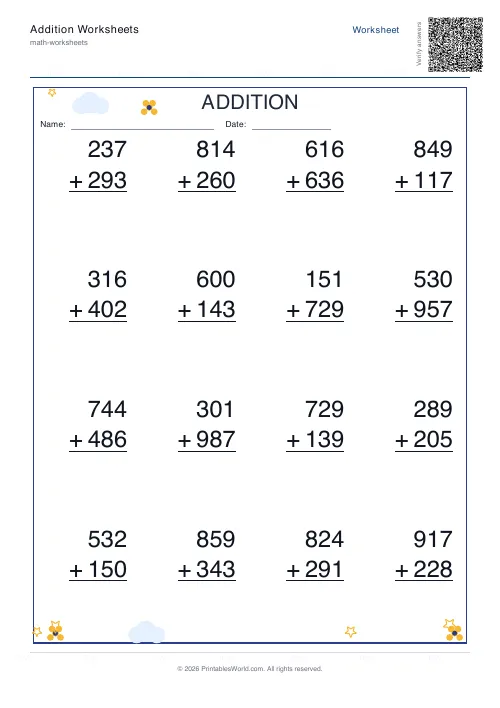 Addition Worksheets Generator
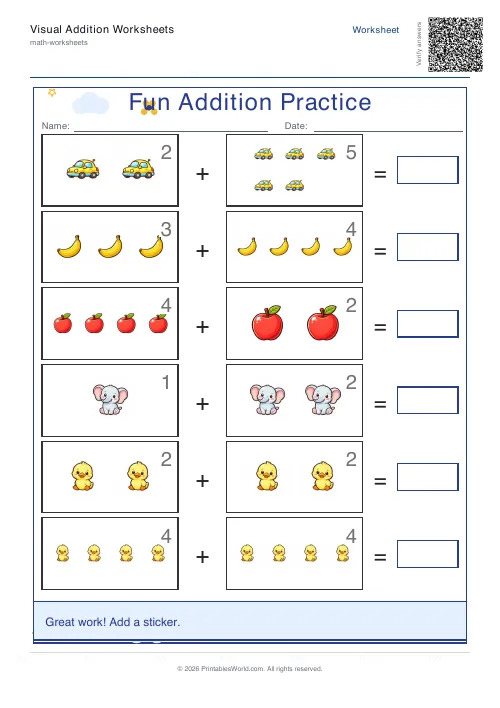 Visual Addition Worksheets Generator
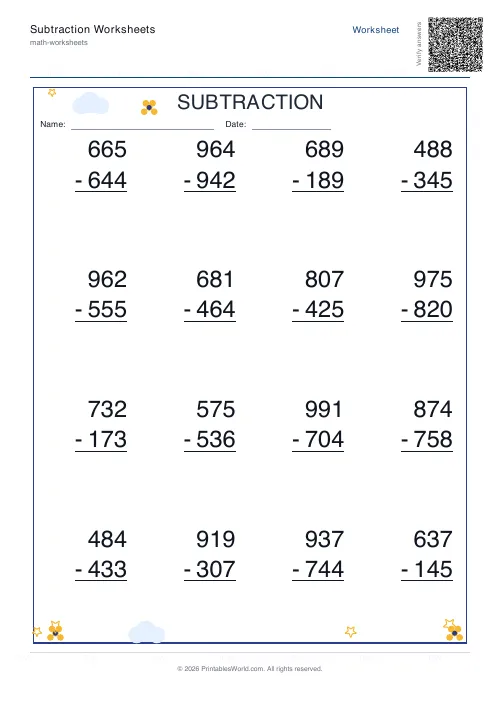 Subtraction Worksheets Generator
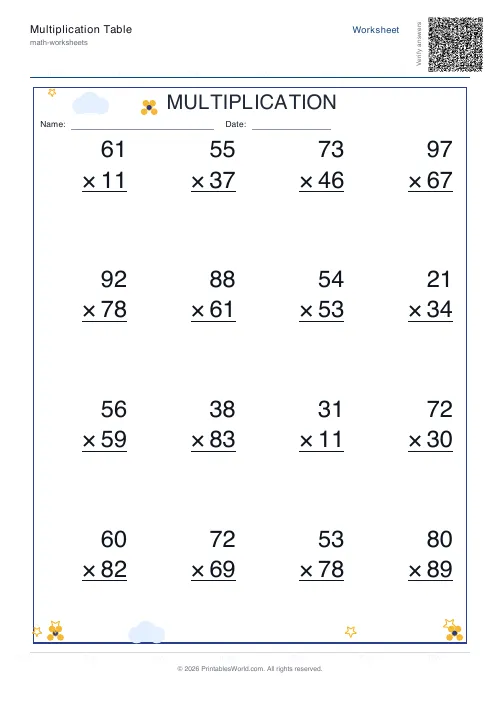 Multiplication Table Generator
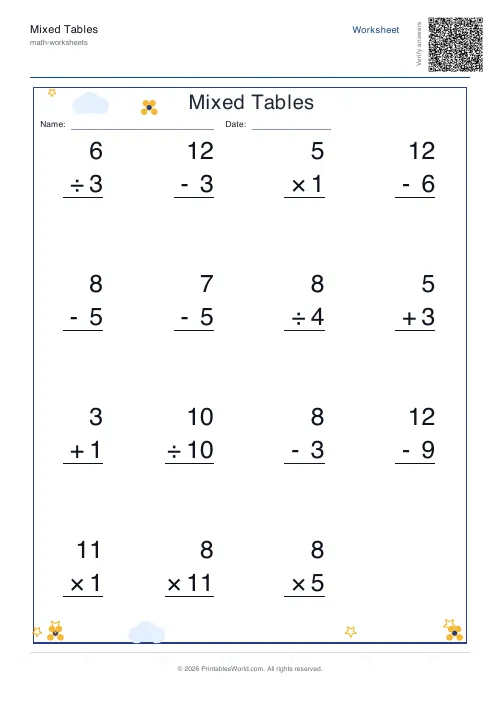 Mixed Tables Generator
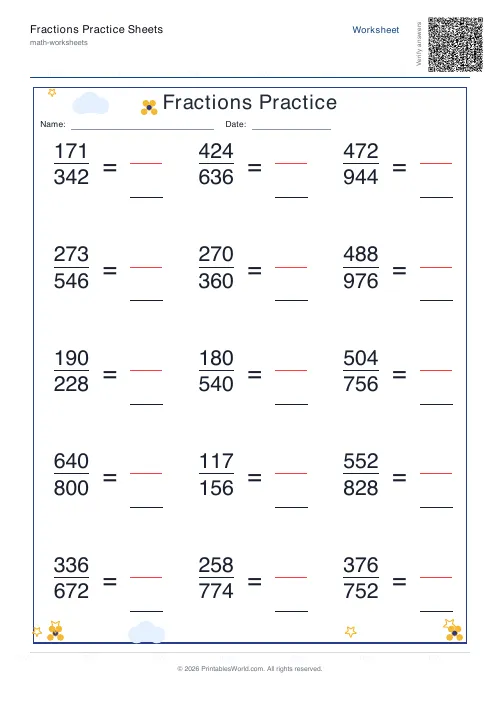 Fractions Practice Sheets Generator
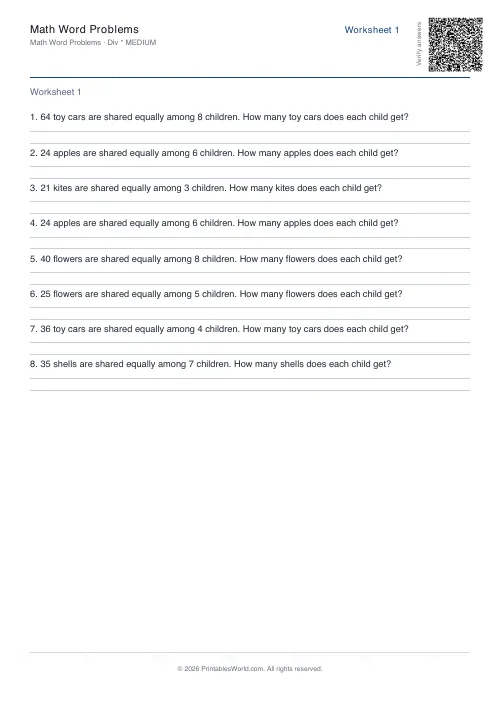 Math Word Problems Generator
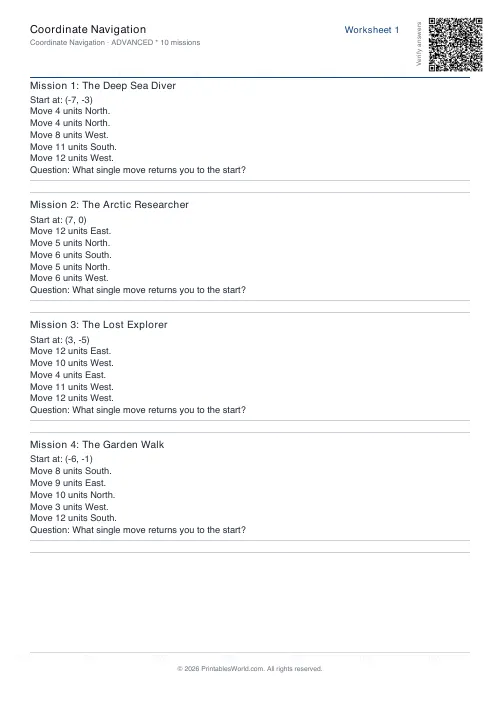 Coordinate Navigation Generator
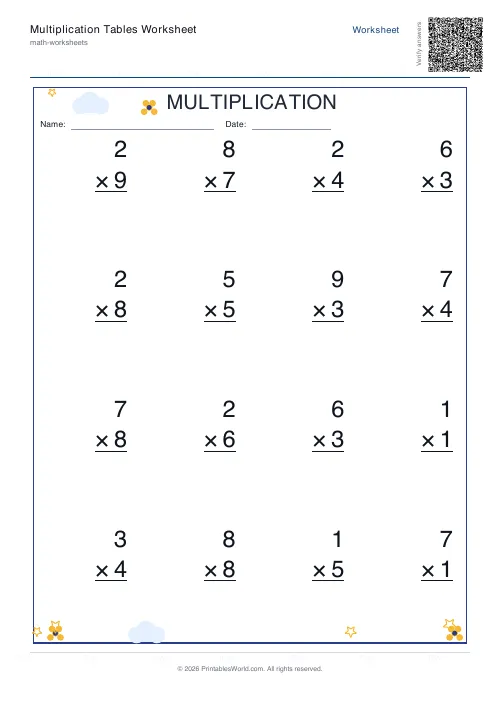 Multiplication Tables Worksheet
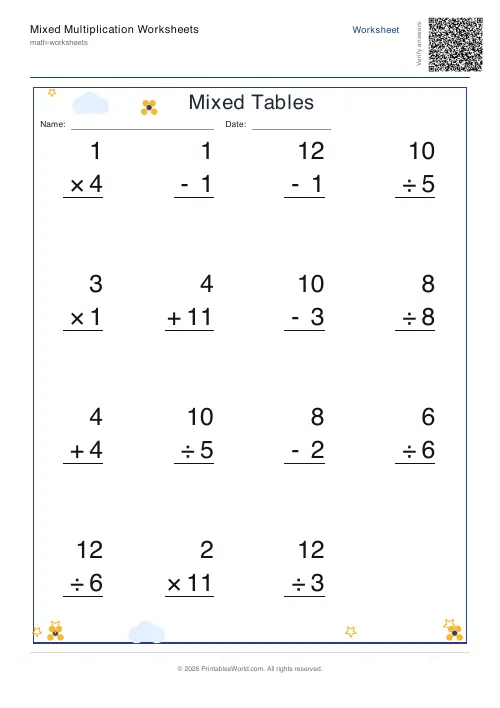 Mixed Multiplication Worksheets
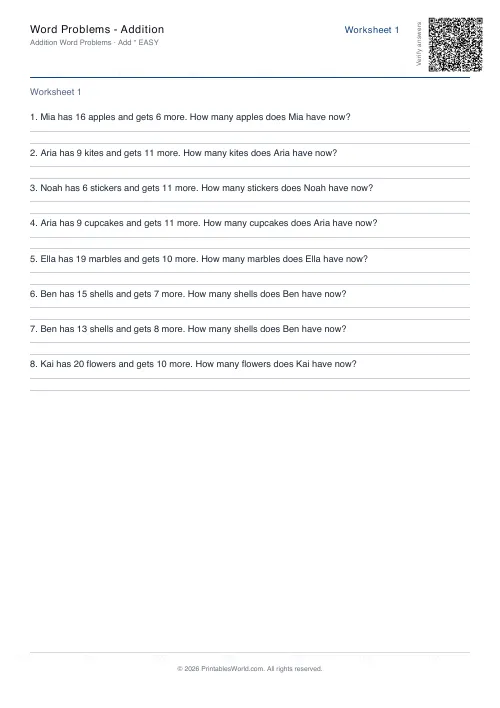 Word Problems: Addition
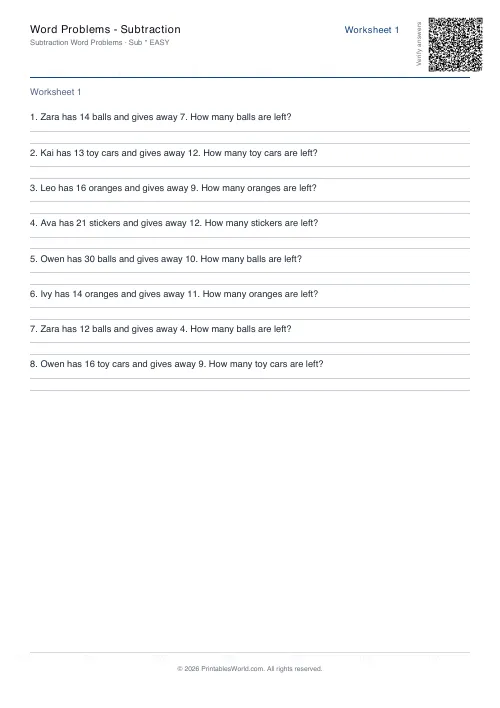 Word Problems: Subtraction
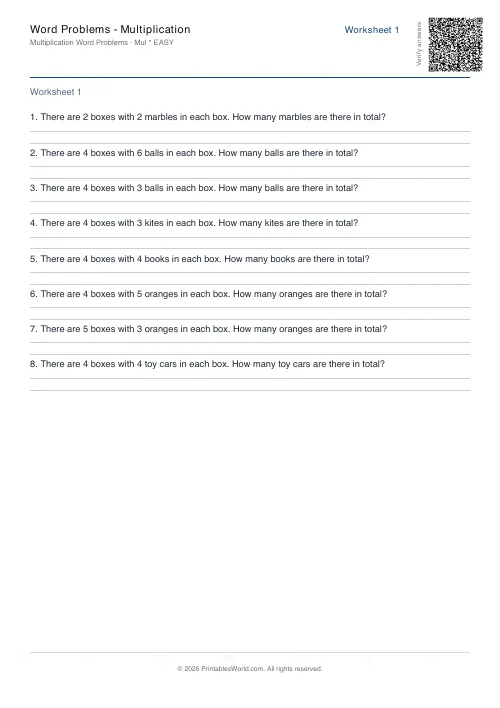 Word Problems: Multiplication
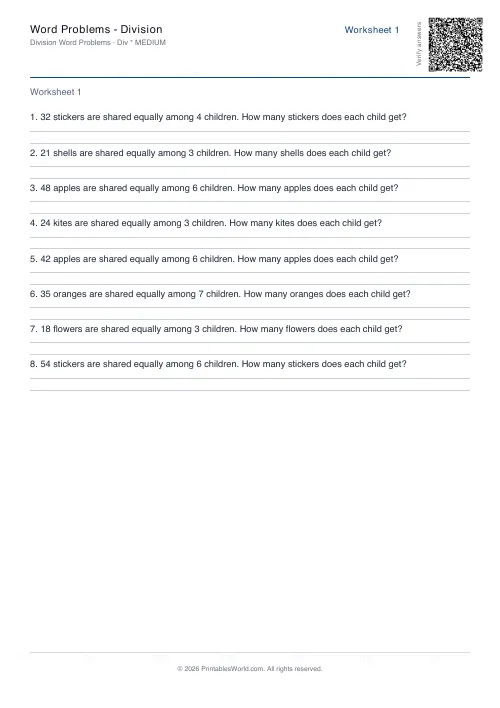 Word Problems: Division