What this tool does
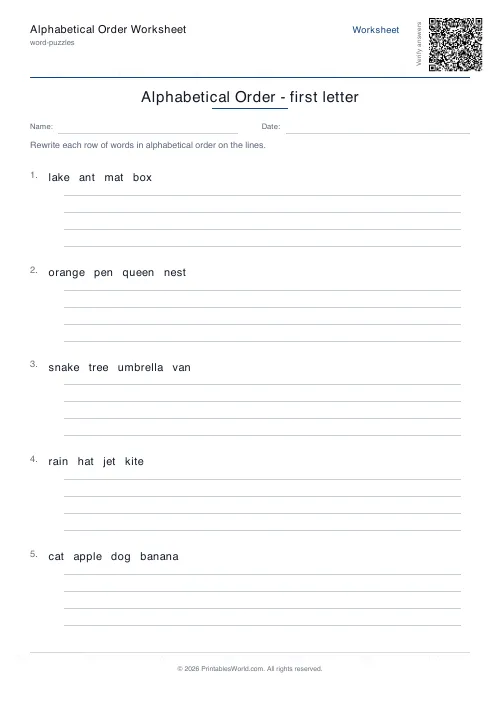
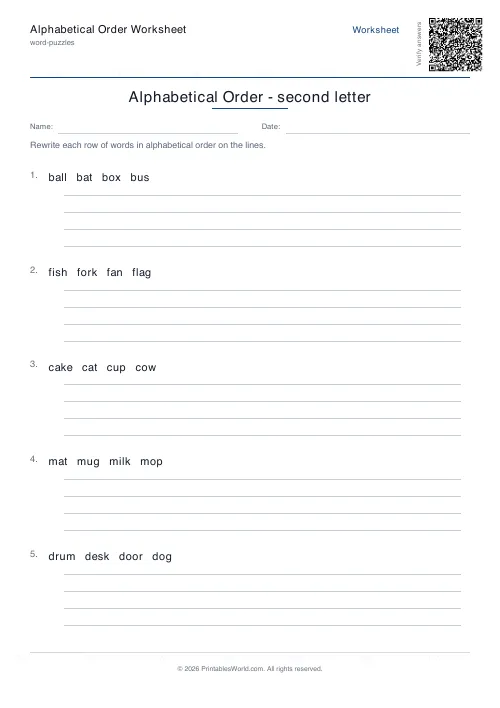
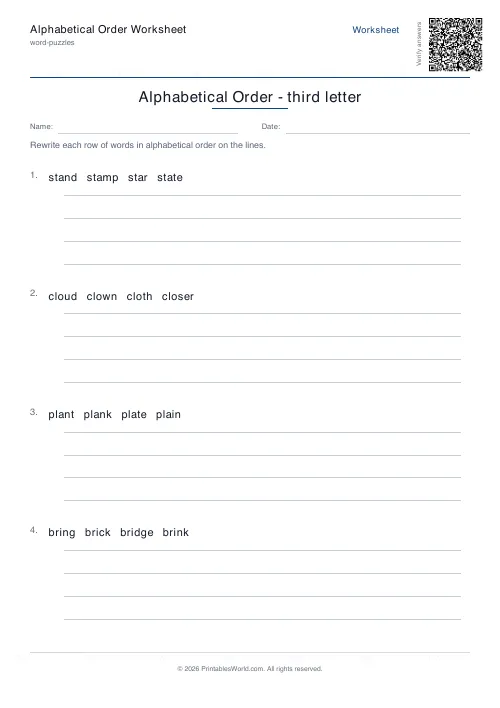
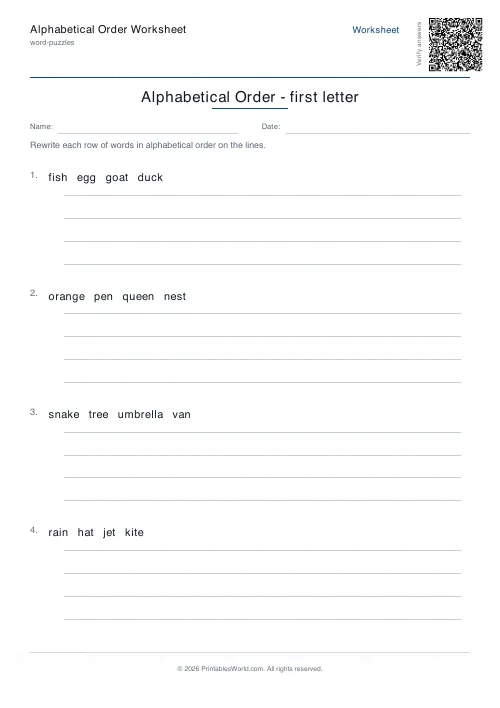
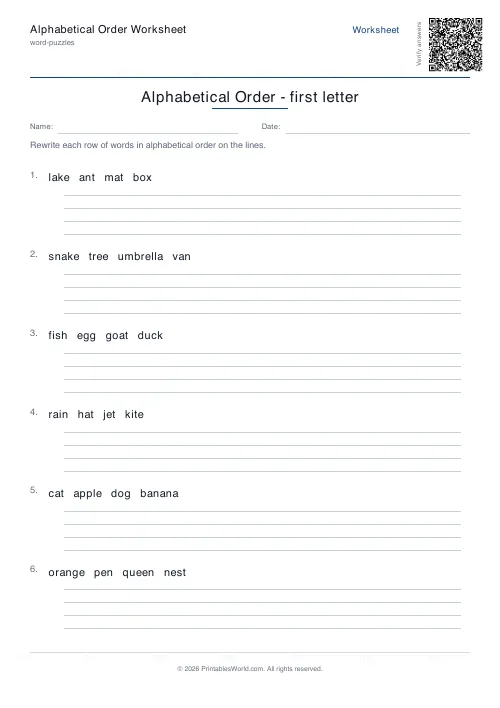
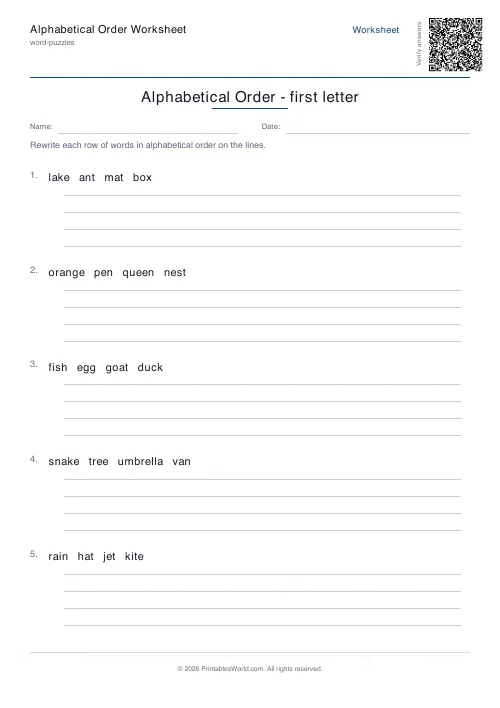
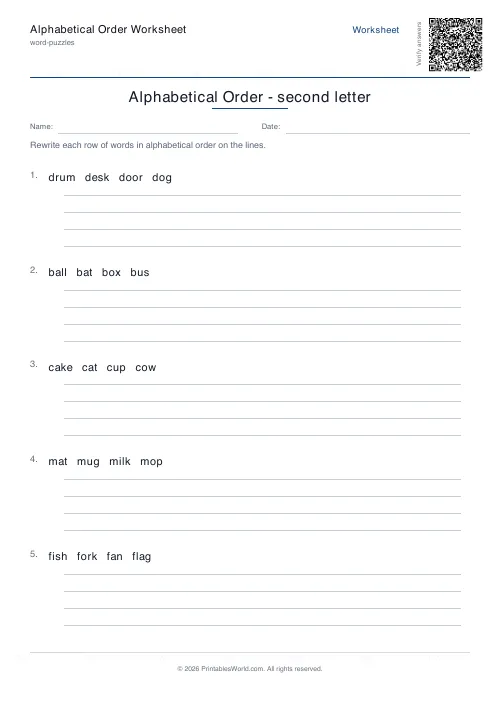
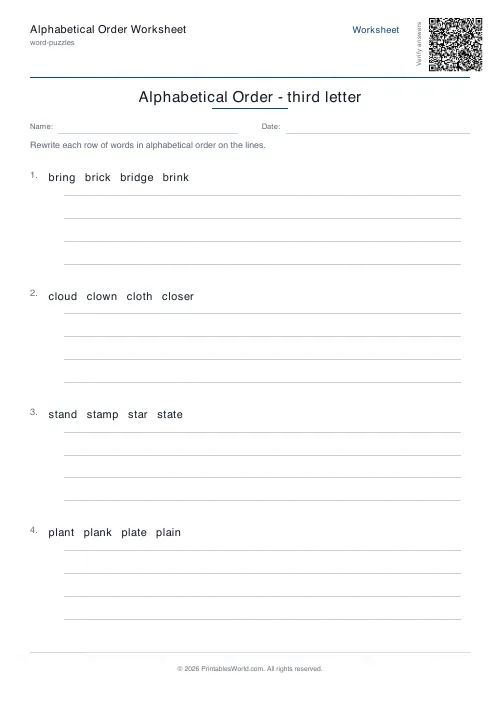
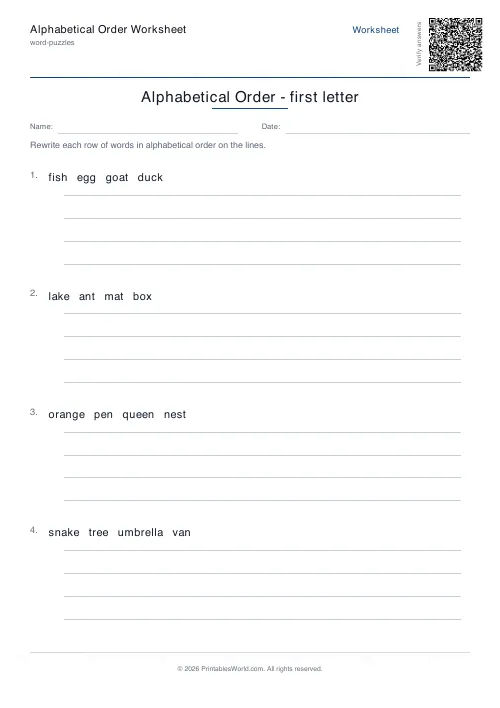
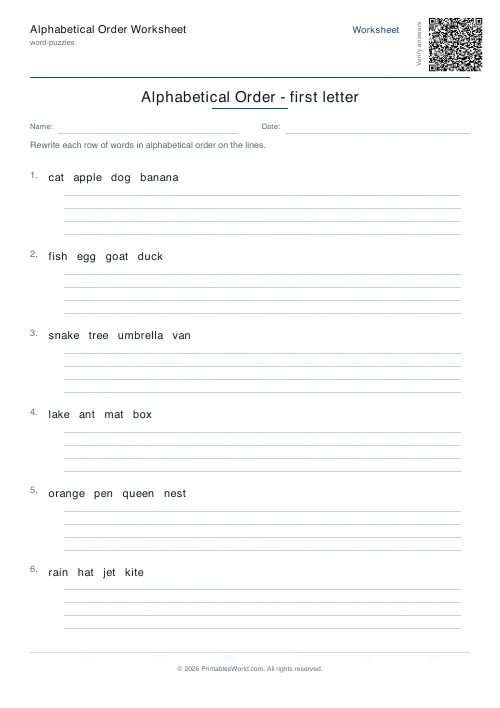
Jumbled rows of words to rewrite in alphabetical order. Three difficulty levels: sorting by first letter, by second, or by third. Three to six rows a sheet, with an answer key.
People also used
Feedback
Spotted something off with this tool?
Three levels, and the jump between them is real
Each row prints a set of words out of order with lines underneath to rewrite them alphabetically.
First letter means every word in the row starts with a different letter. Sorting is a matter of reciting the alphabet.
Second letter means they all start with the same letter, so the decision moves one place along: cat, cot, cup.
Third letter pushes it further again — chair, cheese, chin — and this is where the skill stops being alphabet recitation and becomes something else.
Why the third-letter level is worth reaching
Because that is where a dictionary lives.
Looking up a word means comparing it letter by letter against the guide words at the top of the page, and the comparison almost never resolves on the first letter. A child who can only sort by first letter can find the C section and no further, which is not enough to find anything.
It is also the skill that transfers to an index, a contacts list, a filing system, and any alphabetical list of names — and it is the one most often assumed rather than taught.
The rule to state explicitly
Compare the first letters. If they match, compare the second. If those match too, compare the third, and keep going until they differ.
Children work this out for themselves eventually and much more slowly than if somebody says it. It is worth writing on the board once, in exactly those words, before the first third-letter sheet.
Two edge cases worth mentioning
A shorter word that is the start of a longer one comes first: car before card before cardigan. Children find this genuinely counter-intuitive, because the shorter word feels like it should lose.
And capital letters do not change the order. apple and Apple sort together, which matters the moment a list contains a name.
Marking it
Read down the answers rather than checking against the key word by word. An ordering error is almost always a single adjacent pair swapped, and spotting which pair tells you exactly which comparison the child got wrong — which the number of ticks does not.
What you can change
Level, rows per sheet (3 to 6), a worksheet title, an instruction line you can rewrite, optional Name and Date fields, and the answer key. A4 or US Letter.
Three rows is a starter. Six is a full activity, and at third-letter level six rows is a proper piece of work rather than a warm-up.
Print at 100% on A4 or US Letter.
FAQs
Quick answers
What does the level mean?
First-letter problems use words that start with different letters. Second-letter problems share the same first letter (cat / cup / cow), and third-letter problems share the first two letters (stand / stamp / star).
How many problems per page?
Three to six problems per sheet. Five is the default.
Is there an answer key?
Yes. Toggle the answer-key option for a second page with the correct order written on the lines.
Can I change the words?
Not in this version. The engine ships with curated word groups for each level so the difficulty stays consistent.
Related tools
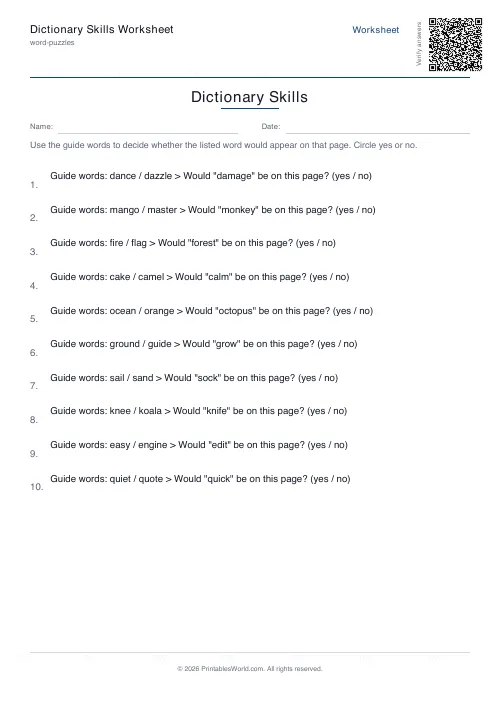
Dictionary Skills Worksheet
Use guide words to decide whether a word would be on the page.
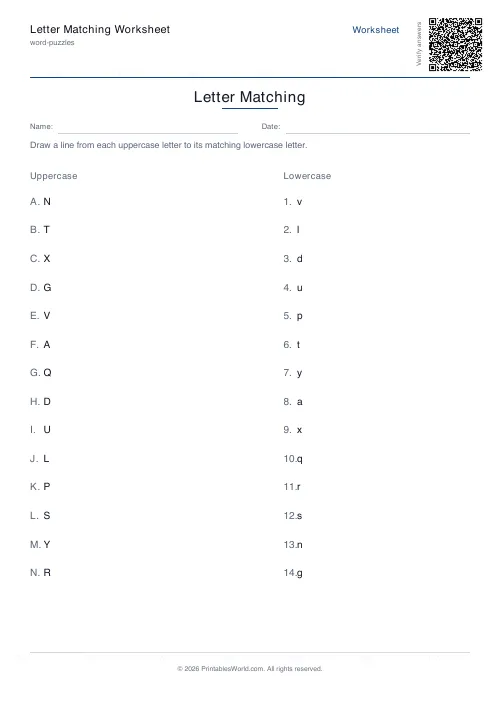
Letter Matching Worksheet
Match each uppercase letter to its lowercase partner.
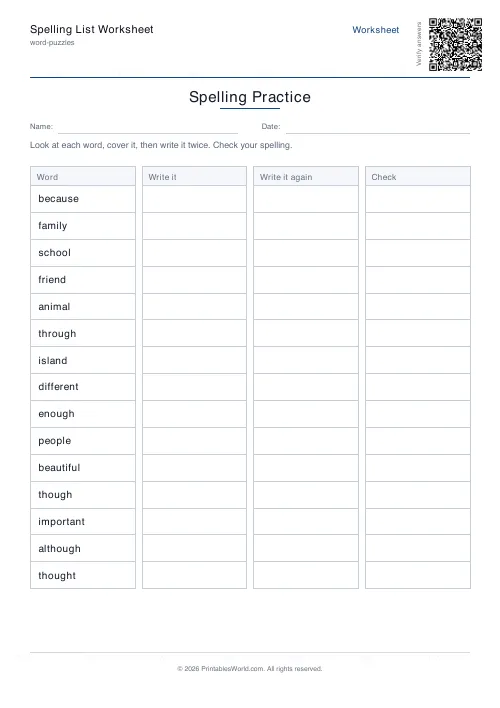
Spelling List Worksheet
Look, cover, write, and check. Practice any spelling list.
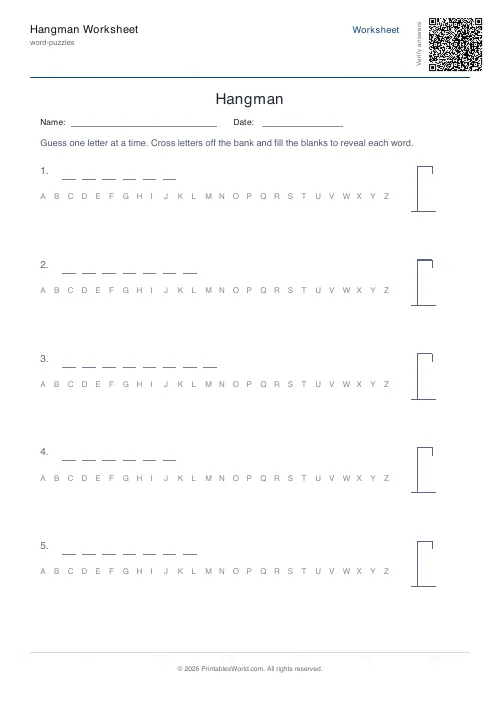
Hangman Worksheet
Printable hangman game sheets with blanks, an alphabet bank and a gallows.
Further reading
Word Puzzles
Phonics at home: CVC words, blends and beyond
The order matters more than the materials, and one small thing, saying pure sounds rather than "buh" and "cuh", makes blending dramatically easier.
6 min read
Word Puzzles
Sight words: the complete teaching guide
Sight words are usually taught as words to memorise. Most of them are partly decodable, and treating them that way works better. Here is how, and how many to teach at once.
6 min read
Literacy & Spelling
Do word searches help spelling? What works
Do word searches help spelling, or just fill time? What they practise, what the evidence suggests, and how to turn a spelling list into useful recall practice.
8 min read
More like this
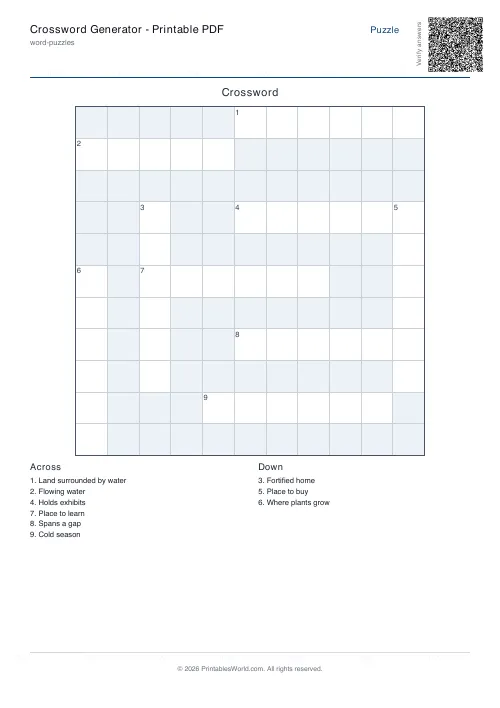 Crossword Generator: Printable PDF
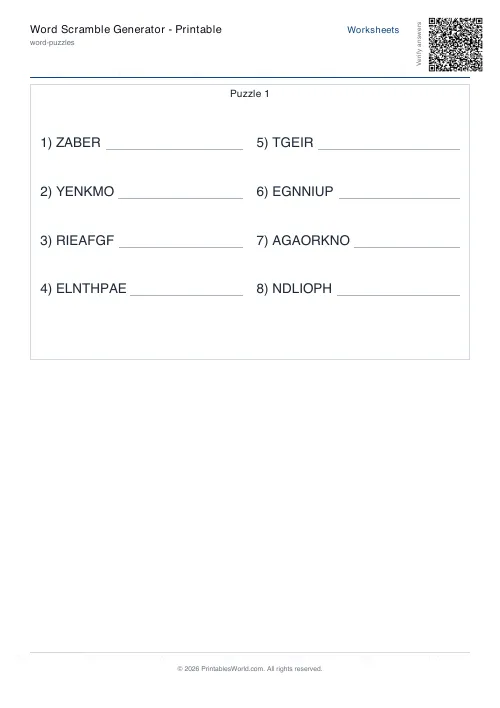 Word Scramble Generator: Printable
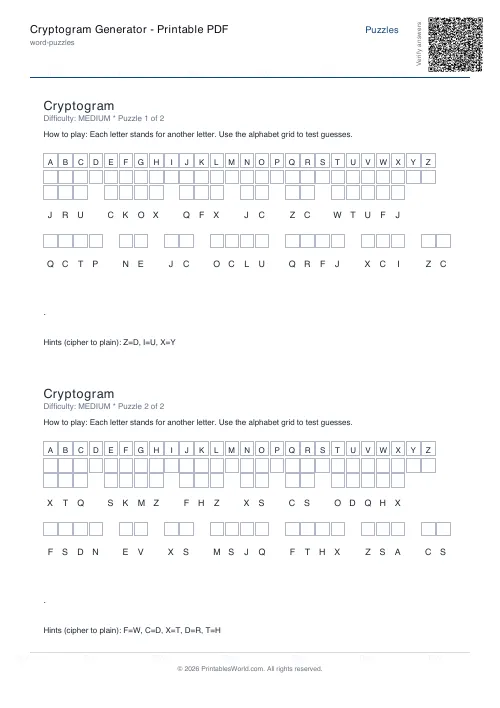 Cryptogram Generator: Printable PDF
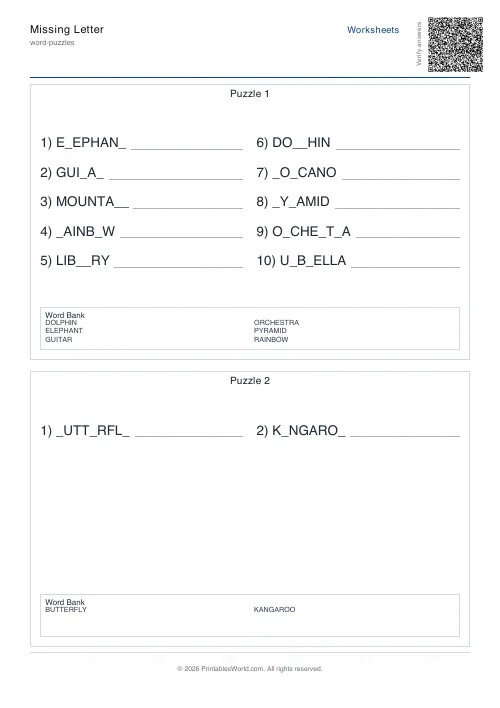 Missing Letter Generator
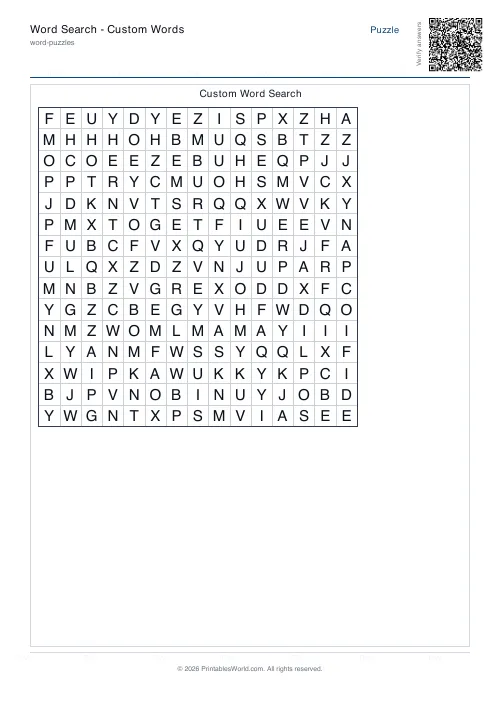 Word Search: Custom Words
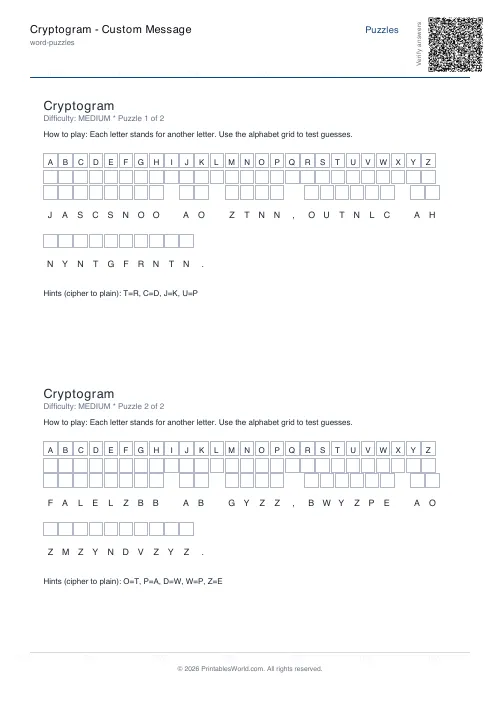 Cryptogram: Custom Message
 Crossword: Custom Clues
 Crossword: General Knowledge
 Mini Crossword
 Cryptogram: Substitution Cipher
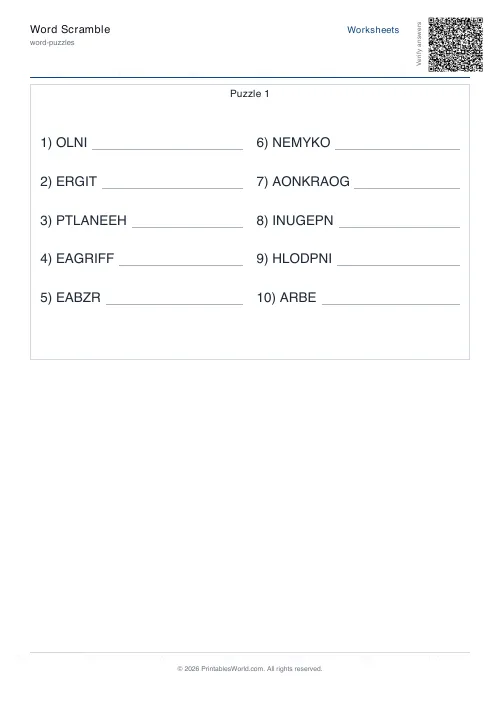 Word Scramble Generator
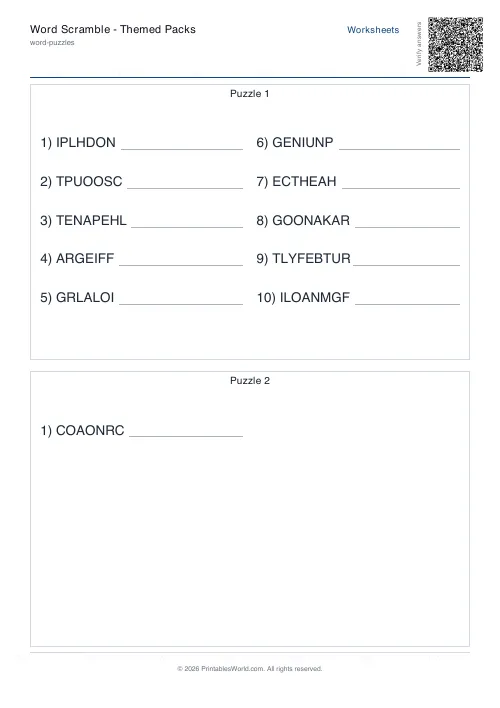 Word Scramble: Themed Packs
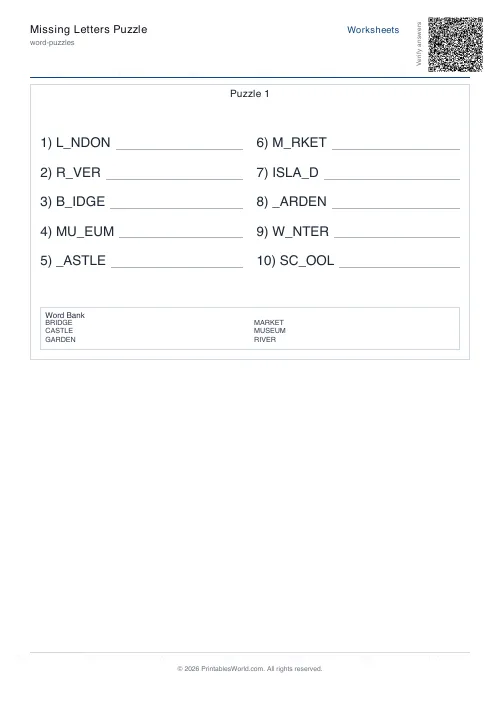 Missing Letters Puzzle
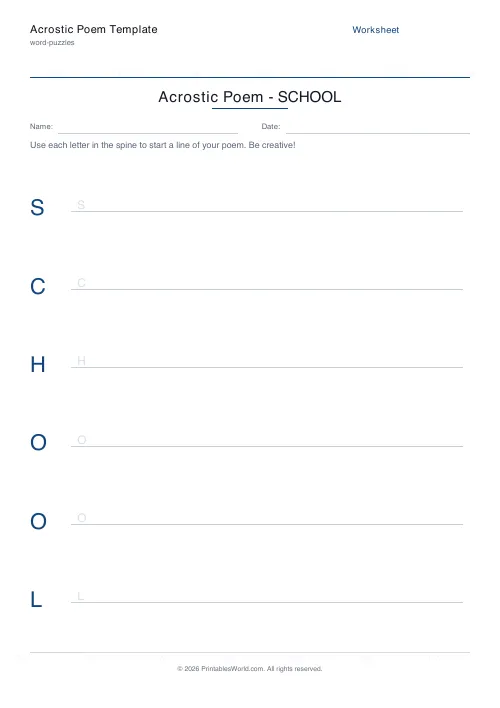 Acrostic Poem Template