What this tool does
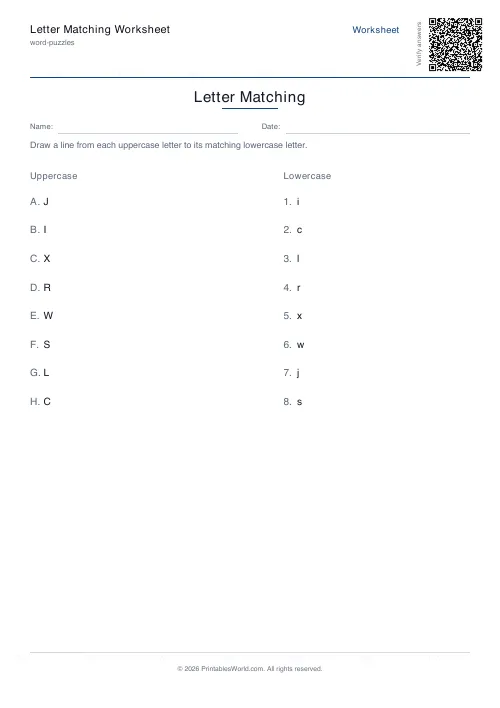
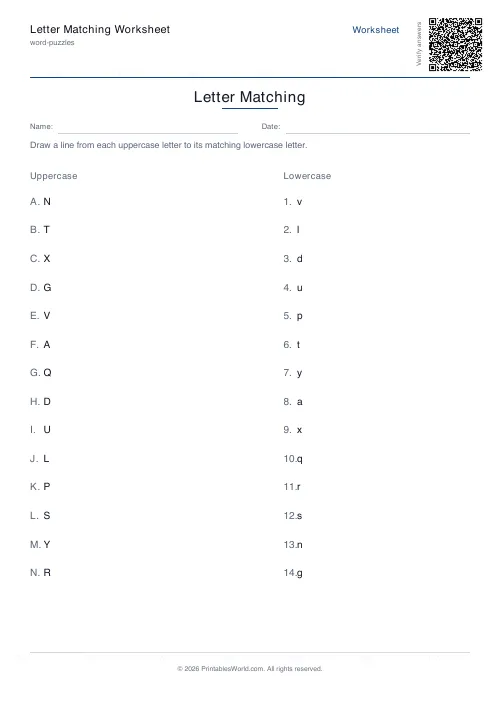
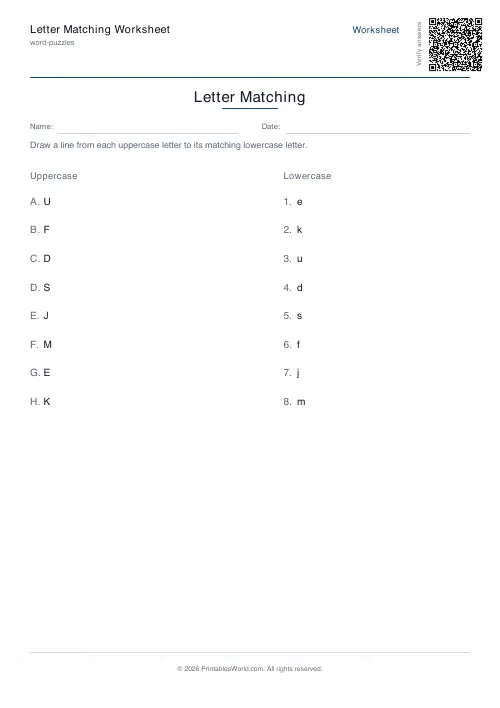
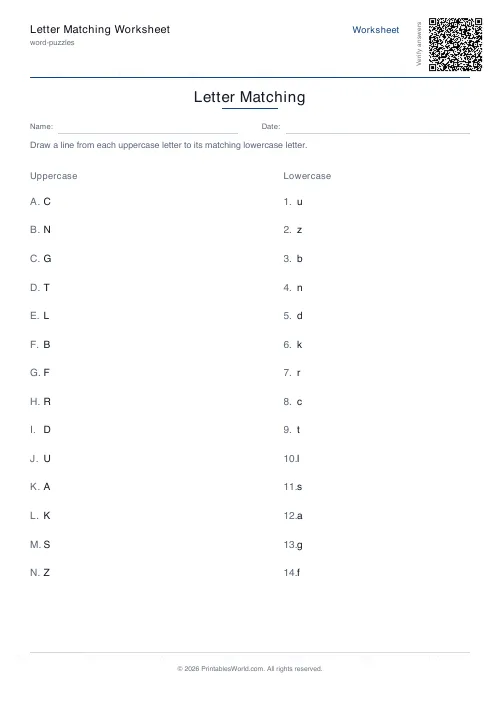
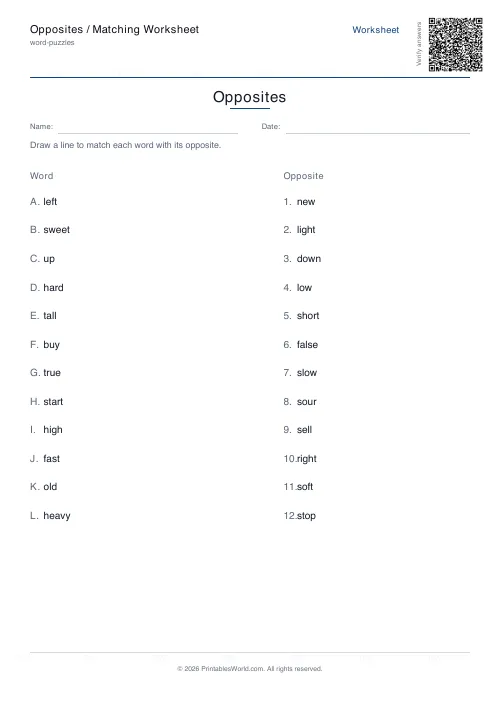
Uppercase letters shuffled down the left, lowercase shuffled down the right, and a line to draw between each pair. Six to fourteen letters a sheet, with an answer key.
People also used
Feedback
Spotted something off with this tool?
Match the capital to its lowercase
Capitals down one column in a shuffled order, lowercase down the other in a different shuffled order. The child draws a line joining each pair. Six to fourteen letters a sheet.
Both columns are reshuffled every time, so two children sitting together get different sheets and the answer cannot be copied across.
Why this is harder than it looks
Adults see A and a as the same letter and forget it was ever learned. It was.
Some pairs are obvious because the shape is the same and only the size changes. C and c. O and o. S and s. Others share nothing whatsoever: A and a are two unrelated drawings, and so are D and d, E and e, G and g, R and r. Those have to be learned one at a time, by memory, because there is no rule anybody can hand over.
Then there are the ones that actively mislead. Lowercase b and d are mirror images of each other, as are p and q, and capital B and D are not. A child confidently matching B to d has made a reasonable mistake.
Where to start
Six letters, and choose which six by starting with the shape-matching pairs — C, O, S, W, X, Z. Those give an early success and establish what the task is.
Then take the unrelated ones in small groups. Fourteen at once is a full sheet, and it suits a child who mostly knows these already and is practising for speed.
Say the letter names aloud
The matching can be done purely visually, without any letter being named, and a child can complete the sheet correctly while still not knowing what the letters are.
Ask for the name as each line is drawn. It takes no extra time and turns a shape-matching exercise into a letter-recognition one, which is the actual point.
Setting the sheet up
Letter count from 6 to 14, a worksheet title, an instruction line you can rewrite, optional Name and Date fields, and the answer key on or off. A4 or US Letter.
What comes after
Once the pairs are secure, the next step is producing rather than matching: show a capital and ask for the lowercase written from memory. The handwriting sheets handle that side, with a traceable model and a line to write on.
Print at 100% on A4 or US Letter. The letters are drawn large so a young child can point at them.
FAQs
Quick answers
What age is this for?
Best for ages 3–6 who are learning letter recognition and the relationship between upper and lower case.
How many letter pairs per page?
Six to fourteen pairs per sheet. Ten is the comfortable default.
Are letters always the same?
No. The engine picks a random subset of the alphabet on every regenerate, and shuffles each side independently.
Is there an answer key?
Yes. Toggle the answer-key option for a second page with the matching lines drawn in.
Related tools
Further reading
More like this
 Crossword Generator: Printable PDF
 Word Scramble Generator: Printable
 Cryptogram Generator: Printable PDF
 Missing Letter Generator
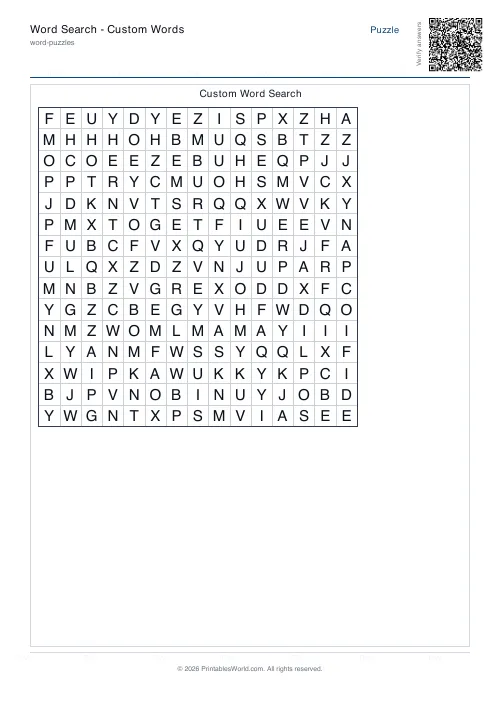 Word Search: Custom Words
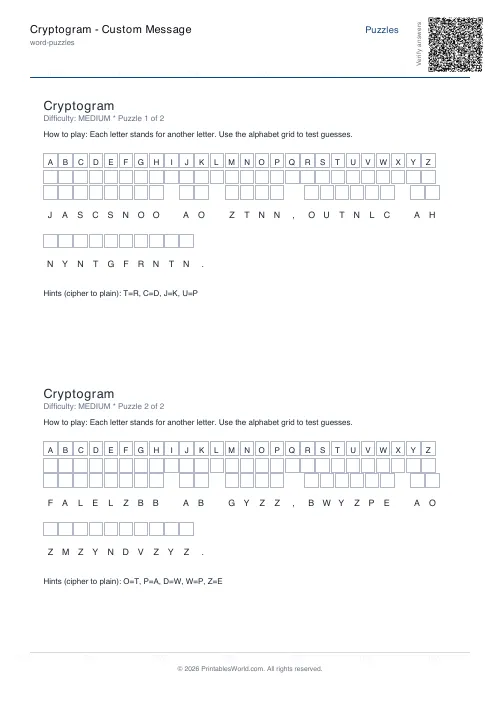 Cryptogram: Custom Message
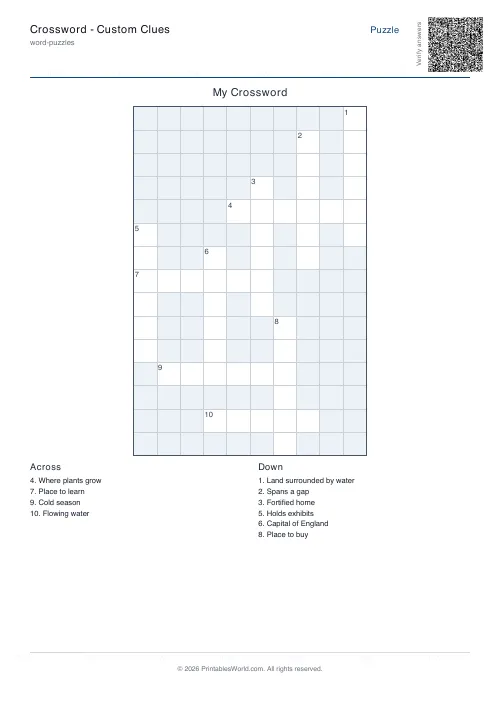 Crossword: Custom Clues
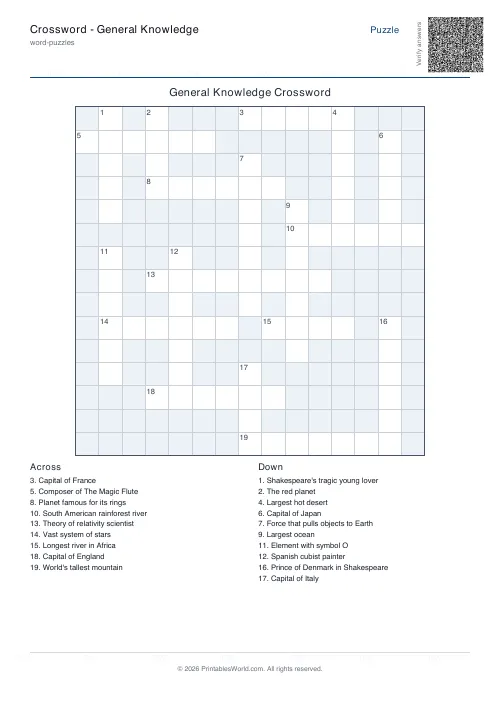 Crossword: General Knowledge
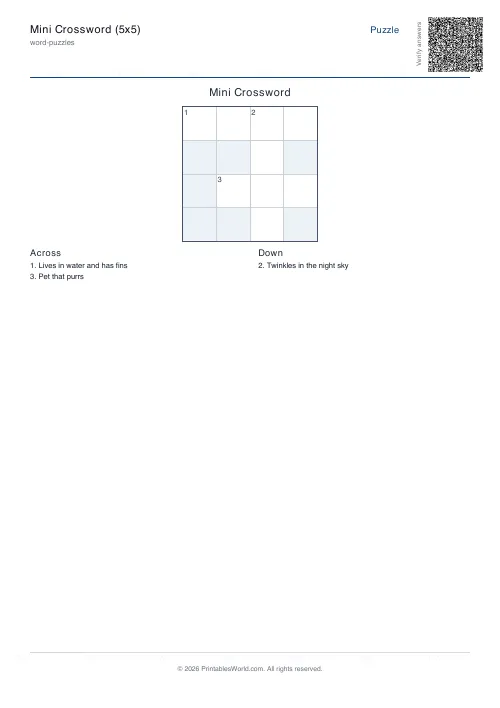 Mini Crossword
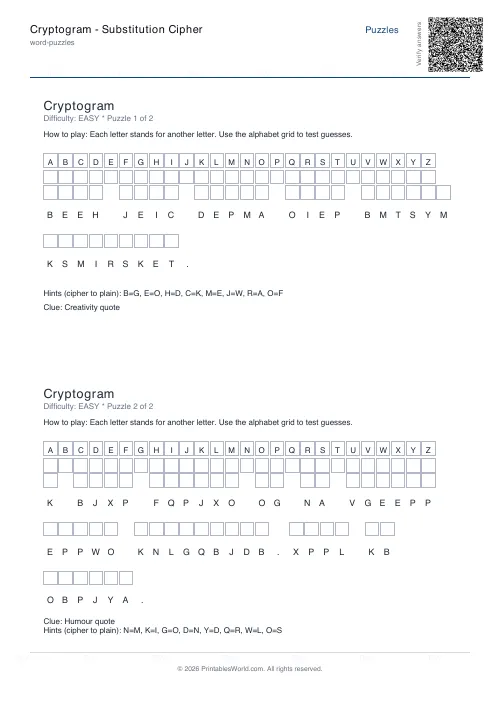 Cryptogram: Substitution Cipher
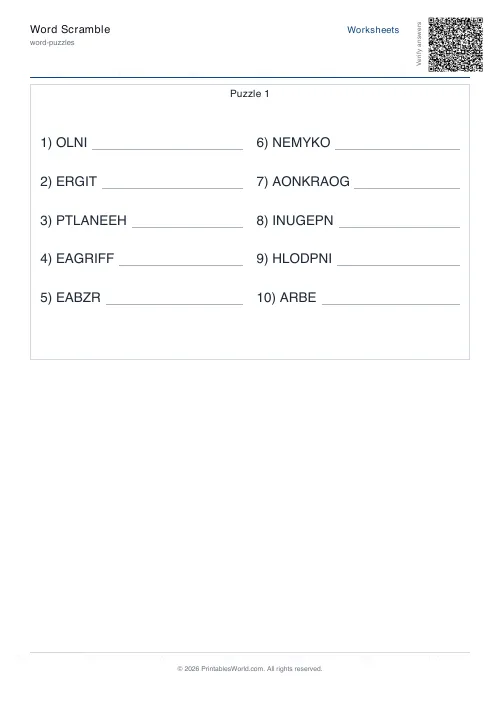 Word Scramble Generator
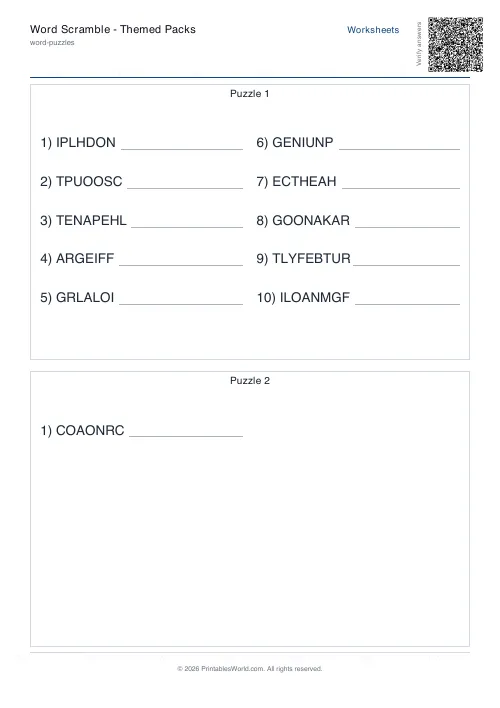 Word Scramble: Themed Packs
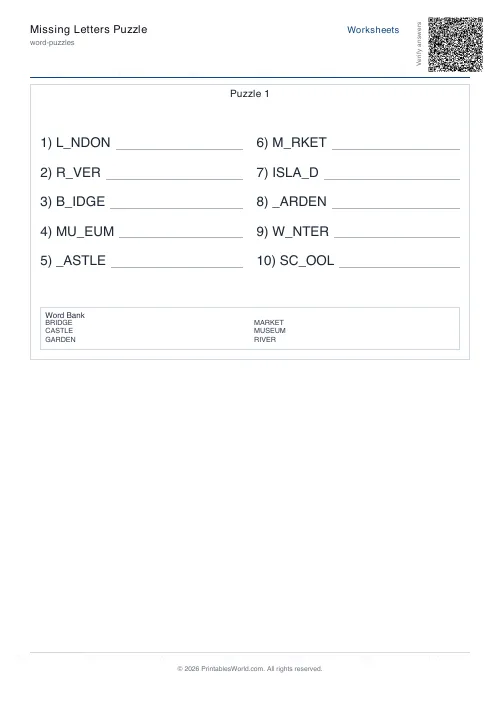 Missing Letters Puzzle
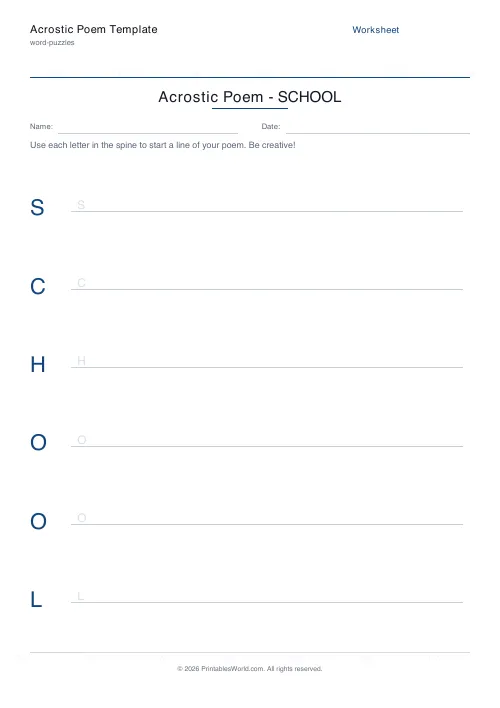 Acrostic Poem Template