What this tool does
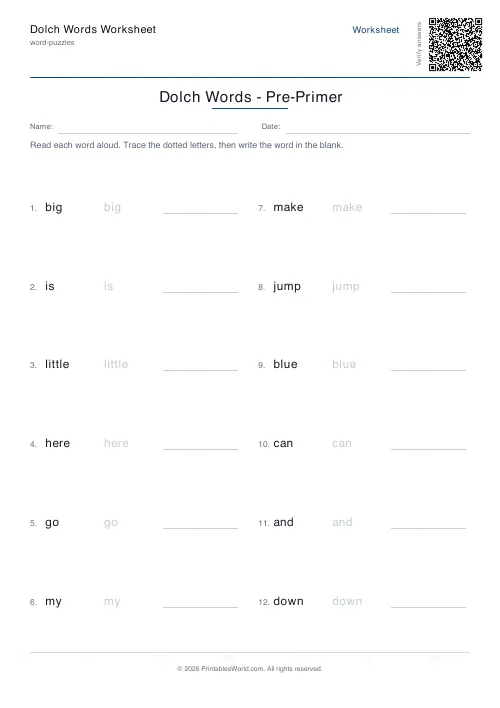
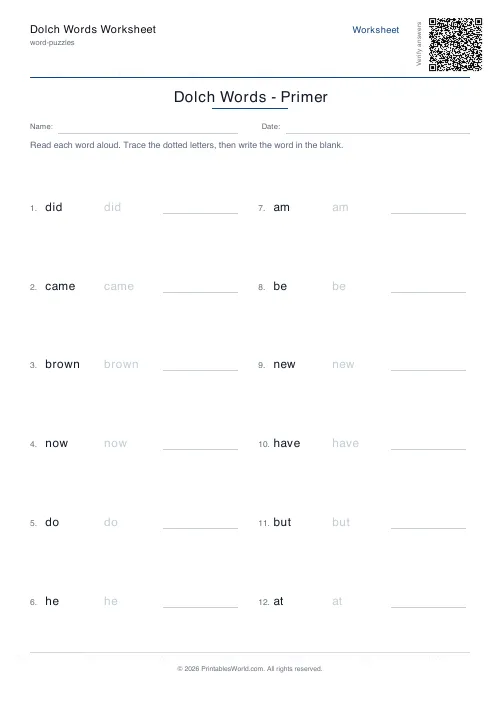
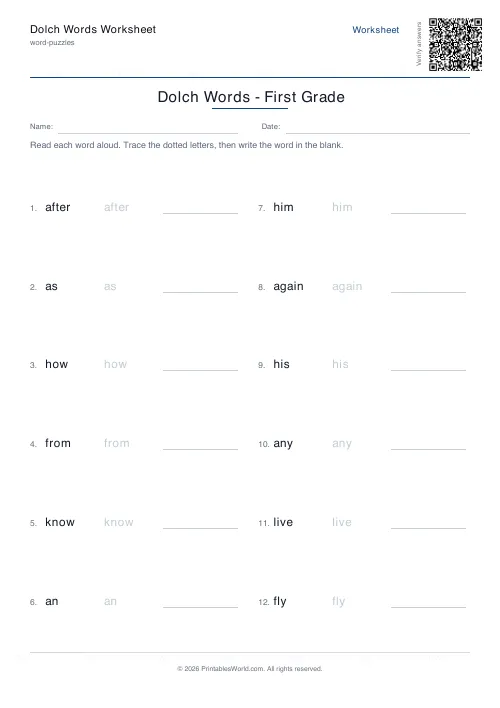
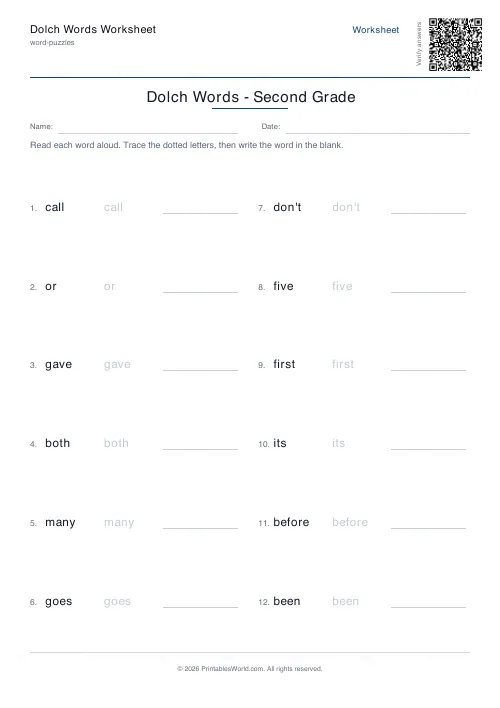
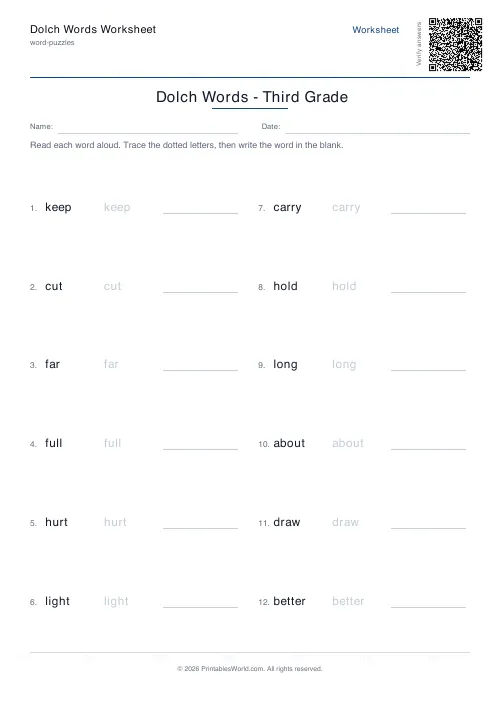
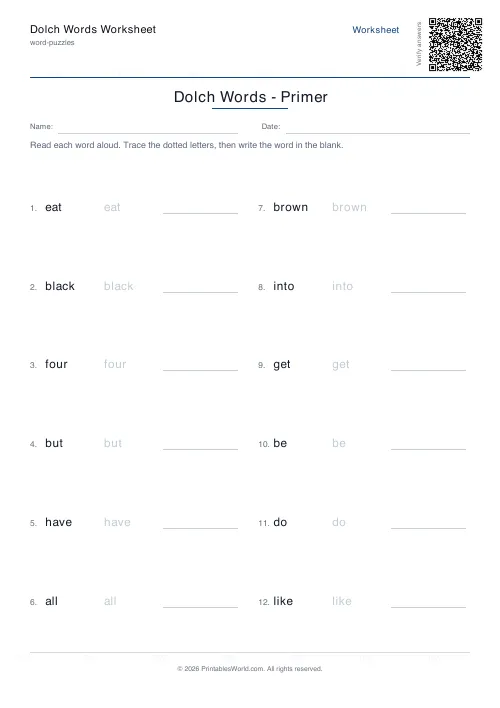
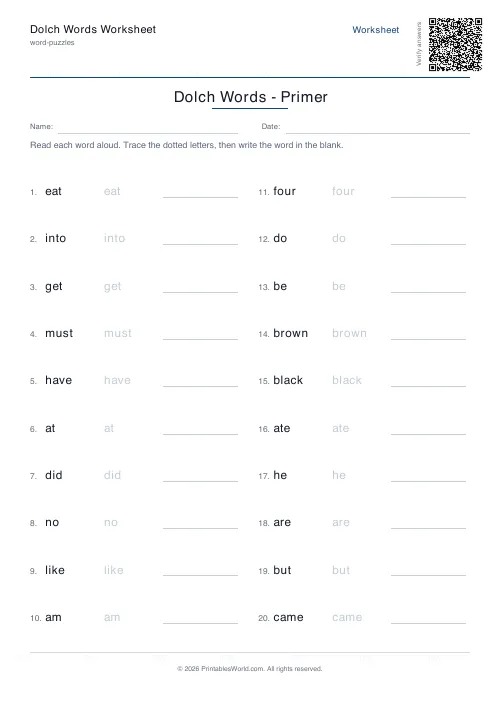
Dolch sight word practice by level, from pre-primer to third grade. Each word prints for reading, again faintly for tracing, and once more as a blank line. Eight to twenty words a page in two columns.
People also used
Feedback
Spotted something off with this tool?
The Dolch lists, one level at a time
Five levels are available, running from pre-primer up to third grade. Pick one and the sheet draws its words from that list, printing each to read, to trace, and to write.
Eight to twenty words per page, laid out in two columns.
What the Dolch list is
It is a list of the words that turn up most often in children's reading, compiled by Edward Dolch in the 1930s. It is still in use for a straightforward reason: word frequency in English has barely moved since.
Between them the levels account for a large share of the words on any page of children's writing, which is the argument for teaching them directly rather than waiting for them to be encountered. A child who reads the pre-primer list instantly — a, and, away, big, blue, can, come, down — can give their attention to the words that carry the story.
Many of them cannot be sounded out
This is the part that matters and the part most often skipped.
Come does not rhyme with home. Said does not sound like it looks. Are, from, could, been — a child applying phonics to those gets them wrong, and being corrected repeatedly on a word they decoded by the rules they were taught is a fast route to deciding the rules do not work.
Say plainly that these are words to learn by sight, and that they are exceptions. Children accept that easily; what they find confusing is being told to sound out a word that will not sound out.
Choosing a level
Start below where you think the child is. A level that is too easy costs one session. A level that is too hard costs a fortnight of reluctance, and you will not get that back.
Twelve words a sheet is the default and about right. Twenty is a lot of new sight words for one week — use it for revision of words already met rather than for a fresh list.
Adjustments
Level, word count from 8 to 20, a title, an instruction line, and optional Name and Date fields. A4 or US Letter.
Words are drawn from the level's list and shuffled, so two sheets at the same setting are not the same page.
Running it
Say each word before tracing it. A silent tracer is practising handwriting; the connection being built is between the shape and the sound, and it needs both present.
Then cover the row and ask for the word written from memory on the back. Ten seconds, and considerably more informative than the finished sheet.
Print at 100% on A4 or US Letter.
FAQs
Quick answers
What are Dolch sight words?
A list of 220 high-frequency English words assembled by educator Edward Dolch. Mastering these means a beginner can read most of the text in a typical children's book.
Which level should I pick?
Pre-Primer suits new readers (~ages 4–5), Primer ages 5–6, First grade 6–7, Second 7–8, Third 8–9.
How many words per page?
Eight to twenty words per worksheet, laid out in two columns.
Where do these come from?
A built-in pool taken from Edward Dolch's original lists; the engine shuffles and slices the level you chose.
Related tools
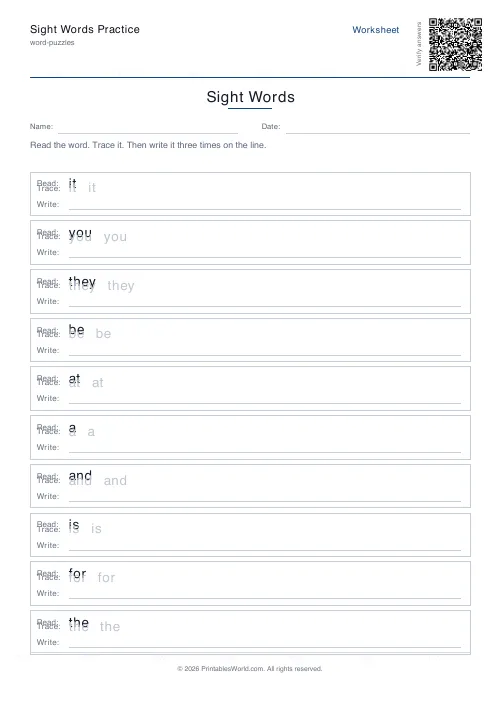
Sight Words Practice
Read, trace, and write high-frequency sight words.
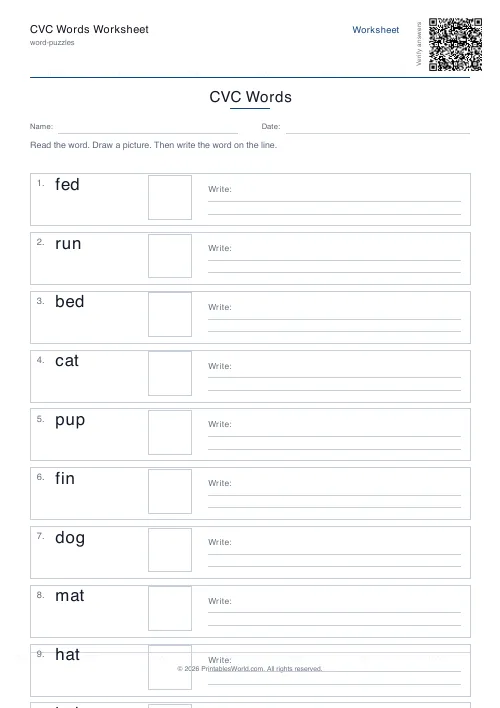
CVC Words Worksheet
Read, draw, and write consonant-vowel-consonant words.
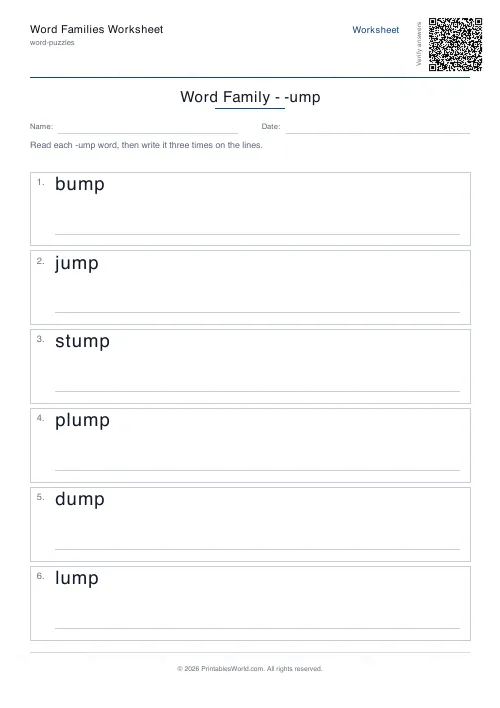
Word Families Worksheet
Read, trace and write words from a single word family.
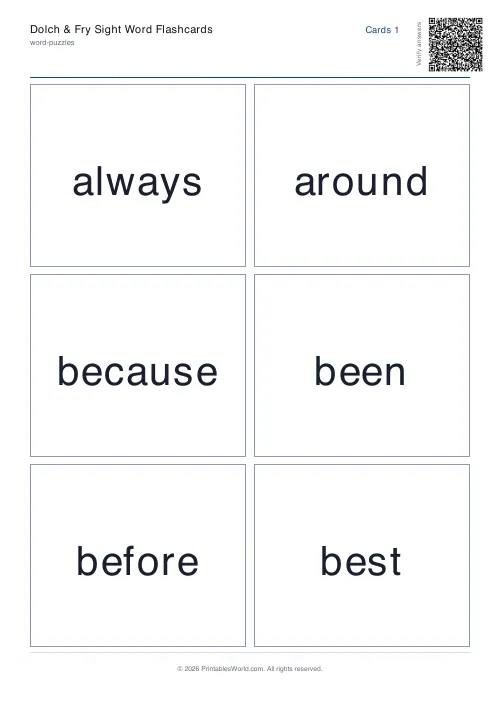
Dolch & Fry Sight Word Flashcards
Print cut-apart flashcards for the Dolch and Fry high-frequency word lists.
Further reading
Word Puzzles
Sight words: the complete teaching guide
Sight words are usually taught as words to memorise. Most of them are partly decodable, and treating them that way works better. Here is how, and how many to teach at once.
6 min read
Literacy & Spelling
Do word searches help spelling? What works
Do word searches help spelling, or just fill time? What they practise, what the evidence suggests, and how to turn a spelling list into useful recall practice.
8 min read
Word Puzzles
Phonics at home: CVC words, blends and beyond
The order matters more than the materials, and one small thing, saying pure sounds rather than "buh" and "cuh", makes blending dramatically easier.
6 min read
More like this
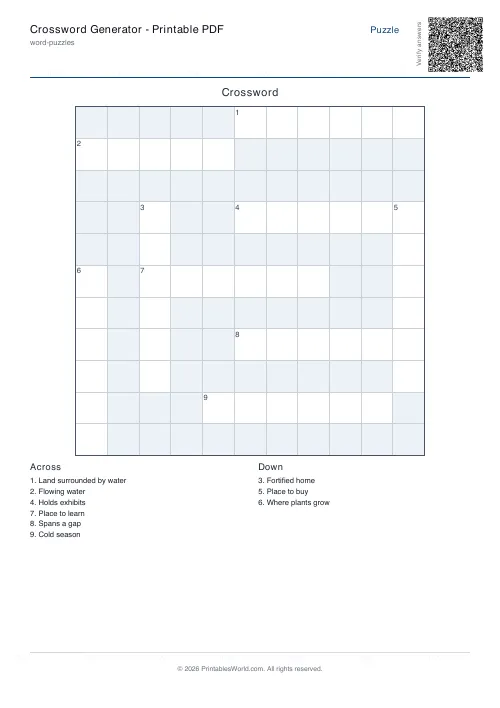 Crossword Generator: Printable PDF
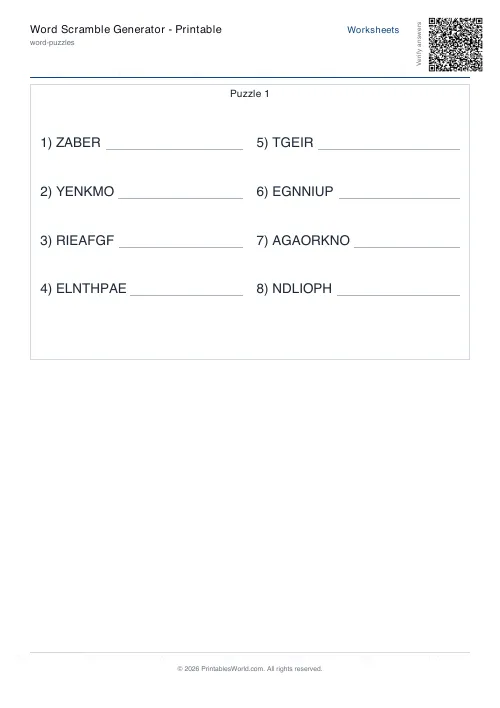 Word Scramble Generator: Printable
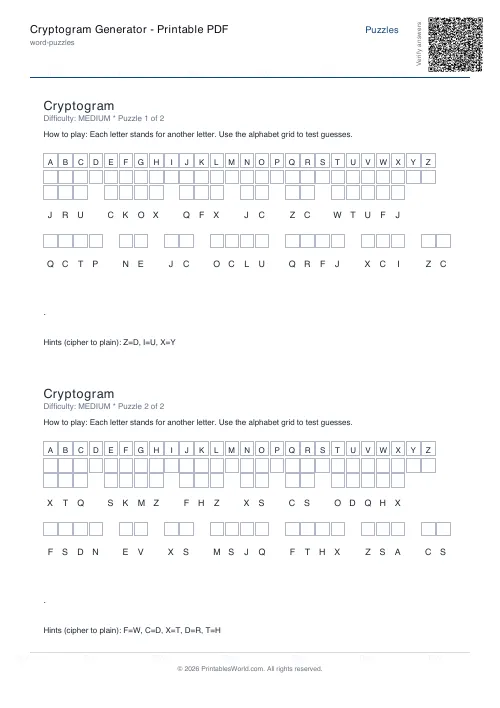 Cryptogram Generator: Printable PDF
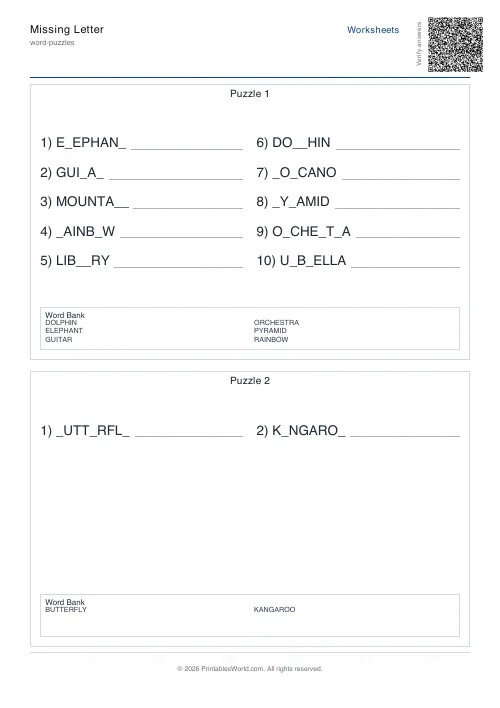 Missing Letter Generator
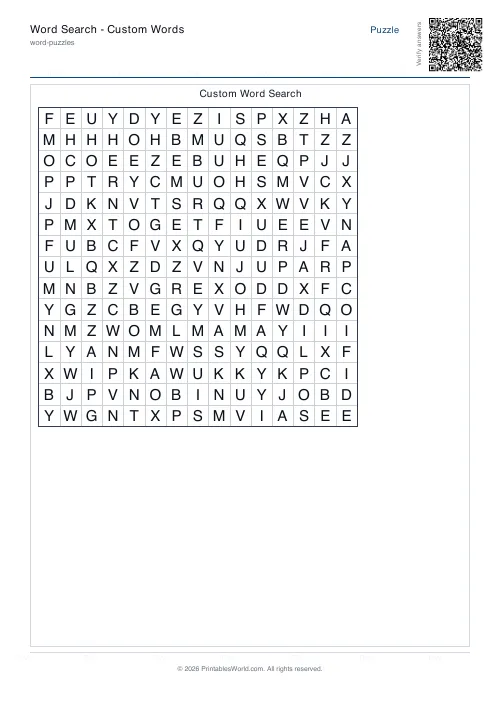 Word Search: Custom Words
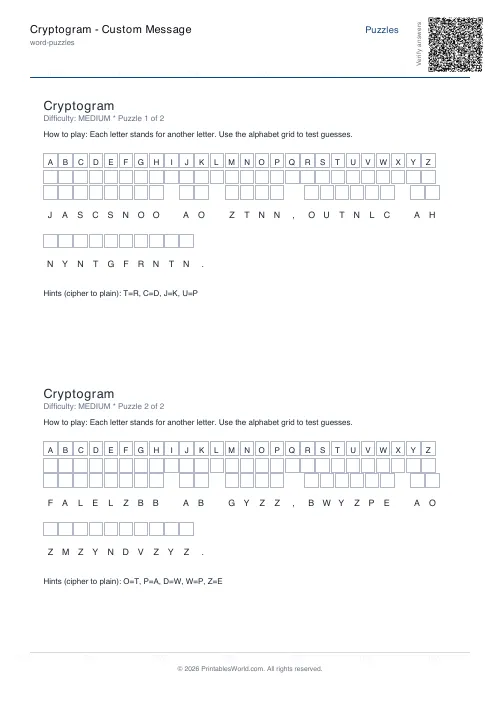 Cryptogram: Custom Message
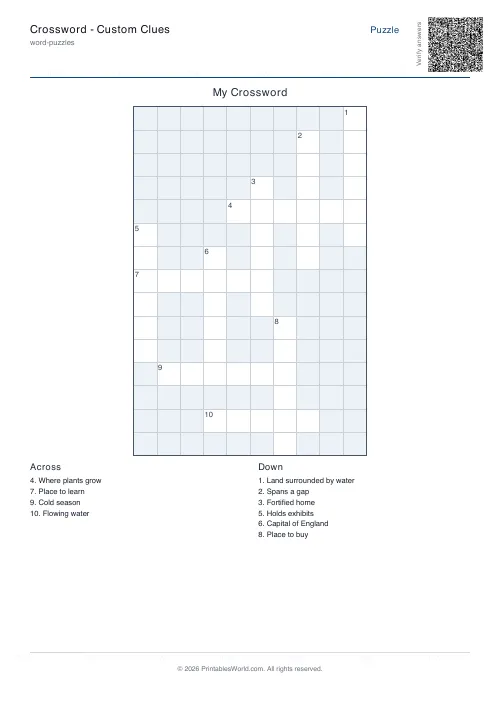 Crossword: Custom Clues
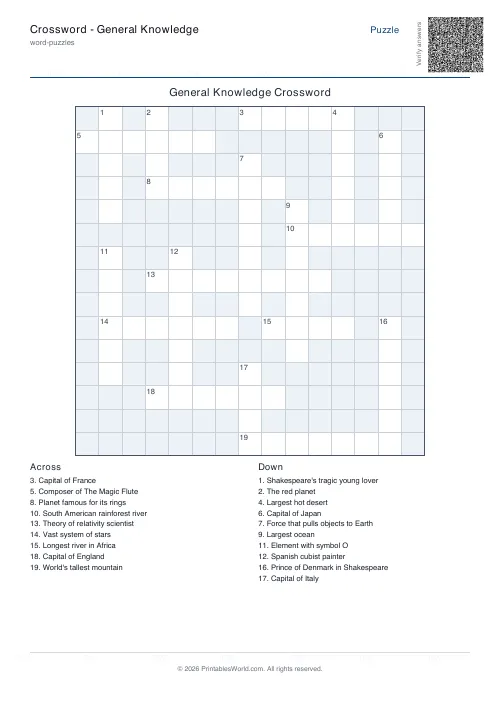 Crossword: General Knowledge
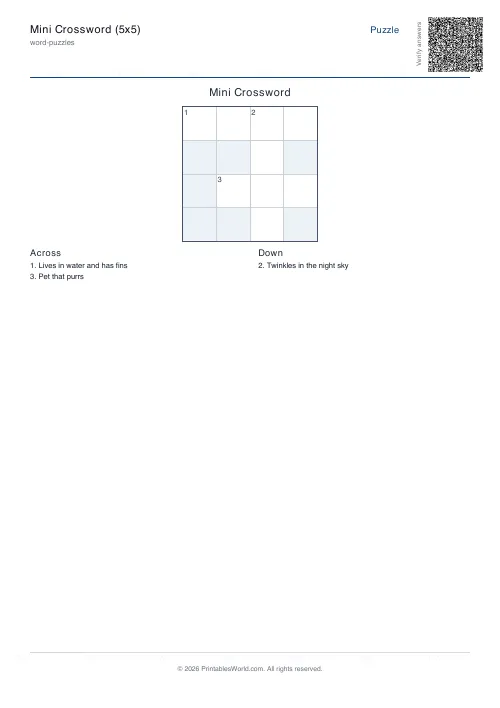 Mini Crossword
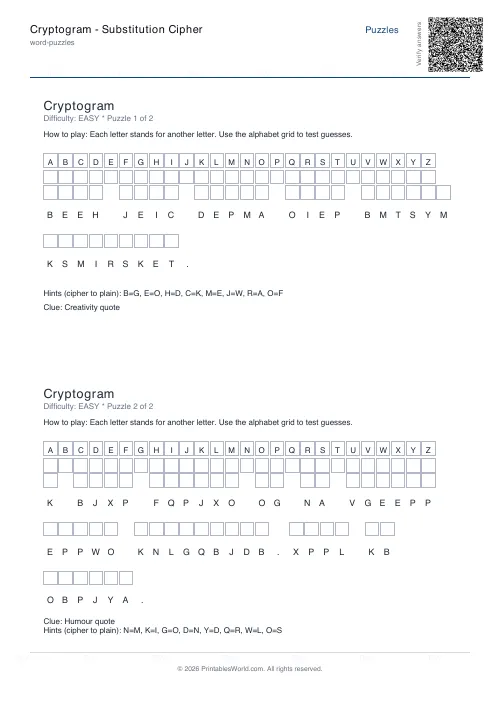 Cryptogram: Substitution Cipher
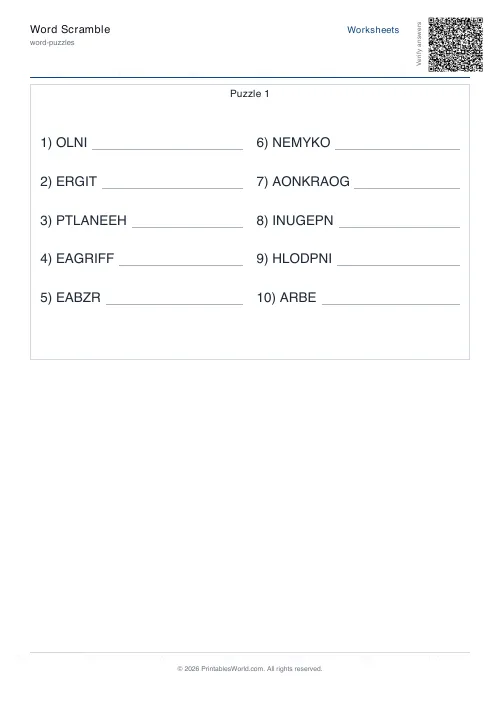 Word Scramble Generator
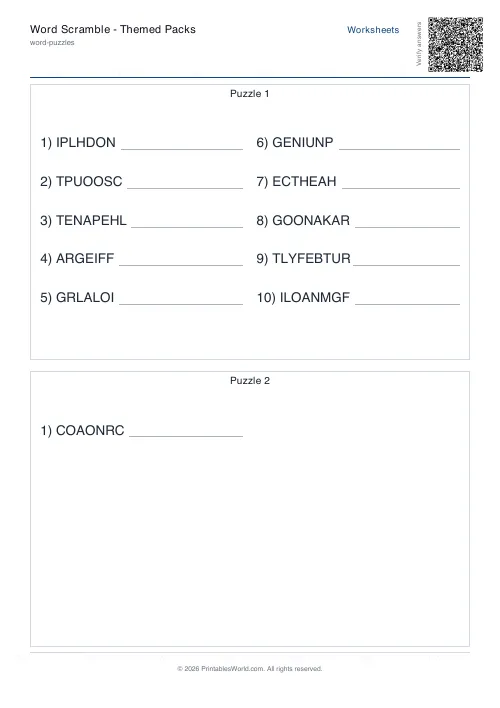 Word Scramble: Themed Packs
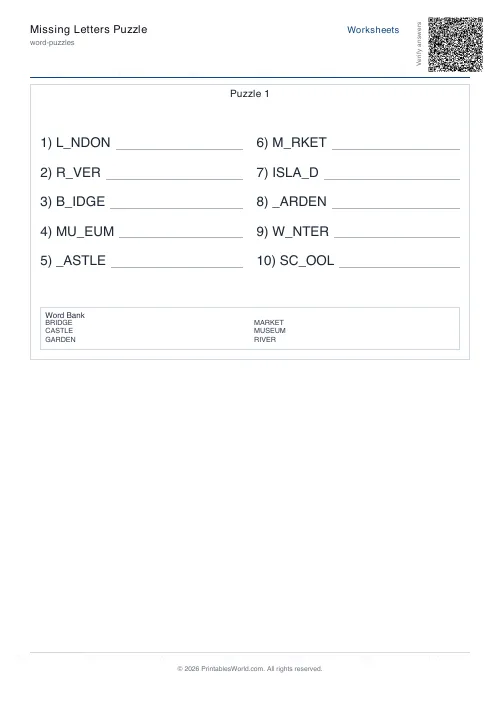 Missing Letters Puzzle
 Acrostic Poem Template