What this tool does
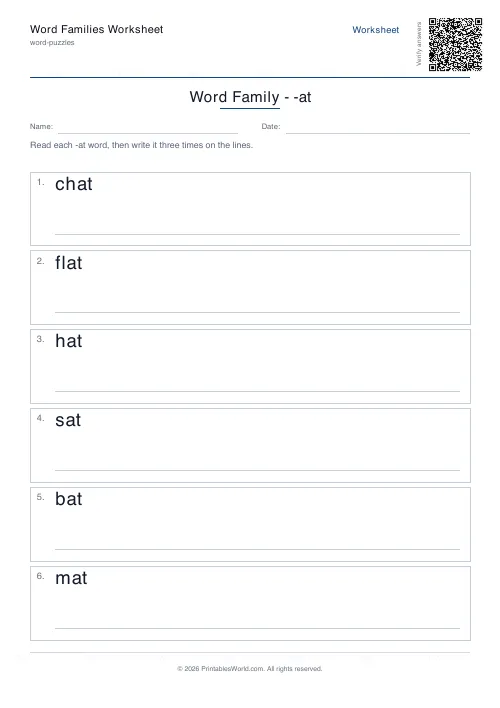
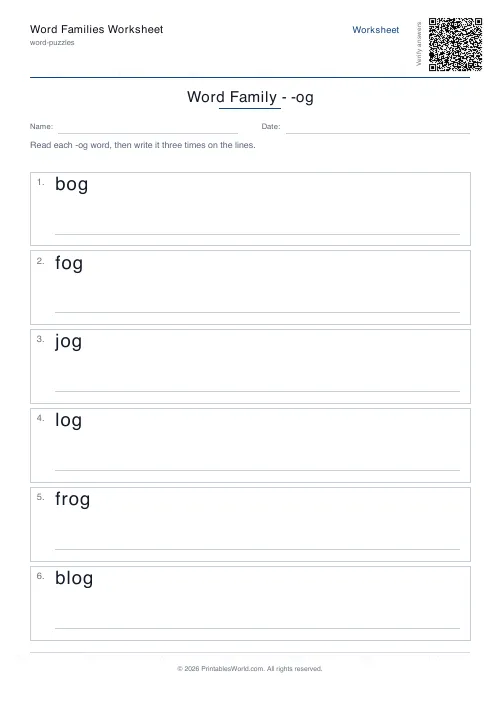
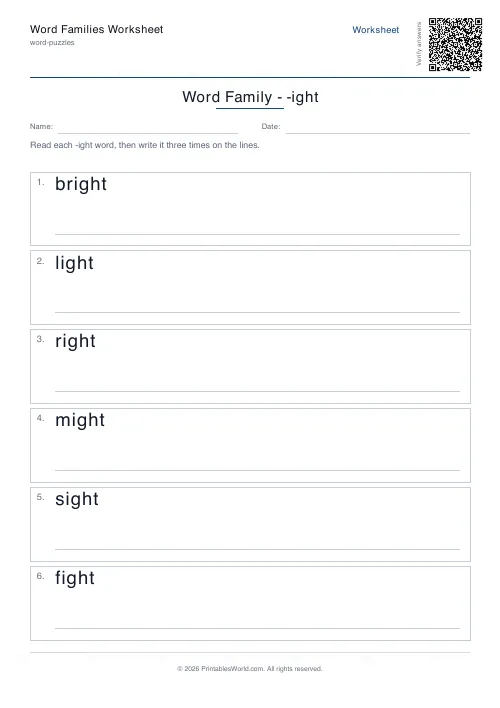
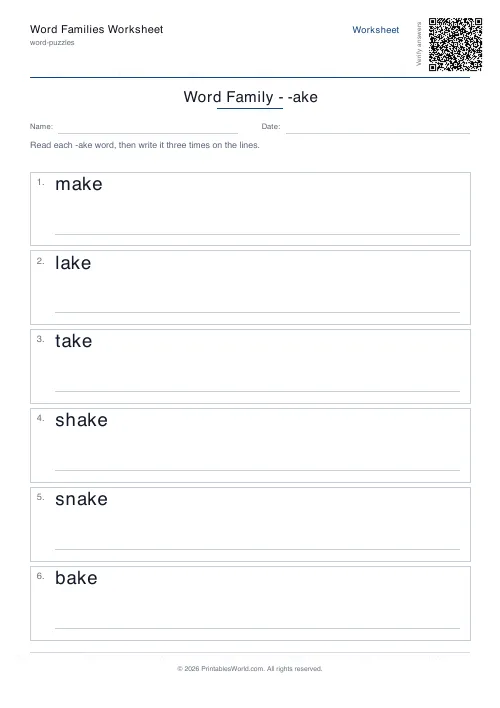
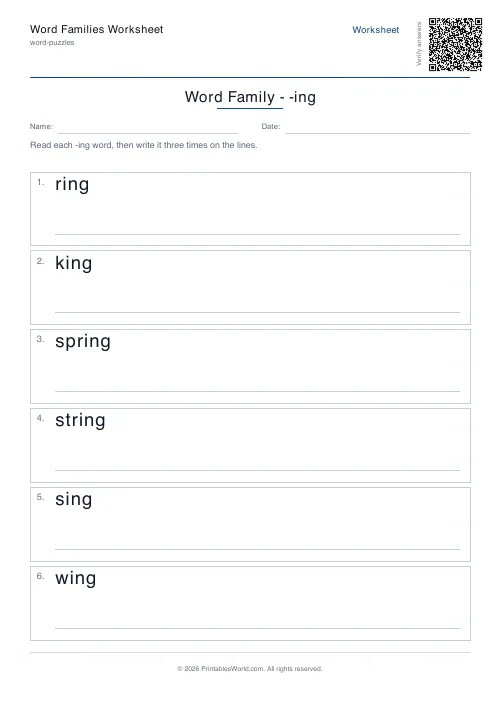
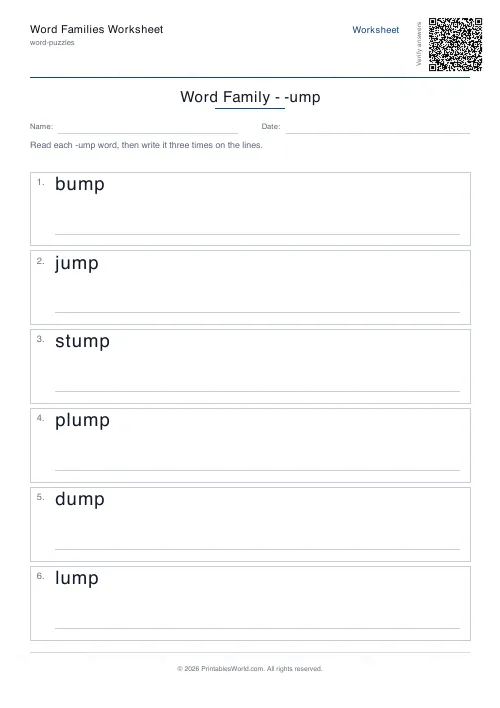
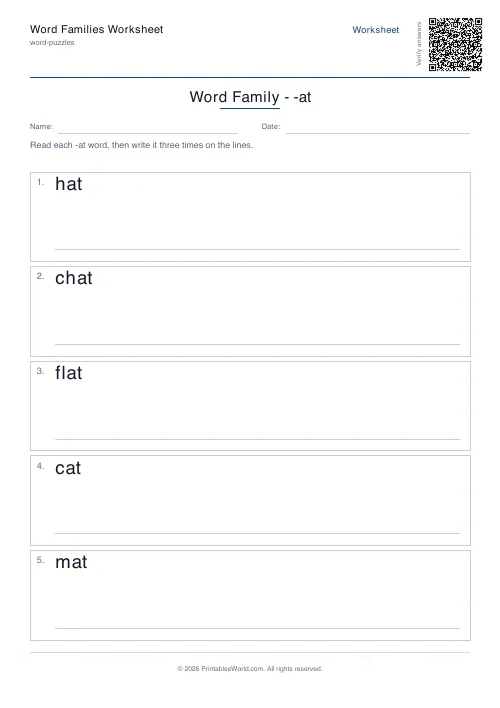
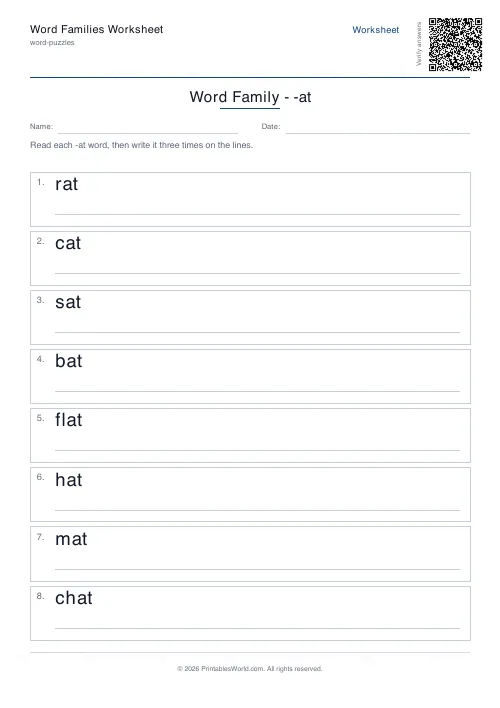
A word-family sheet for a single rime. Choose from six of them and the page prints four to eight members of that family to read and copy.
People also used
Feedback
Spotted something off with this tool?
One rime, one page
Pick a family and the sheet prints its members in a bordered list. Six are available, eight words in each: -at, -og, -ight, -ake, -ing, -ump.
Four to eight words a sheet.
Why families beat individual words
Because the ending does not change, and a child who has read cat gets bat, hat, mat and rat nearly free.
What a child learns here is that a chunk of a word behaves consistently, and that is a much faster route to fluency than meeting every word as a fresh decoding problem. Rime-based teaching is among the older ideas in reading instruction and among the better-supported ones. This is the sheet shape it asks for.
The practical effect: eight words on this page cost about as much effort as two unrelated ones.
Read them down the list, deliberately
The point is the pattern, so the list should be read as a list, not as eight separate words.
Cover the initial letter. Read the rime aloud on its own. Then uncover each letter in turn, and the child hears the constant part staying constant — which is the entire observation the method rests on, and precisely what reading them in a jumbled order hides.
The families are not equally easy
-at and -og are three-letter, one-syllable, entirely regular. They are where to start.
-ake introduces the silent e, which changes the vowel sound — a genuinely new idea rather than a new family, and worth teaching as such.
-ight is the odd one and the reason it is included. Four letters making one sound, none of them predictable, and no phonics rule will get a child there. It has to be learned as a chunk, which is exactly the argument for teaching rimes at all.
Beyond the sheet
Ask for a family member that is not printed. Producing one is much harder than reading one, and it is where you find out whether the pattern has landed.
Nonsense words count and are worth allowing — a child who offers zat has understood the rime perfectly, and correcting them for it teaches the wrong lesson.
What you can change
The family, word count (4 to 8), a title, an instruction line, and optional Name and Date fields. A4 or US Letter, printed at 100%.
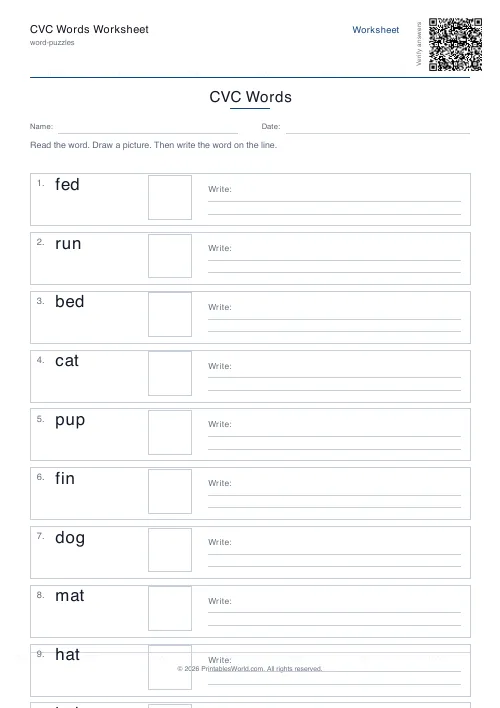
For three-letter words across all five short vowels rather than one rime, the CVC sheets are the companion.
FAQs
Quick answers
What is a word family?
A group of words that share the same ending sound and spelling pattern, like cat, hat, mat, bat. All in the -at family.
Which families are included?
Six core rimes: -at, -og, -ight, -ake, -ing, -ump. Chosen for early reading practice.
How many words per page?
Four to eight bordered rows per sheet. Six is the default.
Why are word families useful?
Once children know the rime, they can decode many new words by swapping the first letter. A fast route to early reading fluency.
Related tools
Further reading
Word Puzzles
Prefixes and suffixes: a simple teaching guide
Learning that "un-" means not unlocks hundreds of words at once. Here are the affixes worth teaching first and the three spelling rules that cause most errors.
5 min read
Word Puzzles
Sight words: the complete teaching guide
Sight words are usually taught as words to memorise. Most of them are partly decodable, and treating them that way works better. Here is how, and how many to teach at once.
6 min read
Literacy & Spelling
Do word searches help spelling? What works
Do word searches help spelling, or just fill time? What they practise, what the evidence suggests, and how to turn a spelling list into useful recall practice.
8 min read
More like this
 Crossword Generator: Printable PDF
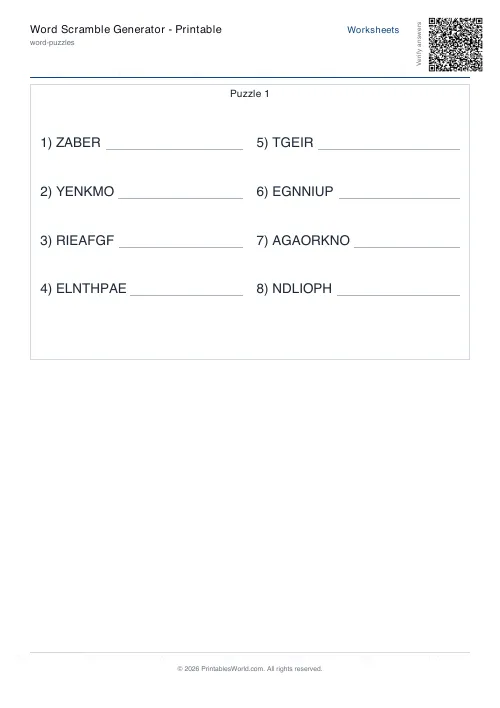 Word Scramble Generator: Printable
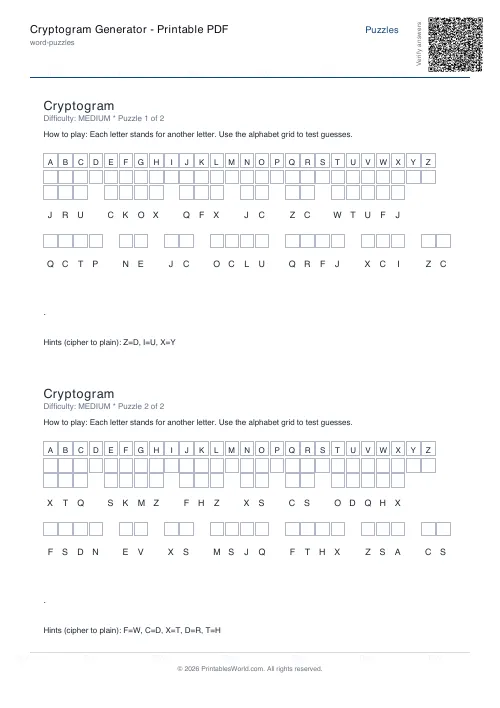 Cryptogram Generator: Printable PDF
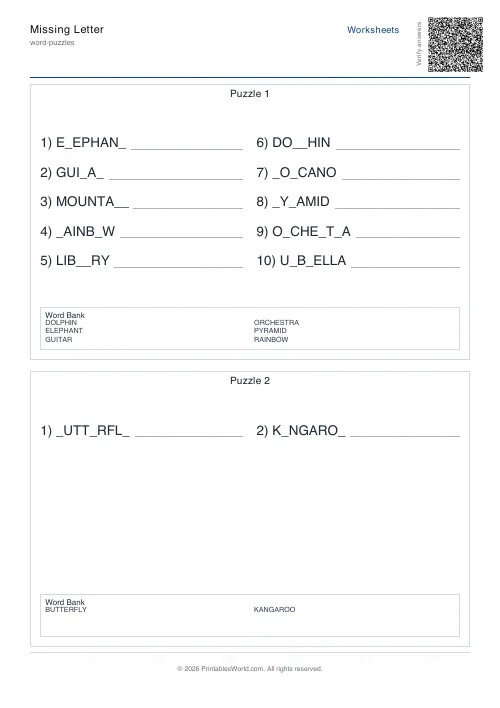 Missing Letter Generator
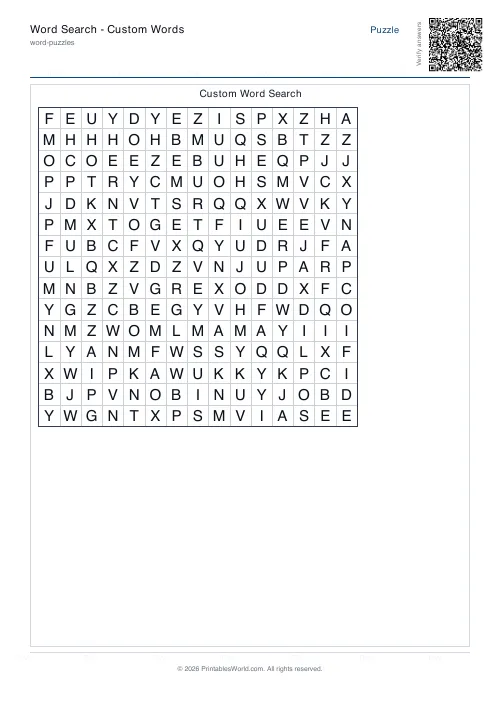 Word Search: Custom Words
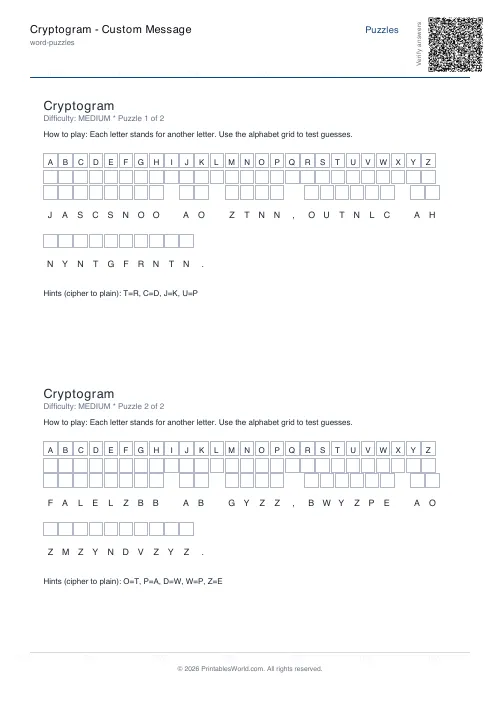 Cryptogram: Custom Message
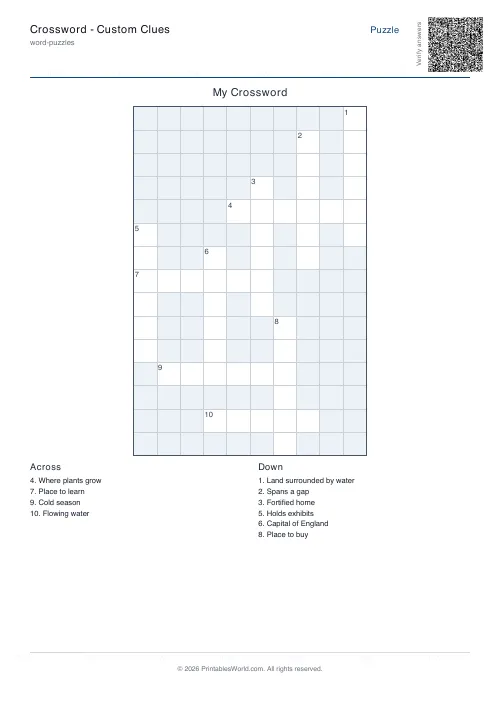 Crossword: Custom Clues
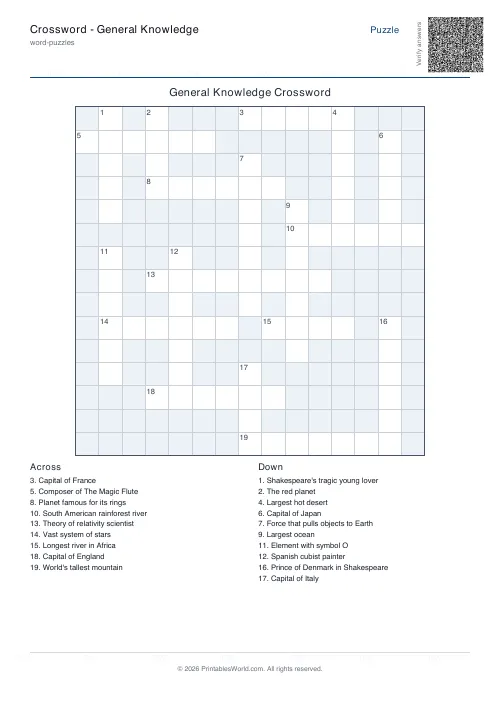 Crossword: General Knowledge
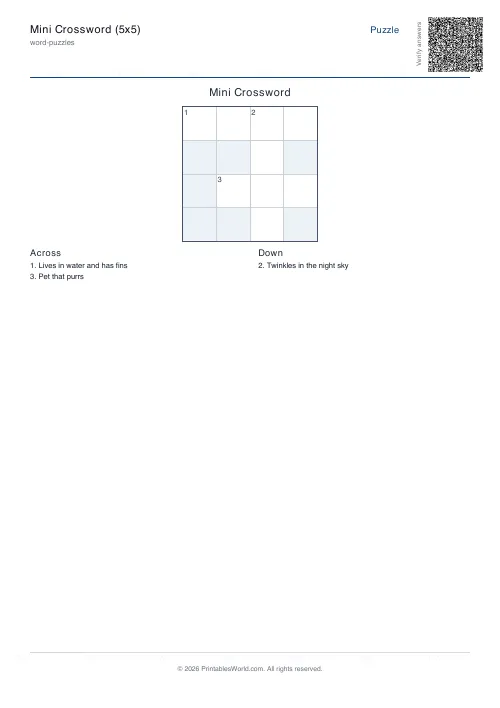 Mini Crossword
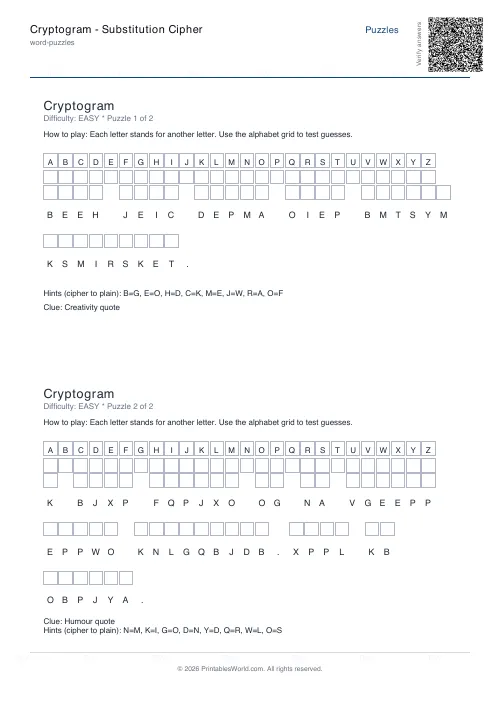 Cryptogram: Substitution Cipher
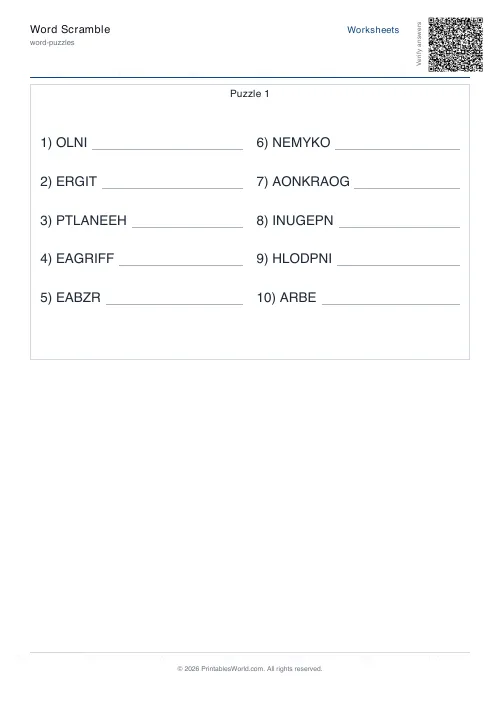 Word Scramble Generator
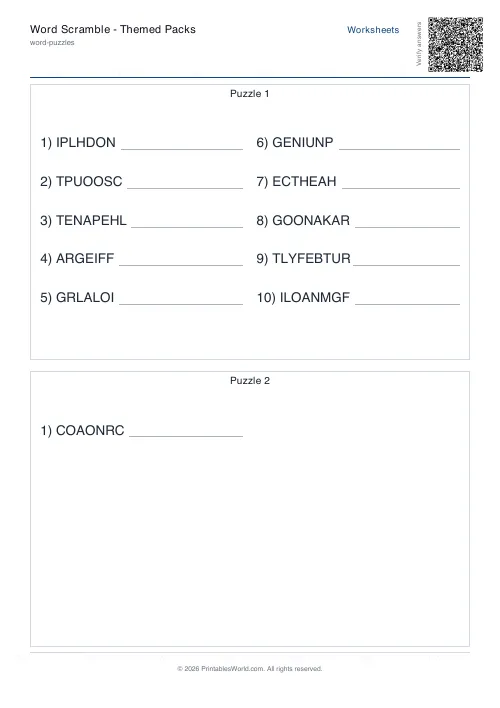 Word Scramble: Themed Packs
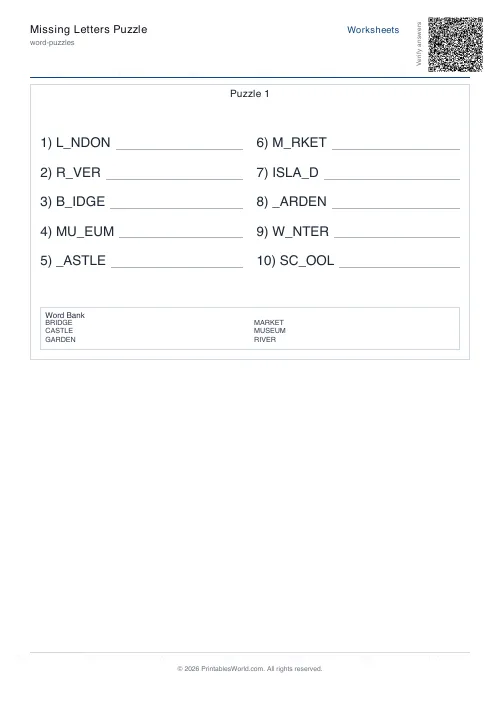 Missing Letters Puzzle
 Acrostic Poem Template