What this tool does
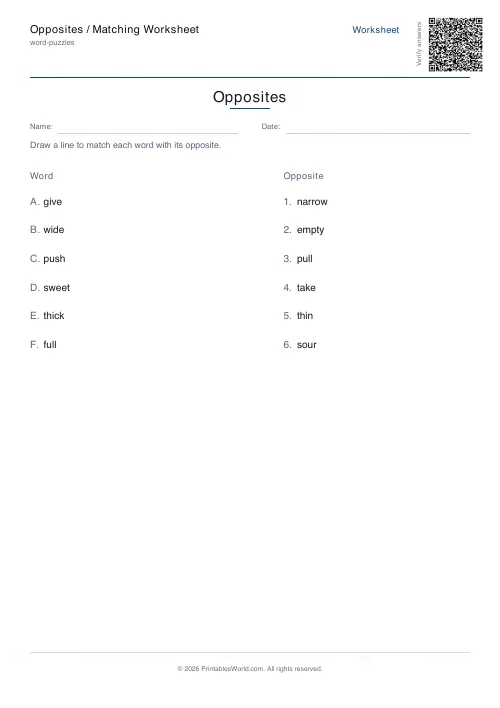
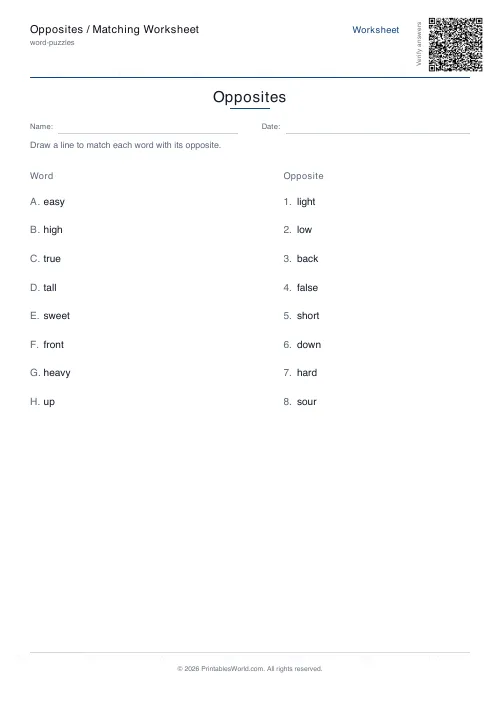
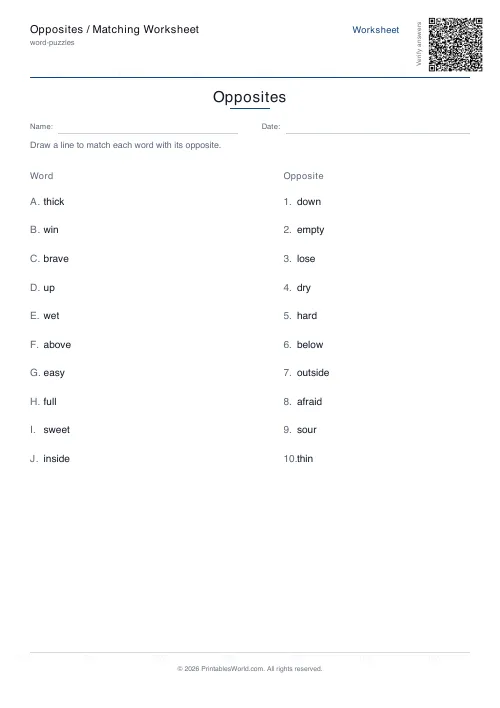
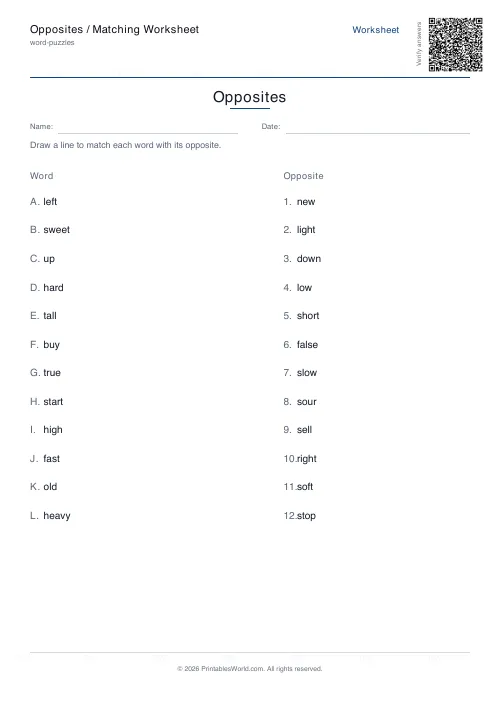
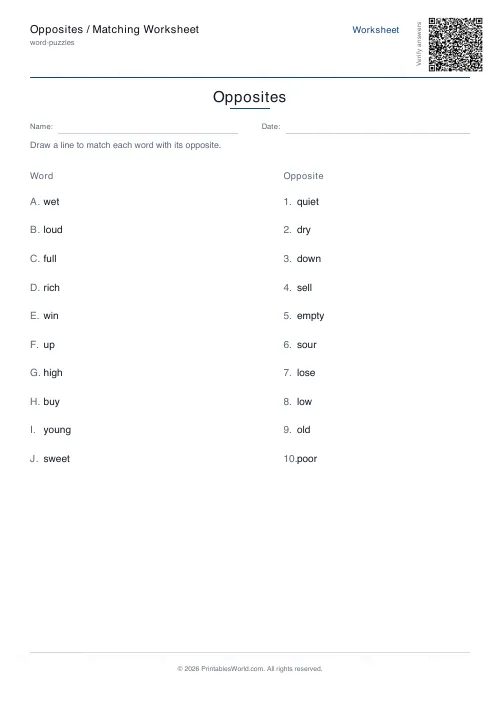
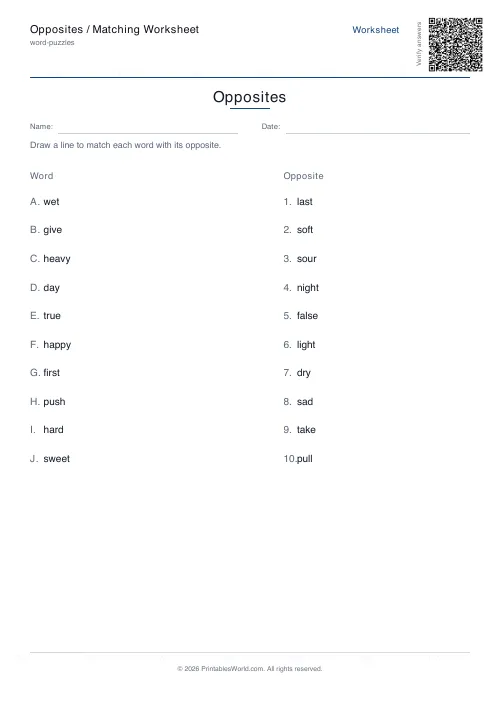
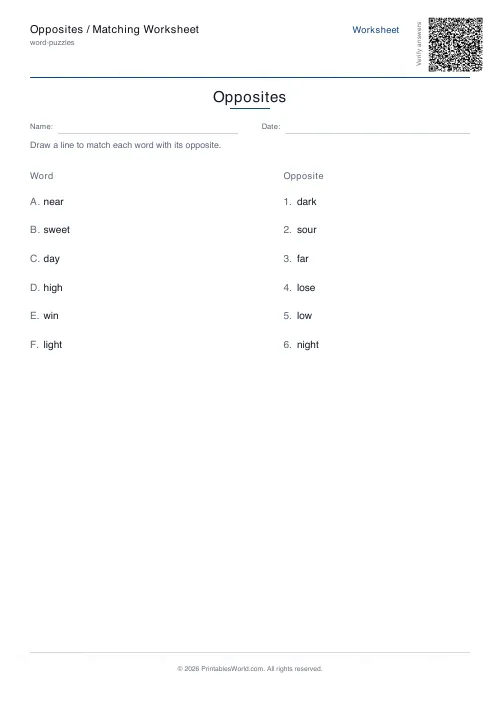
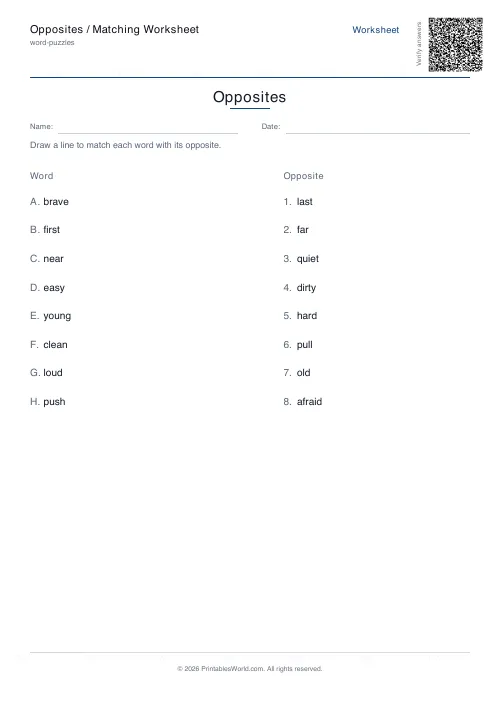
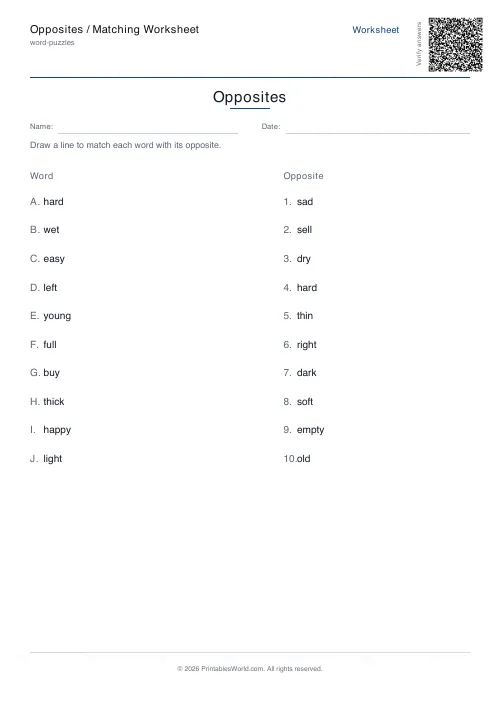
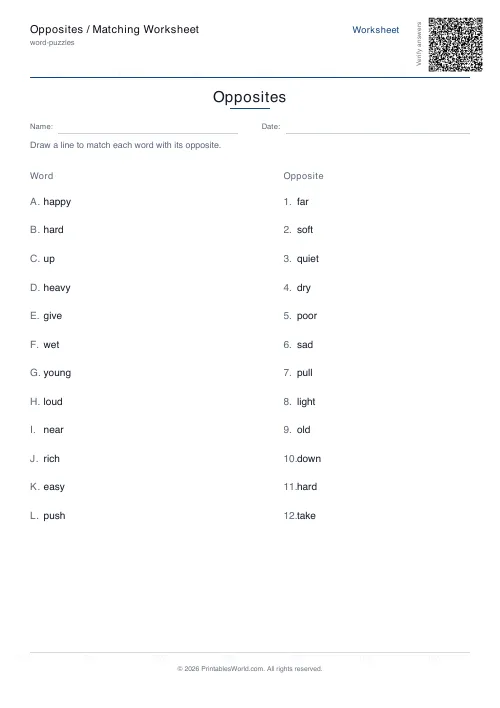
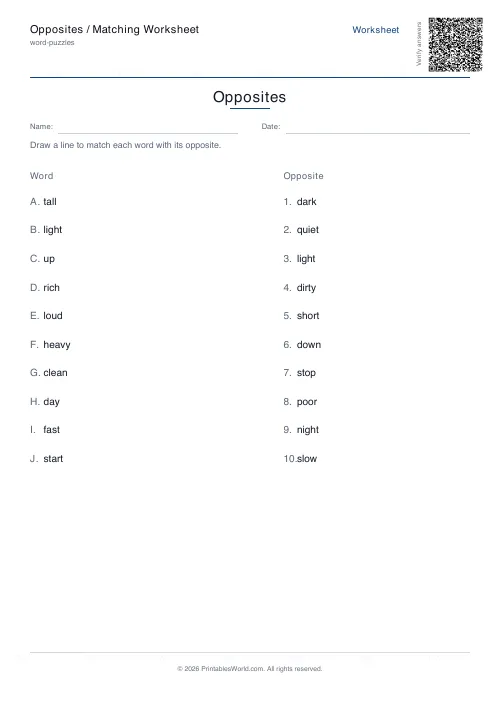
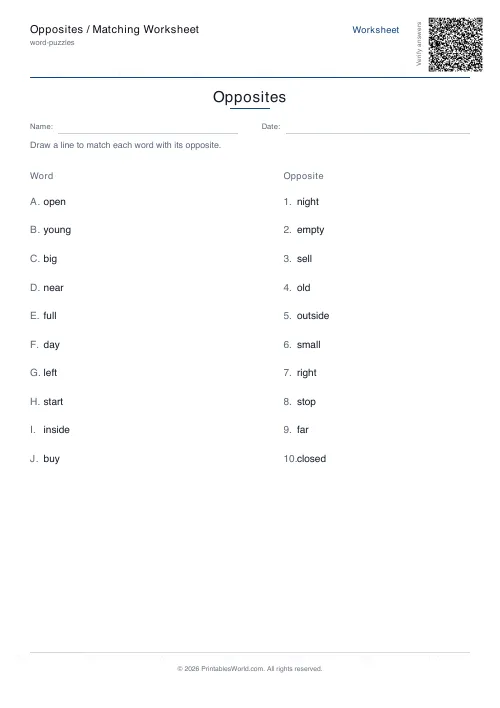
Draw a line from each word to its opposite. The right column is shuffled, four to twelve pairs a sheet, and you can type your own pairs instead of using the built-in bank.
People also used
Feedback
Spotted something off with this tool?
Opposites matching, with your own pairs if you want them
Words down the left, their opposites shuffled down the right, and a line to draw between each pair. Four to twelve pairs on a sheet, with an optional answer key.
The built-in bank covers the pairs children meet first — up and down, big and small, hot and cold, day and night. You can also type your own, one pair per line as word = opposite, which is what makes this useful past about age six.
Why custom pairs matter more than the bank
General opposites are learned early and quickly. The version of this exercise that keeps earning its place is subject vocabulary.
Ancient and modern. Solid and liquid. Import and export. Renewable and finite. Those are the pairs that actually get confused in a history or a science lesson, and a matching sheet built from this week's key words is a two-minute revision activity that no generic word bank can produce.
It also works well for a foreign language: the left column in English, the right in the language being learned.
Where opposites stop being simple
Worth raising with an older class, because the exercise quietly implies every word has exactly one opposite and most do not.
Some words have several depending on the sense. The opposite of light is heavy or dark, and which one depends on the sentence. Some have none: what is the opposite of chair? And plenty of pairs are not opposites but simply different — hot and cold sit at the ends of one scale, while red and blue do not.
Ask which pairs on the completed sheet are true opposites and which are just different. It takes three minutes and it is a better vocabulary lesson than the matching was.
Setting the sheet up
Pair count from 4 to 12, your own pairs if you supply them, a worksheet title, an instruction line, optional Name and Date fields, and the answer key toggle. A4 or US Letter.
The right column is reshuffled on every generation, so two children with the same pairs get different sheets.
Running it
For the youngest children, read both columns aloud first. A matching sheet is a reading test as well as a vocabulary one, and a child who knows every opposite can still fail it because they could not decode the right-hand column.
Print at 100% on A4 or US Letter.
FAQs
Quick answers
What is the difference between opposites and antonyms?
They mean the same thing. "Opposite" is the everyday word younger learners meet first; "antonym" is the formal term for a word with the opposite meaning, such as hot and cold.
Can I use my own list of words?
Yes. Paste one pair per line in the custom box, using "word = opposite" (an equals sign, comma or dash all work). Leave it blank to use the built-in opposites word bank.
How many pairs fit per page?
Up to twelve pairs sit comfortably on one printable worksheet in A4 or US Letter.
Are answers included?
Yes. Toggle the answer-key option for a second page that draws the correct connecting lines.
Related tools
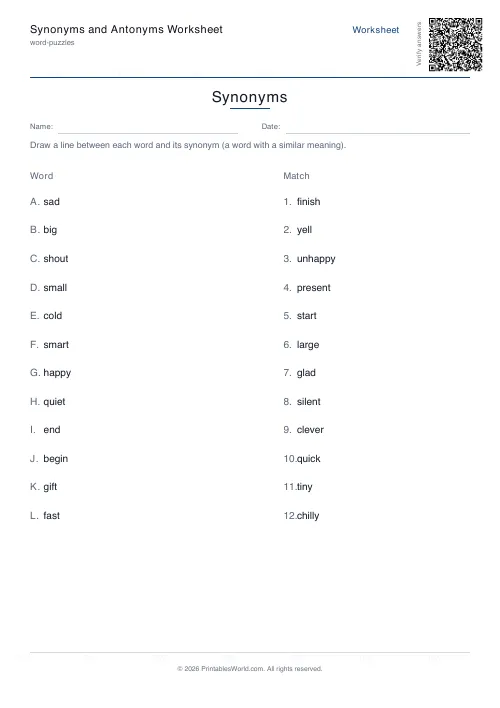
Synonyms and Antonyms Worksheet
Match each word with a synonym, an antonym, or a mix of both.
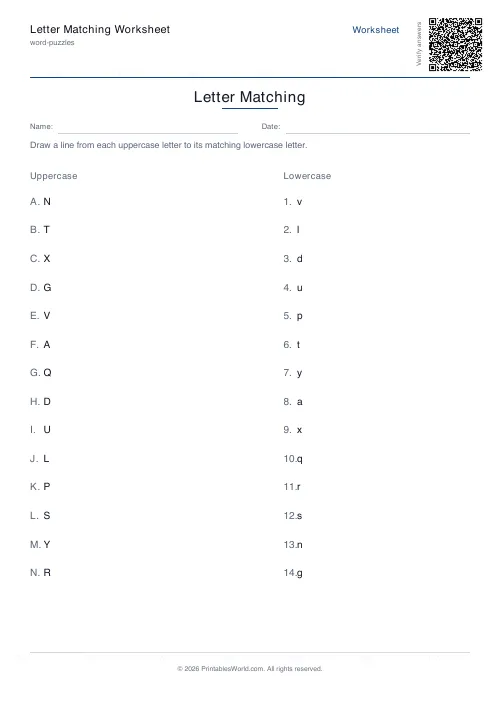
Letter Matching Worksheet
Match each uppercase letter to its lowercase partner.
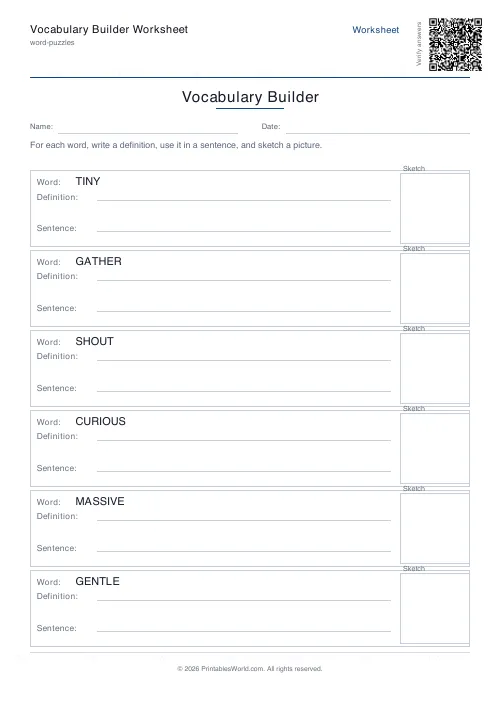
Vocabulary Builder Worksheet
Define, use in a sentence, and sketch. One word at a time.
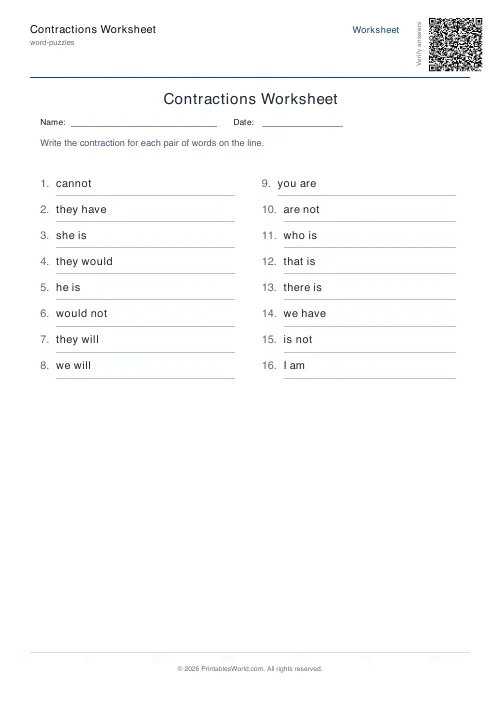
Contractions Worksheet
Write the contraction for each word pair.
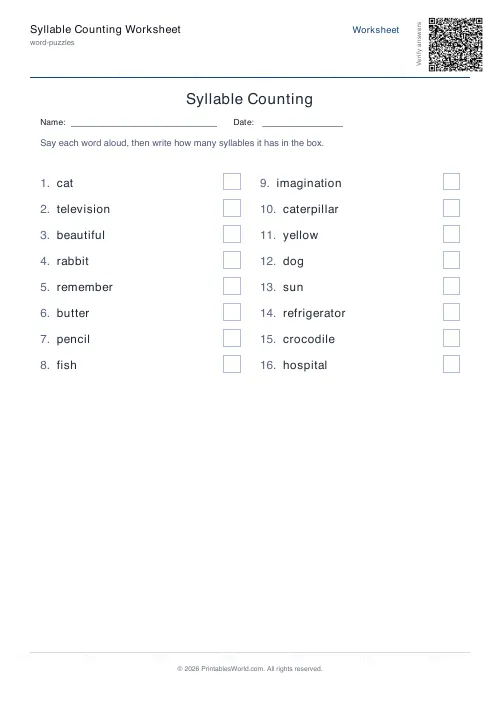
Syllable Counting Worksheet
Count the syllables in each word.
Further reading
Word Puzzles
Sight words: the complete teaching guide
Sight words are usually taught as words to memorise. Most of them are partly decodable, and treating them that way works better. Here is how, and how many to teach at once.
6 min read
Literacy & Spelling
Do word searches help spelling? What works
Do word searches help spelling, or just fill time? What they practise, what the evidence suggests, and how to turn a spelling list into useful recall practice.
8 min read
Word Puzzles
Phonics at home: CVC words, blends and beyond
The order matters more than the materials, and one small thing, saying pure sounds rather than "buh" and "cuh", makes blending dramatically easier.
6 min read
More like this
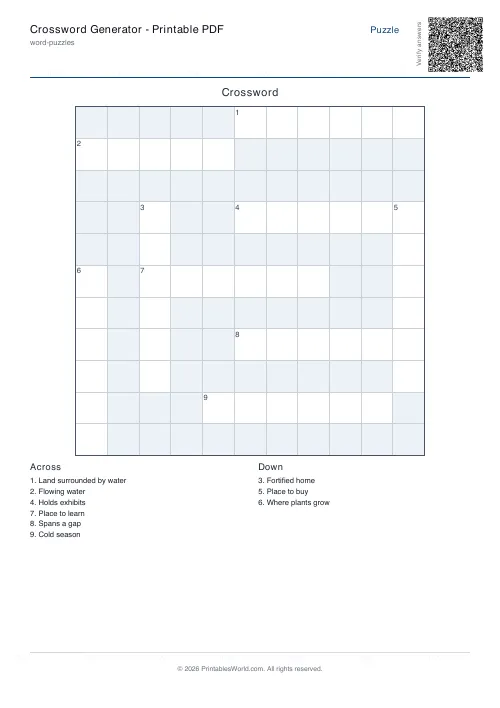 Crossword Generator: Printable PDF
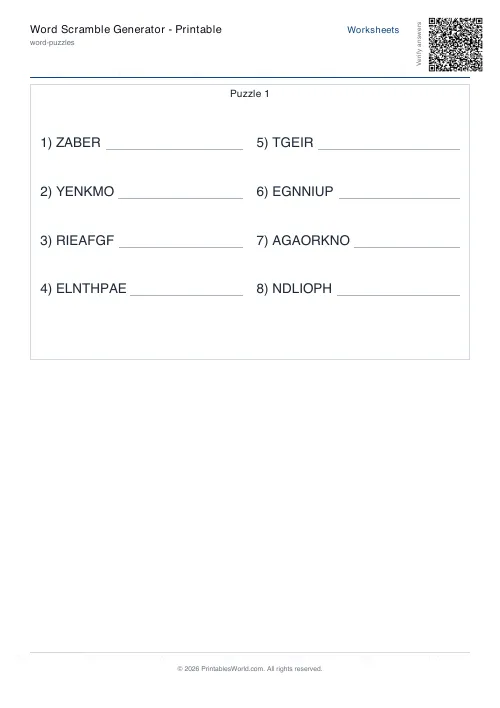 Word Scramble Generator: Printable
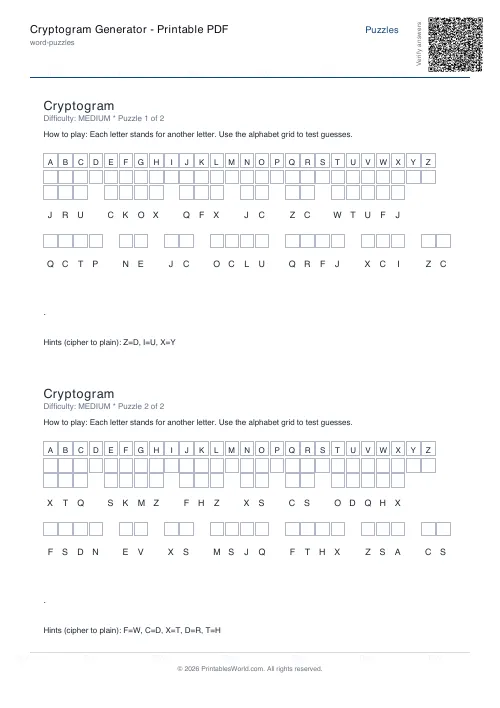 Cryptogram Generator: Printable PDF
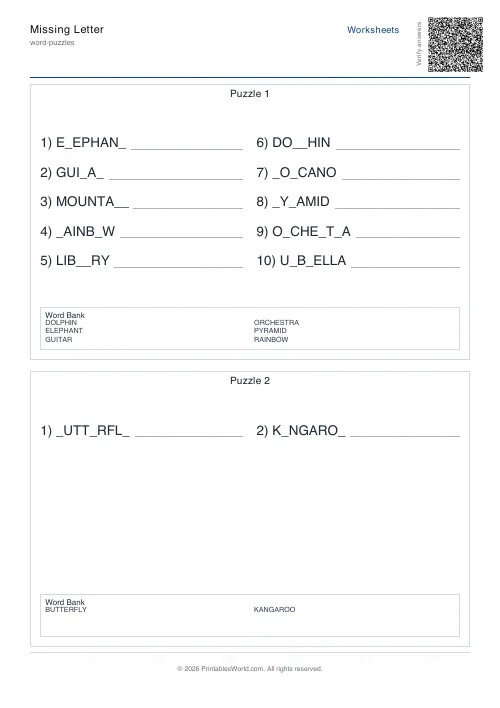 Missing Letter Generator
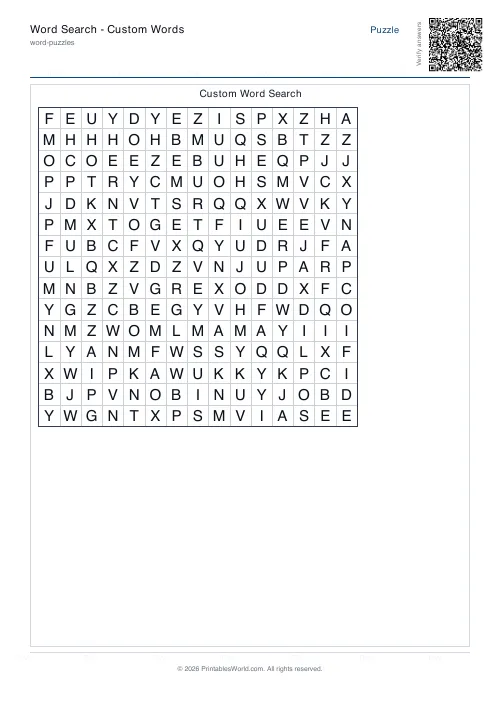 Word Search: Custom Words
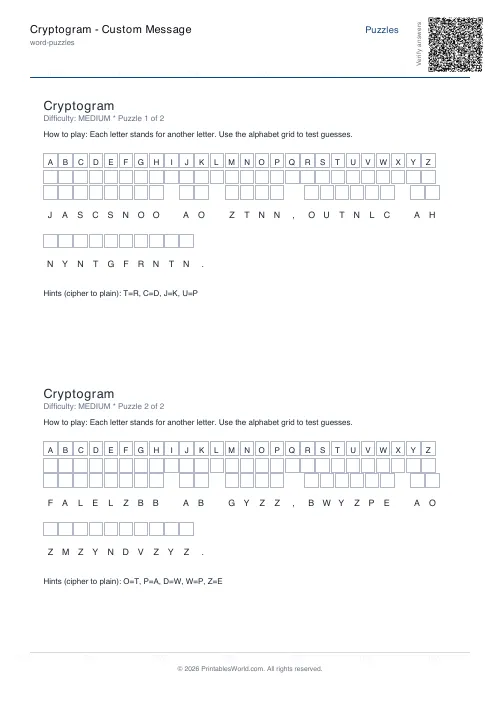 Cryptogram: Custom Message
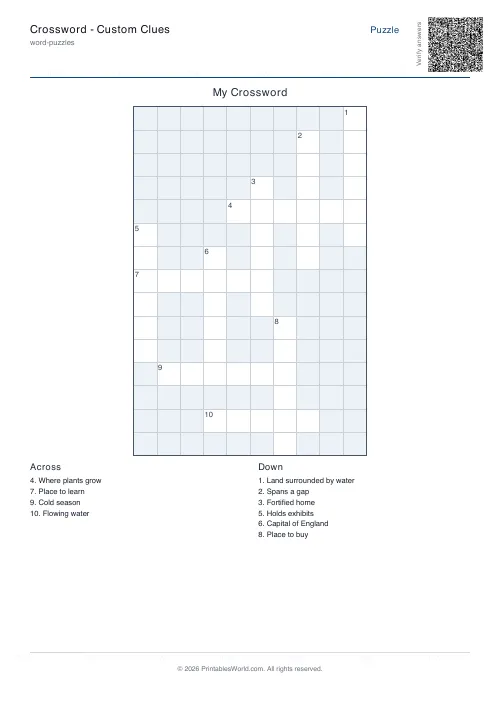 Crossword: Custom Clues
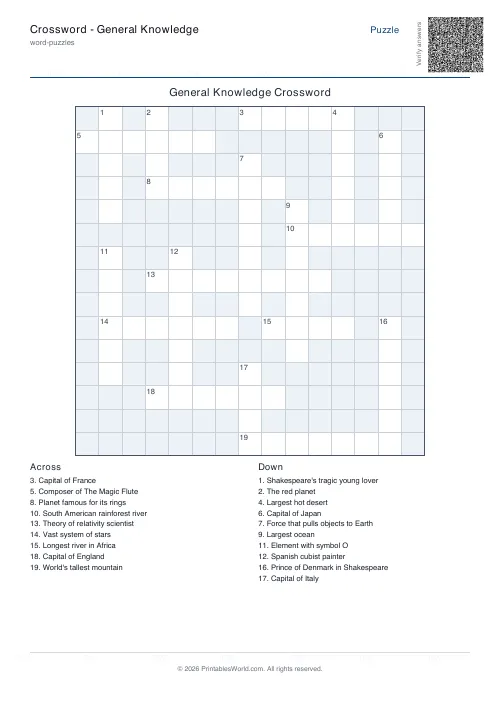 Crossword: General Knowledge
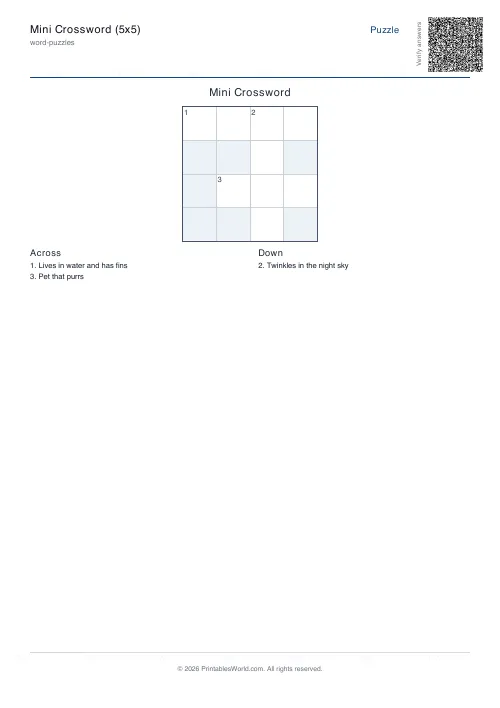 Mini Crossword
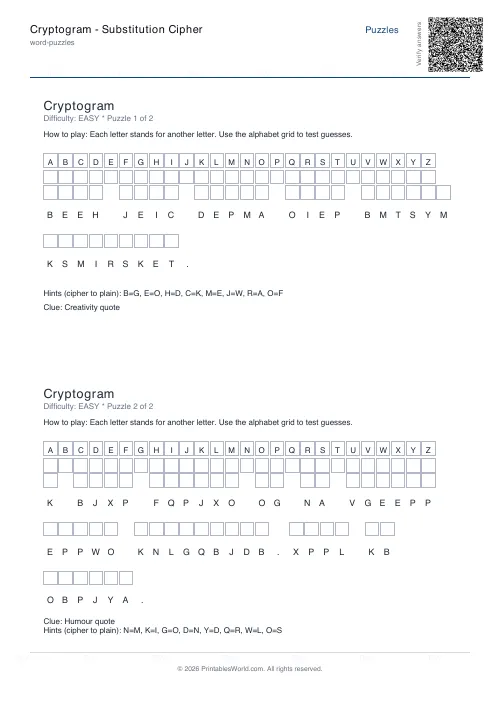 Cryptogram: Substitution Cipher
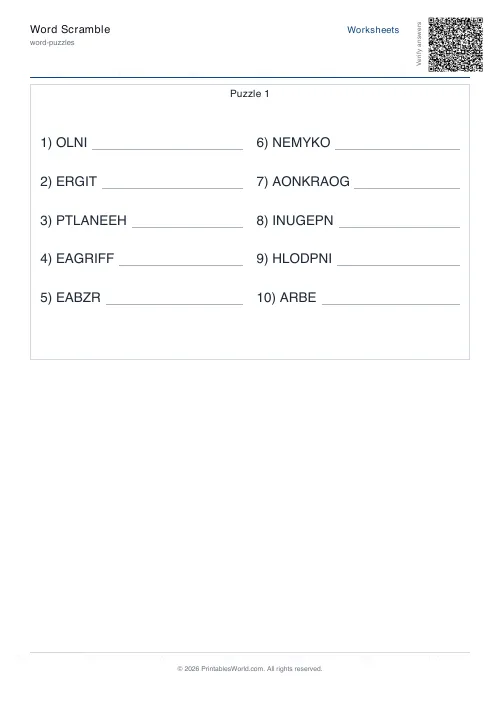 Word Scramble Generator
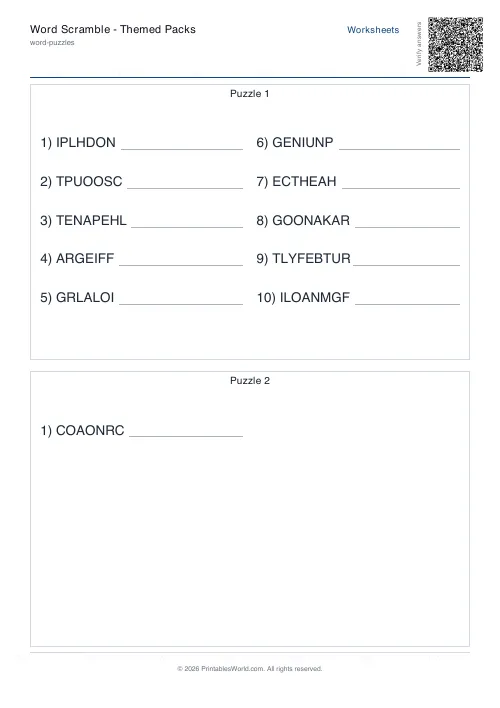 Word Scramble: Themed Packs
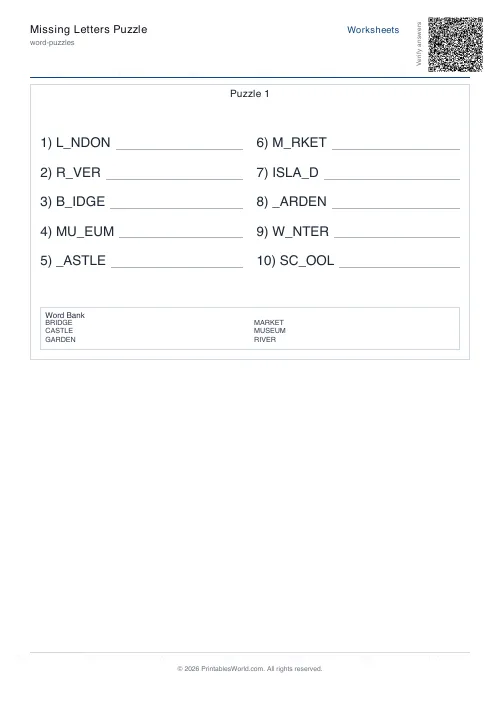 Missing Letters Puzzle
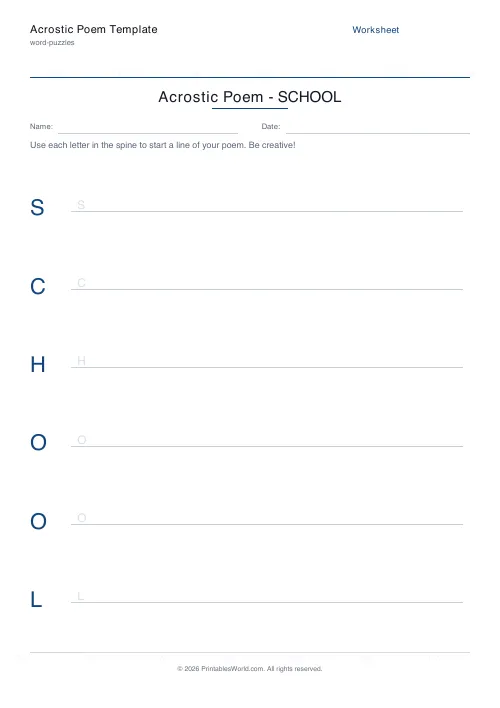 Acrostic Poem Template