What this tool does
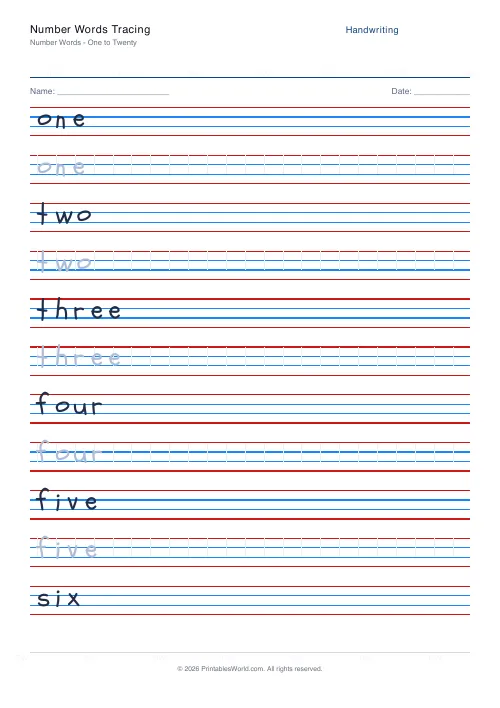
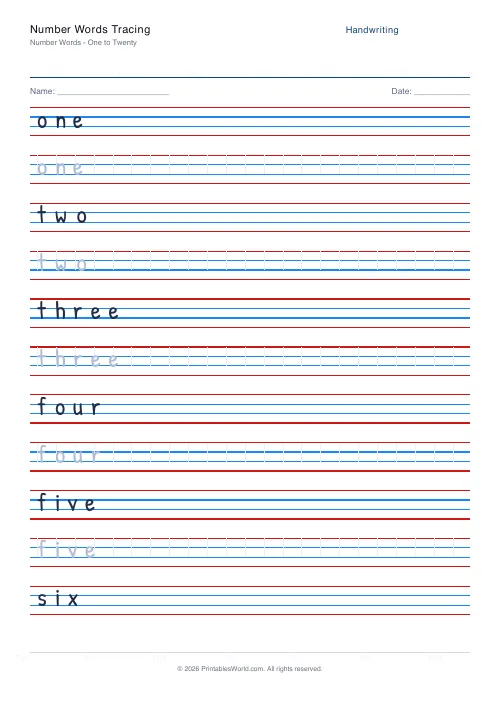
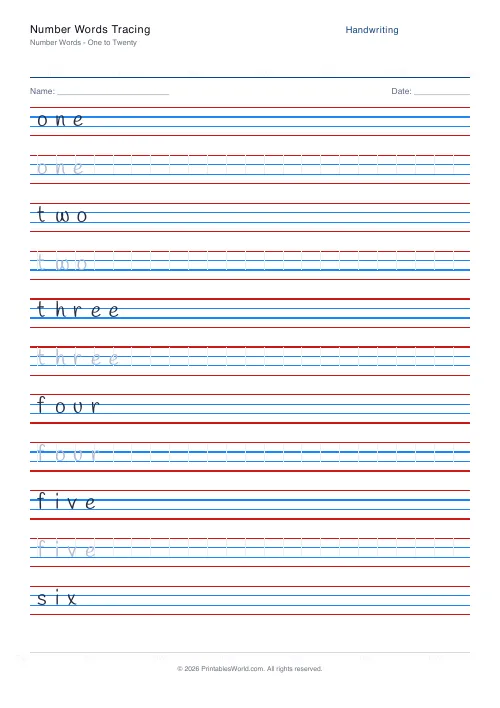
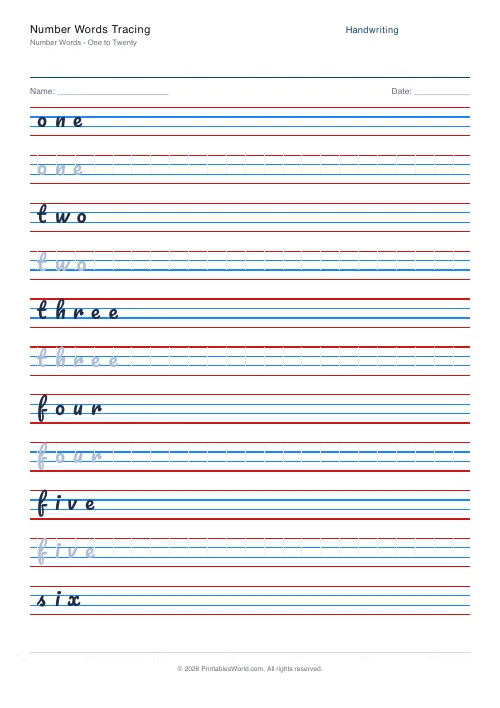
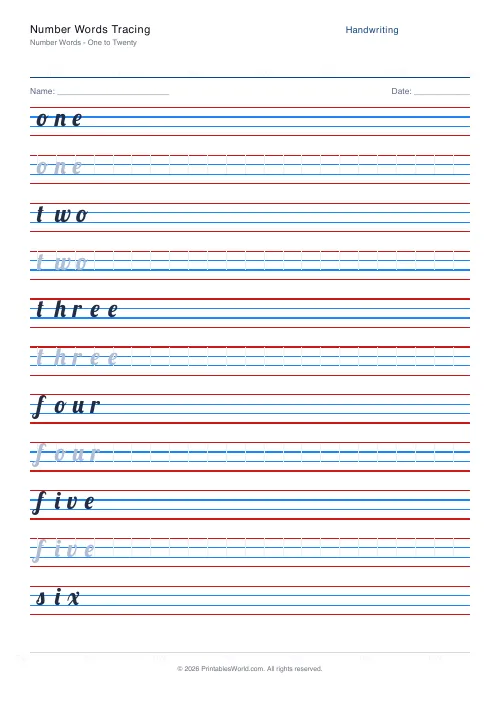
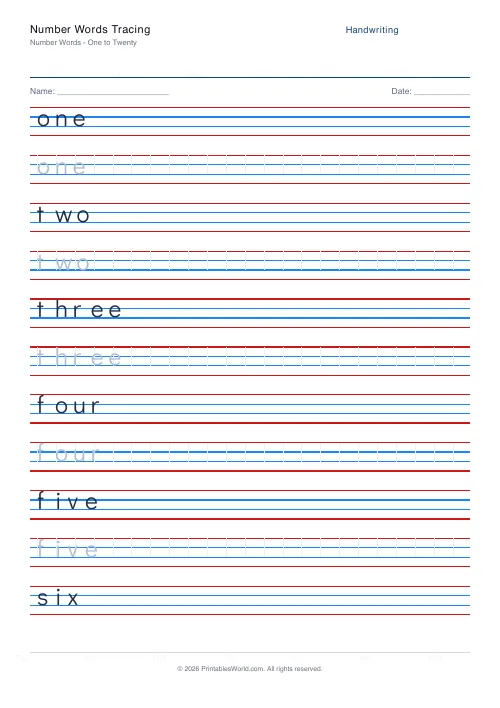
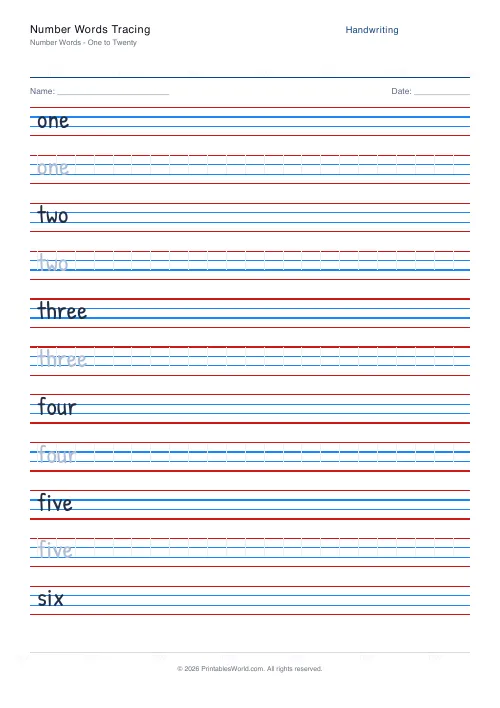
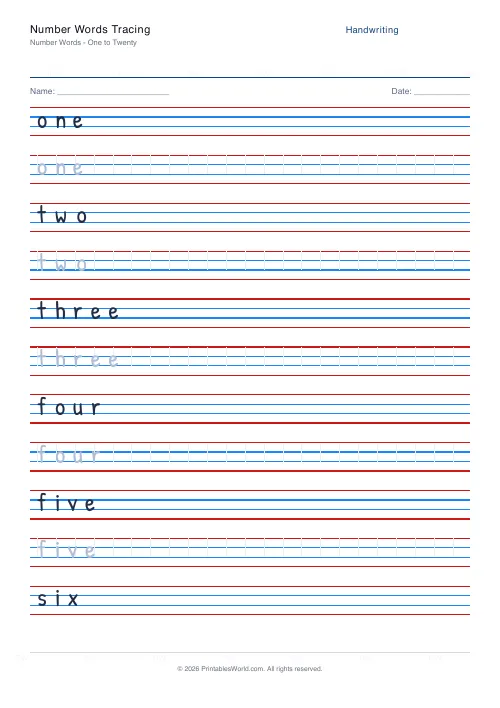
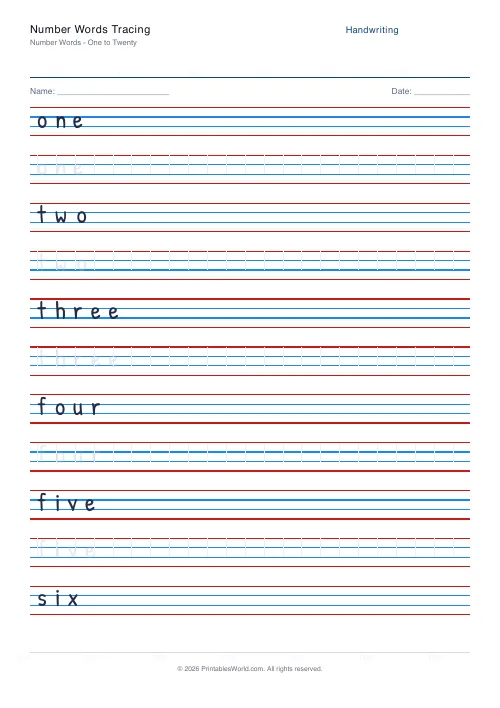
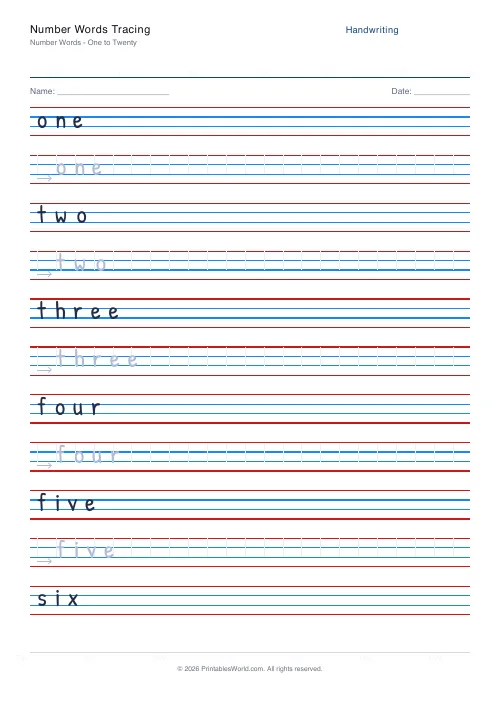
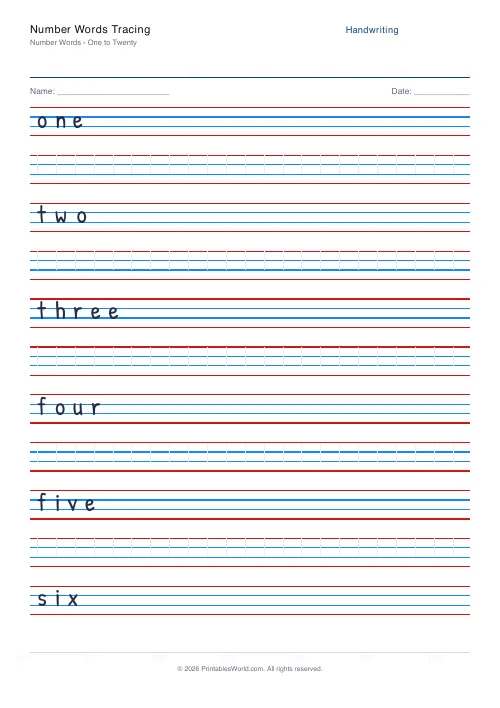
Tracing sheets for the number words one to twenty, with solid letters inside character boxes and a blank row to copy each one.
People also used
Feedback
Spotted something off with this tool?
One to twenty, written out
Each number word gets its own line: one, two, three, up to twenty. A solid word to trace inside character boxes, then a row to write it unaided.
All of it is editable, so a shorter set — one to ten — or a longer one is a matter of changing the list.
Two skills at once
This is handwriting practice and it is spelling practice, and the spelling half is the reason to bother.
Number words are among the most frequently written words in a child's early school life, and several of them are irregular in ways that cause trouble for years: one does not sound like it looks, two has a silent w, eight is entirely unphonetic, and four keeps its u while forty loses it. None of those can be worked out. They have to be met repeatedly.
The teens are where the errors live
Thirteen and fifteen are the two that catch everybody.
They are not "threeteen" and "fiveteen", and children who have learnt the pattern from fourteen and sixteen will produce exactly that. Writing them out in sequence puts the irregularity next to the regular cases, which is the fastest way to notice it.
Twelve is the other one, sitting between eleven and thirteen with no visible logic at all.
Say it while writing it
Reading each word aloud as it is traced links the sound to the letters, and it is a bigger gain than the extra thirty seconds costs.
Better still, connect it to the digit. Write the numeral beside the word, or count out that many objects. A child who writes "seven" without connecting it to 7 has learnt a spelling and not a number word.
Where it is needed
Word problems in maths, where the number is written out. Cheques and forms, later. Dates, ages, quantities in ordinary writing.
It also matters for anyone learning English as an additional language at any age, where the irregular spellings are exactly as awkward as they are for a native six-year-old and the sheet works just as well.
Working through it
A few words a day rather than the whole sheet in one go, and revisit them a week later — spaced repetition works on spellings as reliably as on anything else.
Related: the handwriting practice generator for your own word lists, and number of the day, which includes a word-form box.
FAQs
Quick answers
Which number words are covered?
All the spelled-out numbers from one through twenty, each on its own line with a trace row and copy rows.
Can I focus on a tricky word?
Yes. Edit the practice text to repeat a single word such as "eight" across several lines.
How is each word laid out?
Each number word gets one solid trace row plus a copy row, so children warm up by tracing then write the word unaided.
Is this suitable for early years?
Yes. The friendly Patrick Hand font and 4-line ruling suit Reception, Year 1 and kindergarten learners.
Related tools
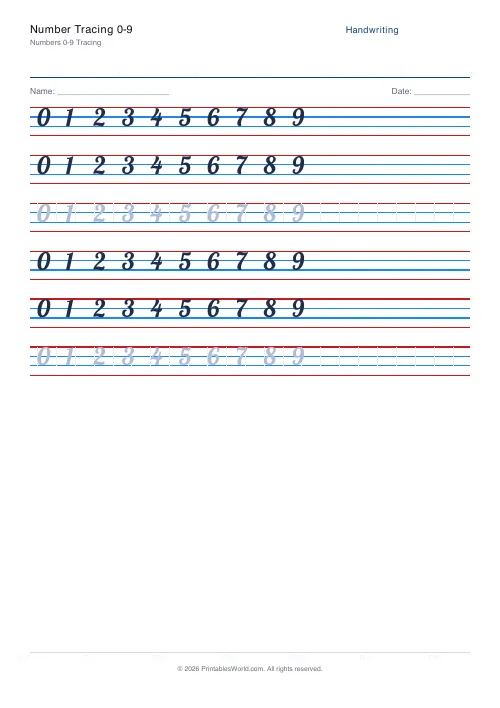
Number Tracing 0-9
Trace and write numbers 0-9 with practice rows on lined paper.
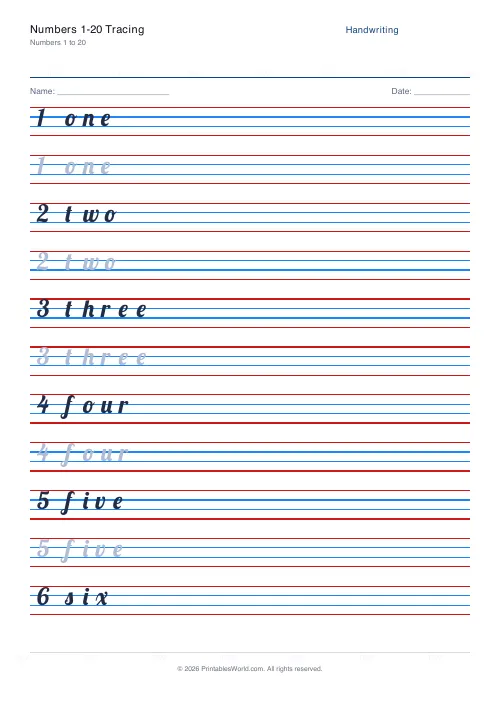
Numbers 1-20 Tracing
Trace and write the numbers one through twenty.
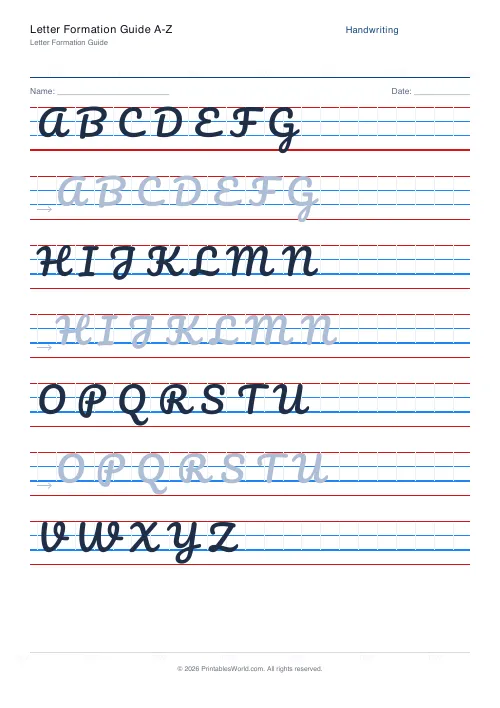
Letter Formation Guide A-Z
Full alphabet with directional arrows for stroke-order learning.
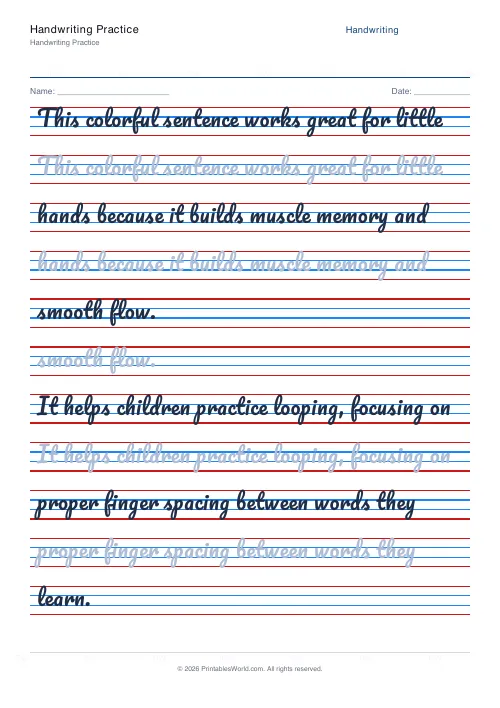
Handwriting Practice Generator
Create custom 4-line handwriting practice sheets with trace rows, adjustable guides, and your own text.
Further reading
Handwriting
Dotted vs solid trace lines: what works best for beginners
Each trace style removes a different amount of support. The mistake is staying on one too long. Tracing feels productive and teaches less than copying.
4 min read
Handwriting
Print vs cursive: which should children learn first?
Countries disagree, schools disagree, and the research is thinner than either side suggests. Here is what print and cursive each actually do well, and a practical way to decide for one child.
6 min read
More like this
- Handwriting Practice Generator
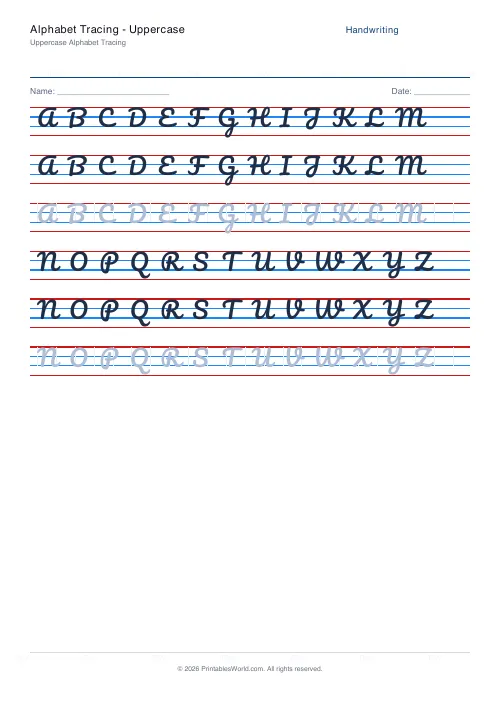 Alphabet Tracing: Uppercase
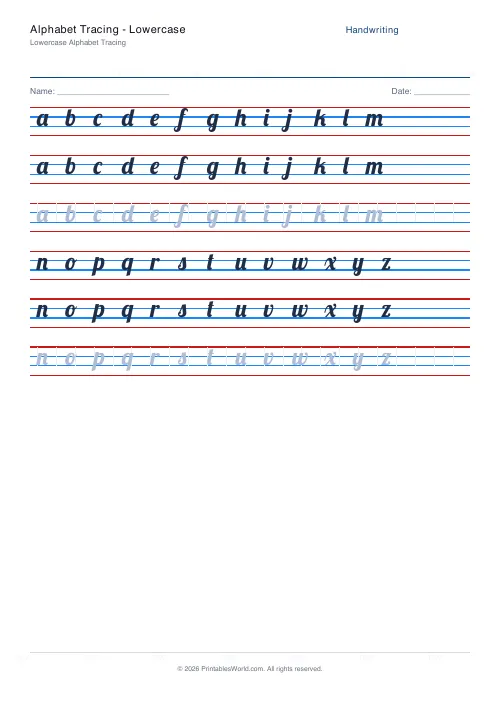 Alphabet Tracing: Lowercase
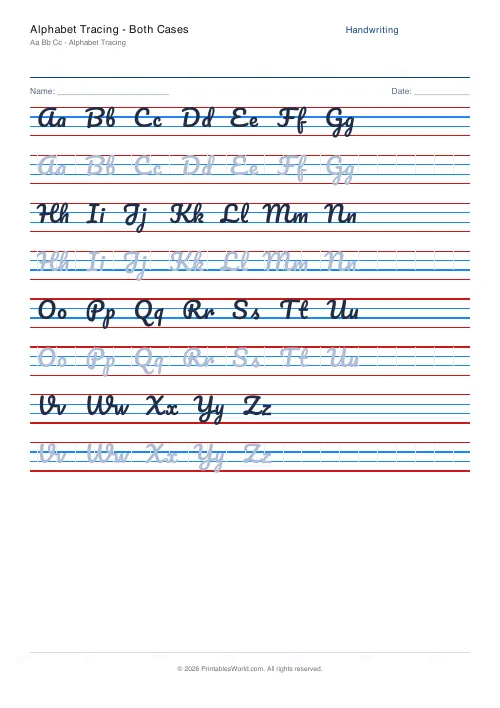 Alphabet Tracing: Both Cases
- Number Tracing 0-9
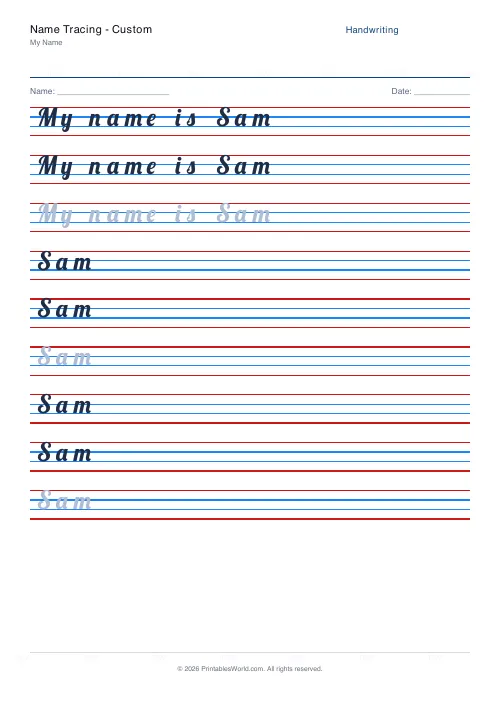 Name Tracing: Custom
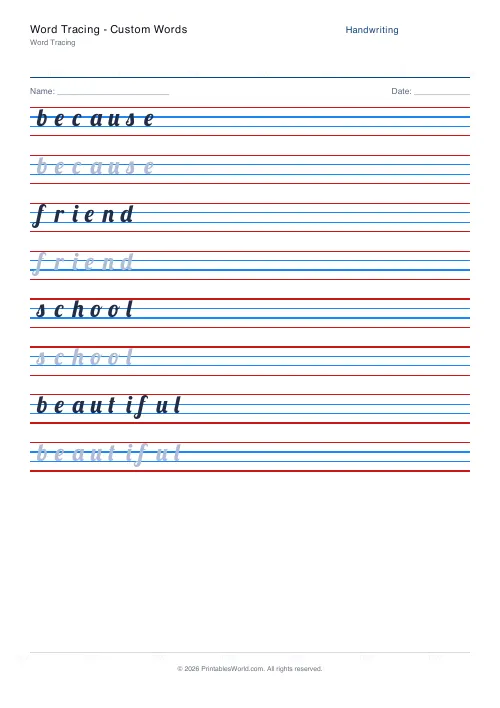 Word Tracing: Custom Words
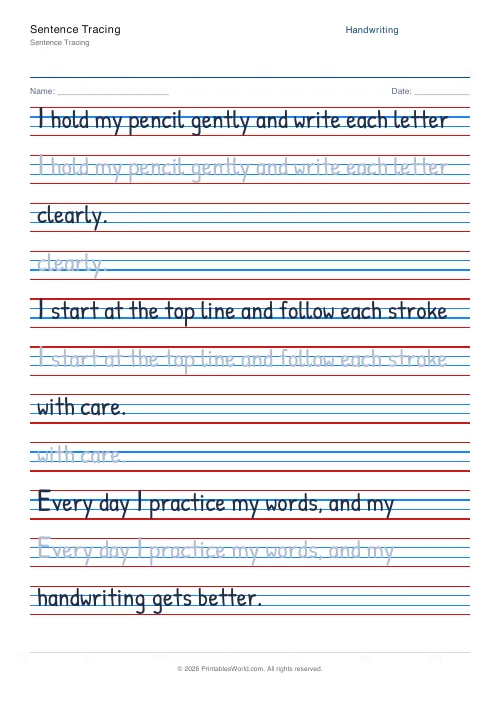 Sentence Tracing
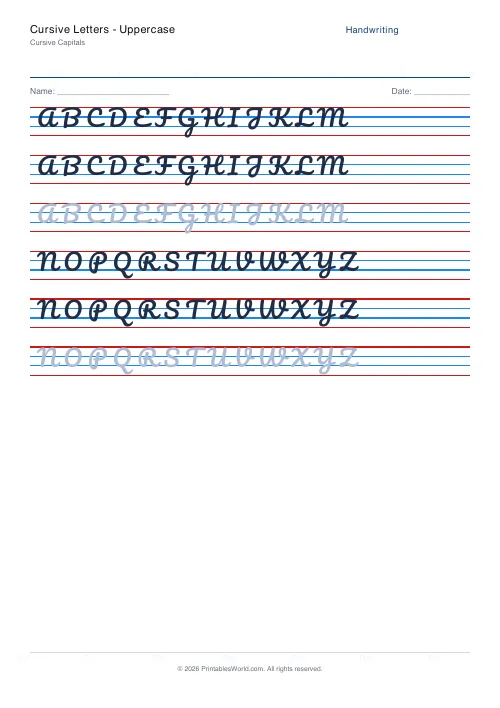 Cursive Letters: Uppercase
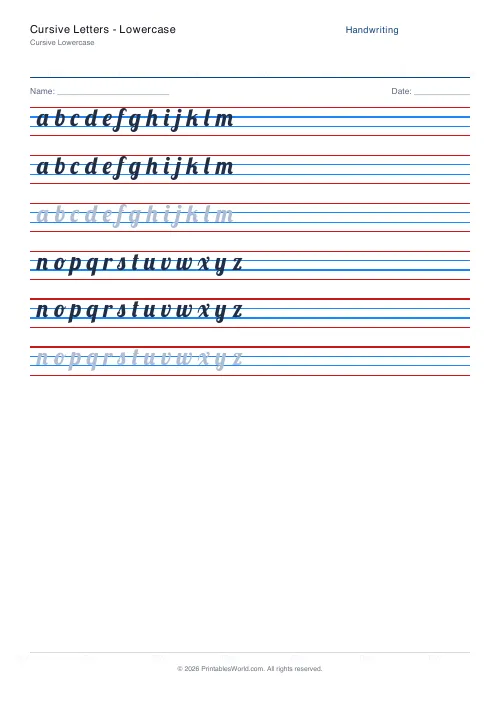 Cursive Letters: Lowercase
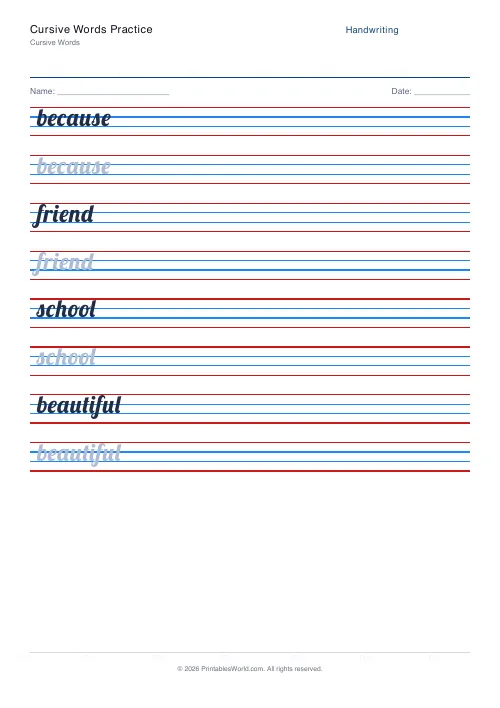 Cursive Words Practice
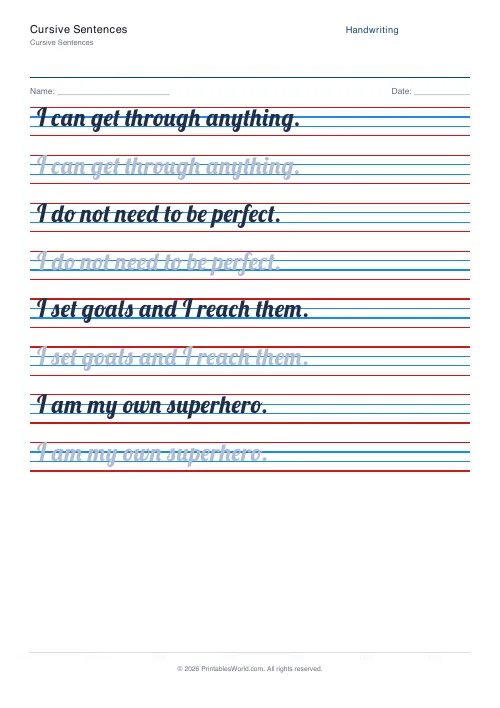 Cursive Sentences
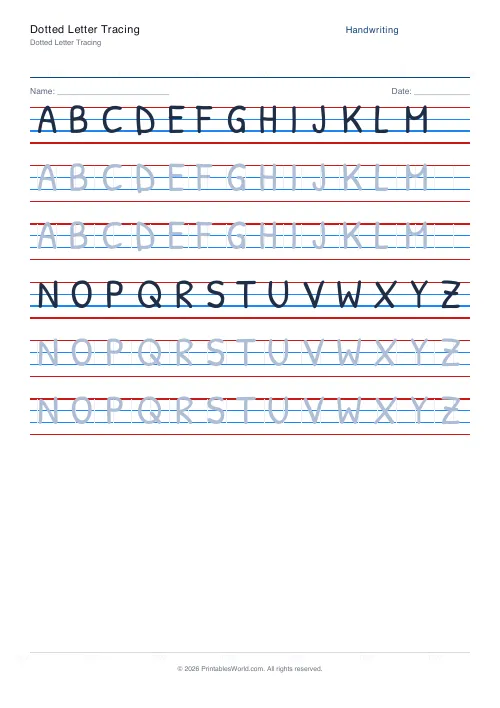 Dotted Letter Tracing
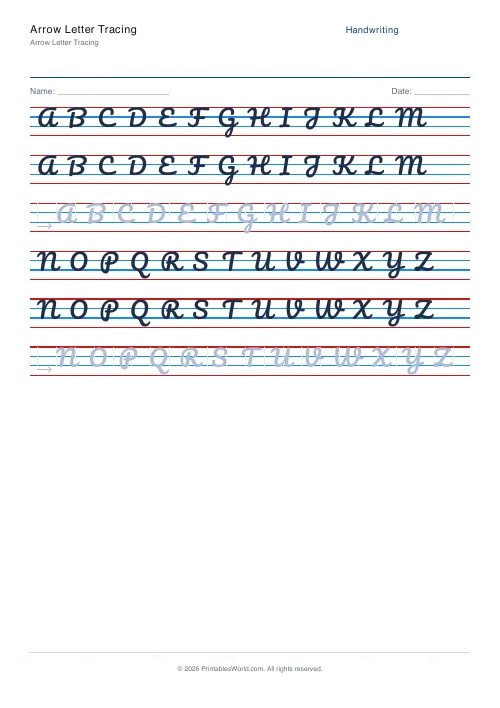 Arrow Letter Tracing