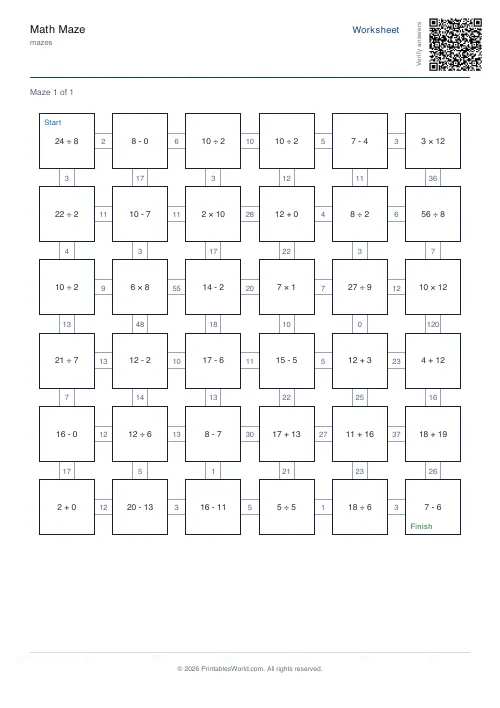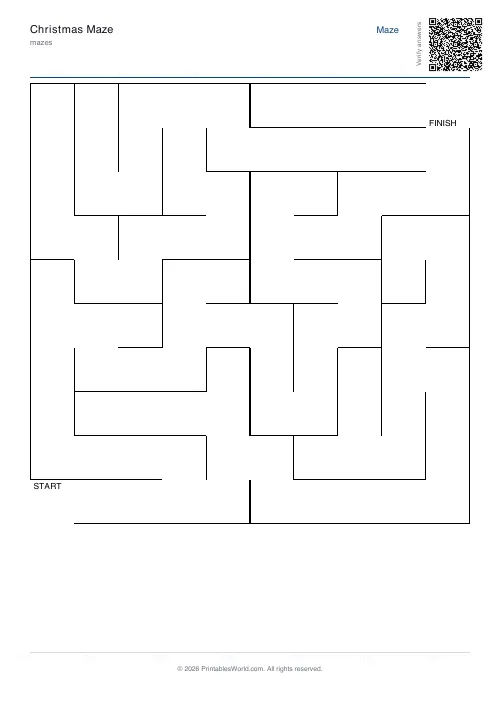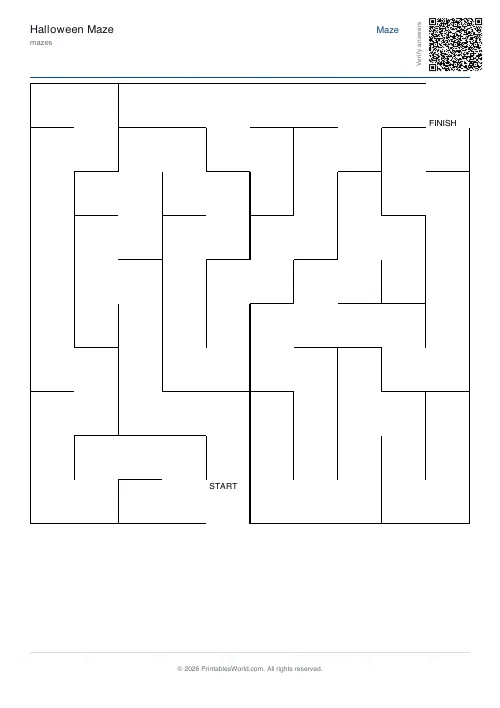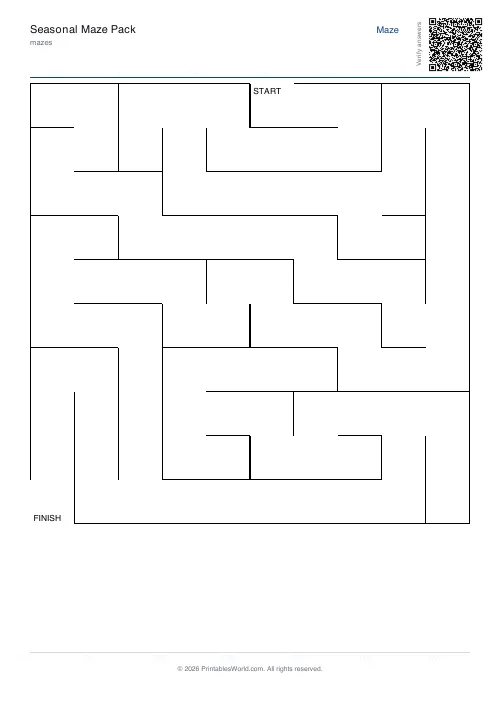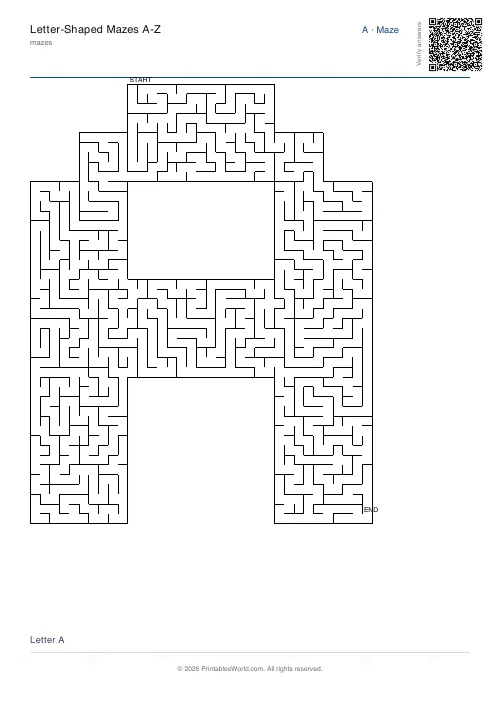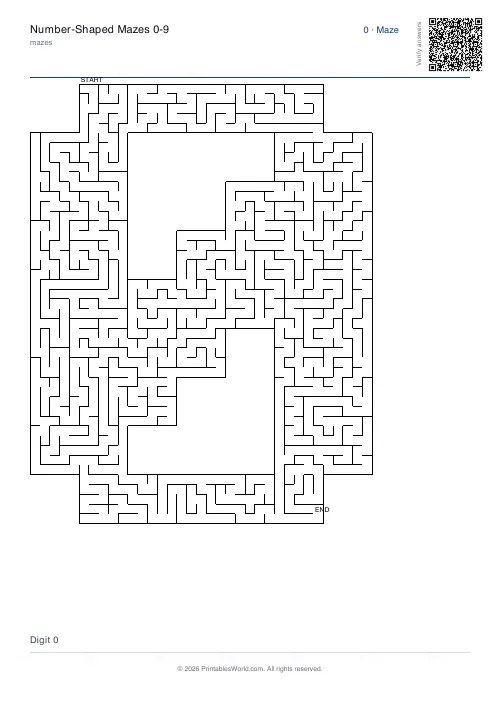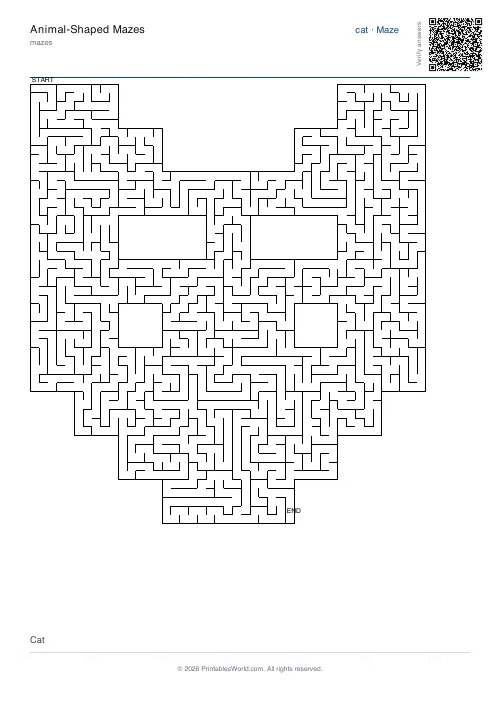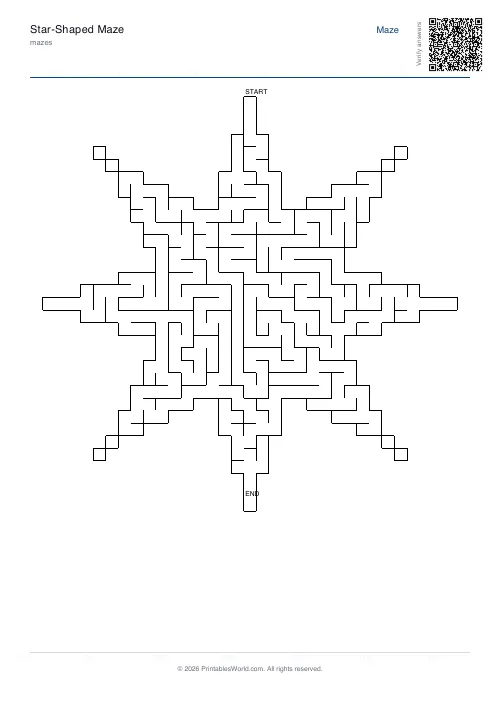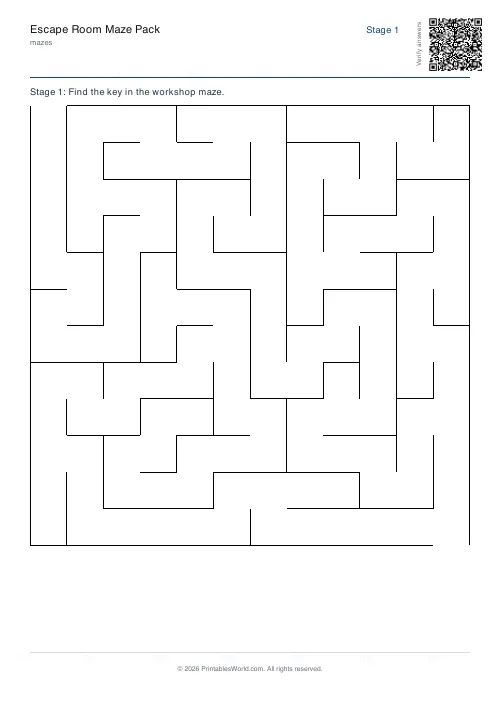
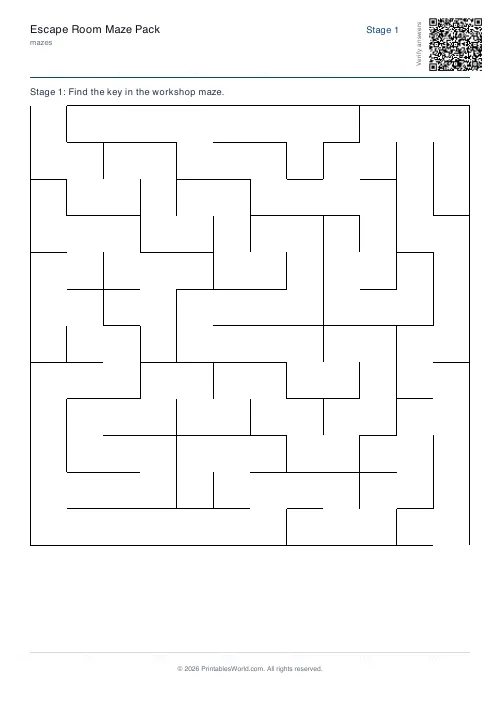
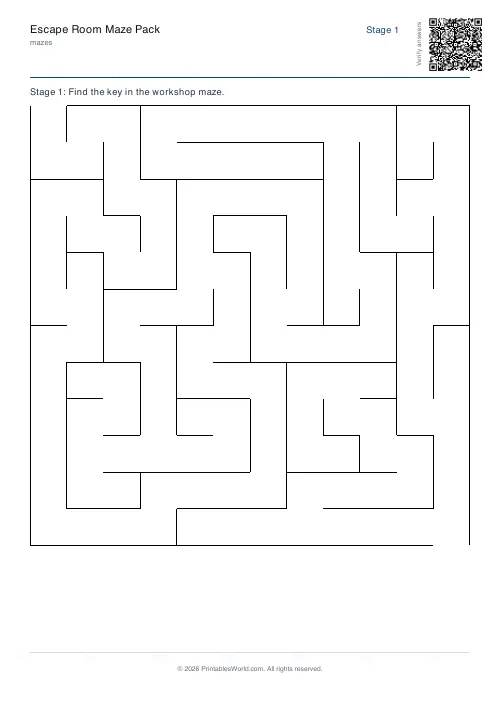
What this tool does
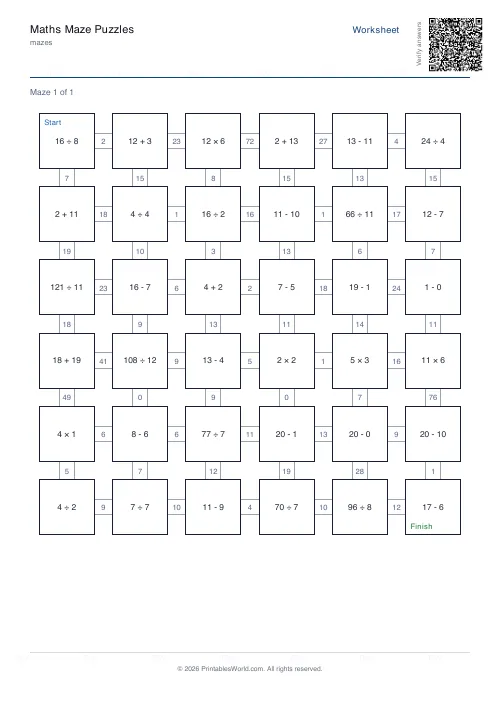
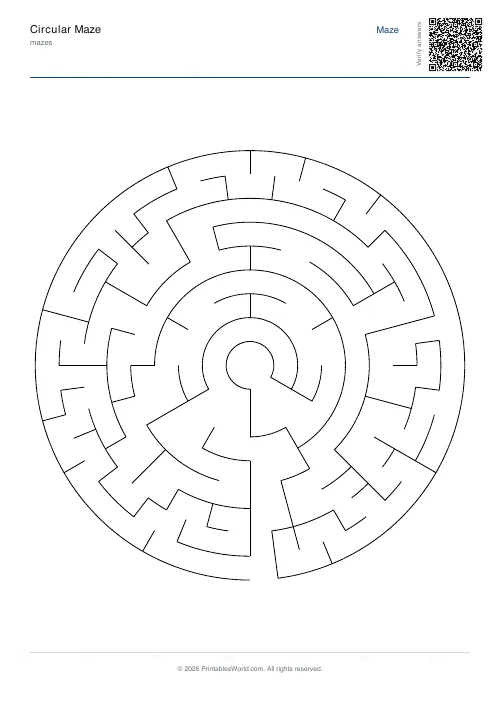
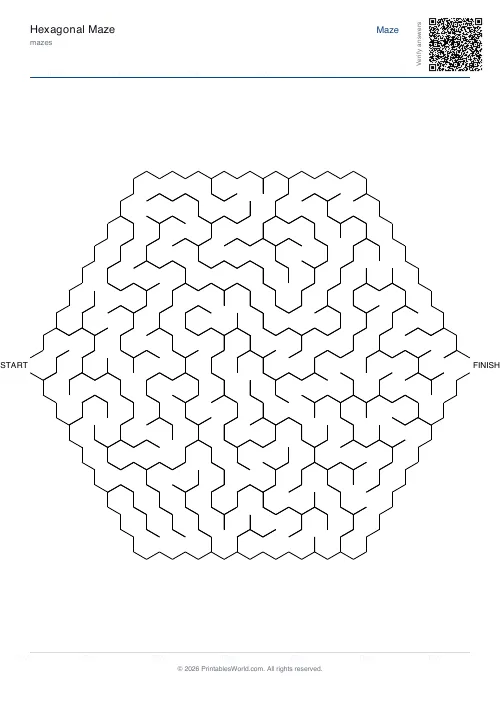
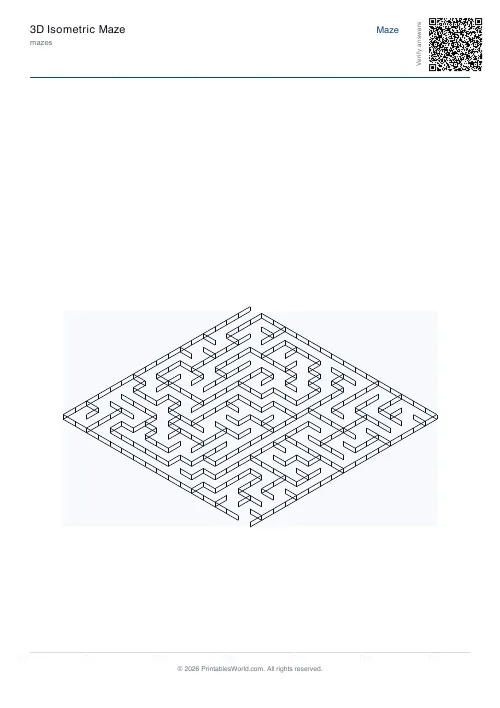
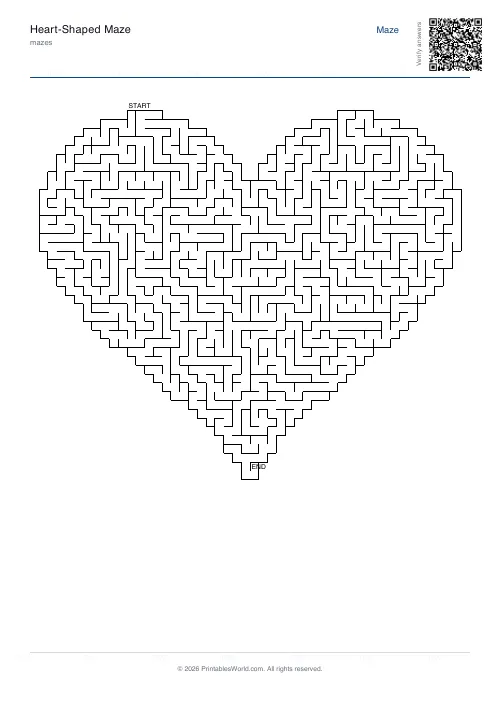
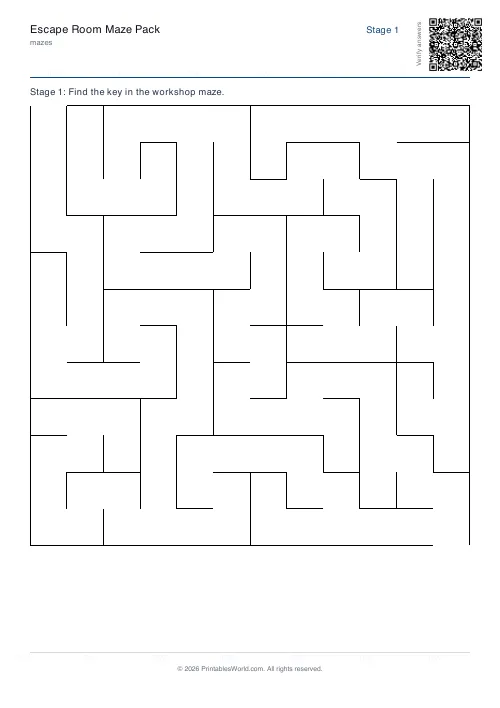
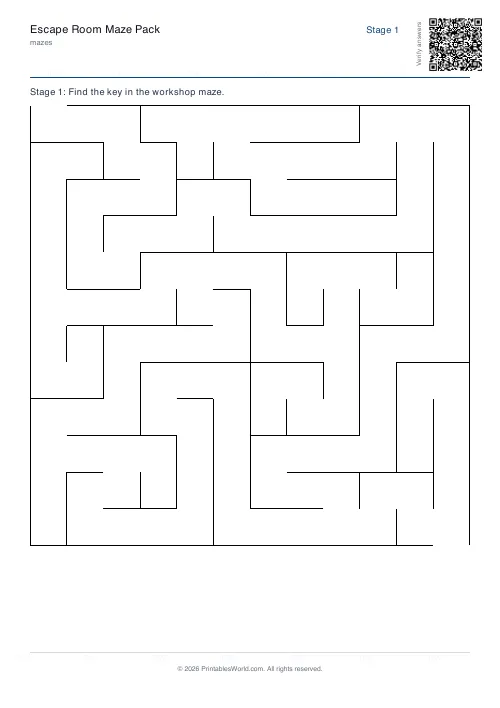
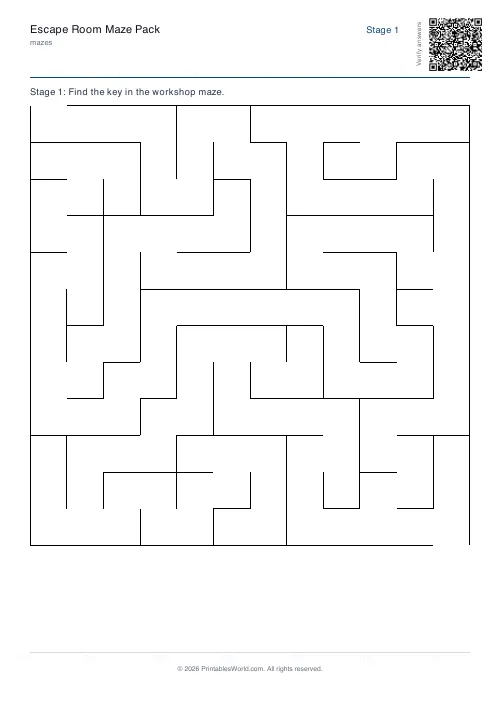
A four-page escape-room pack. Stage 1 is a 12×12 square maze, stage 2 a hex corridor, stage 3 a heart-shaped maze, stage 4 a 14×14 exit maze. One toggle adds a matching four-page solution pack.
People also used
Maze Generator: Printable PDF
Generate printable maze PDFs with custom grid size, difficulty, and layout. Perfect, braided, or room-based.
Rooms and Doors Maze
Navigate through rooms connected by single doors. Floor-plan style layout.
Mirror Maze Puzzles
Bounce a laser beam off mirrors to reach the target.
Feedback
Spotted something off with this tool?
A four-stage escape room you can print
Four pages, four different mazes, one running story. Stage 1 is a 12×12 square grid — find the key in the workshop. Stage 2 is a hex-grid corridor at radius 5, which is the lock. Stage 3 is a heart-shaped maze, the safe room. Stage 4 is a 14×14 square maze and it is the way out.
Solve them in order and the pack has a shape: a warm-up, a change of geometry that slows everyone down, a shaped maze that looks like a reward, and a slightly larger exit that feels like a finish.
There are only two controls, and that is the point
The stages, their sizes and their order are fixed. You choose the paper size, and whether to append the four-page solution pack. That is it.
An escape room with adjustable stages is not an escape room, it is a maze generator with a theme applied. Fixing the sequence is what lets it be handed to someone else — a party host, a cover teacher, a grandparent — without a briefing, and it is why the pack prints ready to use rather than ready to configure.
The seed still varies everything inside those stages, so the four mazes are new on every generation. Two parties a week apart get different puzzles in the same format.
Running it
Lay the four pages out in order and let people work along the table. Set a timer if you want the pressure; most children take somewhere between ten and twenty-five minutes across the four, and adults are quicker on stages 1 and 4 and reliably slower on stage 2, because the hex grid breaks the habits that make square mazes fast.
For a group, print several packs and run it as heats. For one child on a wet afternoon, print one pack and hold the solutions back.
The solution pack
Turning solutions on adds four more pages at the end, each carrying the same maze with the route drawn through it, labelled to match its stage. Keep those pages yourself. Handing a child a stapled pack with the answers in the back is a well-meaning way to end the activity early.
Why the geometry changes between stages
Because a solver adapts. Three square mazes in a row and the third is faster than the first, since the eye has learned where to look.
Changing the grid resets that. The hex corridor at stage 2 has six directions out of every cell instead of four, and the heart-shaped maze at stage 3 has an outline that keeps interrupting the corridors, so neither can be attacked with the pattern that worked on stage 1. That is what stops a four-page pack feeling like the same page four times.
Print at 100% scale on A4 or US Letter.
FAQs
Quick answers
How many pages is the pack?
Four maze pages by default. Toggling solutions adds a matching four-page solution pack.
What is in each stage?
Stage 1: standard square maze. Stage 2: hex corridor. Stage 3: heart-shaped maze. Stage 4: a larger square exit maze.
Is the puzzle linked across pages?
In v1 each stage is a self-contained mini-puzzle within a shared narrative. No inter-page mechanics yet.
Can I print solutions?
Yes. Toggle the solution option to add a four-page solution stack at the end.
Related tools
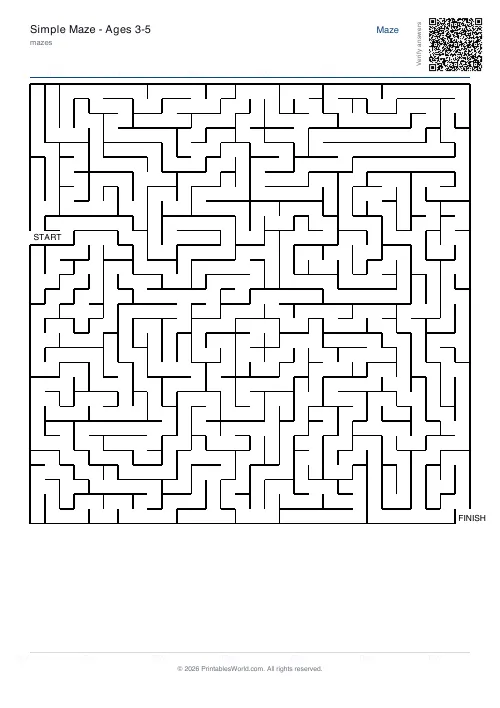
Maze Generator: Printable PDF
Generate printable maze PDFs with custom grid size, difficulty, and layout. Perfect, braided, or room-based.
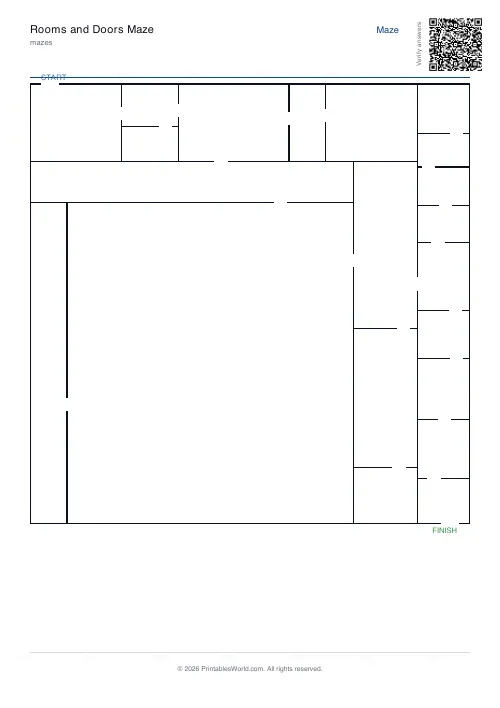
Rooms and Doors Maze
Navigate through rooms connected by single doors. Floor-plan style layout.
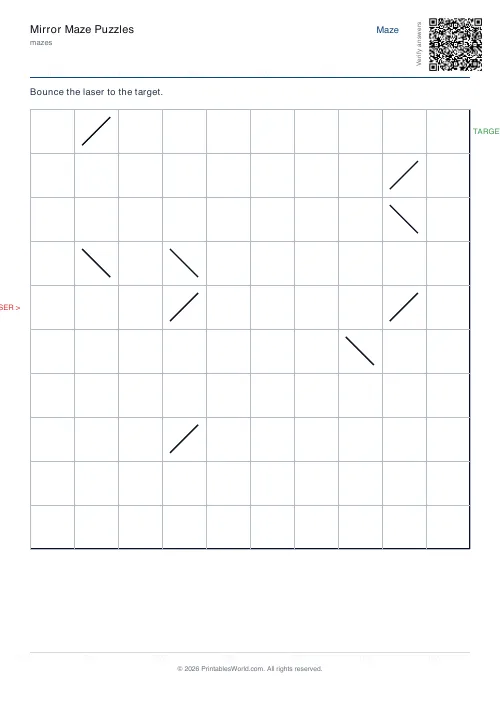
Mirror Maze Puzzles
Bounce a laser beam off mirrors to reach the target.
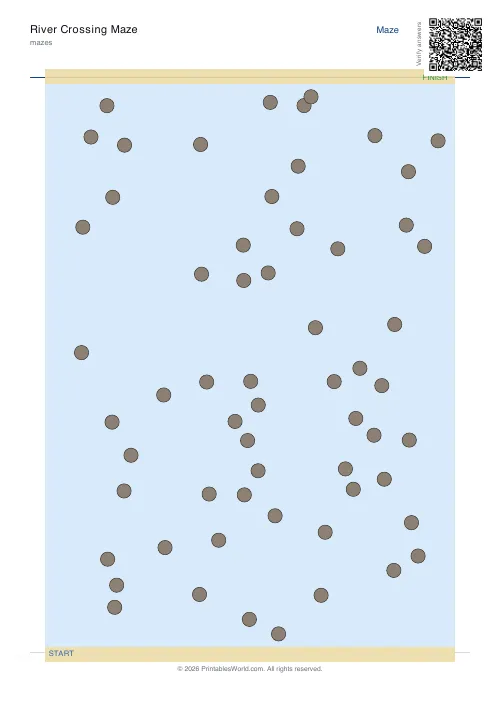
River Crossing Maze
Hop between stones across a winding river to reach the far bank.
Further reading
Mazes
Why mazes are great for kids' development
Mazes are one of the few activities that exercise pencil control and forward planning at the same time. Which is why they suit the years just before formal handwriting.
4 min read
Mazes
Printable maze difficulty: matching mazes to ages
Maze difficulty has two independent dials, and confusing them is why a maze is either too fiddly or too easy. Here is which to turn for which child.
4 min read