What this tool does
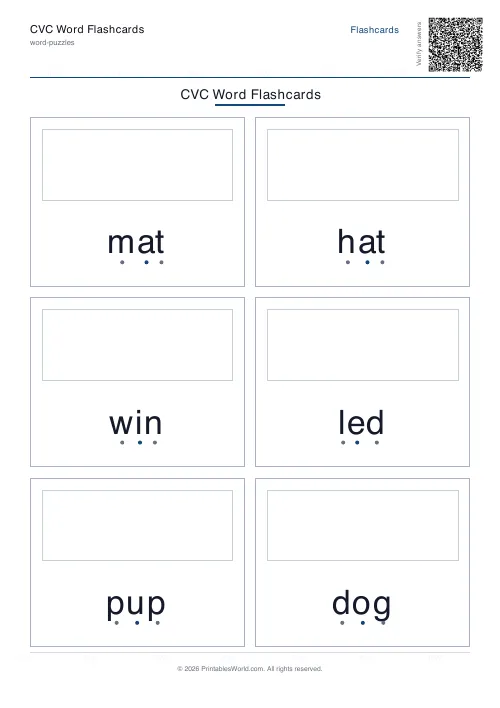
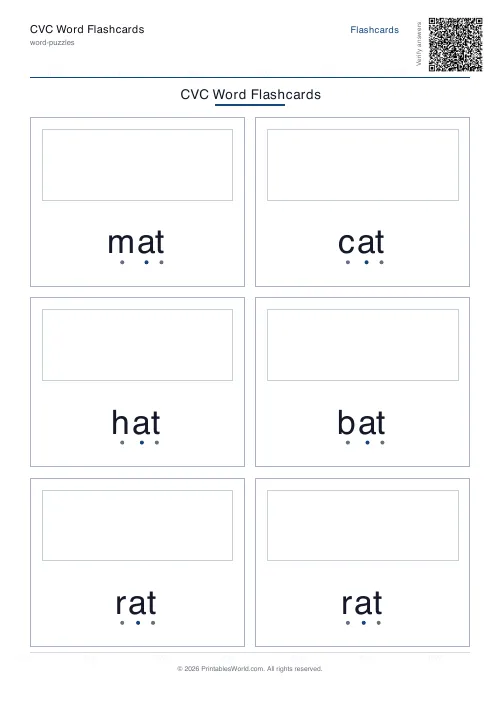
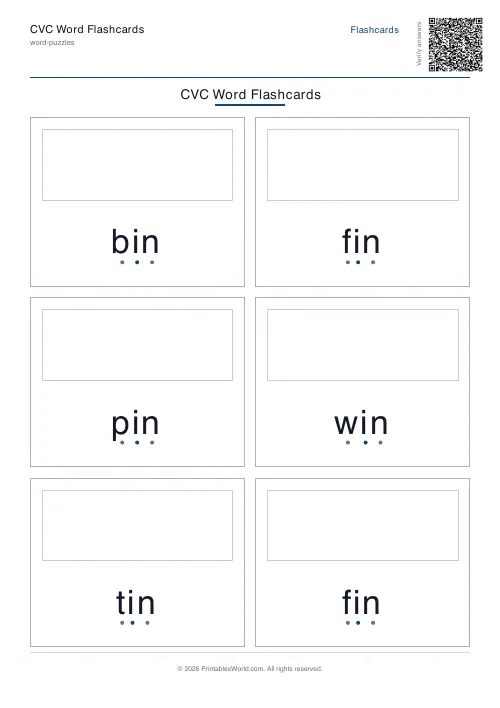
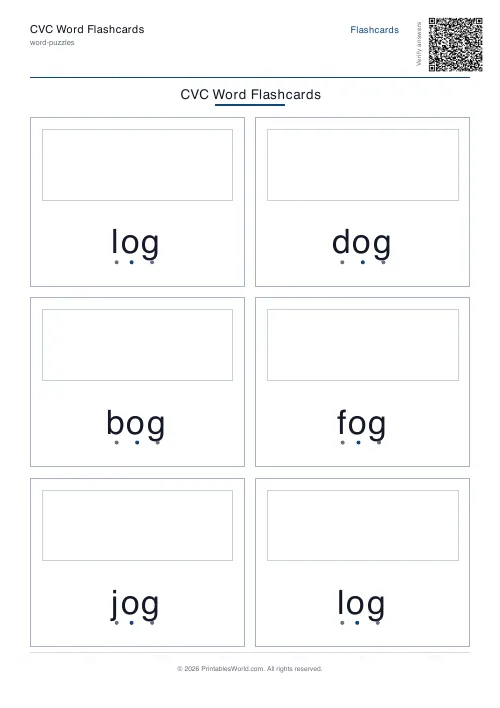
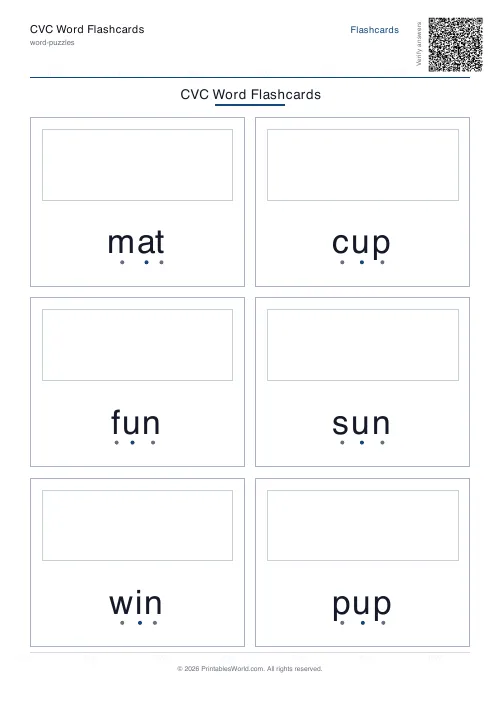
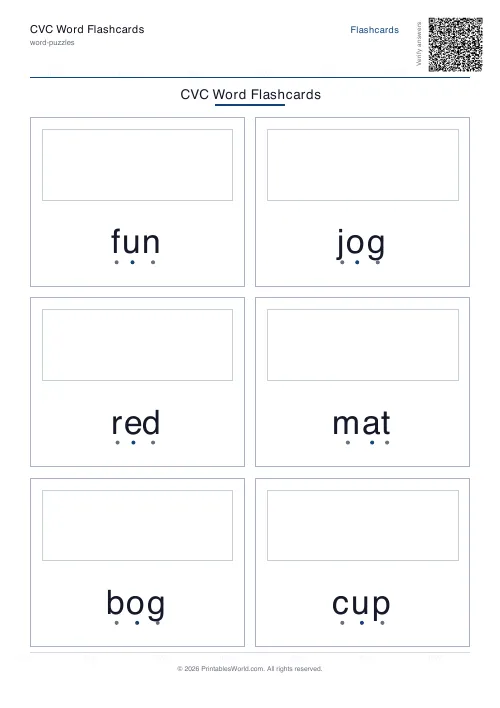
CVC flashcards with one big short-vowel word per card, optional sound dots under each letter for tap-and-blend, a blank picture box, and cut guides. Up to 24 cards.
People also used
Feedback
Spotted something off with this tool?
One word per card, printed big
Each card carries a single three-letter short-vowel word. Underneath it, optionally, a dot per letter for tapping out the sounds. Beside it, optionally, an empty box for the child to draw the word in.
Pick a single vowel or a mixed set, and choose the grid: one to three columns by one to four rows, up to 24 cards.
The sound dots are the phonics part
Three dots under cat, one per sound. The child taps each dot as they say the sound, then sweeps under all three as they blend.
That physical action does something reading the word does not: it separates the sounds in time, which is exactly the skill a child is missing when they look at c-a-t and produce a guess. Tapping makes blending a procedure rather than a leap.
Turn the dots off once blending is automatic. At that point they slow a reader down.
One vowel at a time
Short e and short i are genuinely close in the mouth, and a mixed pack asks a child to discriminate five vowels before any one of them is secure.
Work through a, then o, then i, then u, then e — roughly the order most phonics schemes use, and roughly the order of how distinct the sounds are. Mixed packs come afterwards as a check, not as the way in.
The picture box earns its place
It is the comprehension check. A child can blend mop perfectly and have no idea what one is, and nothing about reading it aloud reveals that.
Having them draw it does. Leave it blank rather than printing a picture — a printed image lets a child match shape to shape without reading anything, which defeats the object.
Games worth playing with them
Print two sets and play pairs. Spread them face up and call a word for the child to find. Sort them by vowel. Or lay four out, say one, and have them pick.
All of those beat going through the pack one card at a time, which is what everybody does and what children tire of by the second week.
Settings and printing
Vowel, card count (up to 24), columns (1–3), rows (1–4), sound dots, picture box, cut guides and a title. A4 or US Letter.
Card if the set is meant to last a term, or paper glued to cereal-box card. Cut guides print faint lines to cut along; turn them off if you are using a guillotine against a ruler.
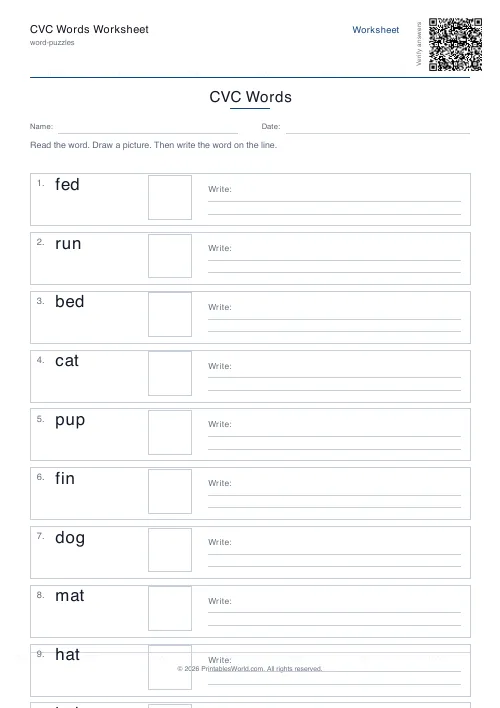
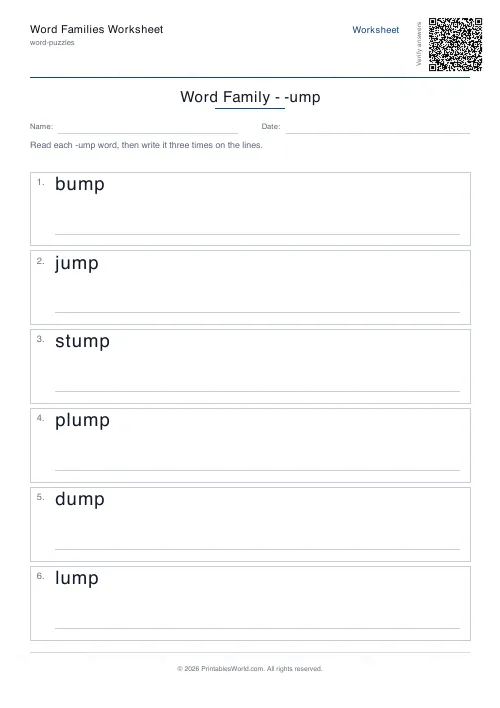
Print at 100% so every card comes out the same size. For a tracing sheet rather than cards, the CVC practice sheets use the same word bank.
FAQs
Quick answers
What is a CVC word?
A three-letter word in the consonant-vowel-consonant pattern, like "cat" or "dog". They are the building blocks of early reading and the easiest words for new readers to decode.
What are the sound dots for?
Each dot sits under one letter so children can tap-and-blend: tap c-a-t, then sweep to read the whole word. The middle vowel dot is highlighted so the trickiest sound stands out.
Can I focus on one vowel?
Yes. Pick short A, E, I, O or U and the deck uses only words with that vowel. Great for vowel-of-the-week phonics work.
How do I get clean cut lines?
Keep cut guides on and print at 100% scale. The bolder card borders give you a clear line to cut along.
Related tools
Further reading
Word Puzzles
Phonics at home: CVC words, blends and beyond
The order matters more than the materials, and one small thing, saying pure sounds rather than "buh" and "cuh", makes blending dramatically easier.
6 min read
Word Puzzles
Sight words: the complete teaching guide
Sight words are usually taught as words to memorise. Most of them are partly decodable, and treating them that way works better. Here is how, and how many to teach at once.
6 min read
Literacy & Spelling
Do word searches help spelling? What works
Do word searches help spelling, or just fill time? What they practise, what the evidence suggests, and how to turn a spelling list into useful recall practice.
8 min read
More like this
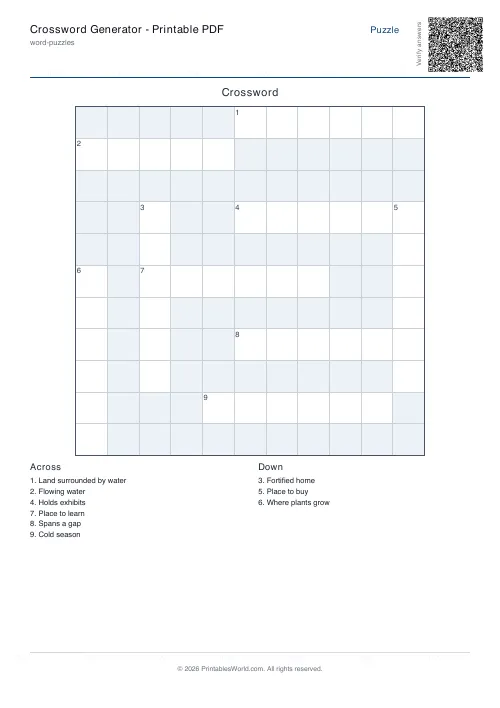 Crossword Generator: Printable PDF
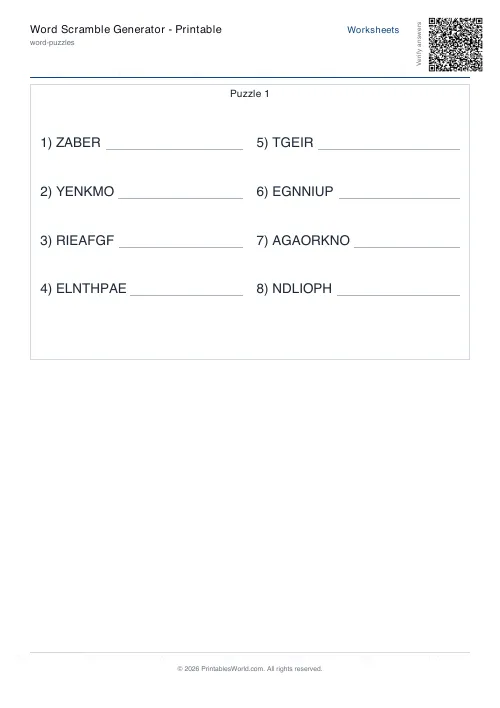 Word Scramble Generator: Printable
 Cryptogram Generator: Printable PDF
 Missing Letter Generator
 Word Search: Custom Words
 Cryptogram: Custom Message
 Crossword: Custom Clues
 Crossword: General Knowledge
 Mini Crossword
 Cryptogram: Substitution Cipher
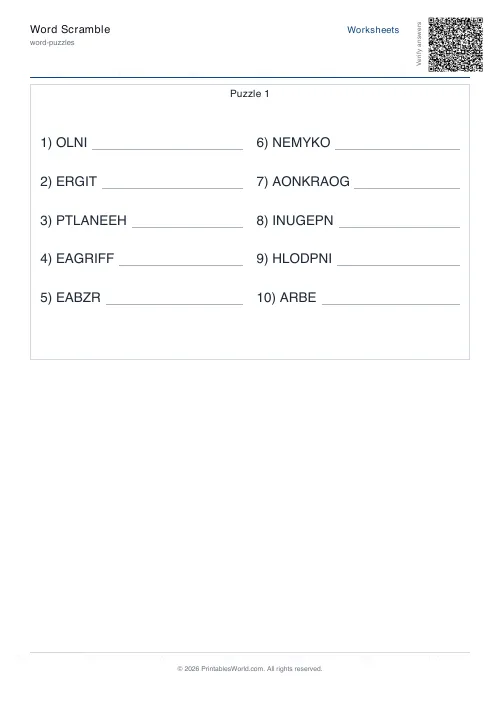 Word Scramble Generator
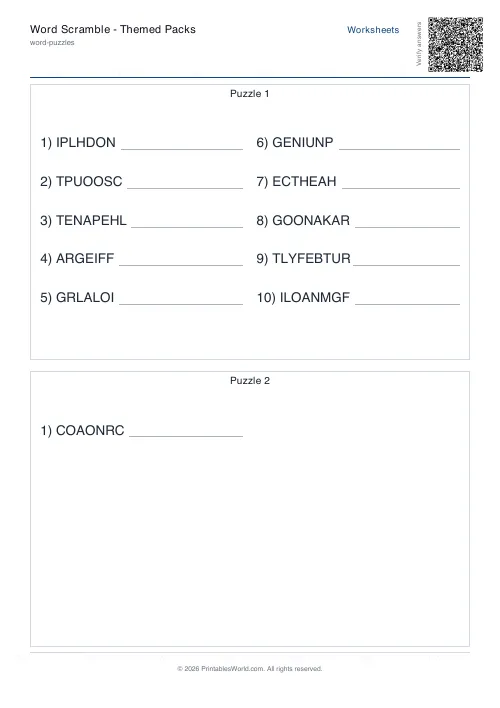 Word Scramble: Themed Packs
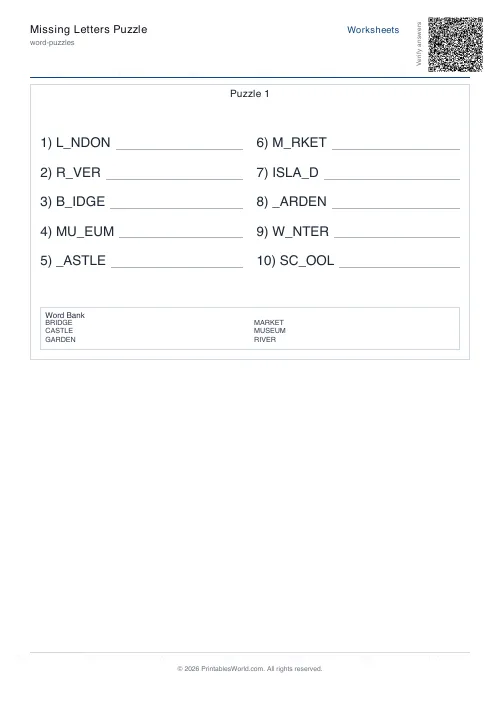 Missing Letters Puzzle
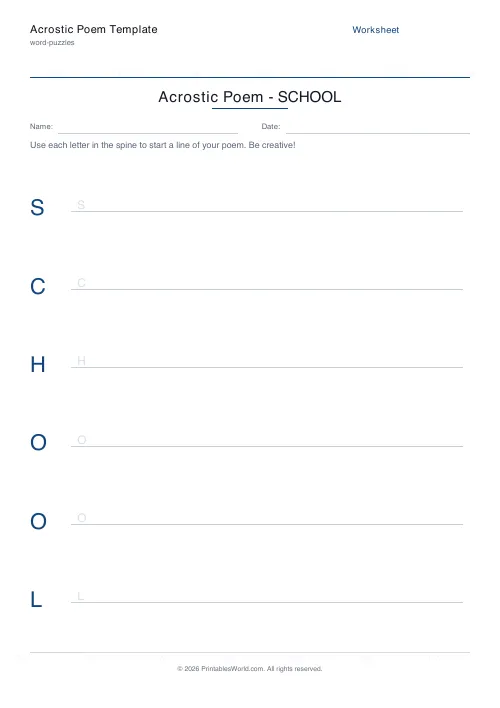 Acrostic Poem Template