What this tool does
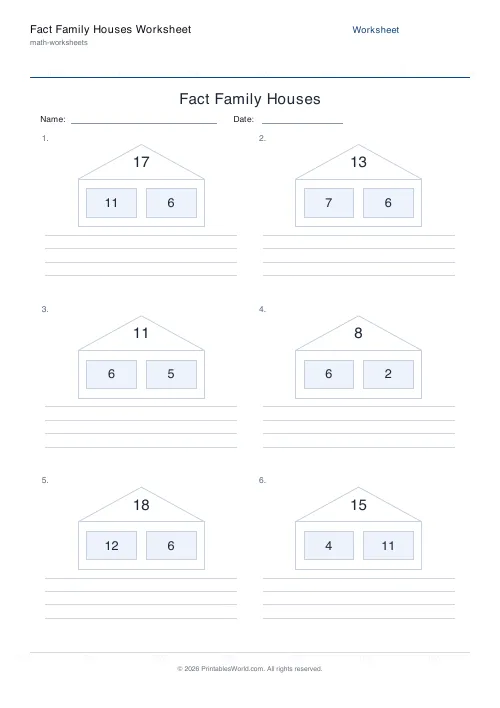
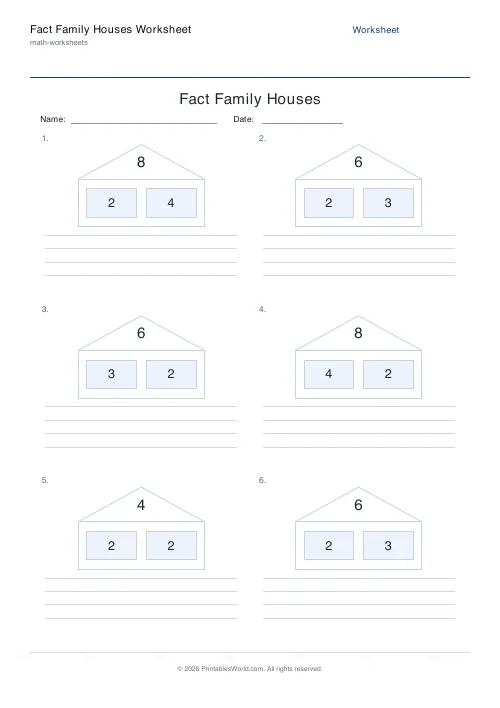
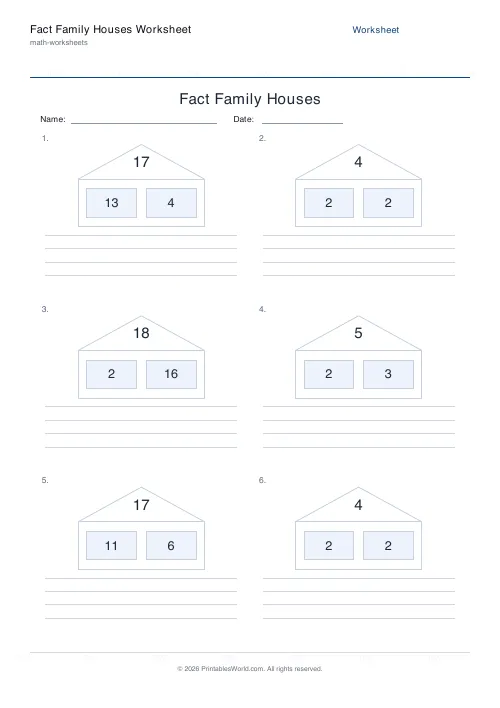
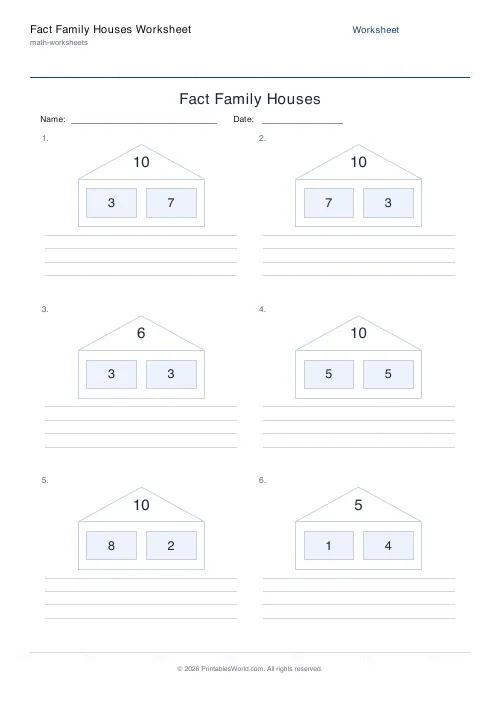
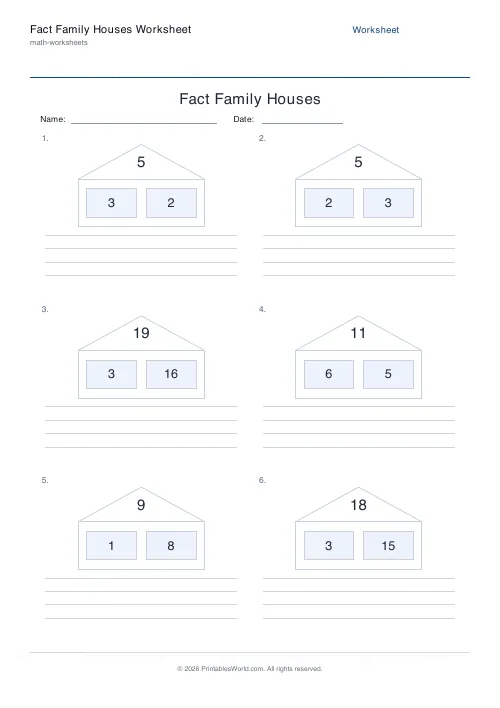
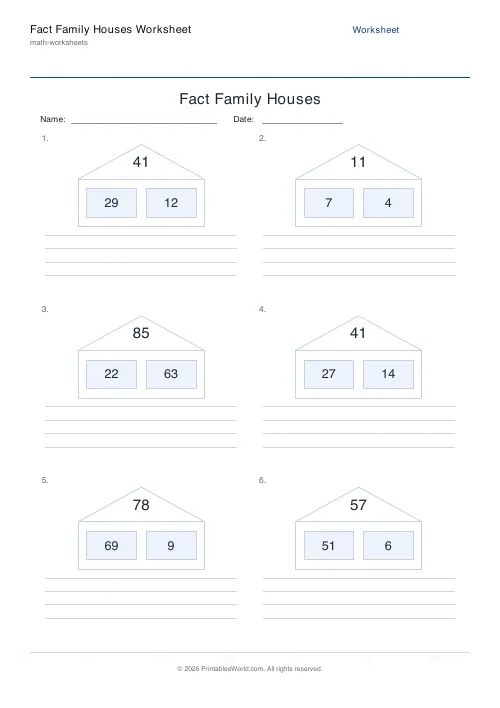
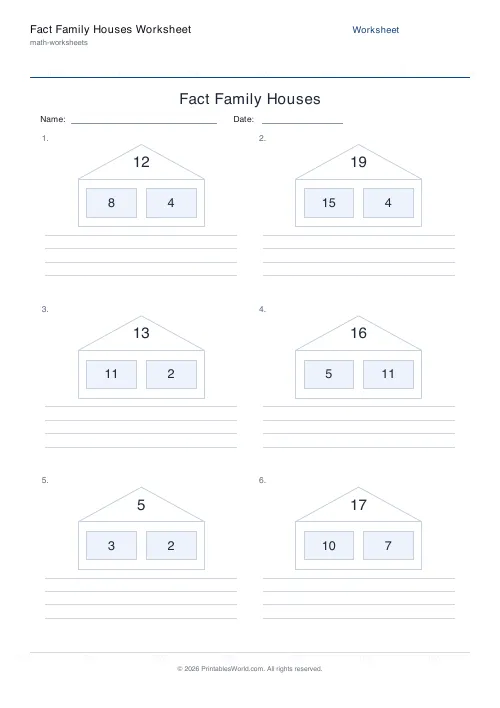
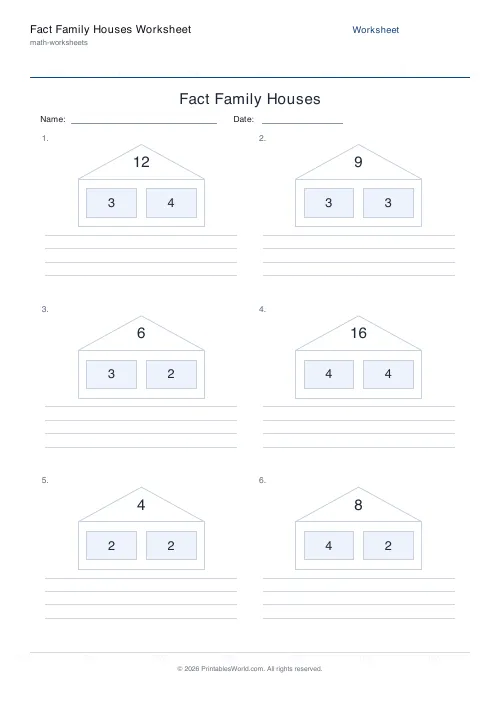
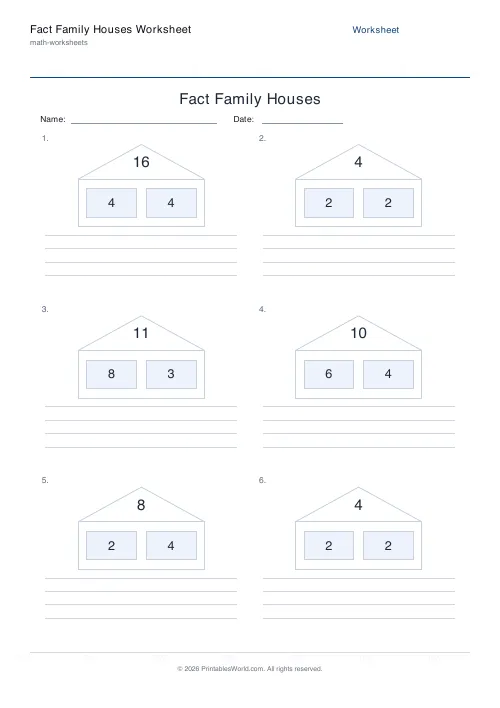
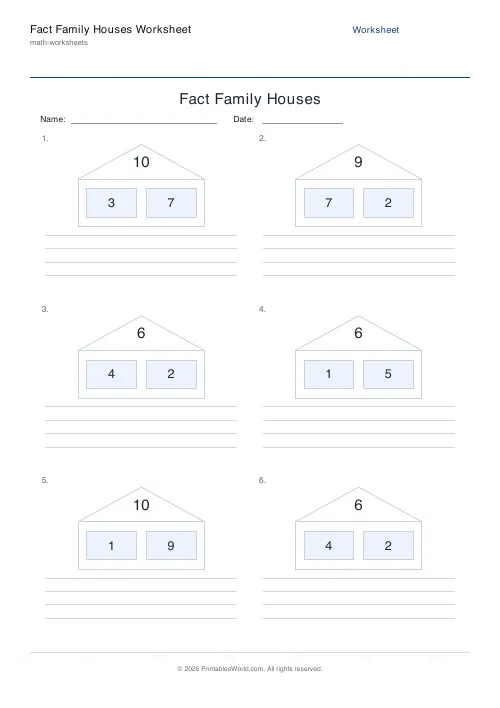
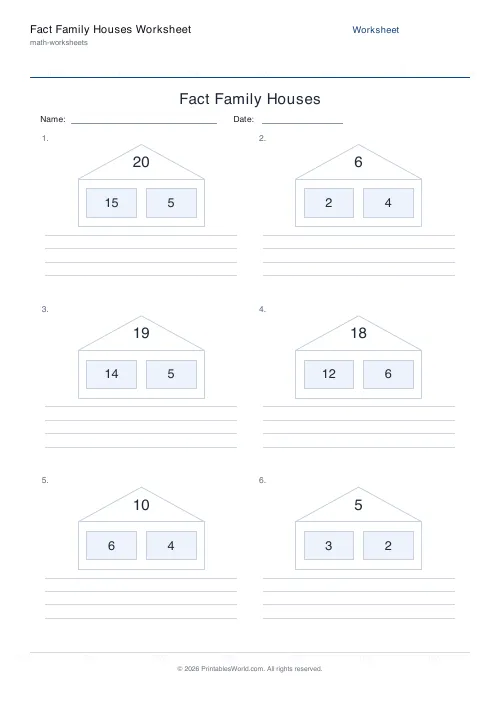
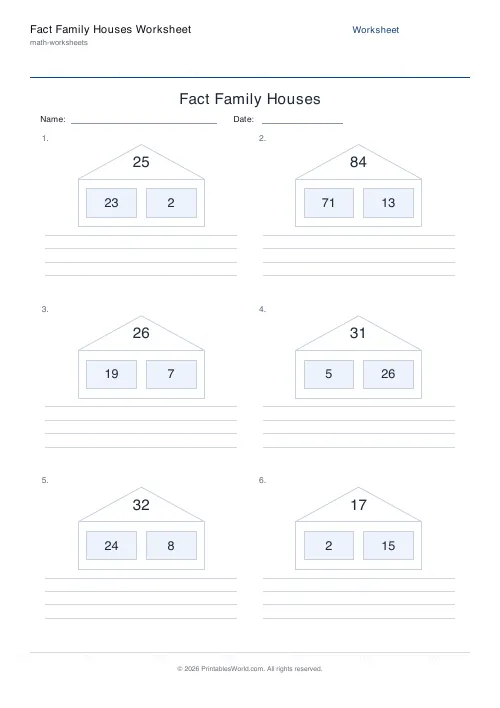
Fact families drawn as houses: the total in the roof, the two parts in the windows, and four lines underneath for the related facts. Choose the addition families, the multiplication ones, or a mix.
People also used
Fact Families Worksheet Generator
Generate printable fact family worksheets for addition, subtraction, multiplication and division practice.
Number Bonds Worksheet Generator
Print customisable number bonds worksheets for sums to 10, 20 or 100 with optional answer keys.
Missing Numbers Worksheet Generator
Free printable fill-in-the-missing-number worksheets for addition, subtraction, multiplication and division.
Feedback
Spotted something off with this tool?
The house
Each problem is a little house. The whole sits in the triangular roof, the two parts sit in windows on the ground floor, and four blank lines run underneath for the child to write the four related facts.
Two to eighteen houses a sheet. Numbers up to 144, answer key optional.
Why a house rather than a row of numbers
Because the picture encodes the relationship, and a row of numbers does not.
Roof on top. Parts below, holding it up. A child looking at the house can see that the two windows together make the roof, and that is the part-part-whole idea on which the whole of early number work quietly rests. Written as "4, 6, 10" it is three numbers. Drawn as a house it is a structure.
It also makes the four facts findable rather than memorable. The child reads them off the drawing instead of trying to recall which combinations are allowed.
Four facts, and why four
From 4, 6 and 10: two additions, 4 + 6 and 6 + 4, and two subtractions, 10 − 6 and 10 − 4.
That subtraction pair is the whole point of the exercise. A child who knows the addition and treats subtraction as a separate skill will count backwards on their fingers for years; a child who sees the house answers 10 − 6 by looking at the roof and one window.
The multiplication houses work identically
Product in the roof, factors in the windows. 3, 4 and 12 give two multiplications and two divisions.
This is the fastest route into division facts there is, and it is routinely skipped. Anyone who knows 7 × 8 = 56 already knows 56 ÷ 8, and the house makes that impossible to miss.
Watch for the doubles
When both parts are the same — 5, 5 and 10 — there are only two distinct facts rather than four, because 5 + 5 and 5 + 5 are the same statement.
Children find this confusing. Explain it rather than marking it wrong — they have noticed something real about the structure, which is exactly what the sheet was for.
Level and use
The addition houses suit roughly ages five to seven; the multiplication ones eight to ten. Keep the numbers small at first, because the point is the relationship and not the arithmetic.
Related: plain fact families without the drawing, and number bonds for the pairs themselves.
FAQs
Quick answers
What is a fact family house?
A fact family house is a picture of one fact family. The whole number (the total or product) sits in the triangular roof and the two parts sit in two windows below it. From those three numbers students write the four related facts on the lines under the house.
How many houses fit on a page?
You can request between 2 and 18 houses. They are laid out two across and up to three down per page, so larger counts flow onto extra pages automatically. Six to twelve houses is a comfortable amount for most worksheets.
Can I make multiplication and division houses?
Yes. Choose the Multiply / Divide family type and the whole in the roof becomes the product of the two window numbers. Each house then yields two multiplication facts and two division facts. Pick Mixed to combine addition/subtraction and multiplication/division houses on one page.
Does the answer key show all four facts?
Yes. Turn on the answer key and a second page prints every house with all four related facts filled in, so you can mark student work at a glance. The answer key only appears when the blank fact lines are shown.
Can I reprint the exact same worksheet?
Yes. Enter a seed value (any word or number) before generating. The same seed with the same family type and maximum always rebuilds the identical set of houses, which is handy for extra copies or progress monitoring.
Related tools
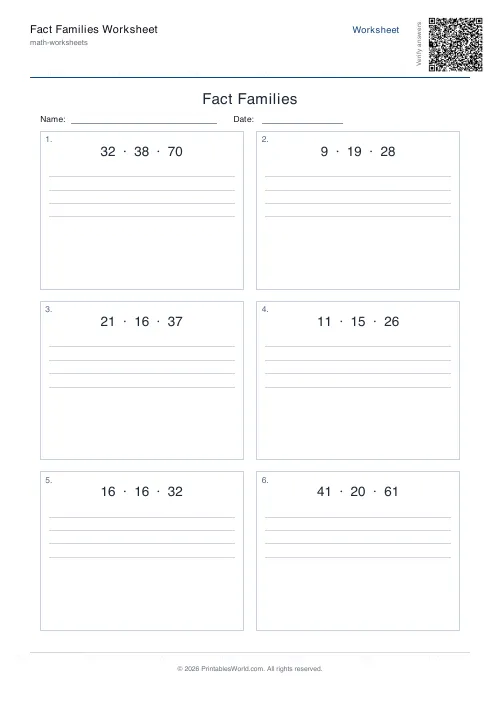
Fact Families Worksheet Generator
Generate printable fact family worksheets for addition, subtraction, multiplication and division practice.
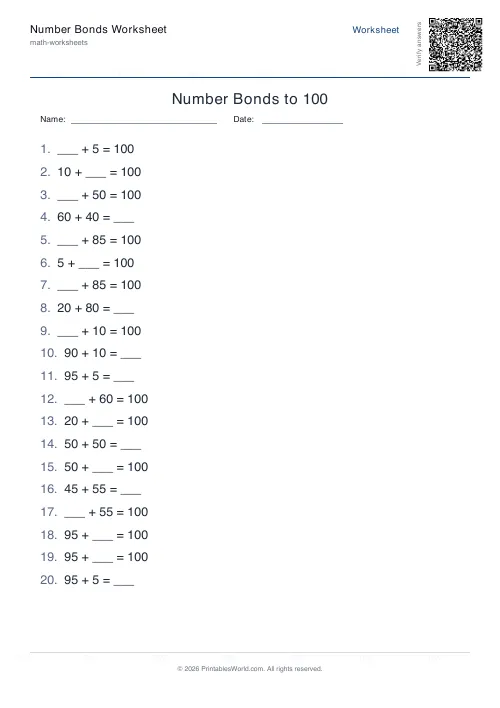
Number Bonds Worksheet Generator
Print customisable number bonds worksheets for sums to 10, 20 or 100 with optional answer keys.
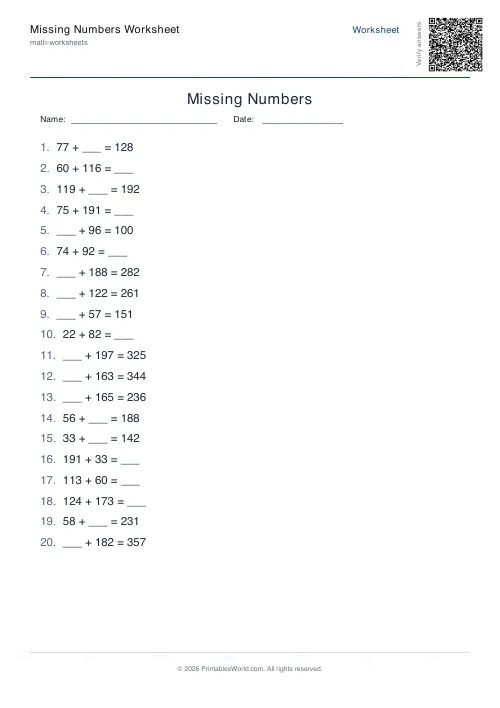
Missing Numbers Worksheet Generator
Free printable fill-in-the-missing-number worksheets for addition, subtraction, multiplication and division.
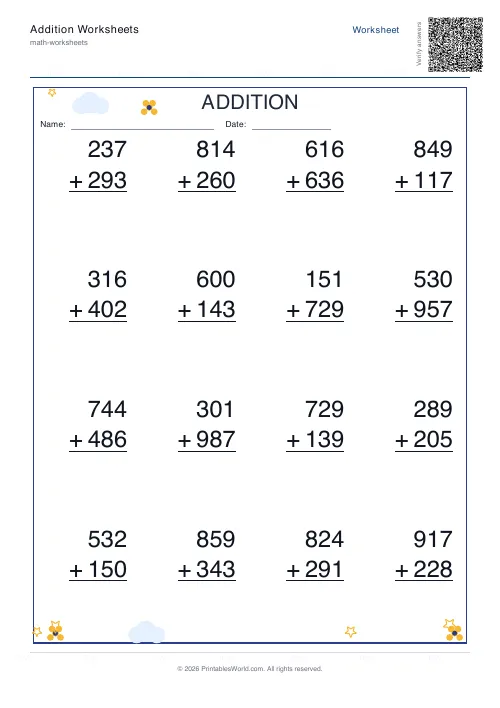
Addition Worksheets Generator
Free printable addition worksheets in tables or line-by-line layouts.
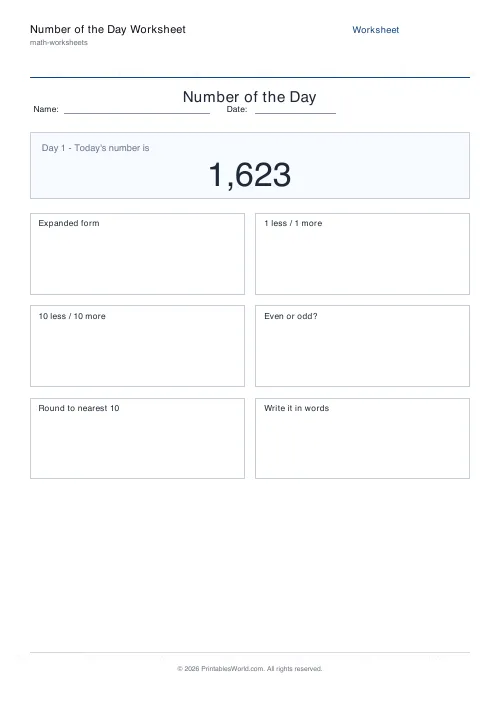
Number of the Day Worksheet
Free printable Number of the Day worksheets. One number, many ways to explore it.
Further reading
Math Worksheets
Understanding BODMAS and PEMDAS: order of operations explained
BODMAS and PEMDAS describe the same rule in different words. The trouble is that both hide two facts the acronym cannot express. Which is where nearly every mistake comes from.
5 min read
Math Worksheets
Ten frames and number bonds: early maths foundations
A ten frame is two rows of five. That arrangement does something a row of counters cannot. It makes quantities visible without counting, which is where number sense starts.
5 min read
Math Worksheets
Addition strategies: number lines, regrouping and more
Column addition is the destination, not the route. Here are the strategies that come before it, why each matters, and how to tell which one a child is actually using.
5 min read
More like this
- Addition Worksheets Generator
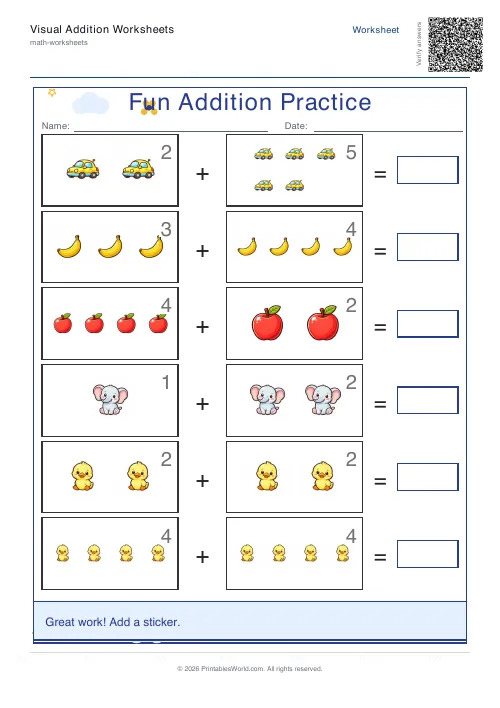 Visual Addition Worksheets Generator
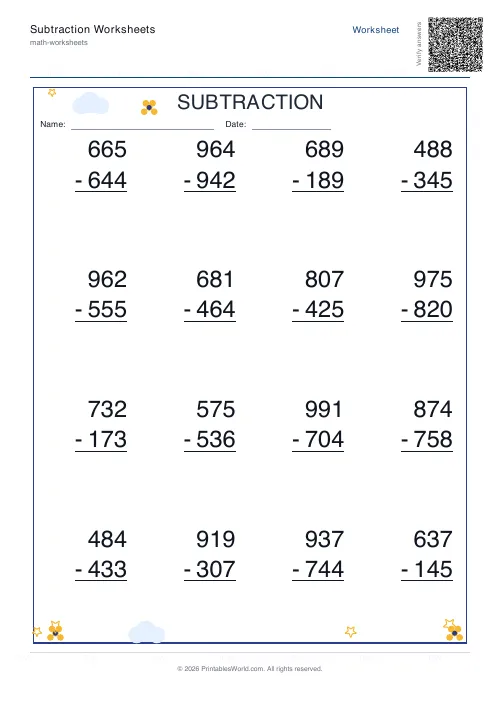 Subtraction Worksheets Generator
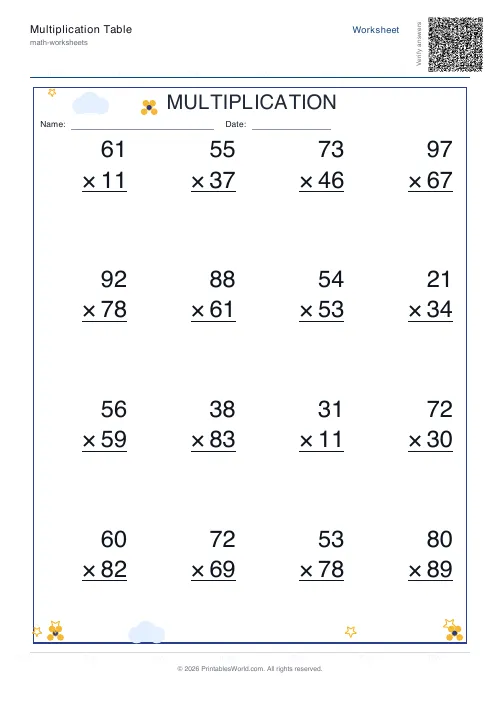 Multiplication Table Generator
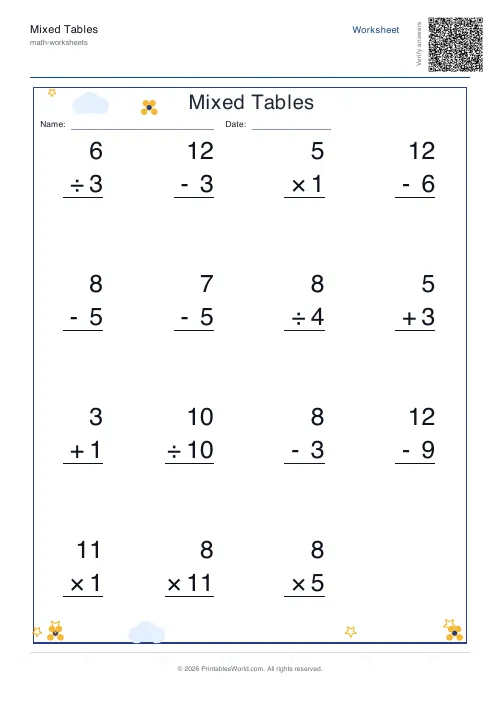 Mixed Tables Generator
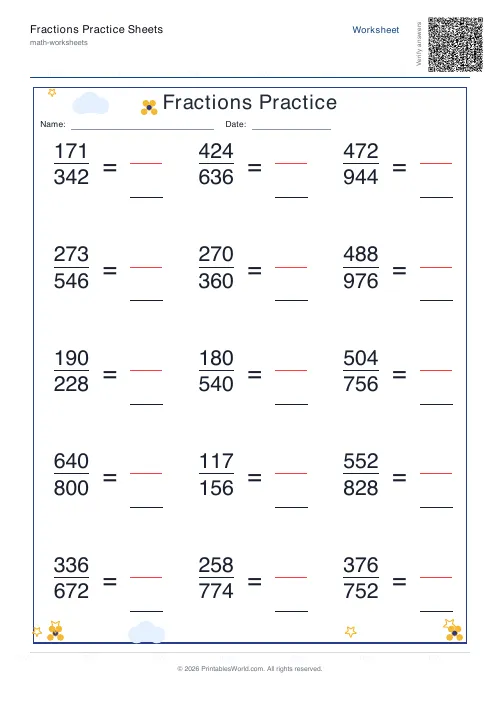 Fractions Practice Sheets Generator
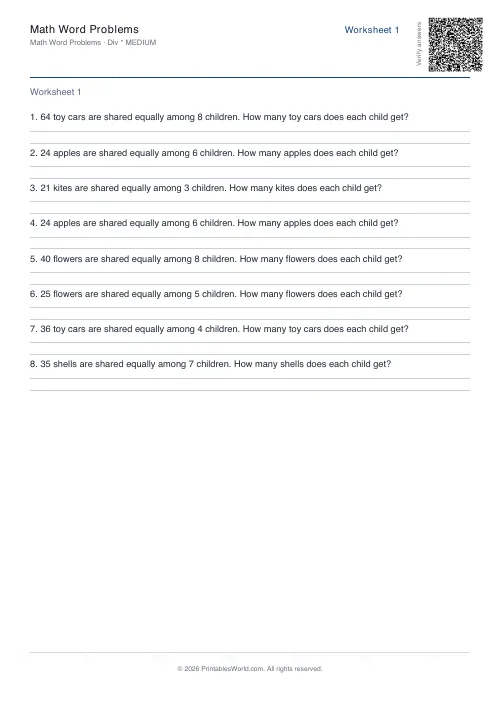 Math Word Problems Generator
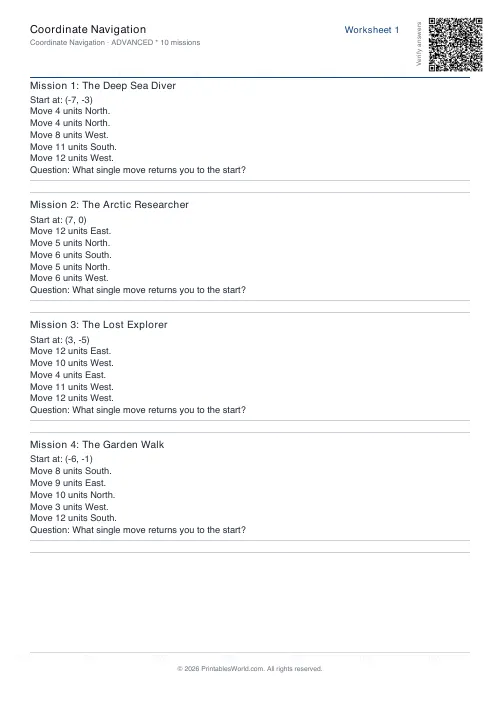 Coordinate Navigation Generator
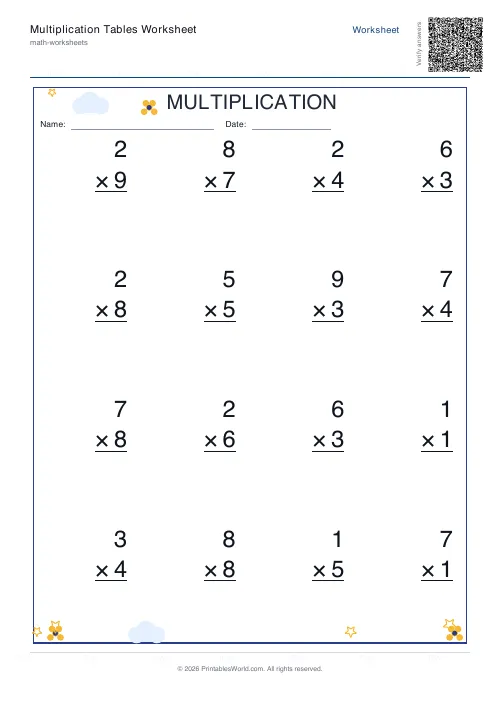 Multiplication Tables Worksheet
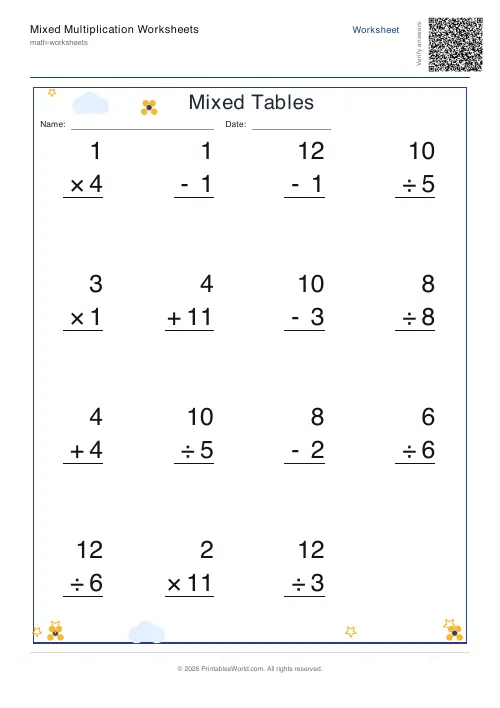 Mixed Multiplication Worksheets
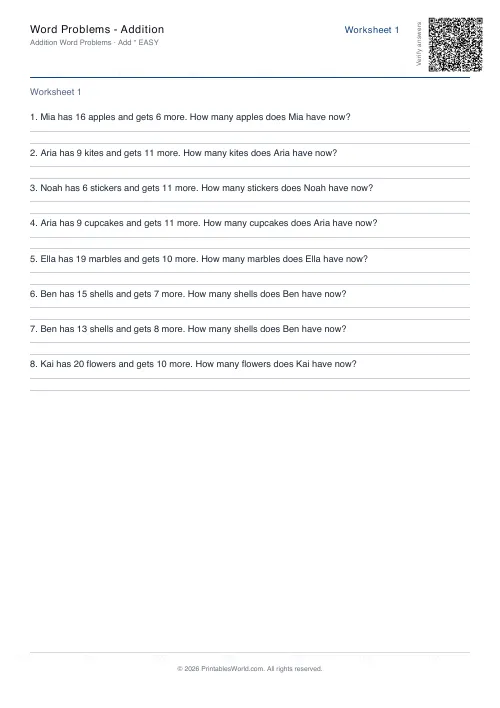 Word Problems: Addition
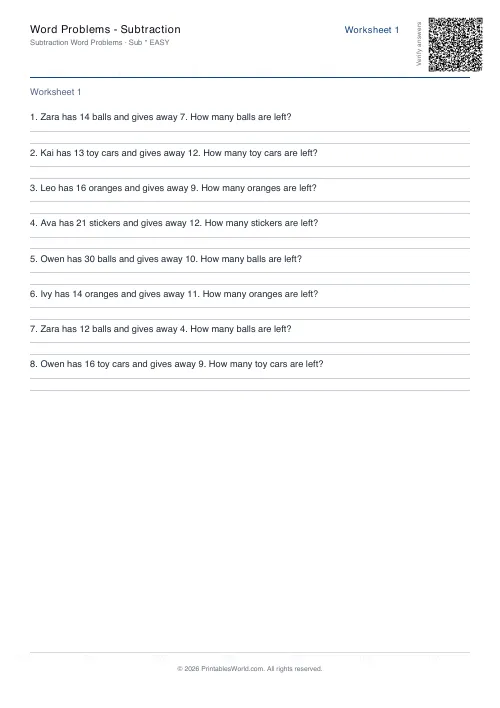 Word Problems: Subtraction
 Word Problems: Multiplication
 Word Problems: Division