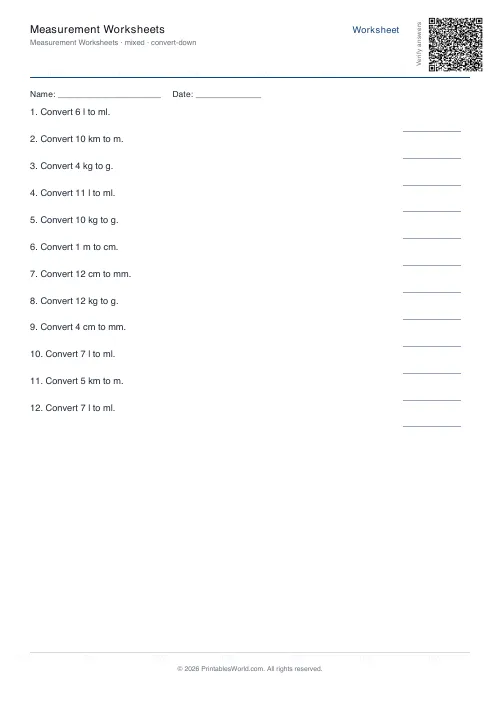
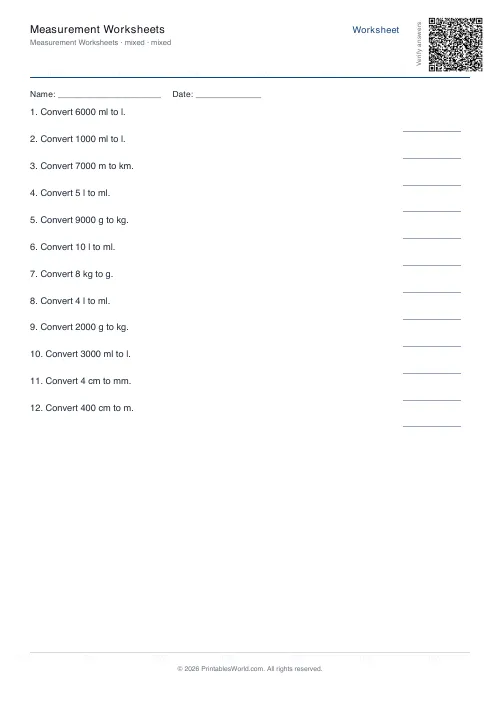
What this tool does
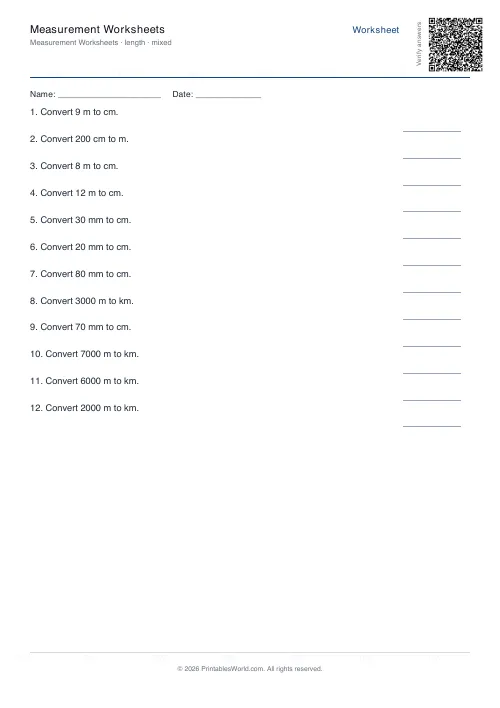
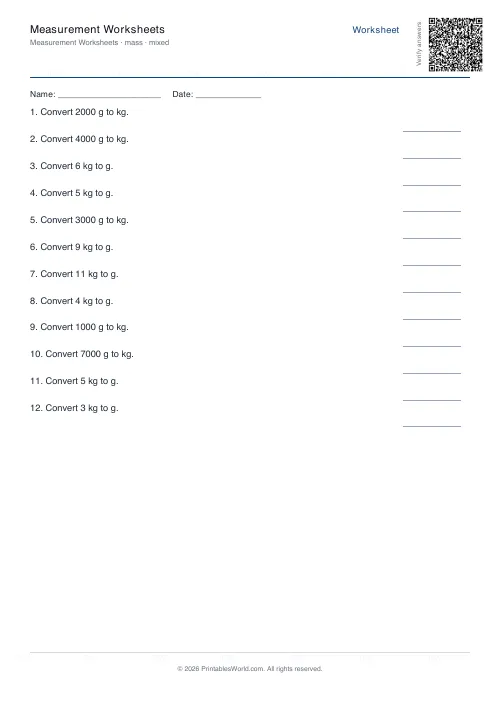
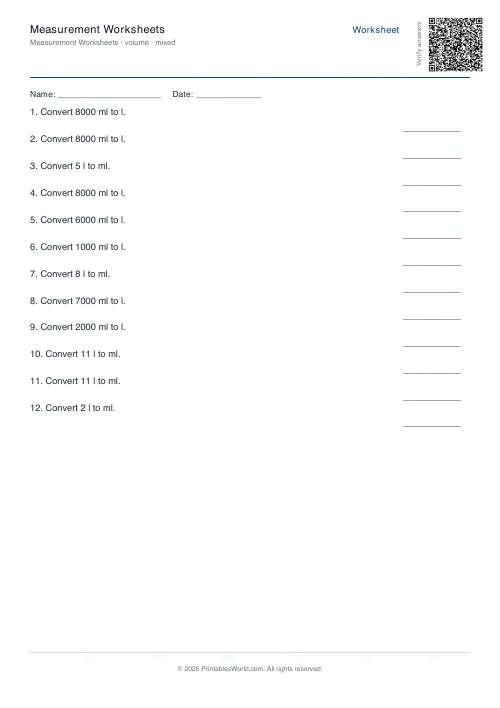
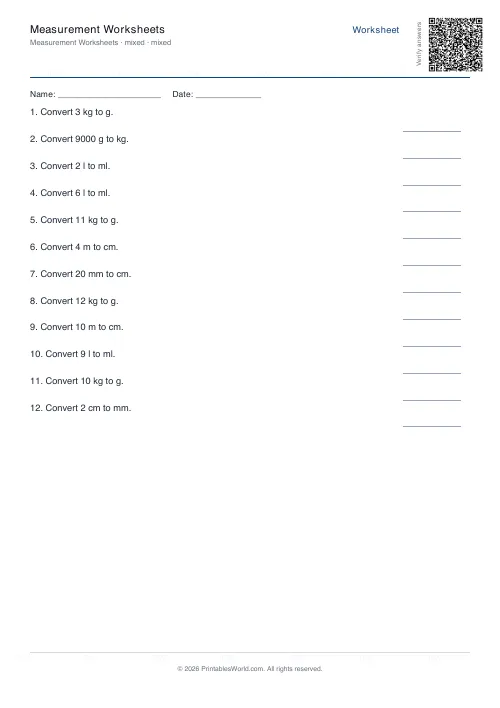
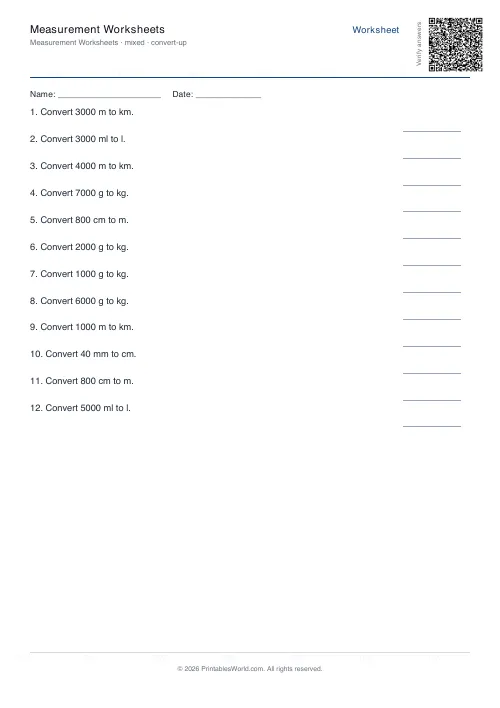
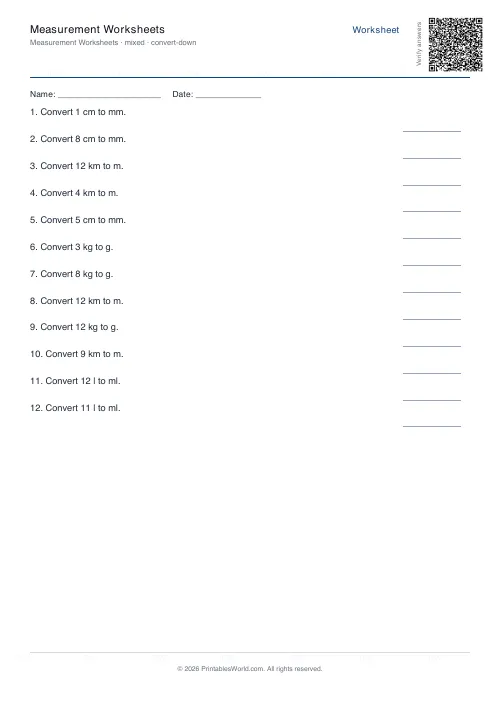
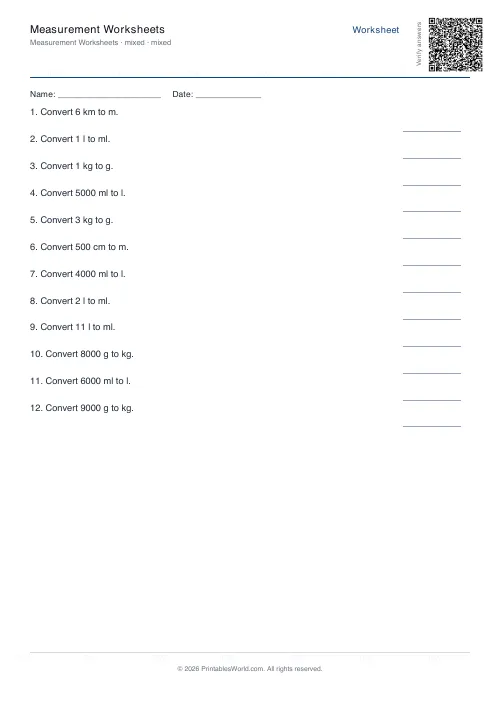
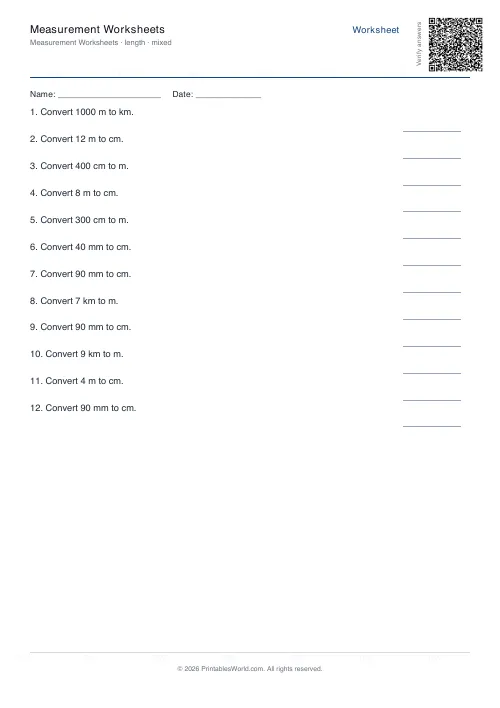
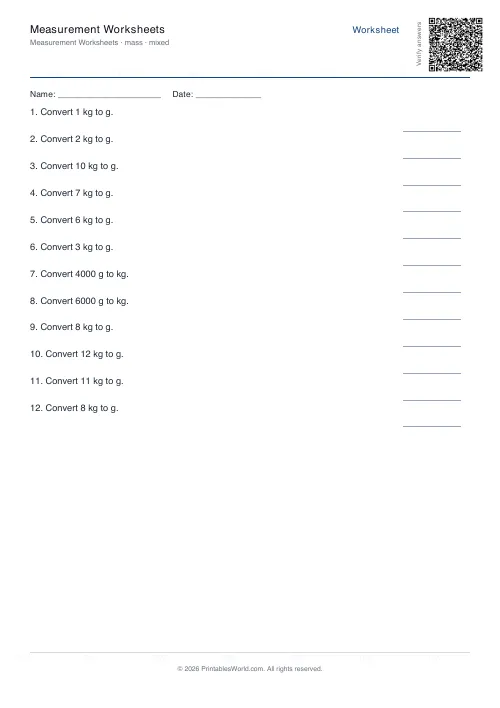
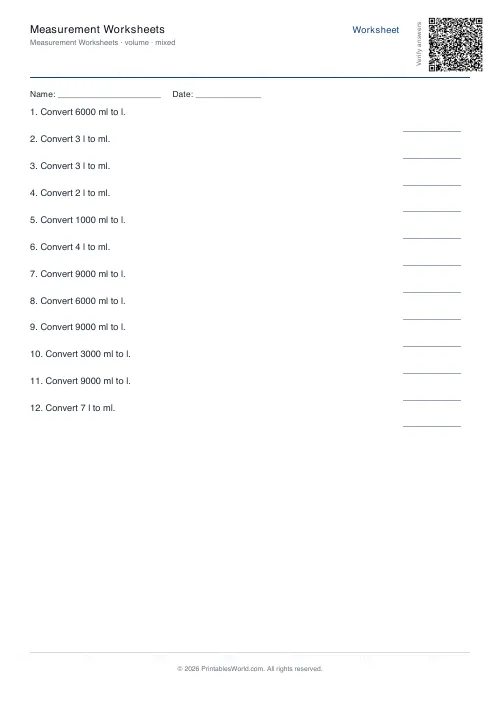
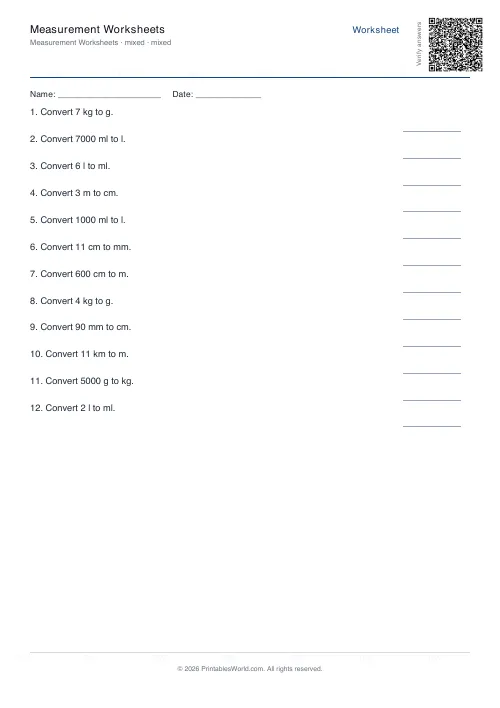
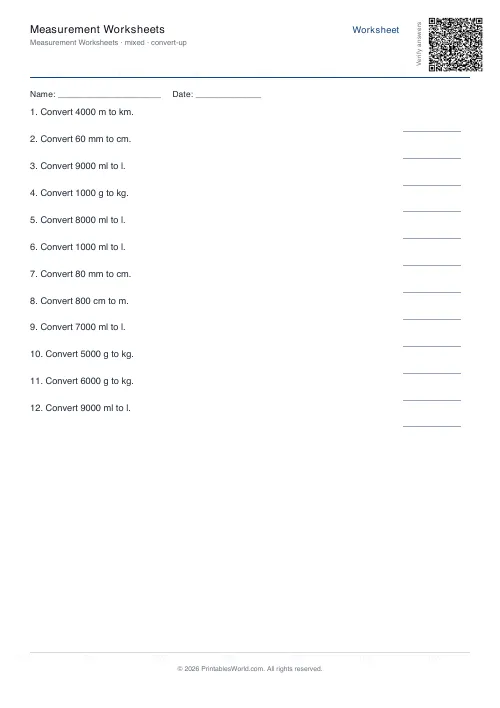
Metric conversion practice across the three quantities primary pupils meet: length in mm, cm, m and km; mass in g and kg; volume in ml and l. Convert up, convert down, or mix the two, with every answer coming out a whole number and an optional key.
People also used
Perimeter and Area Worksheets
Generate perimeter and area worksheets for rectangles, squares, triangles, and compound shapes.
Math Word Problems Generator
Generate printable math word problem worksheets with customisable topics, difficulty, and answer keys.
Money Maths Worksheets
Print money maths worksheets with coin addition, making change, and word problems in £, $, or €.
Feedback
Spotted something off with this tool?
Metric only, and clean answers
Length, mass, volume. Or a mixed sheet drawing from all three. Problems are chosen so the converted value is always a whole number, which keeps marking fast and keeps the pupil's attention on the direction rather than on a decimal that tells you nothing about whether they understood.
The factors are the standard ones and there is nothing to look up: 10 mm to a centimetre, 100 cm to a metre, 1000 m to a kilometre, 1000 g to a kilogram, 1000 ml to a litre.
Imperial units are not here. That is a separate generator on this site, and keeping them apart is deliberate.
The direction is the whole difficulty
Convert up goes small to large, convert down goes large to small, and mixed alternates.
Nearly every error on this topic is a direction error rather than an arithmetic one. A child who can tell you there are 1000 grams in a kilogram will still multiply when they should divide, because the number was memorised and the operation was not. On a single-direction sheet they settle into a rhythm and the problem stays hidden.
So teach one direction to fluency, then the other, and use mixed as the assessment. A mixed sheet is not harder practice, it is the test.
Why metric is the easy half
Everything here is a power of ten, and once a pupil notices that, conversion collapses into moving a decimal point rather than doing a multiplication.
That is worth showing explicitly rather than hoping they spot it. Write 3 m as 300 cm as 3000 mm in a column and the pattern is visible in one glance. It is also the moment place value stops being an abstract topic and starts being useful, which is a connection few children make on their own.
Three quantities, one method
Length has four units and three steps between them. Richest of the three, and the right place to start.
Mass and volume each have a single step, gram to kilogram and millilitre to litre, both at a thousand. Once length is secure those two are almost free, and running them as separate sheets afterwards is quick reinforcement rather than new learning.
Mixed pulls from all three and is the one to save for revision, because it also tests whether a pupil is reading the units at all rather than pattern-matching on the numbers.
Beyond the sheet
Science practicals are where this gets used under pressure. A pupil measuring in millilitres and writing up in litres is doing exactly this conversion with an experiment riding on it.
Every export regenerates. Run Length for one group and Mixed for another in the same lesson, printed in the same minute.
FAQs
Quick answers
Which units are covered?
Length (mm, cm, m, km), mass (g, kg) and volume (ml, l). The Mixed group picks problems from all three.
Can I practise only small-to-large conversions?
Yes. Set Direction to Convert up to go from the smaller unit to the larger one; choose Convert down for the reverse.
Are the answers always whole numbers?
Yes. The generator picks multiples so the converted values are always whole numbers, keeping the worksheet clean.
Do I get an answer key?
Yes. Include answer key is on by default and appends a matching answers page.
Related tools
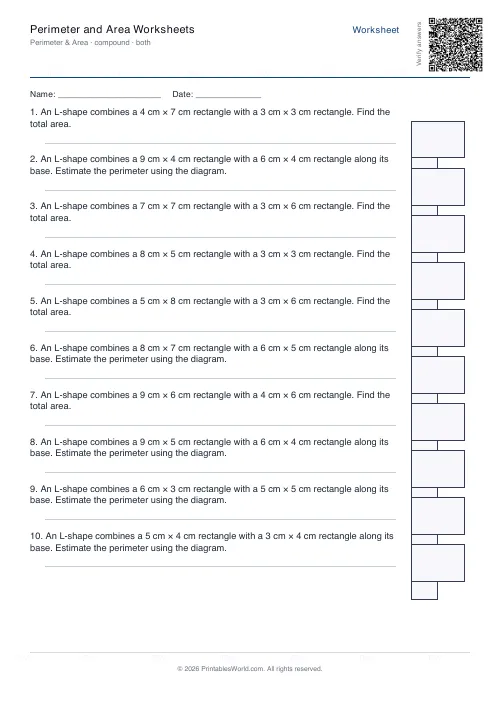
Perimeter and Area Worksheets
Generate perimeter and area worksheets for rectangles, squares, triangles, and compound shapes.
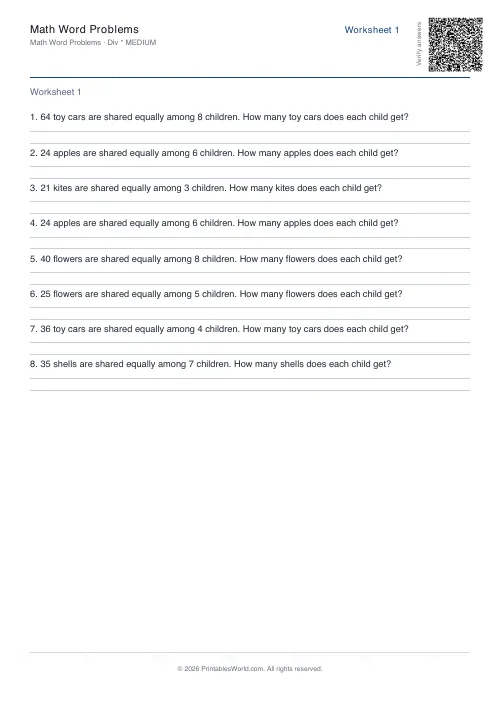
Math Word Problems Generator
Generate printable math word problem worksheets with customisable topics, difficulty, and answer keys.
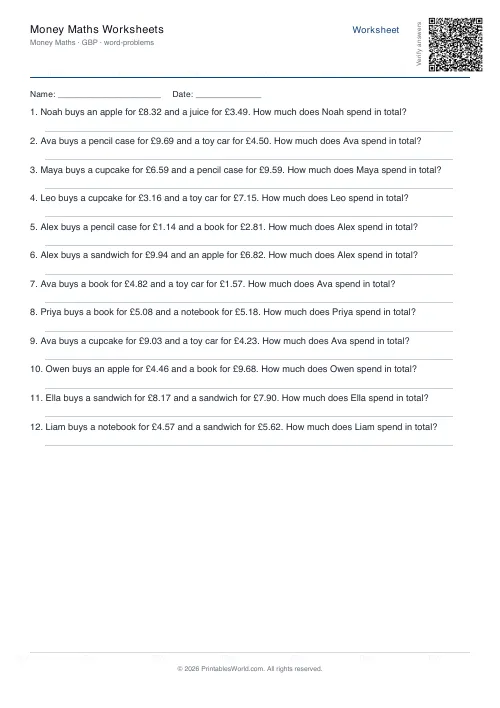
Money Maths Worksheets
Print money maths worksheets with coin addition, making change, and word problems in £, $, or €.
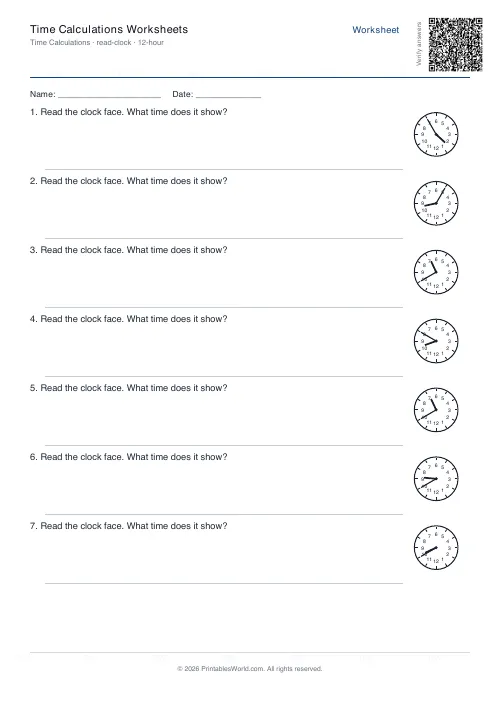
Time Calculations Worksheets
Print elapsed-time, duration arithmetic, and analog-clock worksheets with 12- or 24-hour formats.
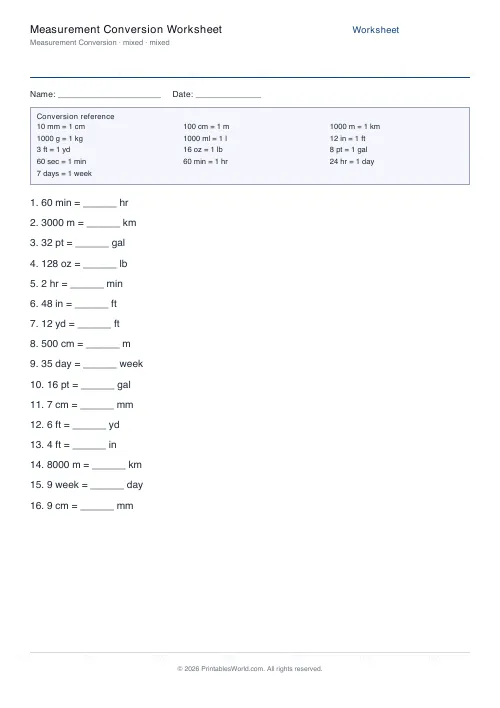
Measurement Conversion Worksheet
Convert metric, imperial and time units. With a built-in conversion reference card and answer key.
Further reading
More like this
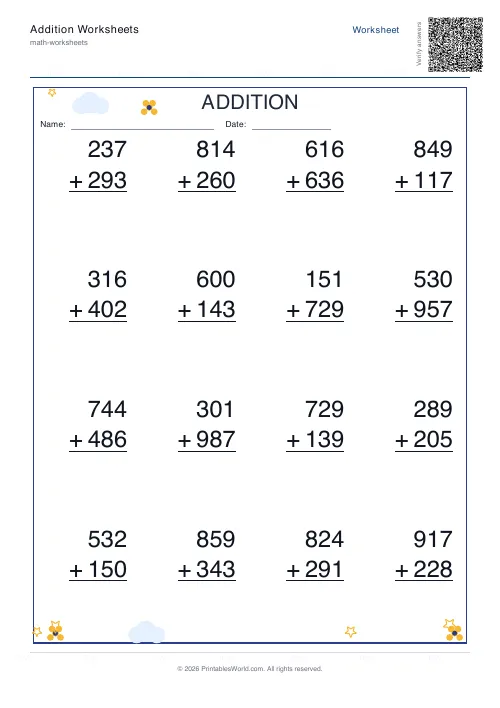 Addition Worksheets Generator
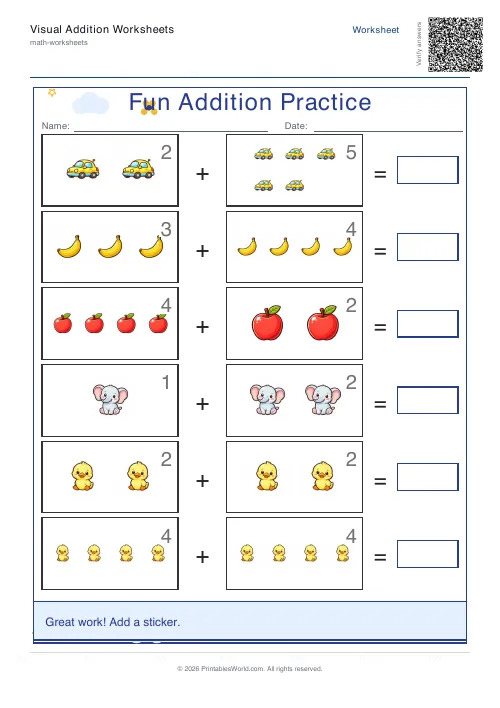 Visual Addition Worksheets Generator
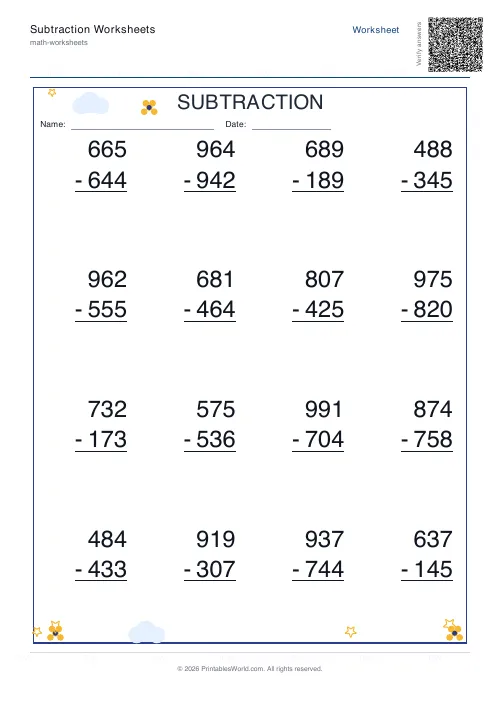 Subtraction Worksheets Generator
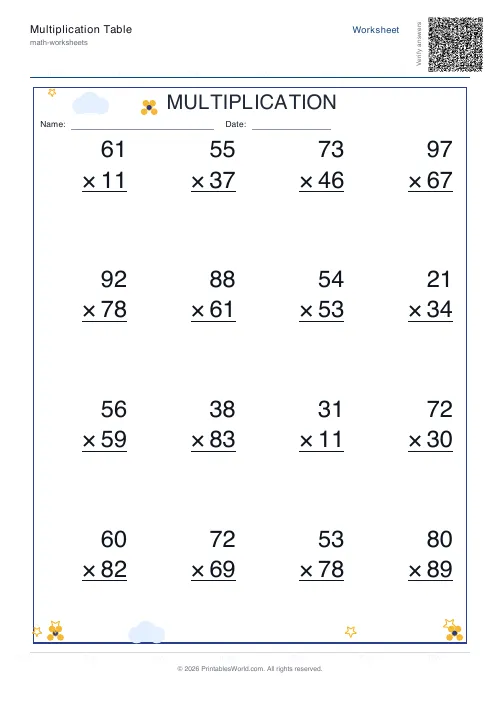 Multiplication Table Generator
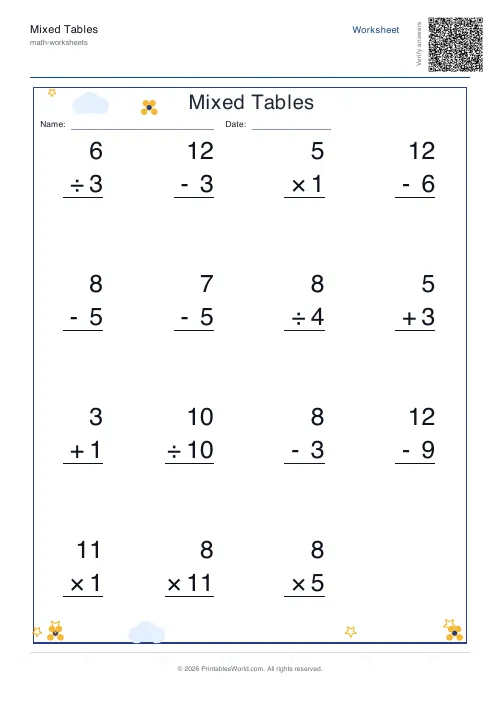 Mixed Tables Generator
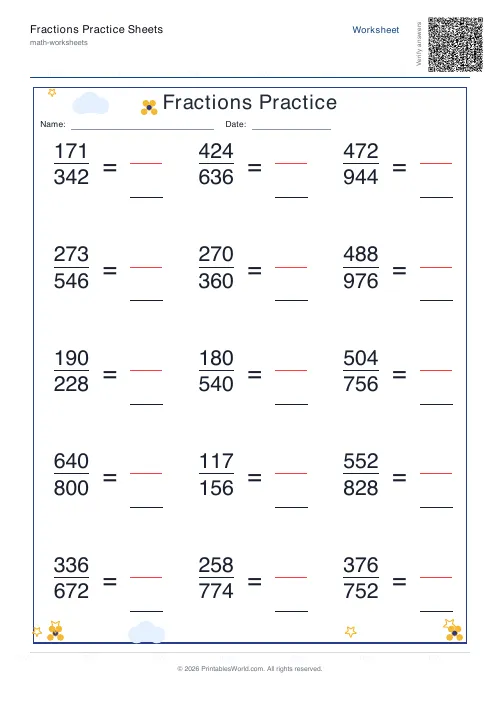 Fractions Practice Sheets Generator
- Math Word Problems Generator
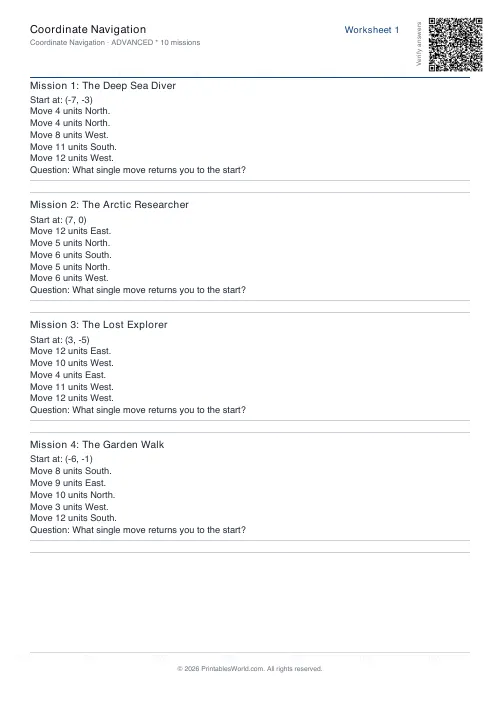 Coordinate Navigation Generator
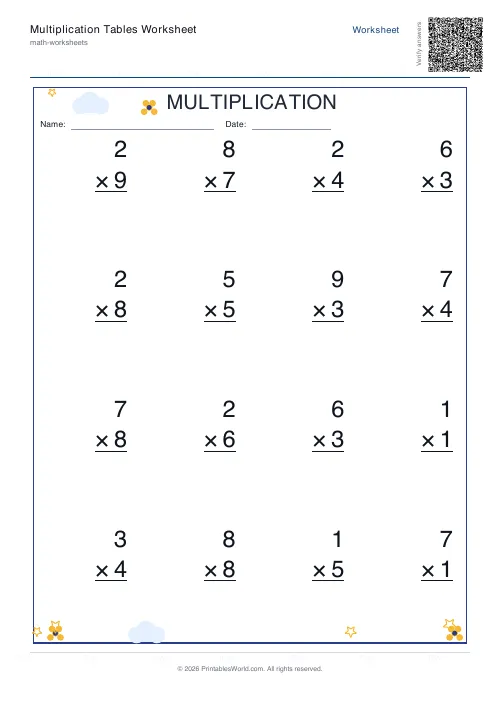 Multiplication Tables Worksheet
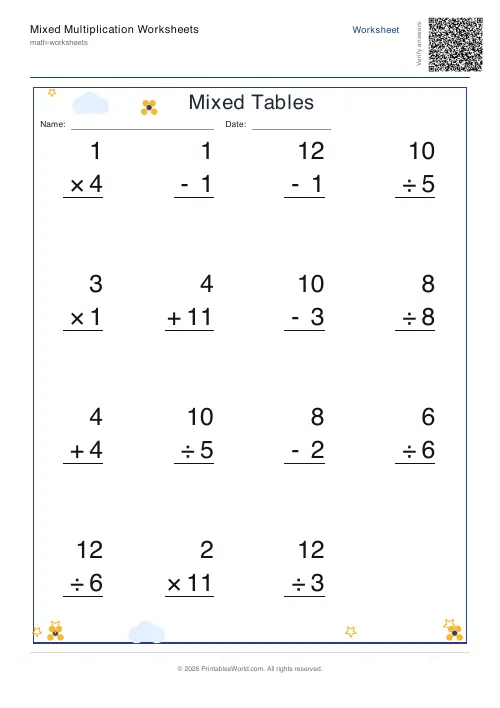 Mixed Multiplication Worksheets
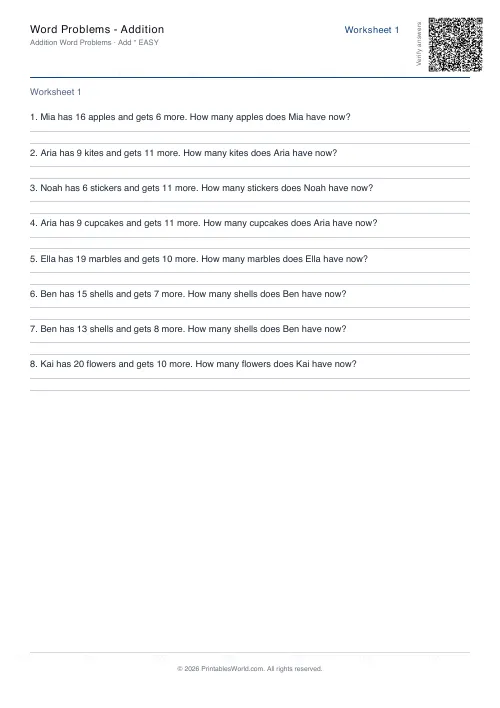 Word Problems: Addition
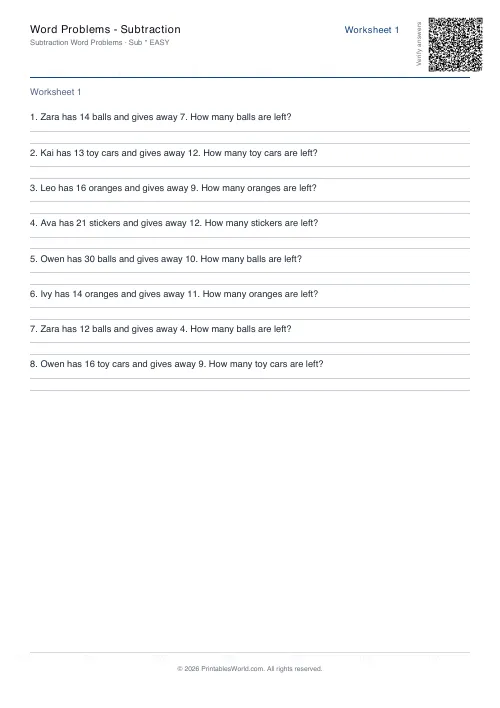 Word Problems: Subtraction
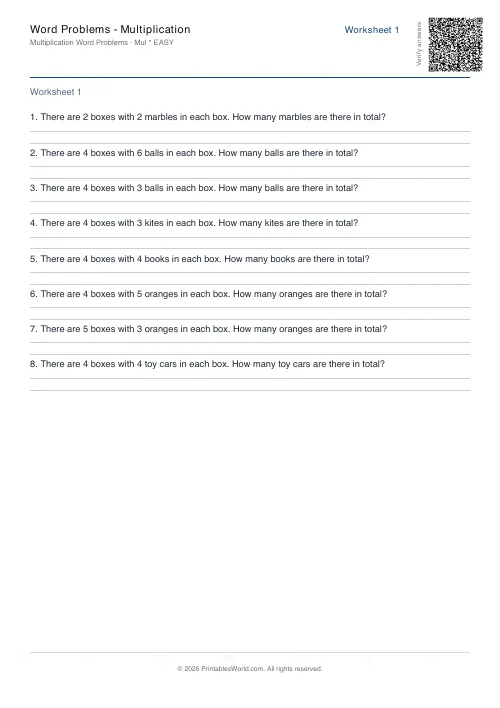 Word Problems: Multiplication
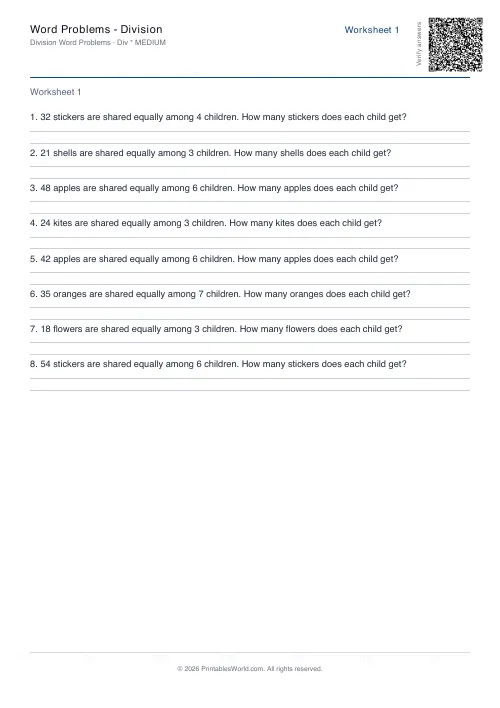 Word Problems: Division