What this tool does
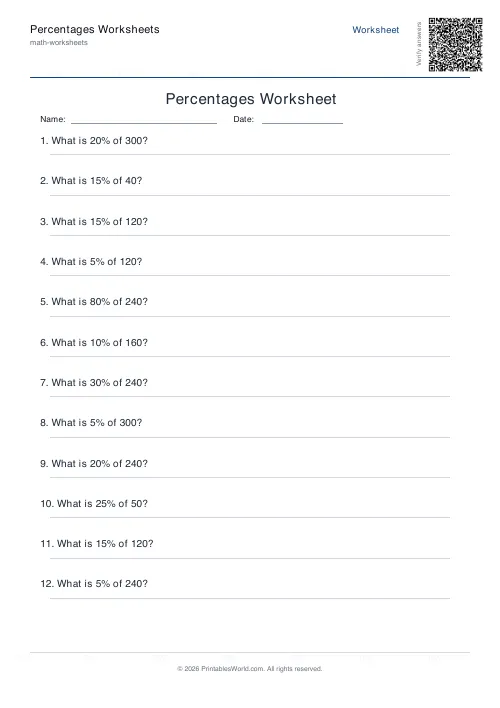
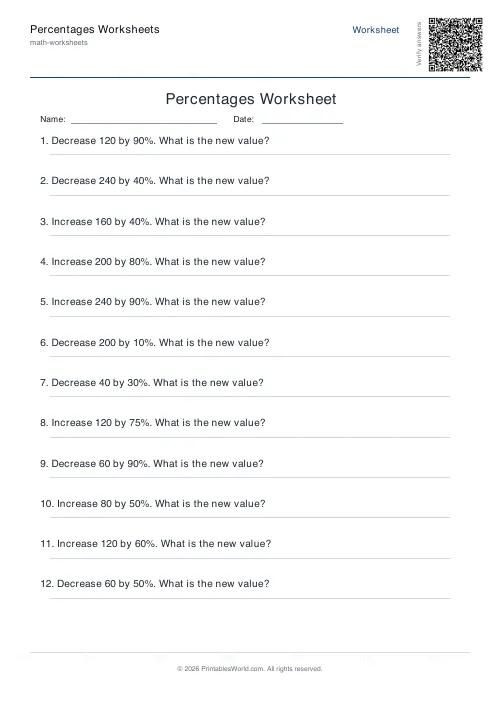
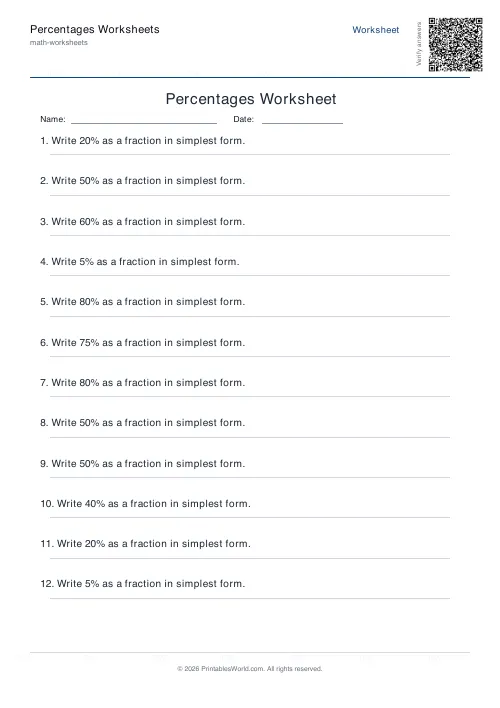
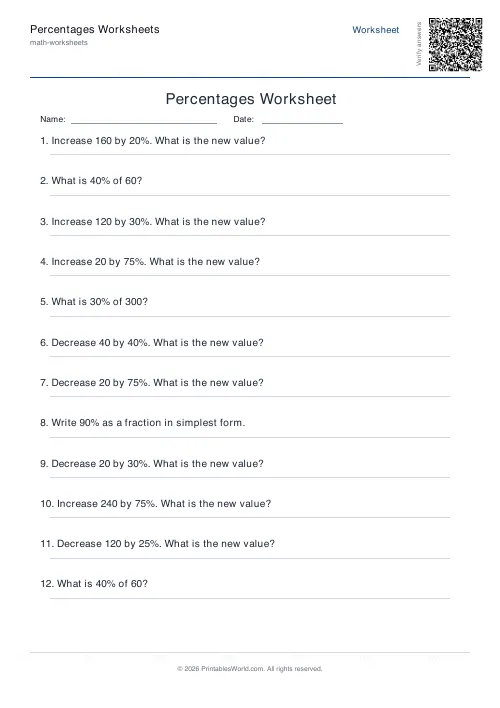
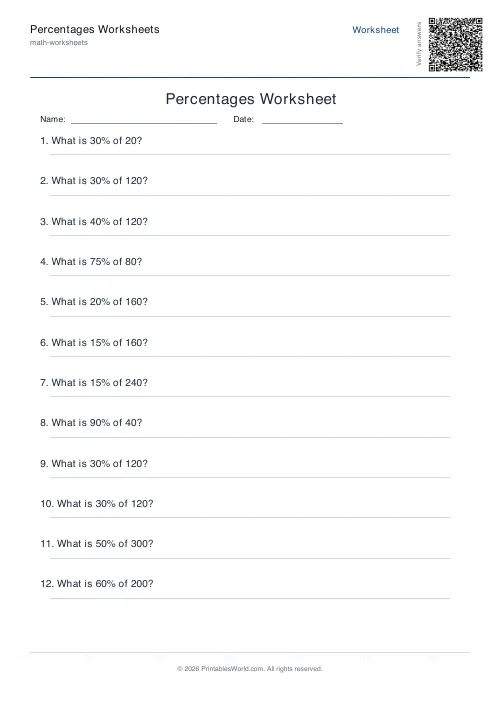
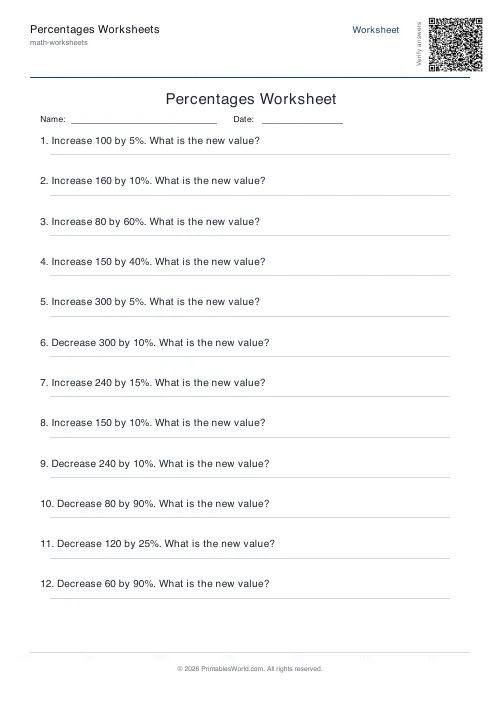
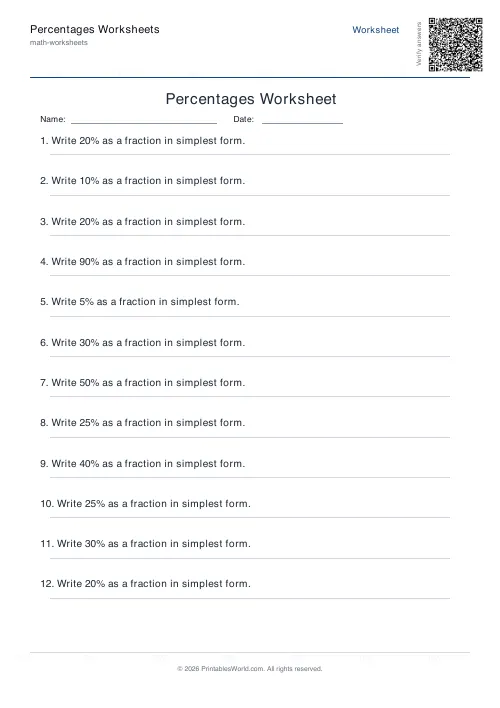
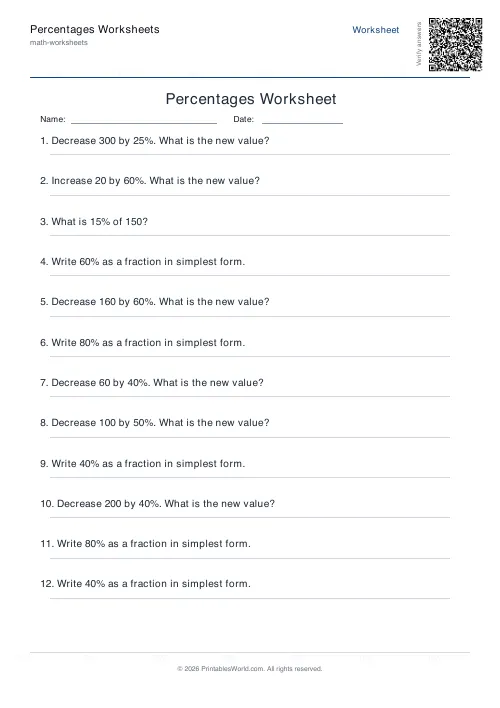
Percentage practice in four shapes: a percentage of an amount, an increase or decrease, converting a percentage to a fraction in lowest terms, or a mix of all three.
People also used
Decimals Worksheets Generator
Create custom decimal arithmetic worksheets with configurable operations and decimal places.
Fractions Practice Sheets Generator
Generate printable fraction simplification worksheets with custom ranges, layouts, and answer keys.
Rounding Numbers Worksheet Generator
Generate free printable rounding worksheets for whole numbers and decimals with answer keys.
Feedback
Spotted something off with this tool?
Four question types
Of an amount — what is 25% of 80. Percent change — increase 40 by 10%, decrease 60 by 25%. Percent to fraction — write 75% in its simplest form. Mixed draws from all three.
Sixteen questions by default with an answer key.
Per cent means per hundred
Say it that way and half the topic explains itself. 25% is 25 out of every 100, which is 25/100, which is a quarter.
Pupils who hold that translation can convert in either direction without a rule, and pupils who have only learnt "move the decimal two places" are lost the moment a question is phrased unusually. It is worth the ten minutes at the start.
The 10% method
The single most useful technique here, and it is worth more than any formula.
Ten per cent is one tenth, which anyone can find. From there: 5% is half of it, 20% is double, 15% is the ten plus the five, 1% is a tenth again. 35% of 60 becomes 6 plus 3 plus 12, which is 21, done in your head at a bus stop with no calculator anywhere.
Teach this before the multiply-by-the-decimal method. It builds a feel for whether an answer is sensible, which the mechanical route never does.
Increase and decrease
Two routes, and the second is the one that scales.
Find the percentage and add it on — that works and it is two steps. Or use a multiplier: a 10% increase is ×1.1, a 25% decrease is ×0.75. One step, and it is the method that survives into compound interest, into depreciation, into reverse percentages, all places where the add-on approach becomes unworkable.
The classic trap is worth setting deliberately: a 20% rise followed by a 20% fall does not return you to where you started. It lands at 96%, because the fall is taken from a bigger number. Every pupil should meet that once.
Converting to a fraction
Write it over 100, then simplify. 75% is 75/100 is 3/4.
The simplifying is where marks are lost, which makes this mode quietly a factors exercise wearing a percentage costume. A pupil who is shaky on highest common factors will produce 15/20 and stop.
Where it is used
Sale prices, VAT, tips, interest, test scores, statistics in every newspaper. It is the piece of school mathematics with the widest reach into ordinary adult life, and the one where a shaky grasp costs people actual money.
Level: roughly ages ten to fifteen, depending on mode. Related: fractions practice and factors and multiples.
FAQs
Quick answers
How many problems can I put on one worksheet?
You can generate between 4 and 60 problems per worksheet. The tool will paginate automatically if you choose a high count.
What does the seed value do?
Entering a seed locks in a specific set of problems. If you use the same seed again with identical settings, you'll get the exact same worksheet. Useful for printing duplicate copies or creating parallel forms.
Can I mix all three percentage topics on one worksheet?
Yes. Select the mixed mode, and the generator will randomly draw from percent-of-amount, percentage change, and percent-to-fraction questions to create a varied practice sheet.
Does the answer key show working steps?
No. The answer key lists the final numerical answers only. It does not include intermediate steps or explanations.
What percents and amounts does the generator use?
Percentages are chosen from common values like 5%, 10%, 15%, 20%, 25%, 30%, 40%, 50%, 60%, 75%, 80%, and 90%. Base amounts are whole numbers such as 20, 40, 50, 80, 100, 120, 150, 200, and so on, designed to produce straightforward calculations.
Will percentage change questions always give whole-number answers?
Not always. If the calculation produces a decimal, the answer is given to two decimal places. Most questions are designed to yield integers, but some combinations will result in non-integer totals.
Can I print these worksheets on US Letter paper?
Yes. The PDFs are formatted for both A4 and US Letter sizes, so you can print on either without layout issues.
Related tools
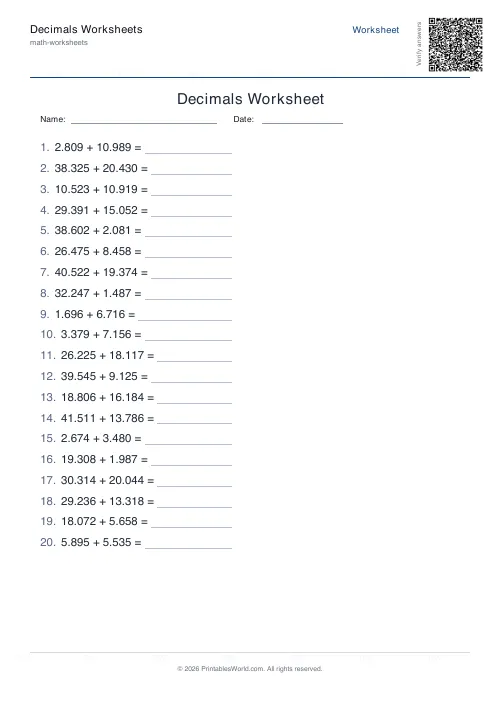
Decimals Worksheets Generator
Create custom decimal arithmetic worksheets with configurable operations and decimal places.
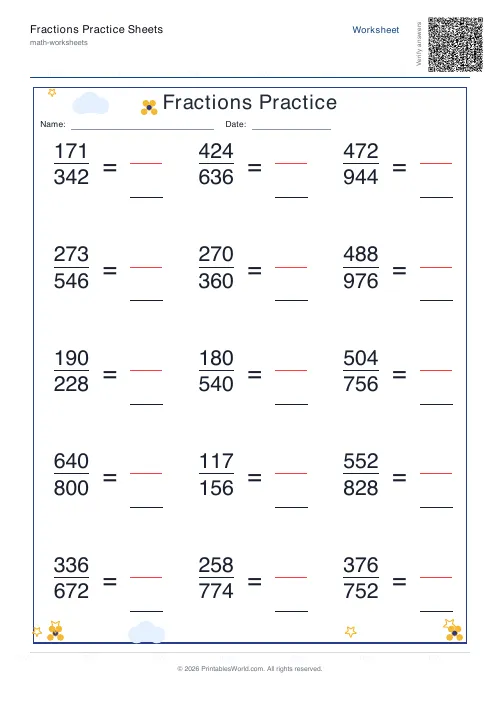
Fractions Practice Sheets Generator
Generate printable fraction simplification worksheets with custom ranges, layouts, and answer keys.
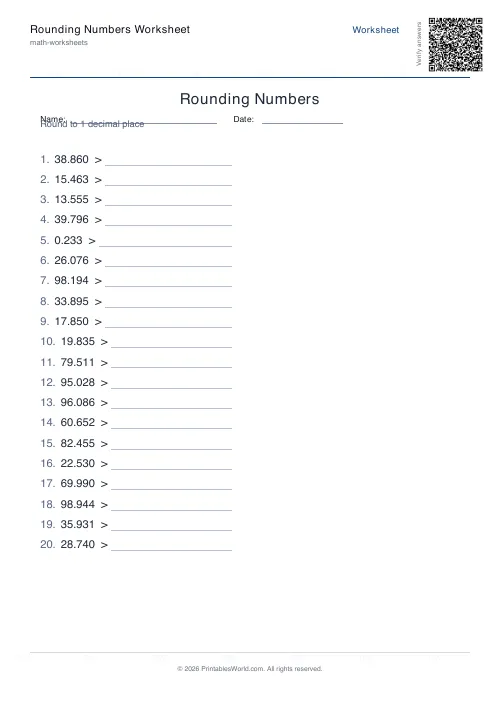
Rounding Numbers Worksheet Generator
Generate free printable rounding worksheets for whole numbers and decimals with answer keys.
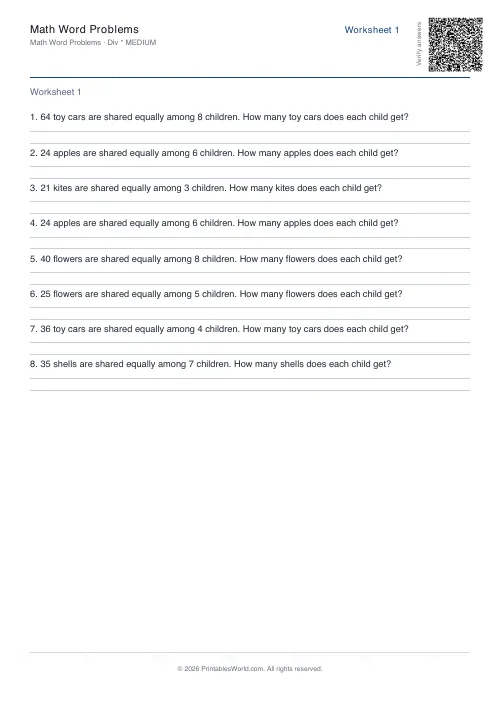
Math Word Problems Generator
Generate printable math word problem worksheets with customisable topics, difficulty, and answer keys.
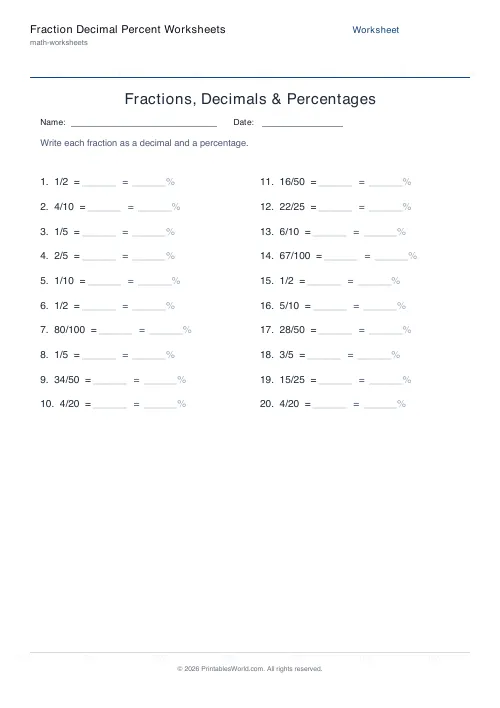
Fraction Decimal Percent Worksheets
Convert between fractions, decimals, and percentages.
Further reading
Math Worksheets
Fractions made simple: teaching fractions at home
Fractions go wrong when the rules arrive before the meaning. Here is the order that works, the four misconceptions to head off early, and how to use everyday objects before any worksheet.
6 min read
Math Worksheets
Making maths fun: 15 ways to practise without tears
Maths tears are usually about difficulty, length or fear of being wrong, not about maths. Fifteen practical changes, grouped by which of those three problems they actually solve.
6 min read
More like this
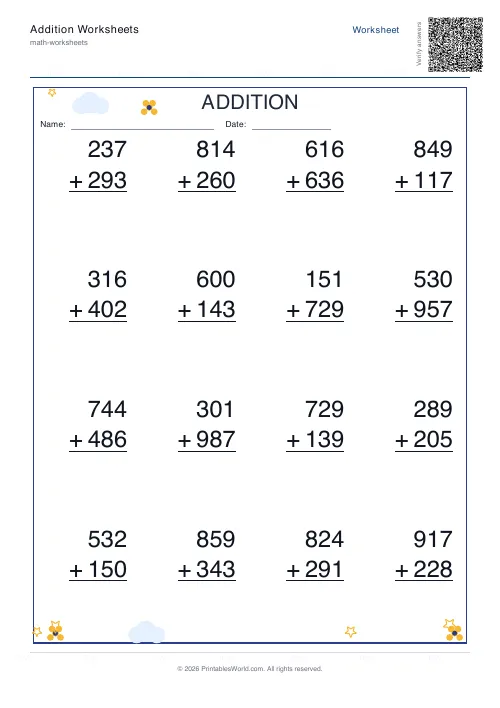 Addition Worksheets Generator
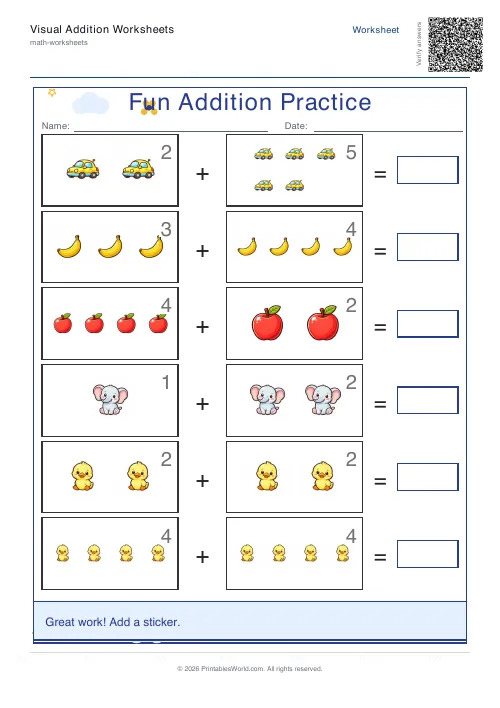 Visual Addition Worksheets Generator
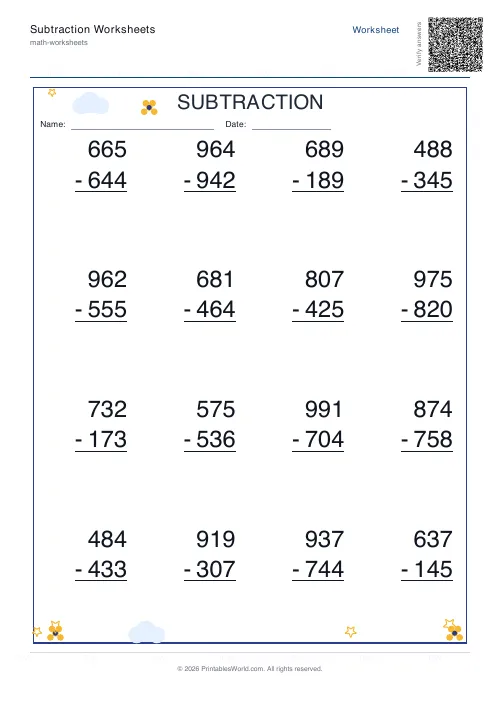 Subtraction Worksheets Generator
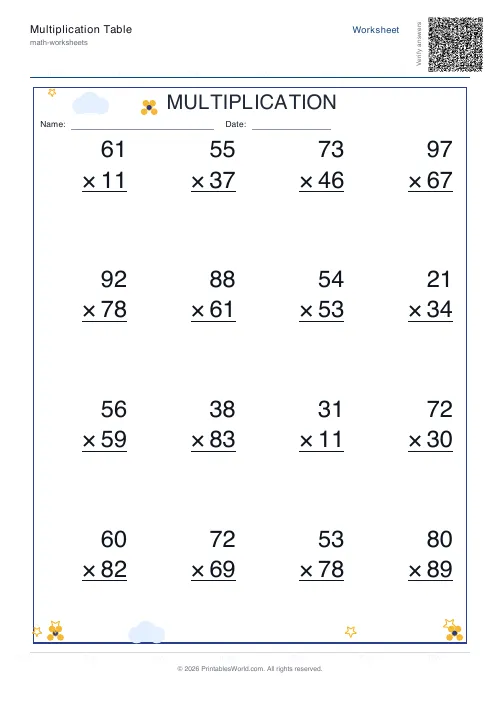 Multiplication Table Generator
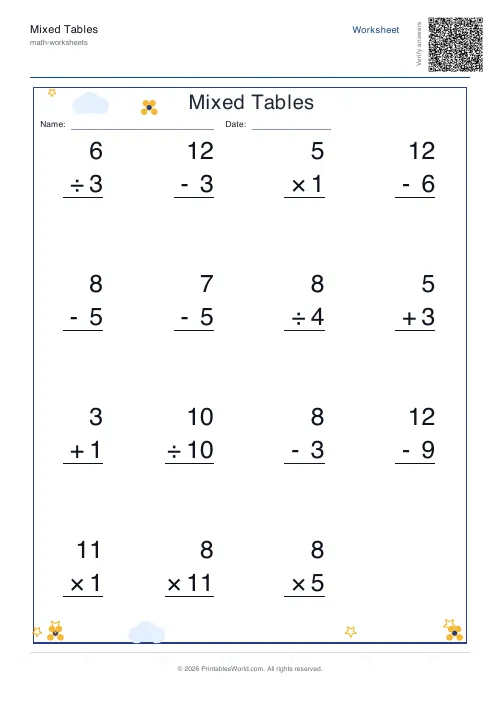 Mixed Tables Generator
- Fractions Practice Sheets Generator
- Math Word Problems Generator
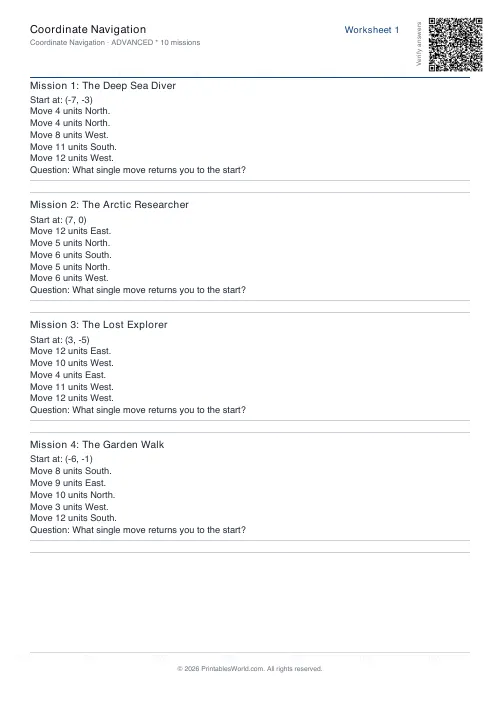 Coordinate Navigation Generator
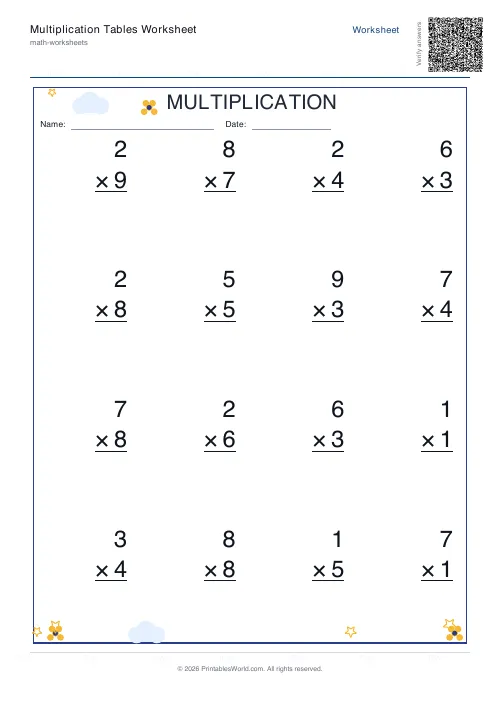 Multiplication Tables Worksheet
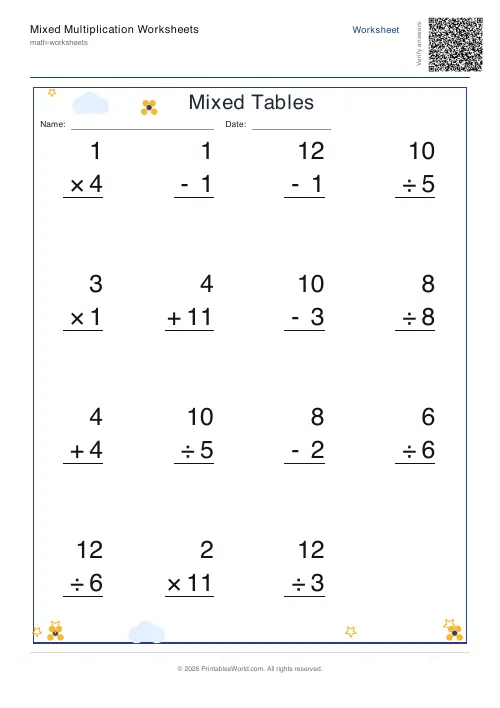 Mixed Multiplication Worksheets
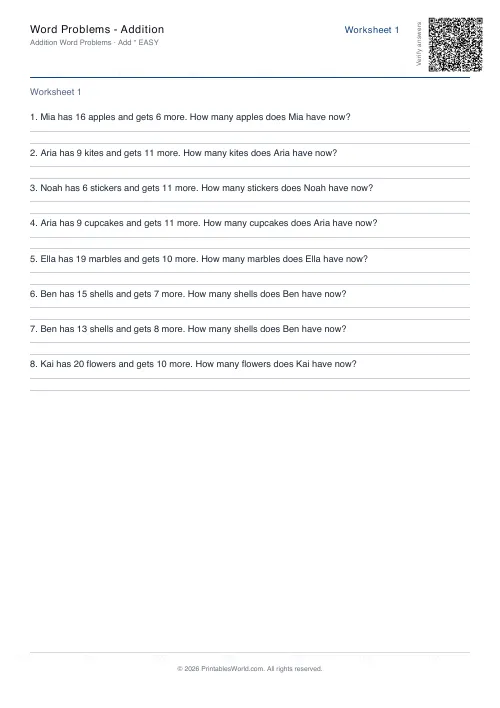 Word Problems: Addition
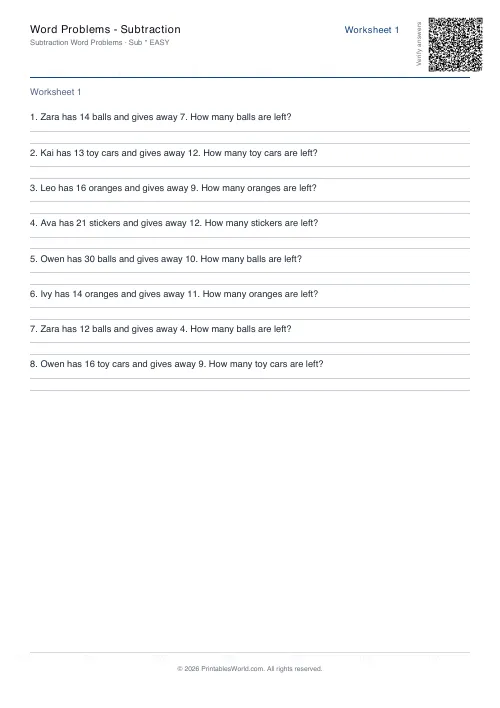 Word Problems: Subtraction
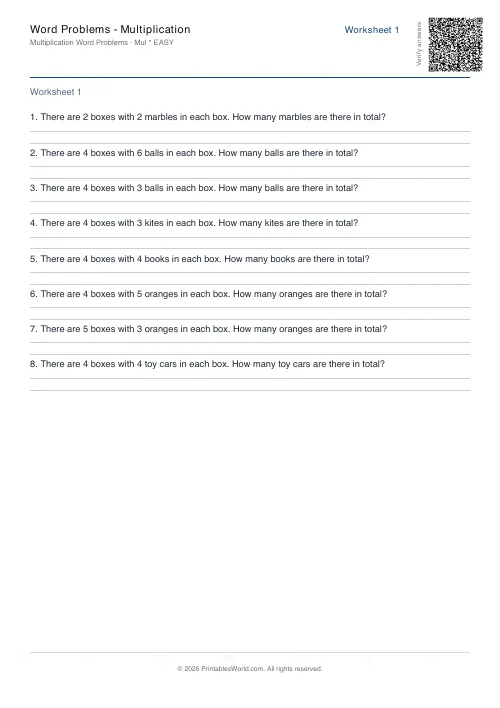 Word Problems: Multiplication
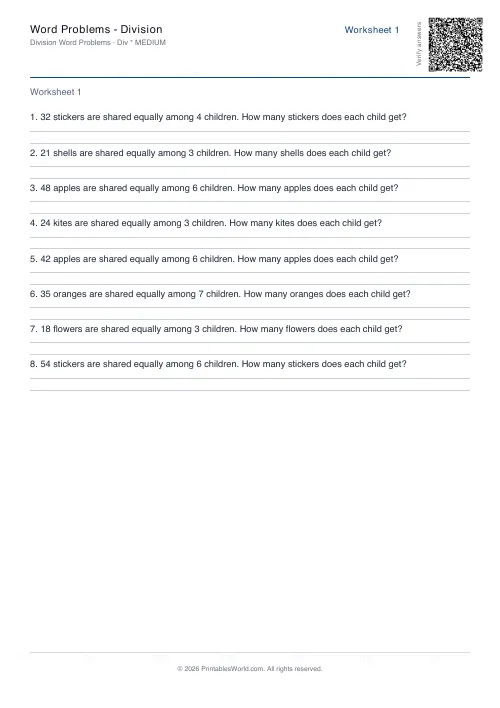 Word Problems: Division