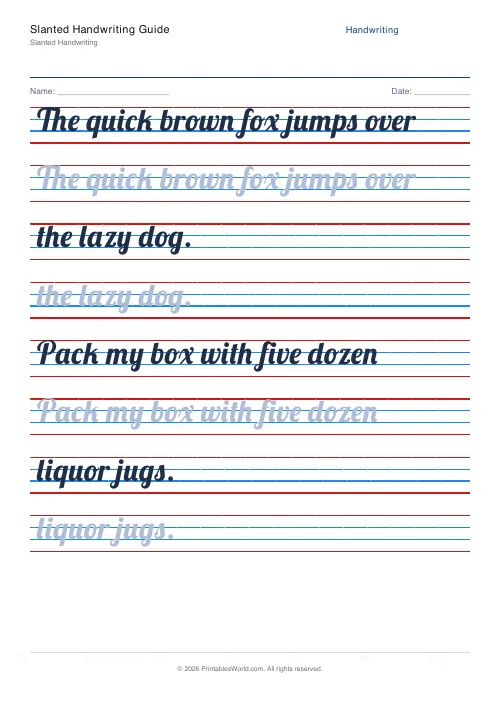
What this tool does
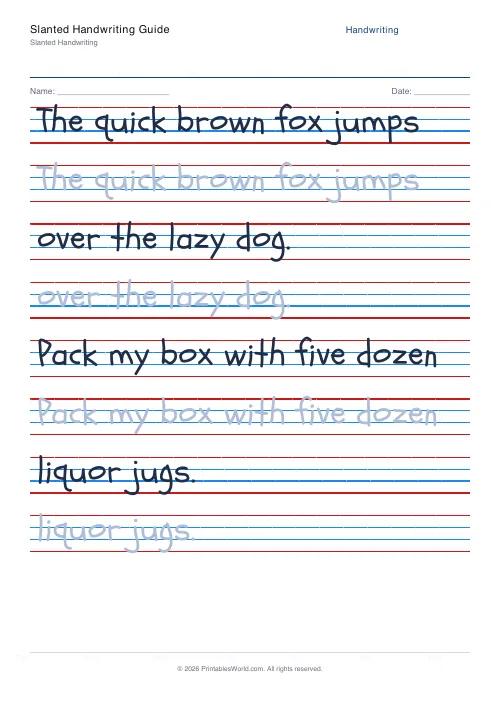
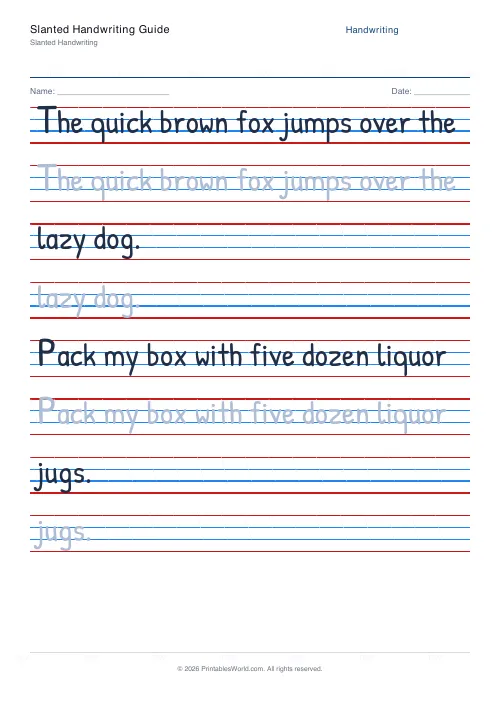
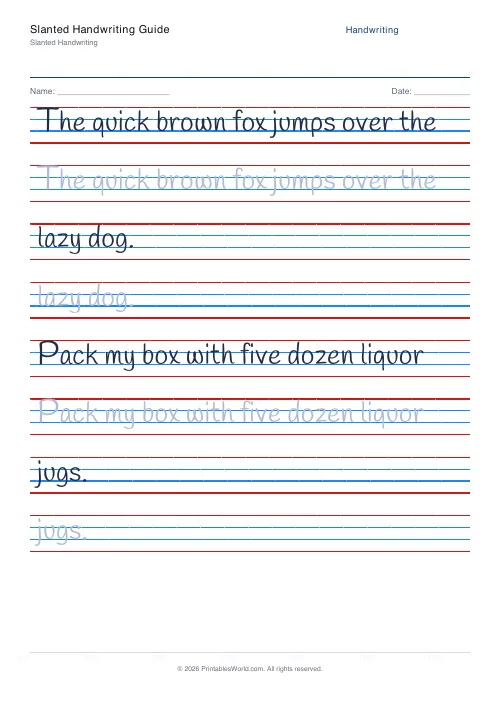
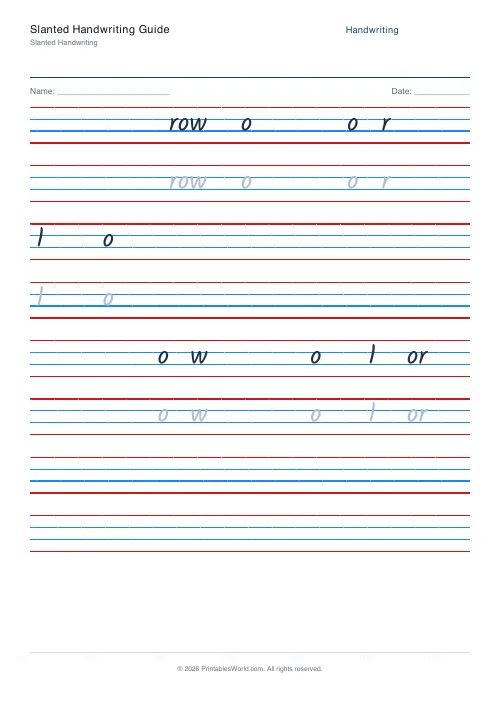
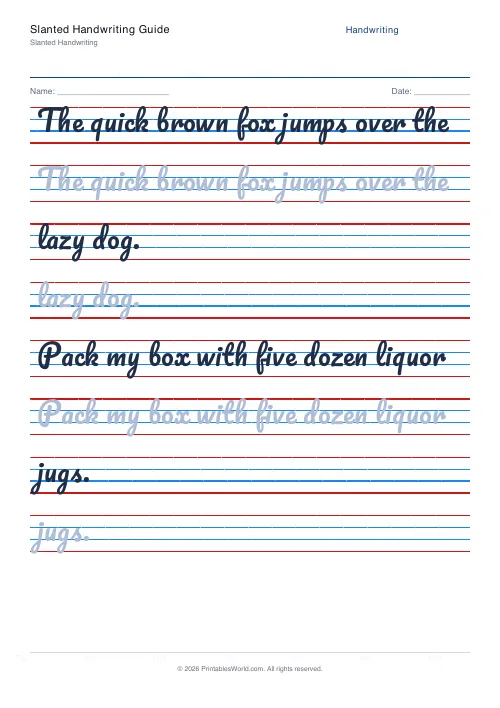
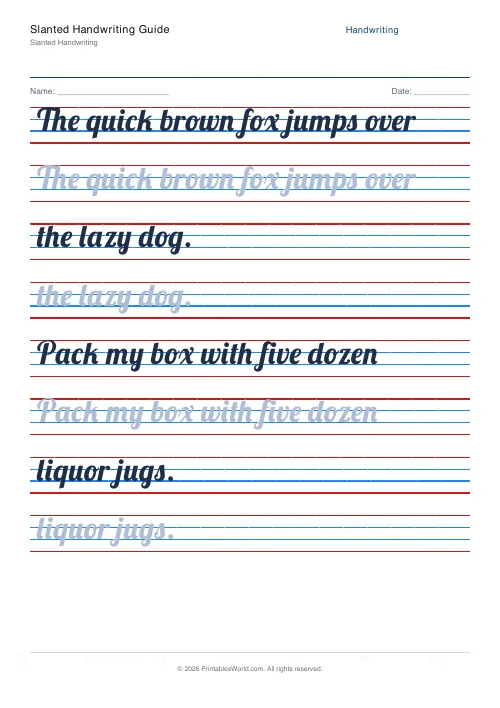
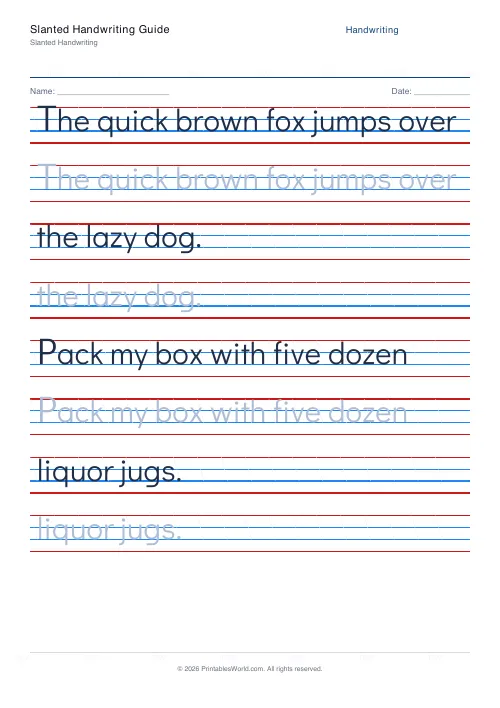
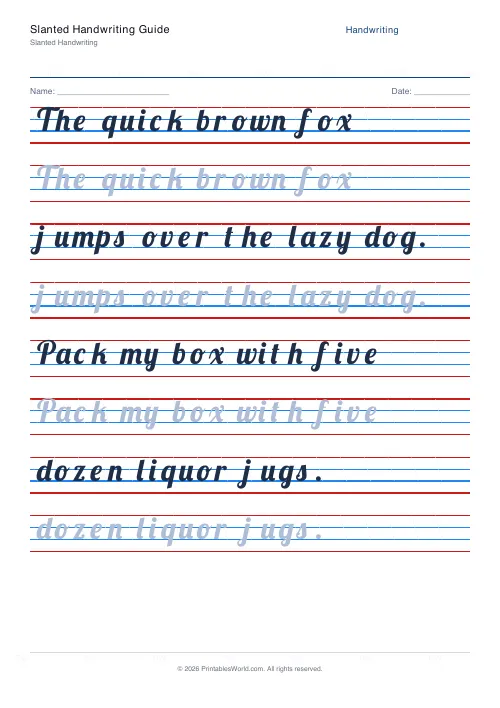
Four-line ruling with faint diagonal guides across every row, set at 75 degrees from horizontal, which is about 15 degrees off vertical and the usual italic slope. One guide every 10 mm.
People also used
Feedback
Spotted something off with this tool?
Diagonal guides for a consistent slope
The standard four-line ruling, with a faint diagonal drawn every 10 millimetres between the top line and the baseline. Letters lean along them.
The default angle is 75 degrees from the horizontal, which leans about 15 degrees off vertical. That is the conventional italic slope, and it is close to what most people's natural handwriting settles at.
Consistency matters more than the angle itself
A hand that slopes at 20 degrees throughout reads perfectly well. One that slopes at 20, then 5, then back to 25 inside a single line does not. That inconsistency is what makes untidy writing untidy, far more often than the letter shapes are.
The diagonals give the eye something to measure against, and a writer working over them notices the moment a letter has gone upright — which is precisely the correction that no amount of being told to write more neatly has ever produced in anybody.
Where a consistent slope actually comes from
Not from the fingers. It comes from the arm, and from where the paper sits.
Slope is set by how the page is angled on the desk and where the writing hand sits relative to the body. Square the paper to the desk edge and a right-hander writes upright, or backwards. Tilt the page anticlockwise by twenty or thirty degrees and a forward slope arrives on its own, with no extra effort from anybody.
So check the paper before working through a stack of these. It is usually the whole problem. Five seconds.
Left-handers
Worth saying explicitly, because slanted guides are where left-handed writers most often get bad advice.
A left-hander tilts the paper the other way, clockwise, and plenty write comfortably upright or with a slight backward lean. Force a forward italic slant on a left-handed child and what you generally get is a hooked wrist: slower, more tiring, and much harder to undo later than any amount of untidiness would have been.
If the guides are fighting the child, turn them off. Or reduce the angle. Persisting is the one option that helps nobody.
What the form offers
The slant overlay and its angle, plus everything else the handwriting generator offers: practice text, the font, whether letters join, the trace style, rows per line, ruling colour and line height.
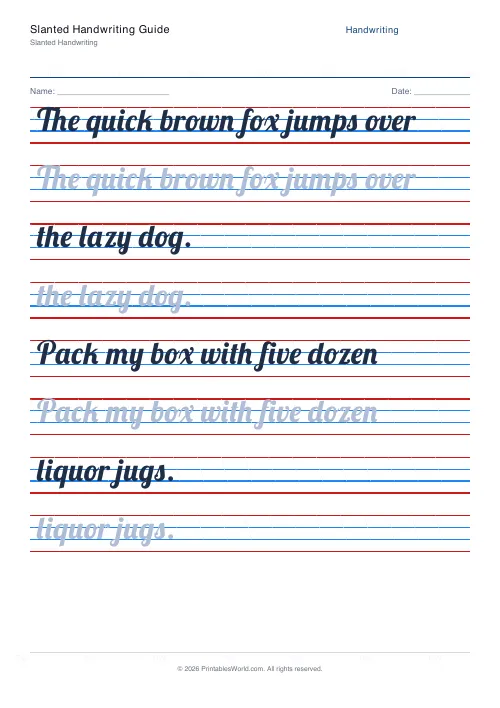
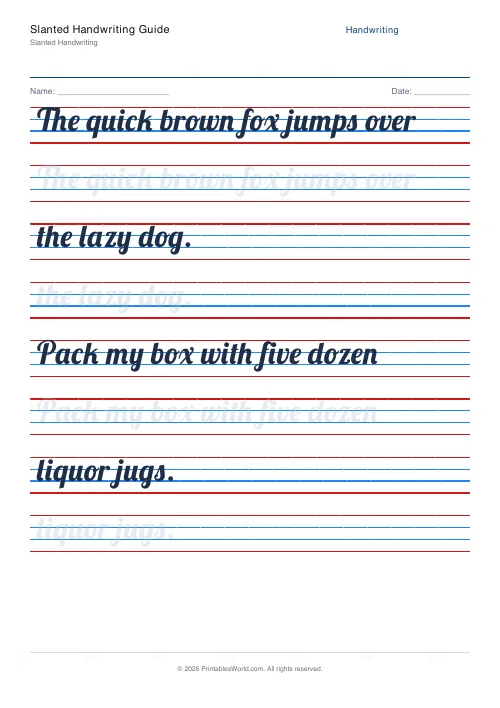
The preset loads two pangrams, sentences that use every letter, set in a joined face. That is the right starting point, because slope only starts to matter once letters are joining.
Print at 100% on A4 or US Letter. The guides print faint on purpose; a photocopy of a photocopy will lose them.
FAQs
Quick answers
What is the slant guide for?
The diagonal lines help writers keep all letters tilting the same way. Essential for consistent italic and cursive handwriting.
What angle are the slant lines?
About 75 degrees from horizontal. The typical slope used in italic instruction. The angle prints faintly so it does not overwhelm the writing.
Are the trace letters slanted too?
They use the cursive script font you select (Lobster by default). The slant guide acts as the visual cue you write along.
Can I use my own sentence?
Yes. Replace the pangram with any text you want to practise on the slant.
Related tools
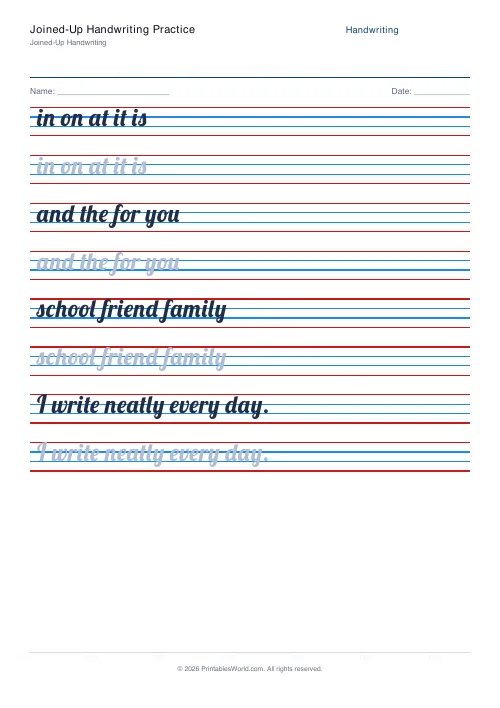
Joined-Up Handwriting Practice
Transition sheets from print into fully joined-up cursive writing.
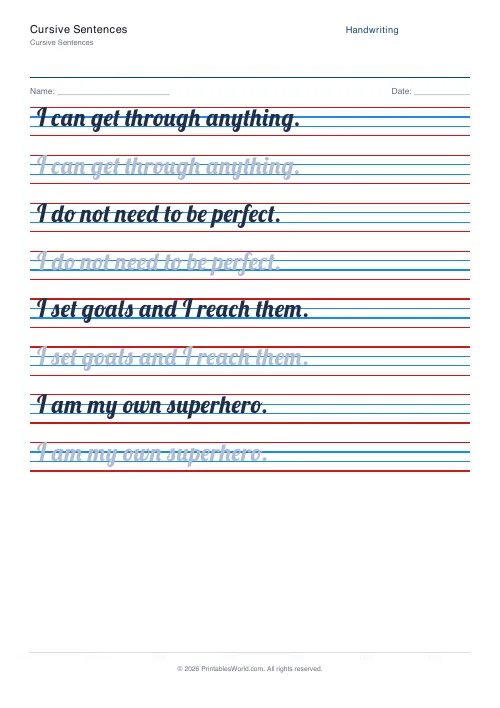
Cursive Sentences
Copy sentences in cursive. Includes well-known quotes and custom input.
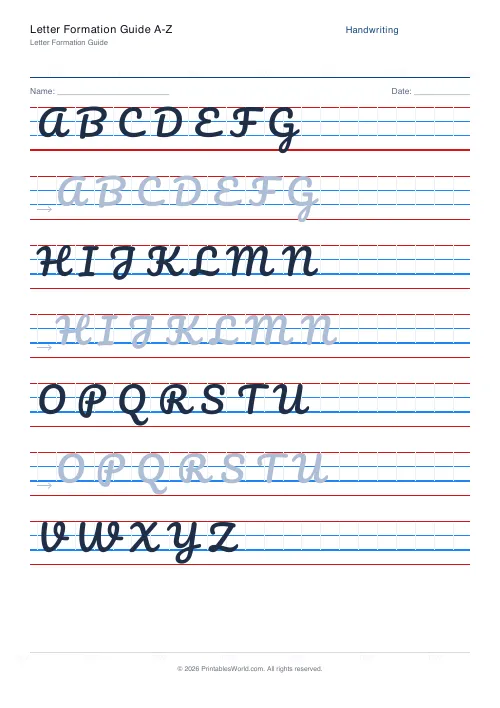
Letter Formation Guide A-Z
Full alphabet with directional arrows for stroke-order learning.
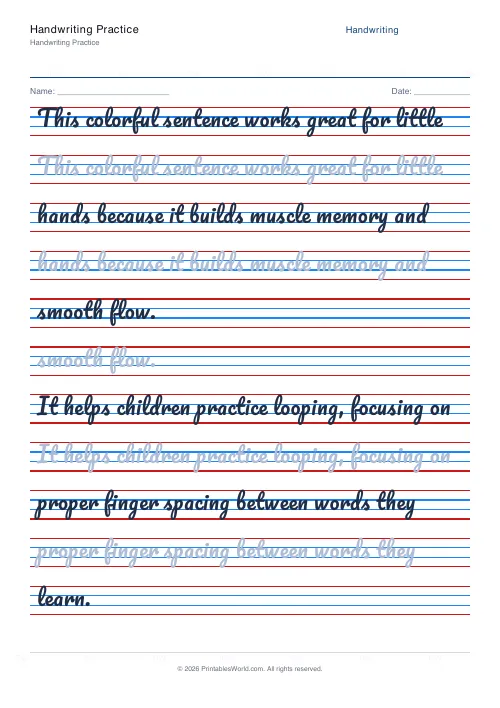
Handwriting Practice Generator
Create custom 4-line handwriting practice sheets with trace rows, adjustable guides, and your own text.
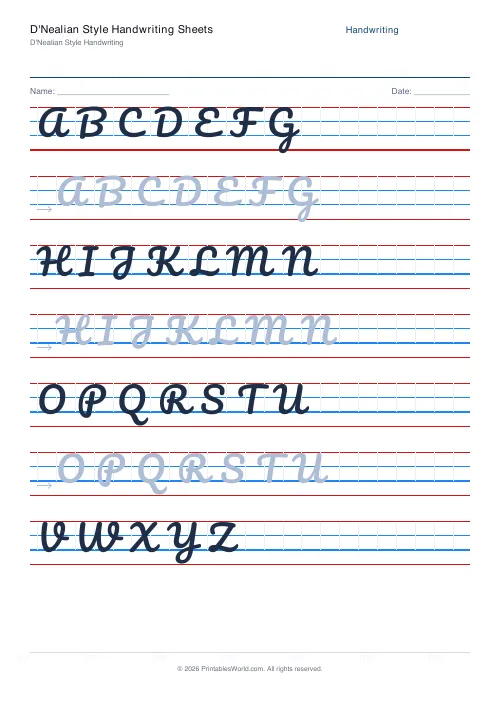
D'Nealian Style Handwriting Sheets
Slanted manuscript letters with stroke arrows. The bridge to cursive.
Further reading
Handwriting
How to teach handwriting to kids: a step-by-step guide
A practical order for teaching handwriting: get the body and the pencil right first, then teach letters in stroke families rather than alphabetically, and keep sessions short enough that the hand never tires.
7 min read
Handwriting
Left-handed handwriting practice: free printable sheets
How to set up left-handed handwriting practice for comfort: paper angle, grip and page layout, plus free printable sheets designed for lefties.
7 min read
Handwriting
The best age to start handwriting practice
Age is the wrong question. Three readiness signs predict whether handwriting practice will help or frustrate. And what to do with the child who is not there yet.
5 min read
More like this
- Handwriting Practice Generator
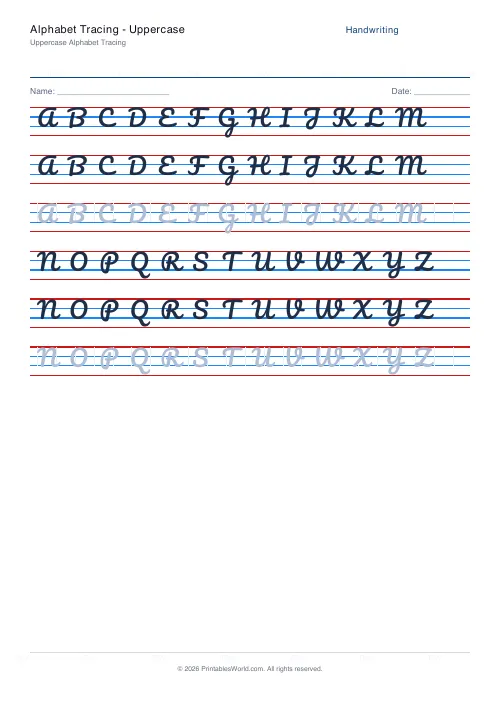 Alphabet Tracing: Uppercase
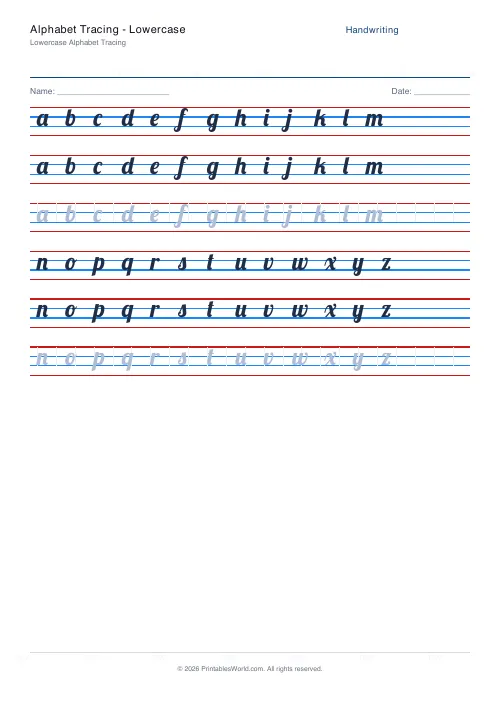 Alphabet Tracing: Lowercase
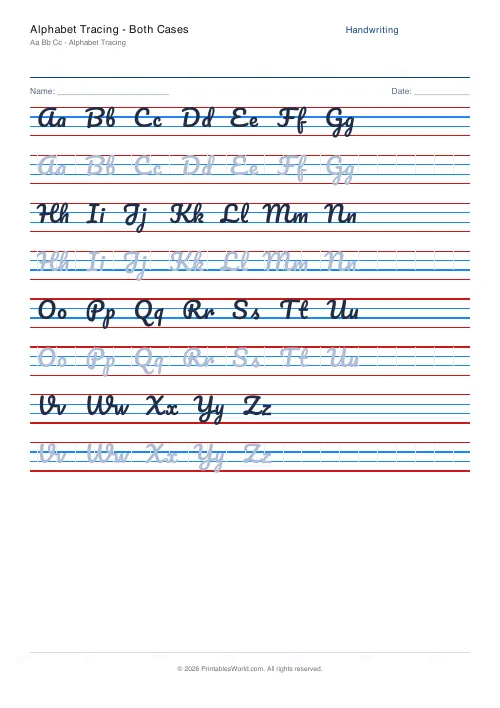 Alphabet Tracing: Both Cases
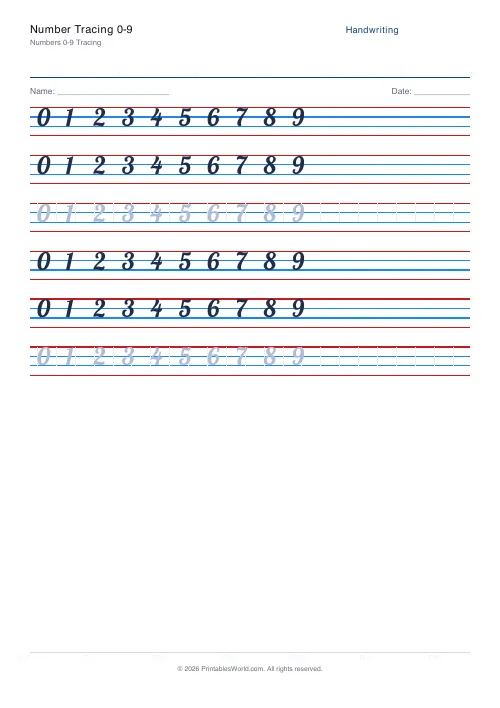 Number Tracing 0-9
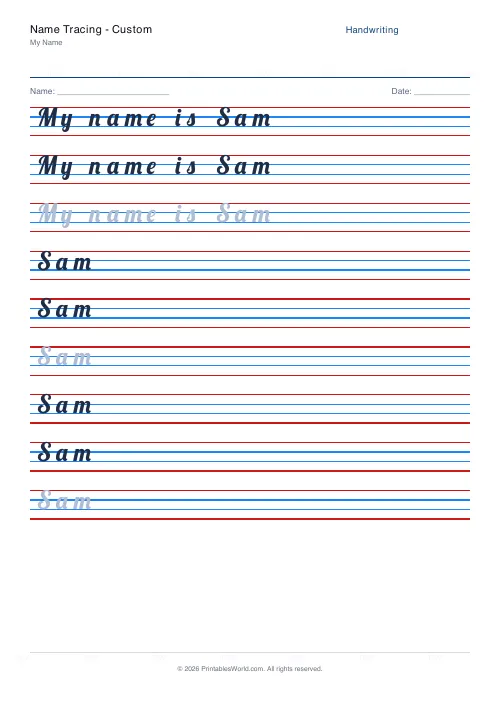 Name Tracing: Custom
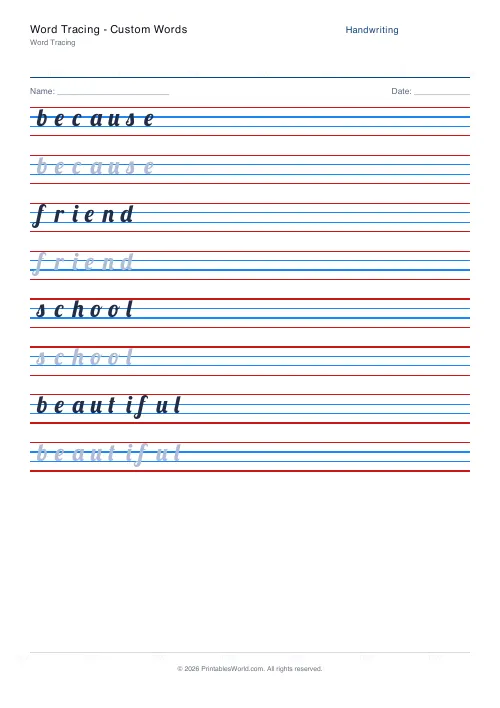 Word Tracing: Custom Words
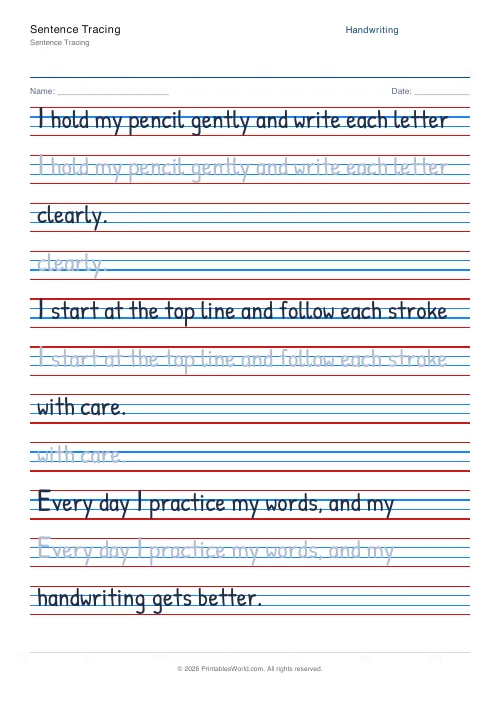 Sentence Tracing
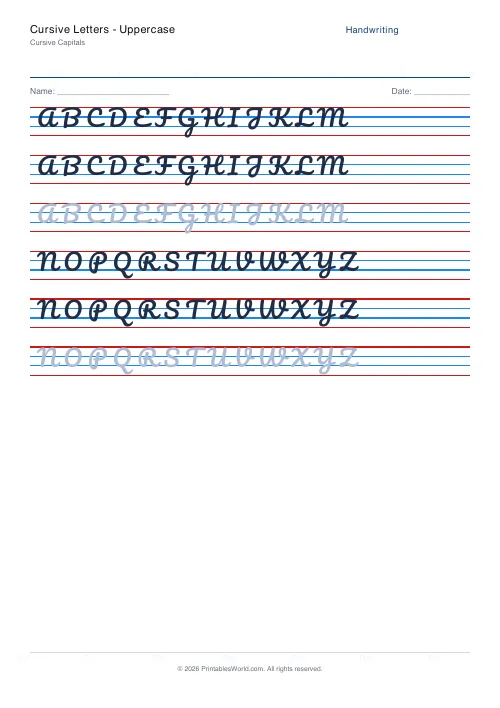 Cursive Letters: Uppercase
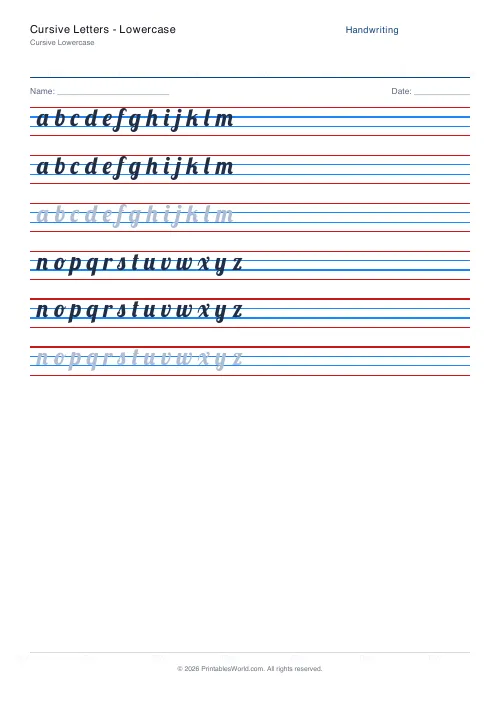 Cursive Letters: Lowercase
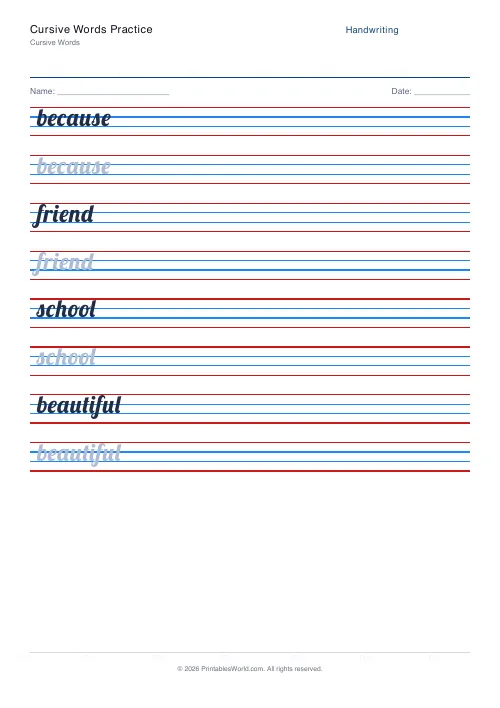 Cursive Words Practice
- Cursive Sentences
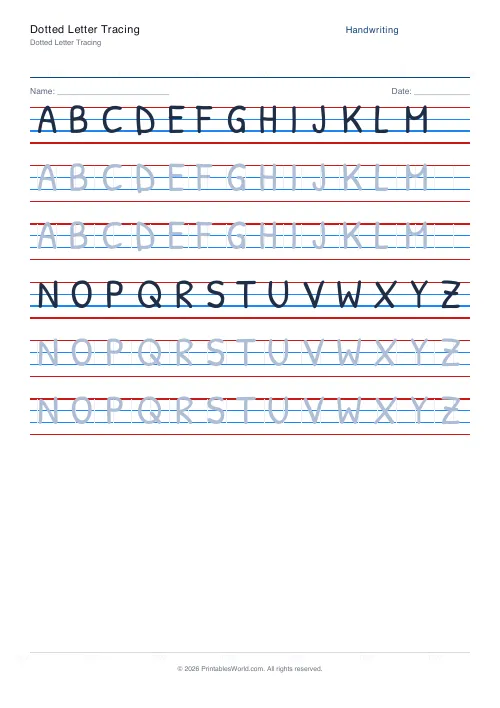 Dotted Letter Tracing
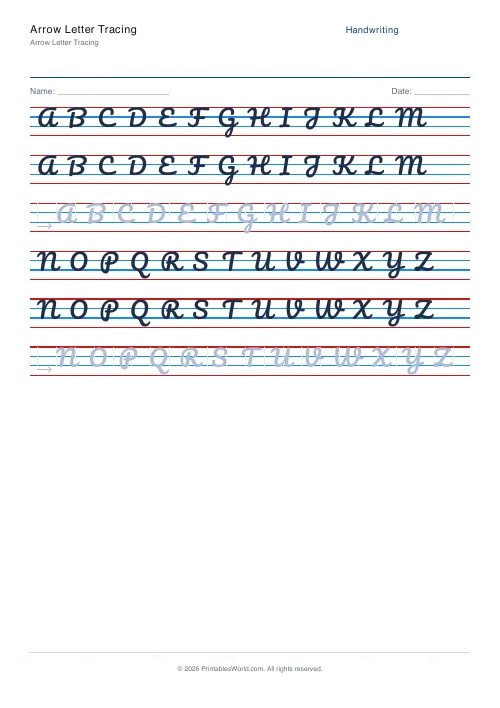 Arrow Letter Tracing