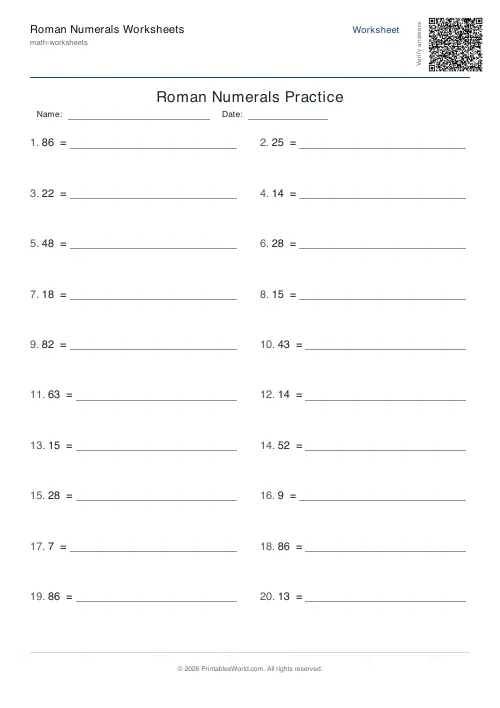
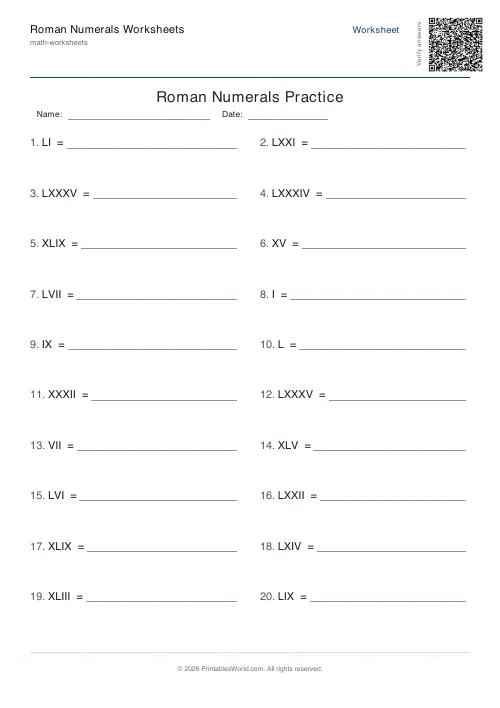
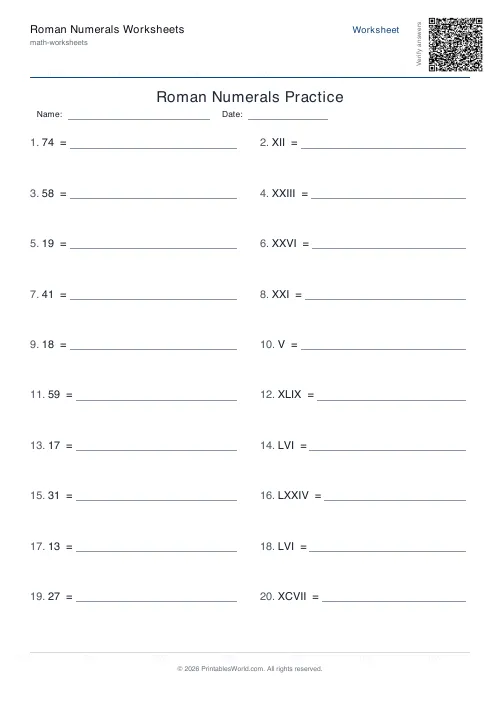
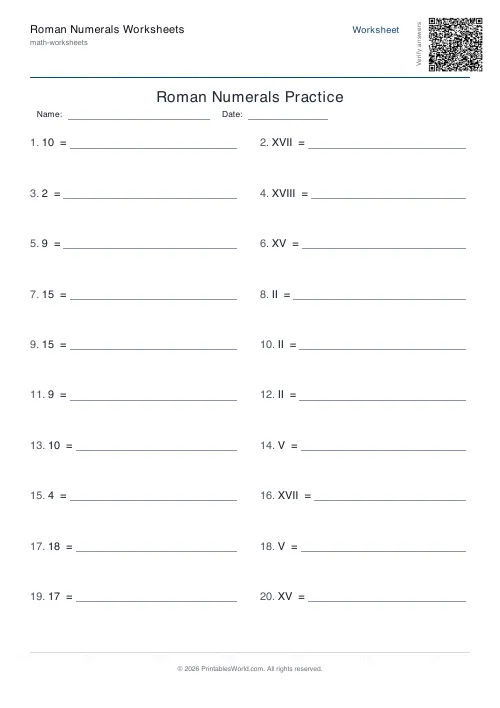
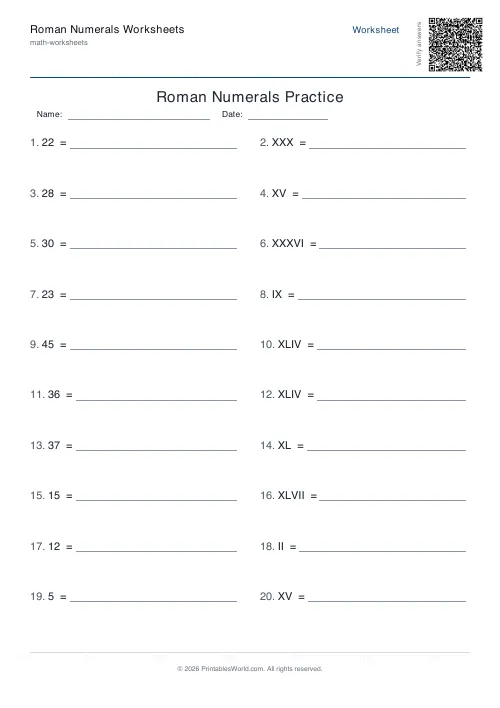
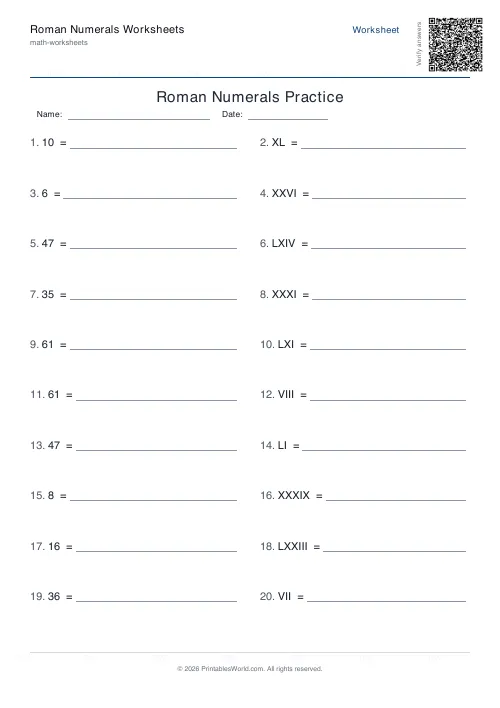
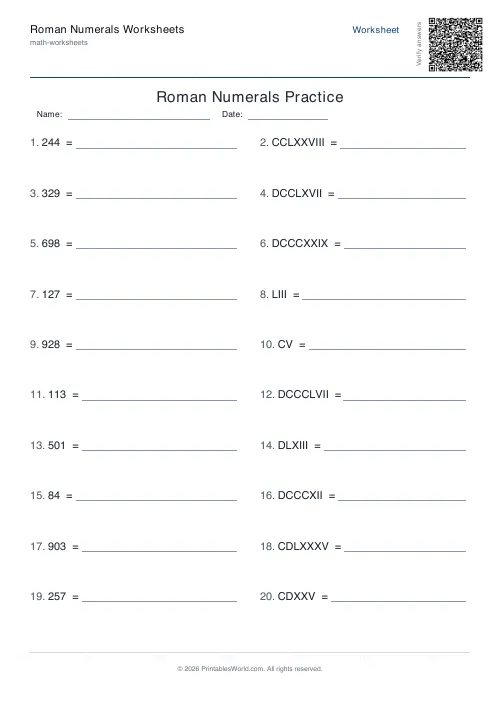
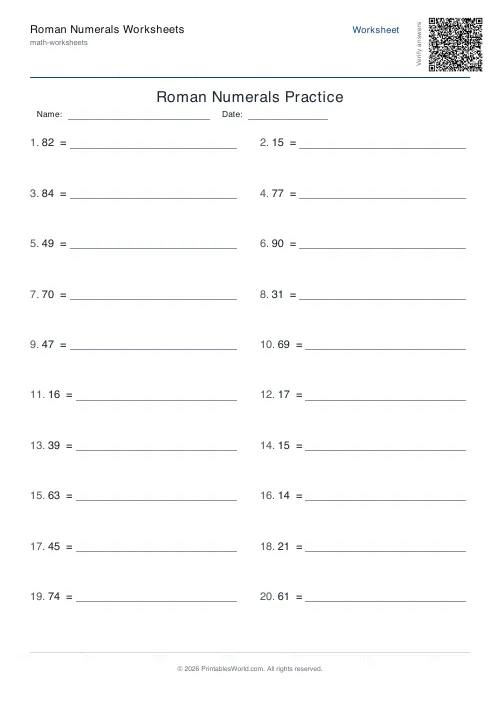
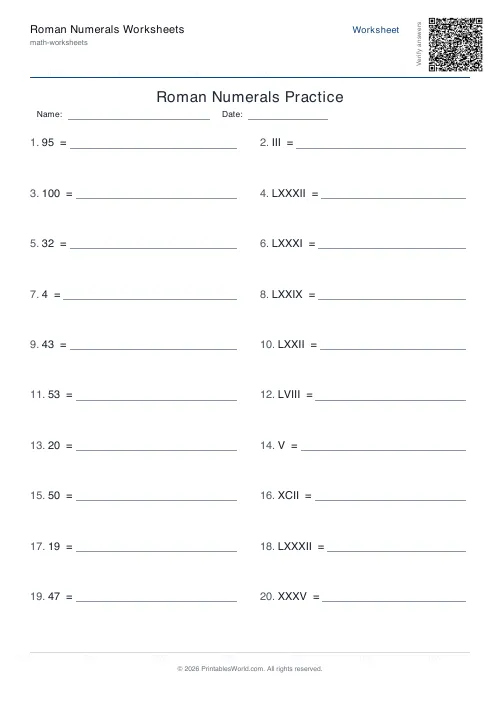
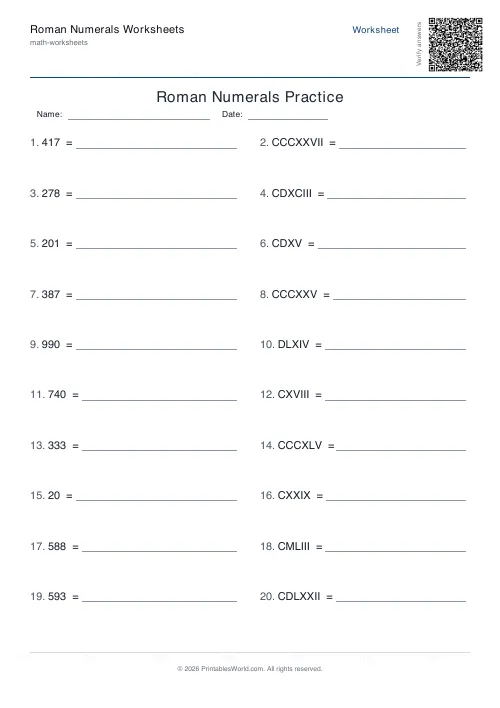
What this tool does
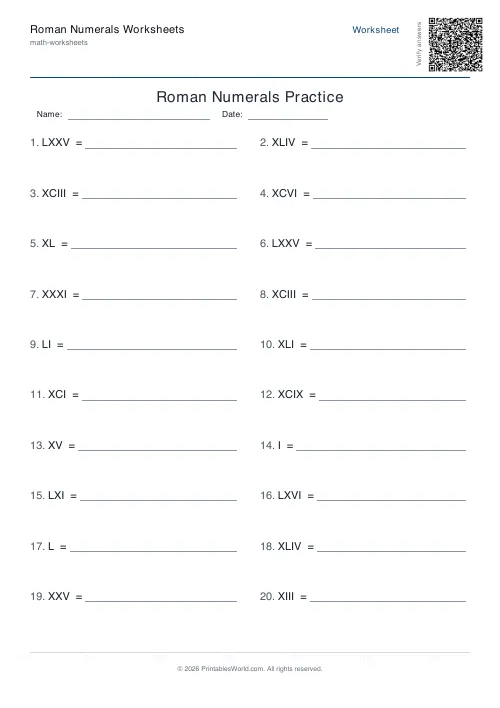
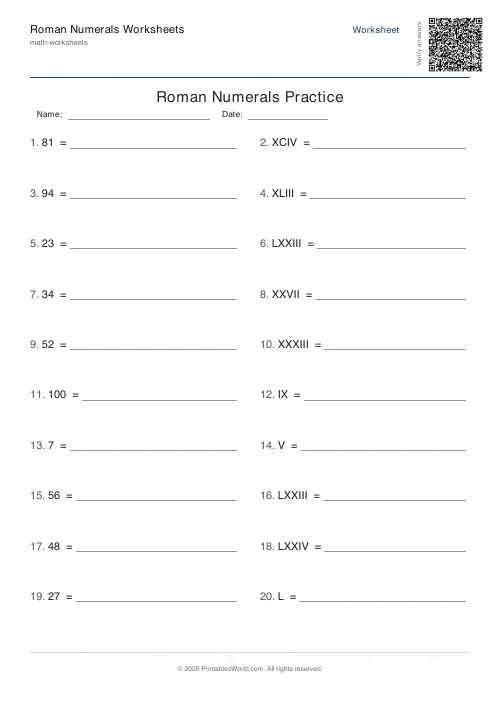
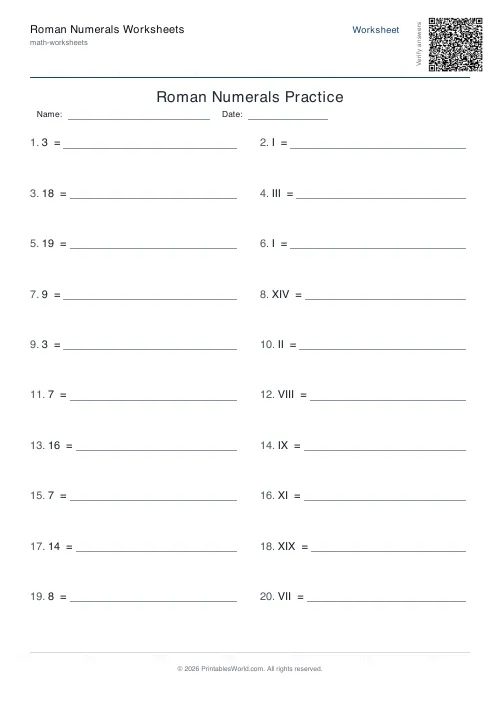
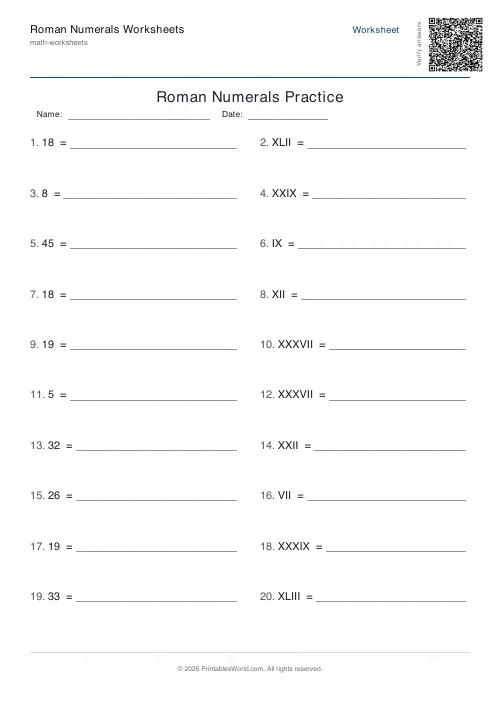
Roman numeral conversion practice, in either direction or both. Set the largest number the questions use and how many appear on a sheet; the answer key is optional.
People also used
Mental Maths Warm-Up Generator
Quick 20–30 question warm-up drills across +, −, ×, ÷ for daily practice.
Mixed Operations Worksheets Generator
One printable sheet mixing +, −, ×, ÷ problems for combined-practice sessions.
Prime Numbers Worksheets Generator
Generate worksheets to identify primes, factorise numbers, or list primes in a range.
Feedback
Spotted something off with this tool?
Both directions
Write 47 in Roman numerals. Or convert XLVII back to a number. Or mixed, which alternates the two.
Twenty questions by default, with a ceiling of 100. Raise the ceiling and the numerals grow longer and considerably more interesting to write out.
The seven letters
I is 1, V is 5, X is 10, L is 50, C is 100, D is 500, M is 1000. That is the entire alphabet, and there is nothing else to learn — every Roman numeral ever written is those seven letters arranged.
The system has no zero and no place value, which is why arithmetic in it is close to impossible and why Europe adopted Arabic numerals with some relief.
Subtractive notation is the whole difficulty
A smaller letter before a larger one means subtract. IV is 4, not 6. IX is 9. XL is 40, CD is 400.
Six subtractive pairs are allowed and no others: IV, IX, XL, XC, CD, CM. This is why 99 is XCIX and not IC, which is the mistake nearly every learner makes and which reads perfectly logically right up until you check the rule. Only I, X and C are ever subtracted, and only ever from the next two values up.
Reading versus writing
Converting to Arabic is the easier direction. Read left to right, add as you go, and subtract whenever a letter is followed by a bigger one.
Writing is harder because it requires working down from the largest value. For 1994: M leaves 994, CM leaves 94, XC leaves 4, IV finishes it. MCMXCIV. A pupil who tries to build it from the small end will produce something unreadable, so teach the top-down order explicitly.
Setting the ceiling
Up to 20 for a first lesson — enough to meet IV and IX and nothing more. Up to 100 introduces L, XL and XC, which is where the real work is. Up to 1000 brings in C, D and M.
Beyond 3999 the classical system runs out of letters, which is the practical ceiling and worth mentioning to a class as a genuine limitation rather than an arbitrary rule.
Where children meet them
Clock faces, book chapters, film copyright dates. The names of monarchs and popes, the Super Bowl, the foundation stones of buildings. It is a small piece of general knowledge with an unusually high chance of turning up in a museum, and children enjoy being able to read something adults around them cannot.
Curriculum-wise: usually ages eight to eleven, with the larger numbers left until the end of primary.
FAQs
Quick answers
Can I choose which Roman numerals appear on the worksheet?
The generator picks random numbers within your maximum range, so you control the upper limit but not individual numerals. To focus on specific symbols, set a narrow range: maximum 10 for I and V only, maximum 50 to include L and XL, or maximum 100 to introduce C.
What is mixed direction mode?
Mixed mode alternates between to-Roman and to-Arabic questions. Problem 1 might ask you to write 27 as a Roman numeral, problem 2 asks you to convert XIV to a number, problem 3 returns to to-Roman, and so on. This prevents students from settling into a single conversion pattern.
How many problems fit on one page?
You can request between 4 and 40 problems. The layout uses two columns, so 20 problems (10 per column) is the sweet spot for legibility. Beyond 30, font size shrinks to fit everything on a single sheet.
Does the answer key show working or just the final answer?
The answer key lists the final converted value only. No step-by-step breakdown. It mirrors the question layout in two columns so you can quickly scan down and mark correct responses.
Why does the maximum stop at 3,999?
Standard Roman numeral notation uses seven symbols (I, V, X, L, C, D, M). Numbers from 4,000 onward require a vinculum (overline) or parentheses, which are not part of the core system taught in primary and secondary schools.
Can I print the same worksheet twice and get different problems?
No. Each time you click Generate the engine creates a new random set of problems. If you need identical copies for a class test, generate once, download the PDF, then print multiple copies from that file.
Will the worksheet print correctly on US Letter paper?
Yes. The generator adjusts margins and row spacing to fit both A4 and US Letter without clipping text or leaving awkward gaps. You do not need to change any printer settings.
Related tools
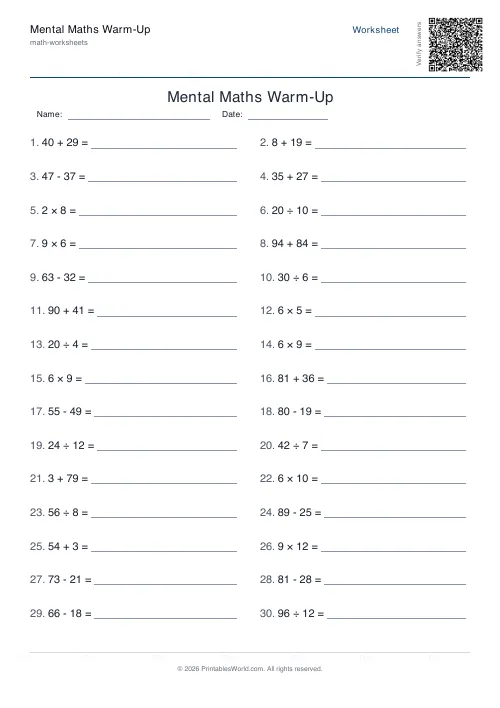
Mental Maths Warm-Up Generator
Quick 20–30 question warm-up drills across +, −, ×, ÷ for daily practice.
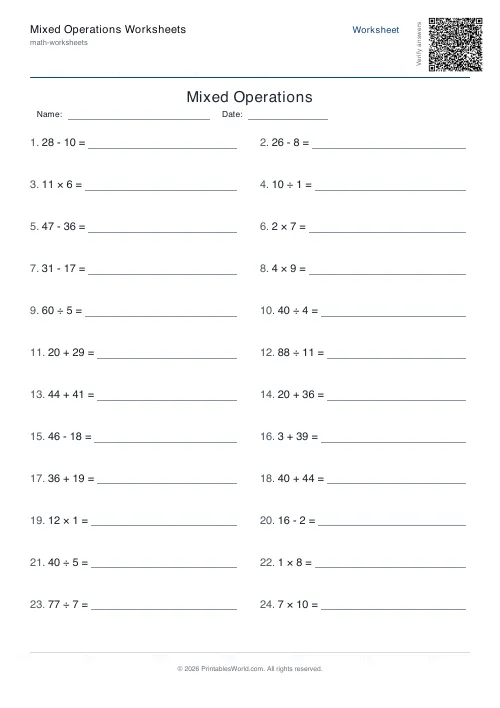
Mixed Operations Worksheets Generator
One printable sheet mixing +, −, ×, ÷ problems for combined-practice sessions.
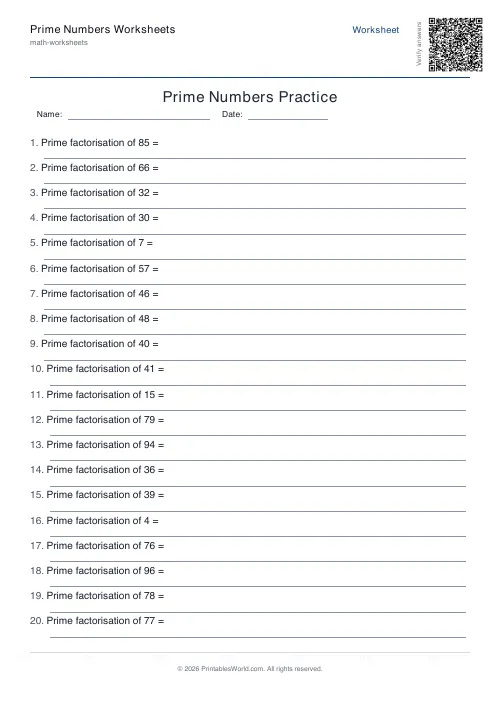
Prime Numbers Worksheets Generator
Generate worksheets to identify primes, factorise numbers, or list primes in a range.
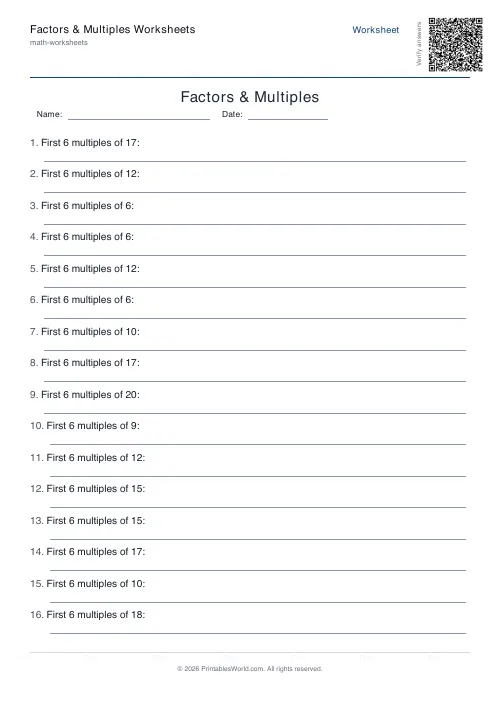
Factors & Multiples Worksheets
Generate printable worksheets for factors, multiples, HCF and LCM practice with custom ranges and answer keys.
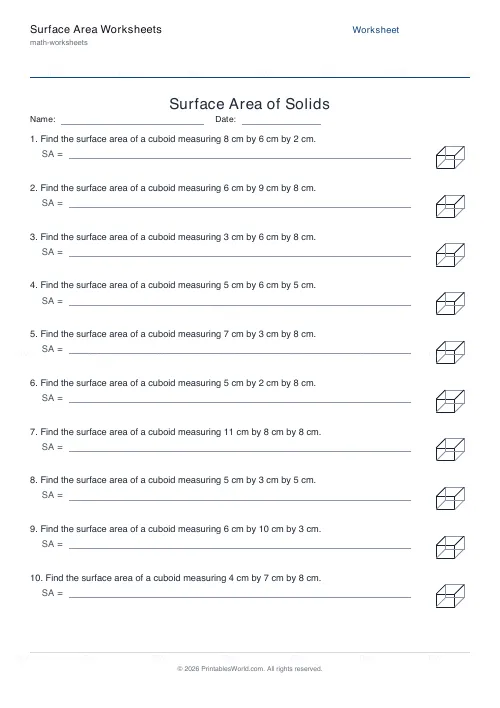
Surface Area Worksheets
Generate surface-area practice for cuboids, cylinders and mixed solids with worked answer keys.
Further reading
More like this
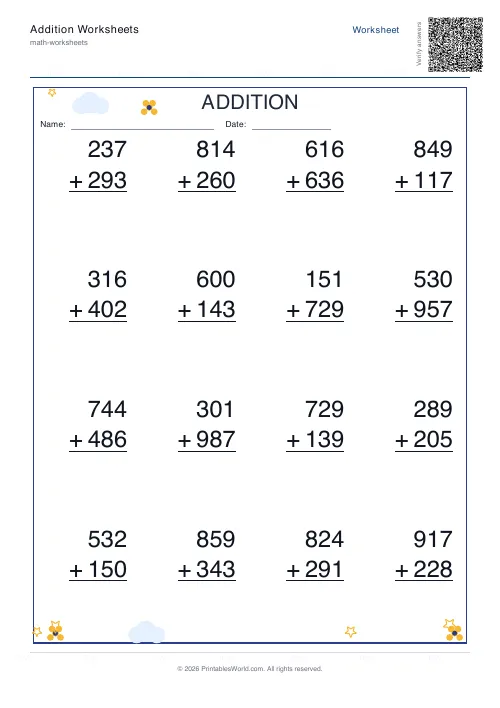 Addition Worksheets Generator
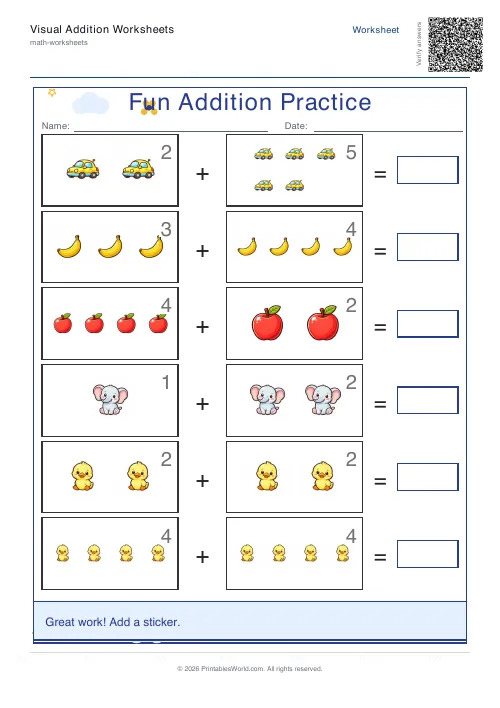 Visual Addition Worksheets Generator
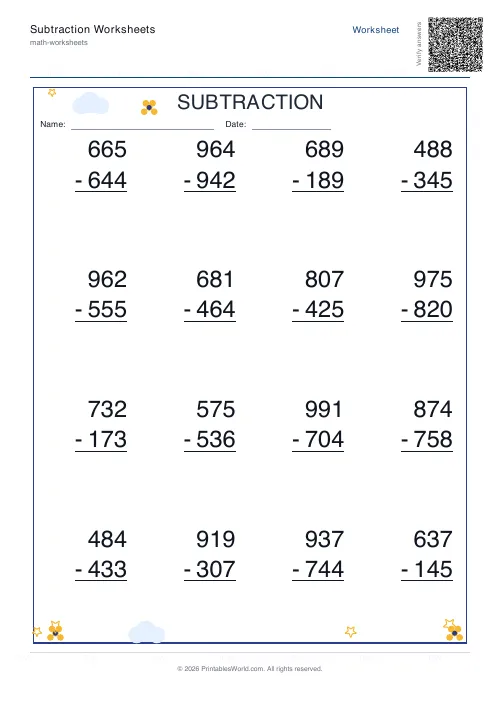 Subtraction Worksheets Generator
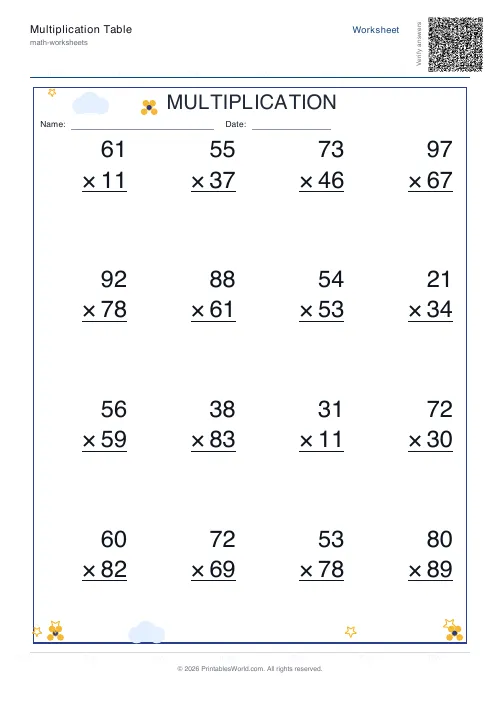 Multiplication Table Generator
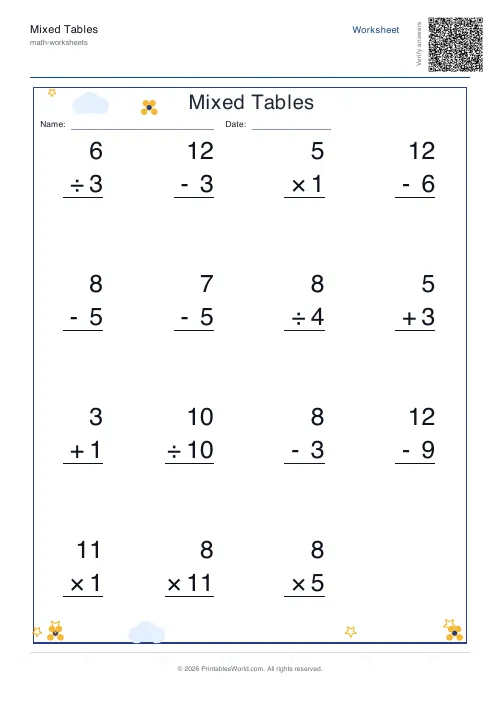 Mixed Tables Generator
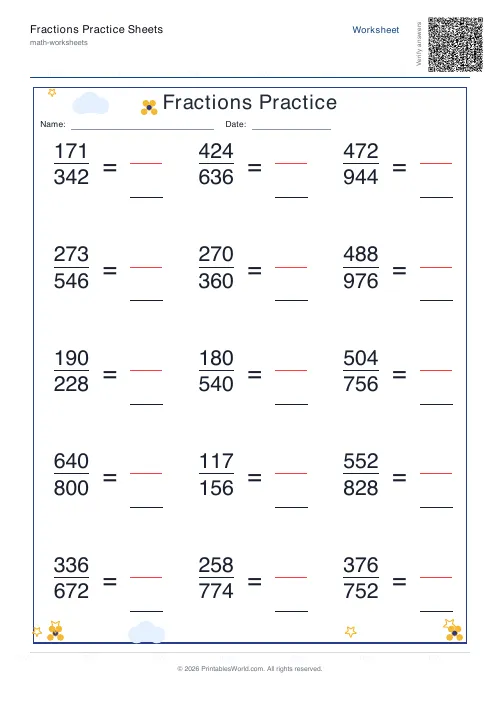 Fractions Practice Sheets Generator
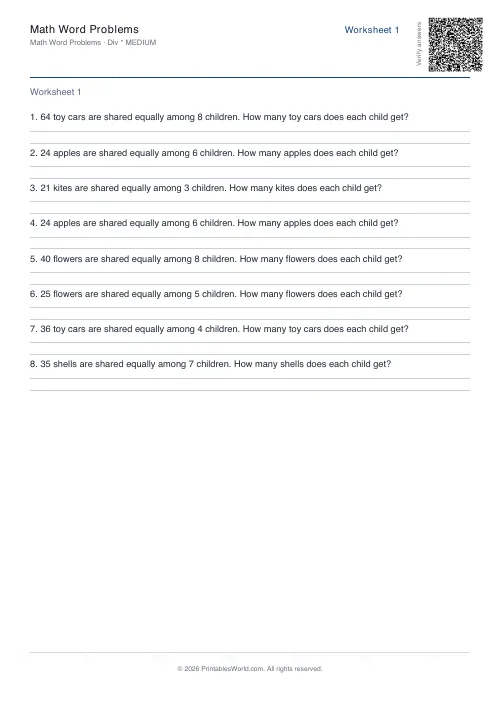 Math Word Problems Generator
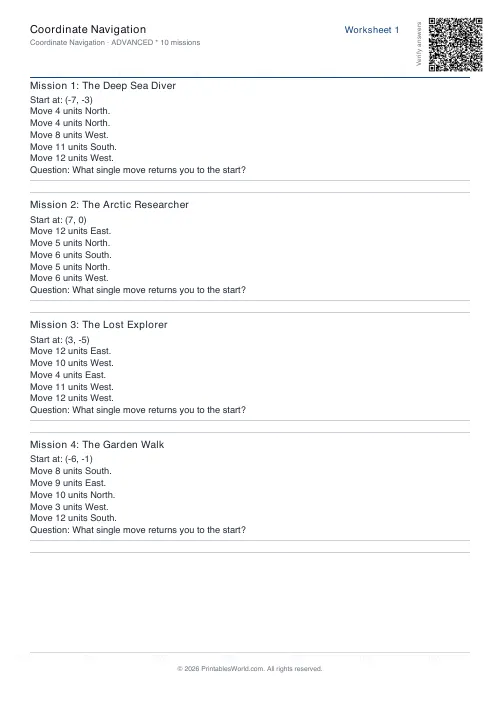 Coordinate Navigation Generator
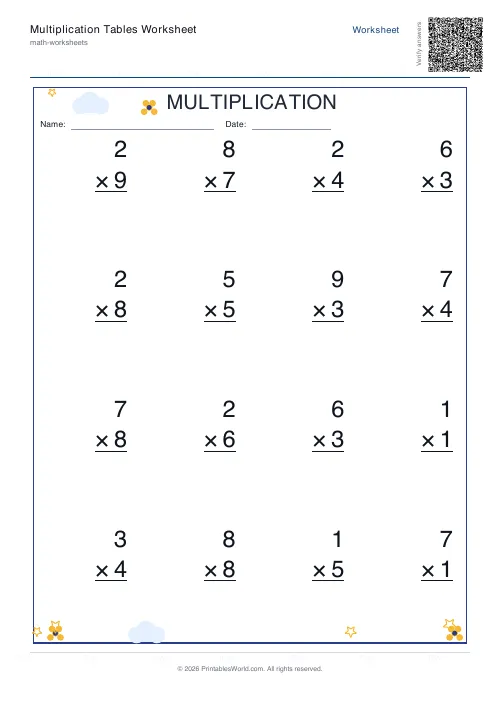 Multiplication Tables Worksheet
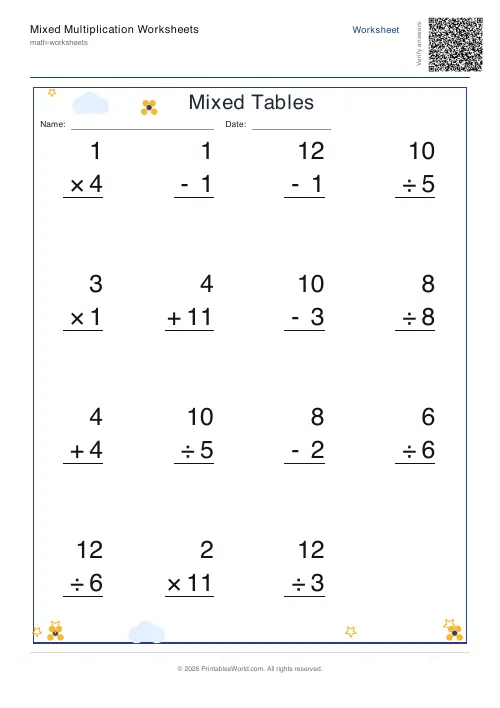 Mixed Multiplication Worksheets
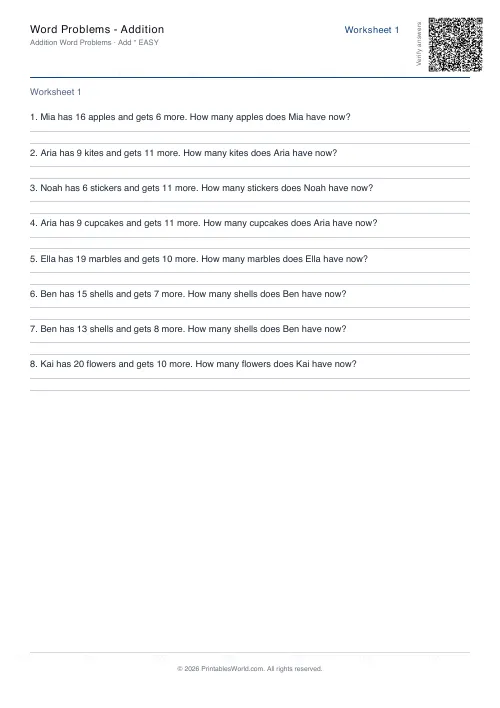 Word Problems: Addition
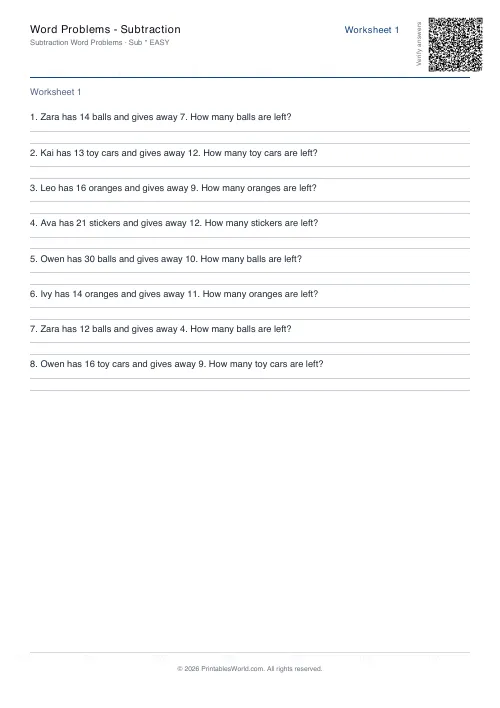 Word Problems: Subtraction
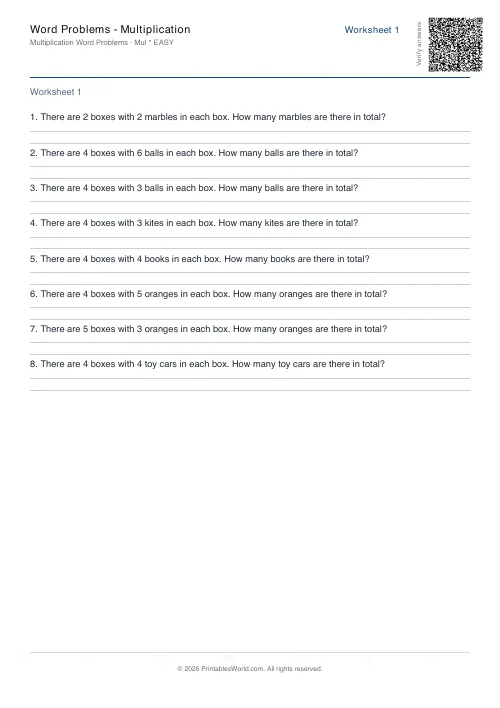 Word Problems: Multiplication
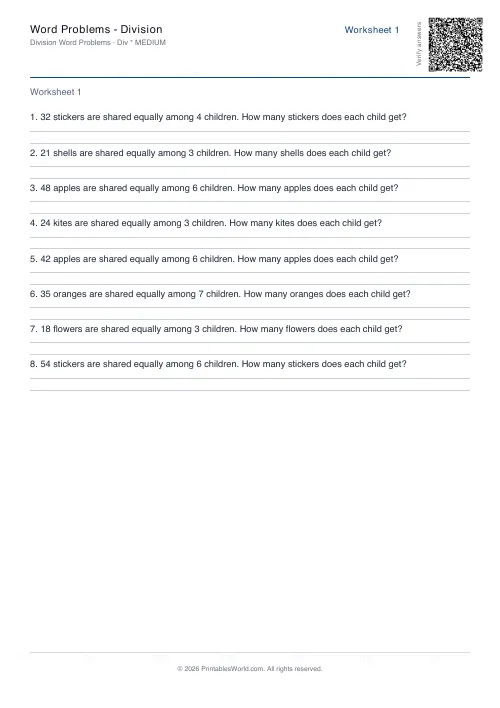 Word Problems: Division