Logic Puzzles
Binary Puzzle — Easy
Fill a grid with 0s and 1s following unique rules. Easy 6x6 grids.
Last updated:
What this tool does
Easy binary (Takuzu / Binairo) puzzles on a friendly 6x6 grid. Each row and column must hold the same count of 0s and 1s, never three in a row, no duplicate lines. Six puzzles per page with optional solutions in a print-ready PDF.
Free downloads
Ready-made Binary Puzzle printables — free PDF downloads
No setup needed — download these print-ready binary puzzles as free PDFs. Each one was made with the generator above, so you can recreate or fully customize any of them.
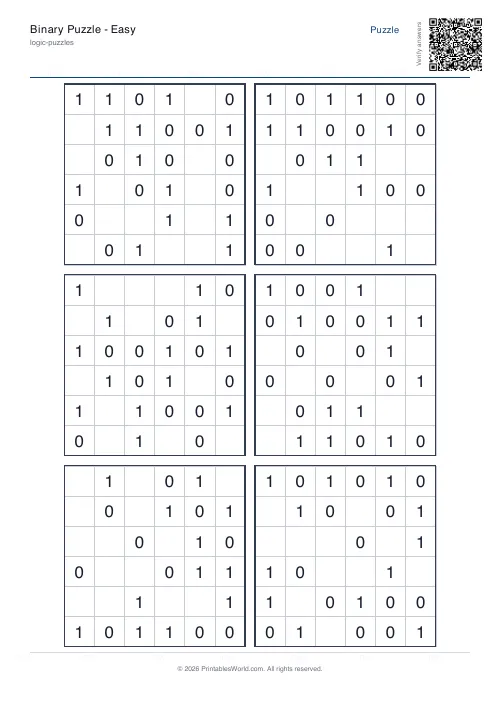
Binary Puzzle — Easy
Print-ready binary puzzle (Easy) as a free PDF — made with the generator above so you can tweak and reprint.
↓ Download PDF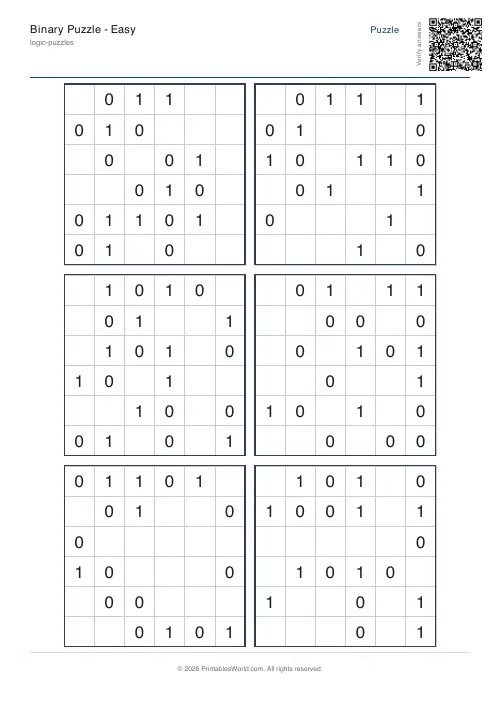
Binary Puzzle — Medium
Print-ready binary puzzle (Medium) as a free PDF — made with the generator above so you can tweak and reprint.
↓ Download PDF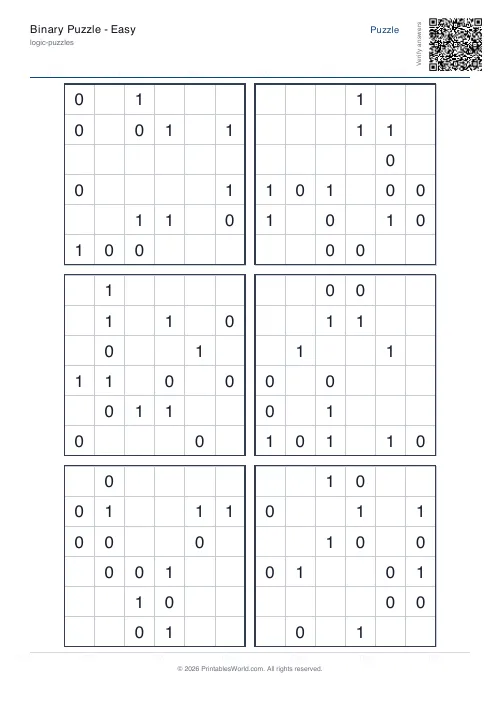
Binary Puzzle — Hard
Print-ready binary puzzle (Hard) as a free PDF — made with the generator above so you can tweak and reprint.
↓ Download PDF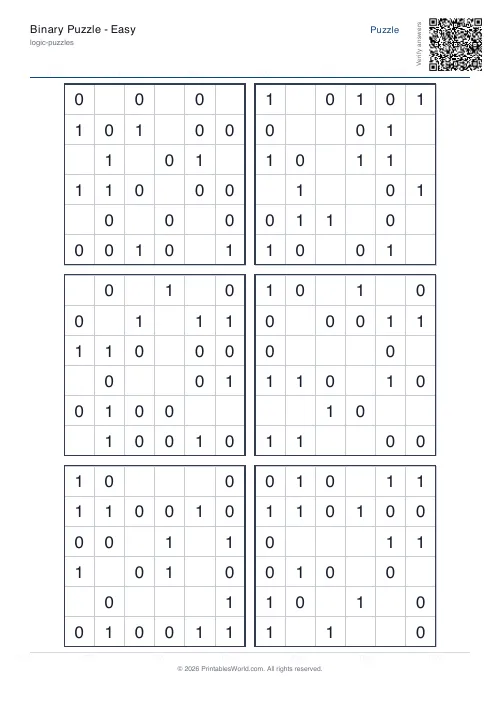
Binary Puzzle — 6x6
Print-ready binary puzzle (6x6) as a free PDF — made with the generator above so you can tweak and reprint.
↓ Download PDF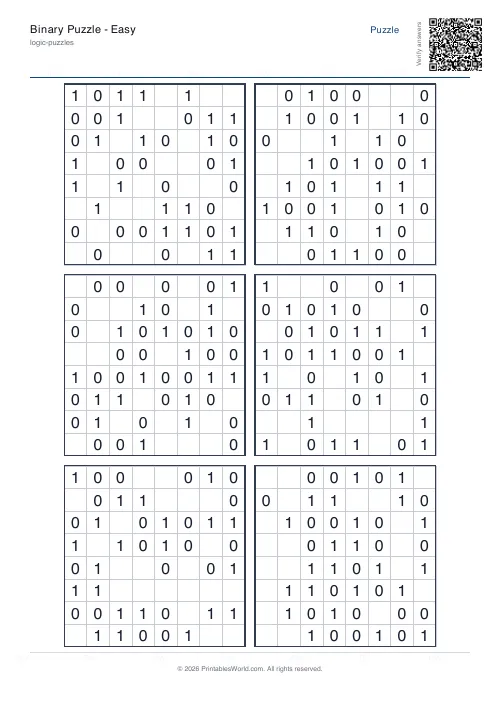
Binary Puzzle — 8x8
Print-ready binary puzzle (8x8) as a free PDF — made with the generator above so you can tweak and reprint.
↓ Download PDF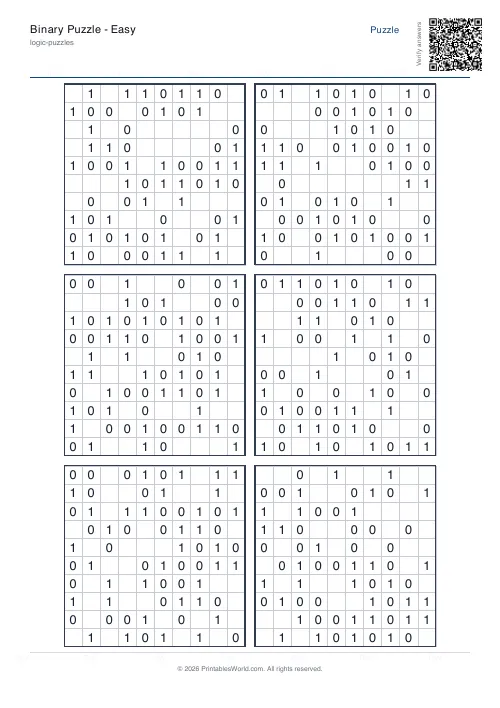
Binary Puzzle — 10x10
Print-ready binary puzzle (10x10) as a free PDF — made with the generator above so you can tweak and reprint.
↓ Download PDF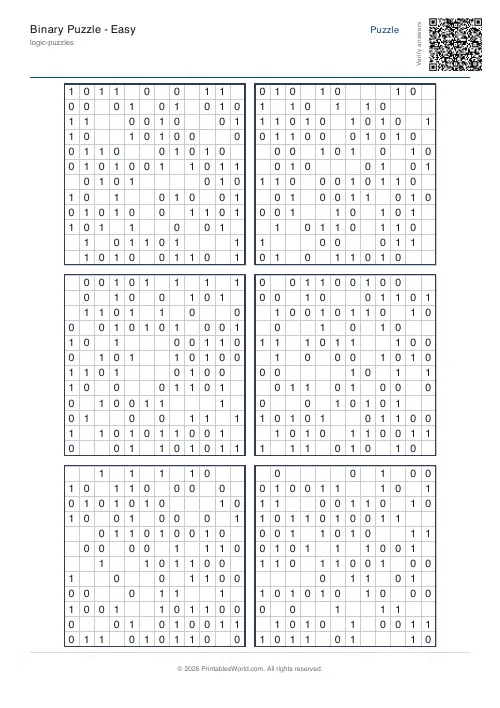
Binary Puzzle — 12x12
Print-ready binary puzzle (12x12) as a free PDF — made with the generator above so you can tweak and reprint.
↓ Download PDF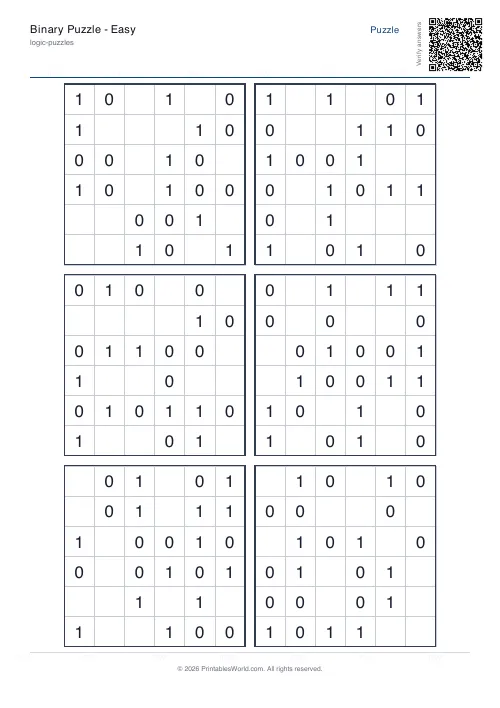
Binary Puzzle — Easy, with answer key
Completed answer key for the Easy binary puzzle — print-ready PDF for fast marking.
↓ Download PDF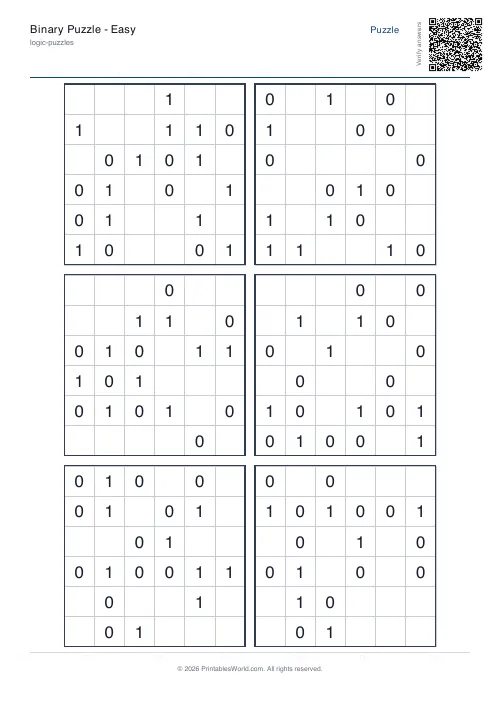
Binary Puzzle — Medium, with answer key
Completed answer key for the Medium binary puzzle — print-ready PDF for fast marking.
↓ Download PDF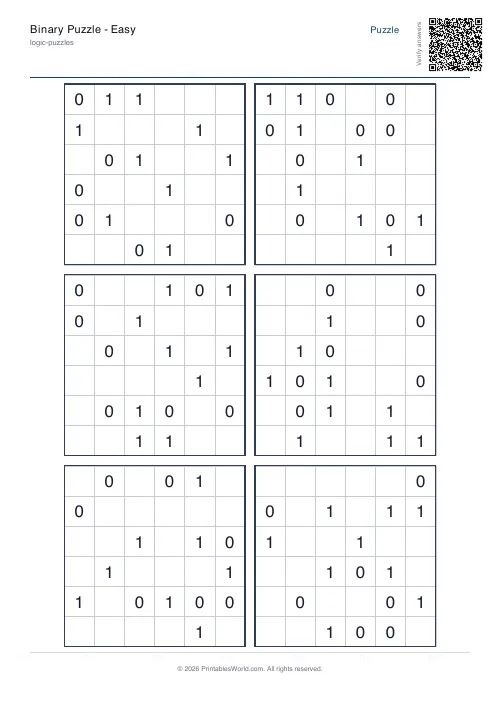
Binary Puzzle — Hard, with answer key
Completed answer key for the Hard binary puzzle — print-ready PDF for fast marking.
↓ Download PDF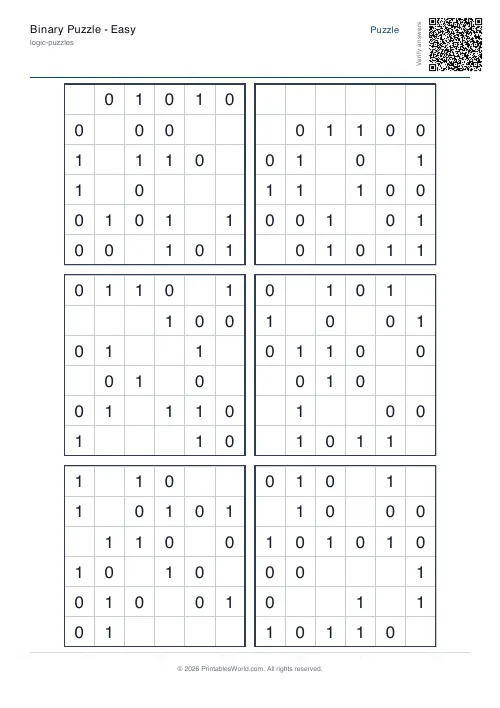
Binary Puzzle — 6x6, with answer key
Completed answer key for the 6x6 binary puzzle — print-ready PDF for fast marking.
↓ Download PDF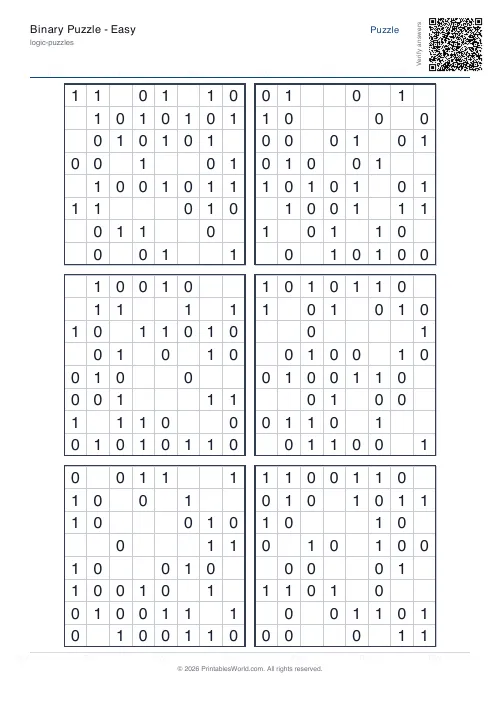
Binary Puzzle — 8x8, with answer key
Completed answer key for the 8x8 binary puzzle — print-ready PDF for fast marking.
↓ Download PDF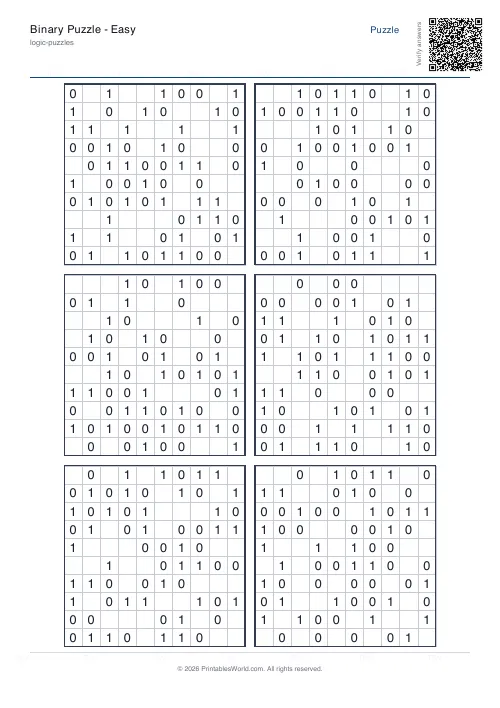
Binary Puzzle — 10x10, with answer key
Completed answer key for the 10x10 binary puzzle — print-ready PDF for fast marking.
↓ Download PDF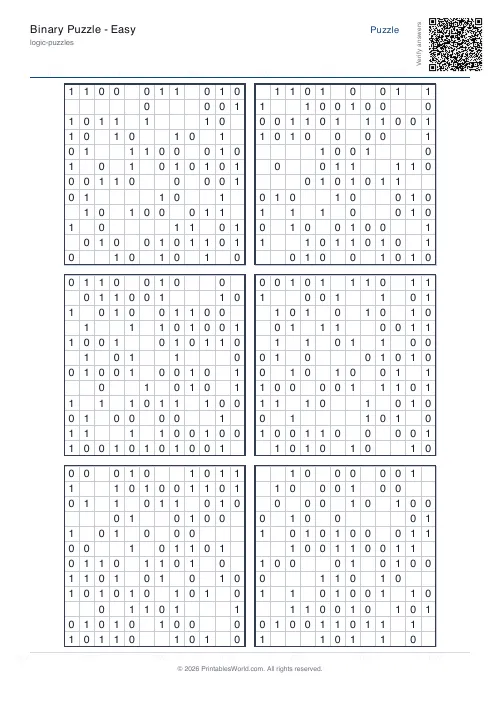
Binary Puzzle — 12x12, with answer key
Completed answer key for the 12x12 binary puzzle — print-ready PDF for fast marking.
↓ Download PDF
Settings
Customize your binary puzzle sheet
Six easy 6×6 puzzles per page on A4 paper.
Grid size
Difficulty
Paper size
Preview
Sample puzzle
One puzzle shown for layout. Your PDF contains six puzzles per page.
People also used
Feedback
Spotted something off with this tool?
Easy Binary Puzzles for Quick Logic Practice
Binary puzzles, also known as Binairo or Takuzu, are a tidy little logic game that can be solved in a few minutes once you get the hang of the rules. This generator produces friendly 6x6 grids that are perfect for newcomers, younger solvers, and anyone who wants a short brain training session without committing to a long puzzle.
Each PDF is print-ready in both A4 and US Letter. Six puzzles render on every page along with space to scribble, so you can tuck a sheet into a travel bag, a tutoring pack or a classroom warm-up folder. An optional solution page makes checking effortless.
Easy binary puzzles are ideal for quiet-time activities, independent work, puzzle clubs, or a calm screen-free break. The 6x6 grid is small enough that children and adults alike can usually finish a puzzle in a few minutes.
How the rules work
Fill every empty cell with either a 0 or a 1 so the grid obeys three rules.
- Each row and column must contain the same number of 0s and 1s.
- No three identical digits may appear next to each other, in a row or column.
- No two rows are identical, and no two columns are identical.
Those three rules combine to produce a puzzle with a single valid solution. Many clues come from the no-three-in-a-row rule: if you already see two 0s next to each other, the next cell must be a 1.
Who the easy binary puzzle is for
Beginners
The 6x6 grid is the smallest comfortable binary puzzle size. Starting clues are generous, and most moves can be made with the no-three-in-a-row rule alone.
Puzzle enthusiasts
Easy binary puzzles are a great warm-up before tackling 10x10 or 12x12 grids. They also make a good speed-solve challenge if you enjoy timed logic.
Classroom teachers
Six puzzles per page gives a whole small group something to work on for fifteen minutes. Binary puzzles build the same deductive reasoning skills as Sudoku but with a lower arithmetic load.
Parents
Print a page for a rainy afternoon, a long car journey or a quiet breakfast. The rules are easy to explain in a minute, so children pick them up quickly.
What you can customise
- Difficulty is fixed to easy for this variant.
- Grid size is fixed to 6x6 for a short, friendly solve.
- Solutions: toggle the second page of completed grids.
- Paper size: A4 or US Letter PDF output.
Worked example
Consider a row that starts with two 1s, like 1 1 _ _ _ _. The next cell cannot be a 1 or you would have three in a row, so it must be a 0. That single forced move often cascades. Once you know the row must contain three 0s and three 1s, and you already have two 1s and one 0, the remaining cells simplify quickly.
Another common clue is a gap surrounded by the same digit, such as 0 _ 0. A 0 in the middle would give three 0s in a row, so the gap must be a 1.
How to use the tool
- Confirm the 6x6 easy preset is selected.
- Decide whether to include the solution page.
- Choose A4 or US Letter paper.
- Click Generate to preview the puzzles.
- Download the PDF and print at 100% scale.
Methodology
The generator builds a valid filled 6x6 grid that satisfies all three binary puzzle rules, then removes digits to leave a puzzle with a unique solution. Easy puzzles keep more starting clues visible so most deductions come from the no-three-in-a-row rule without needing heavier logic. Each new generation creates a fresh set so you can print repeatedly without duplication.
Tips for solving
- Scan for two-in-a-row. The cell on either side of a matching pair must be the opposite digit.
- Count the digits in a partly finished row. Once you have three of one digit, the remaining cells must all be the other digit.
- Compare rows. If two rows are almost identical, the remaining cells in those rows must differ.
- Use pencil first. Mistakes are easy to correct if you are not committing in pen.
Designed for A4 and US Letter printing
Every PDF is formatted for both A4 and US Letter paper. Six puzzles per page gives a balanced layout that works on home printers, school copiers and library machines alike. Print at 100% scale for the cleanest result.
Introducing binary puzzles to a new solver
If you are teaching the rules for the first time, start with the no-three-in-a-row rule. It is the easiest to spot and gives quick wins. Once your solver is comfortable finding forced moves by that rule alone, introduce the equal-count rule, and finally the no-duplicate-row rule. Children often grasp all three rules inside a single 6x6 puzzle, which is one of the reasons easy binary grids are so popular for family puzzle time.
Binary puzzles are also a gentle introduction to thinking about constraints, which is a skill that underpins Sudoku, logic-grid puzzles and even early algebra. Because the only digits are 0 and 1, there is no arithmetic to worry about and all the brain training goes into deductive reasoning and pattern recognition.
Related logic puzzles
FAQs
Quick answers
What is a binary puzzle?
A logic puzzle where each row and column has the same number of 0s and 1s, with no three identical digits in a row and no two identical rows or columns.
Are 6x6 puzzles good for beginners?
Yes. The smaller grid keeps the logic short and a complete solve usually takes only a few minutes.
How many puzzles per PDF?
Six per page in a tidy grid layout, sized for A4 or US Letter.
Can I print the answers?
Yes. Toggle the solutions option to add a second page with the completed grids.
Related tools
Binary Puzzle — Medium
Medium binary puzzles on 8x8 and 10x10 grids.
Binary Puzzle — Hard
Hard binary puzzles on 12x12 and 14x14 grids.
Binary Puzzle Generator — Printable
Create printable binary logic puzzles (Takuzu/Binairo) with customisable grid sizes and difficulty levels.
Futoshiki Puzzle
Fill a grid with digits 1-N where inequality signs constrain adjacent cells.
More like this
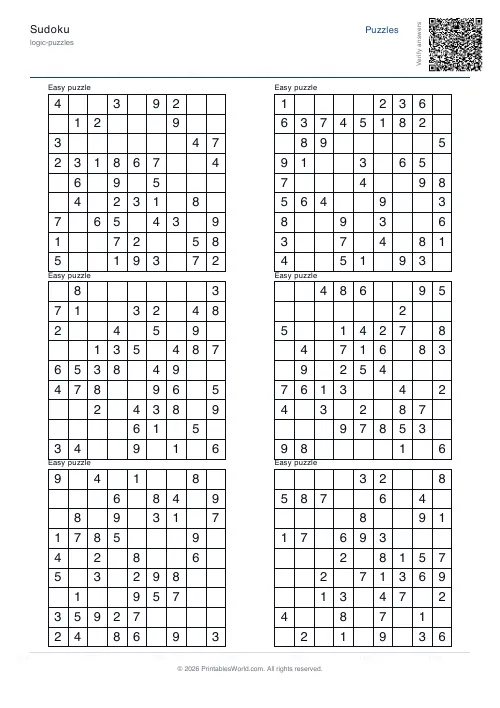 Sudoku Generator
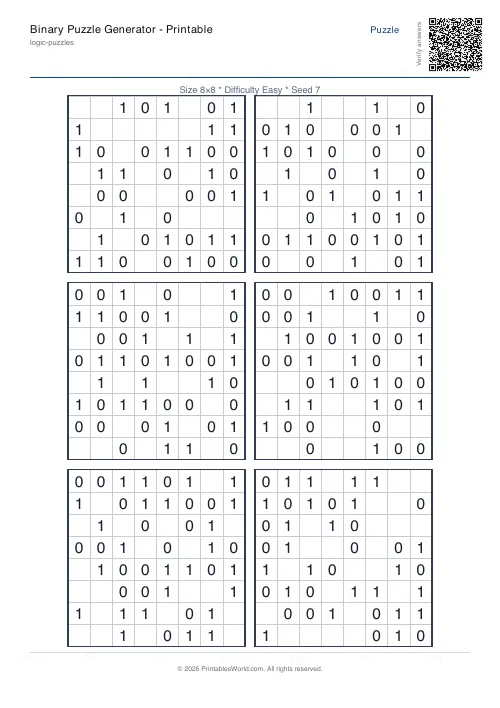 Binary Puzzle Generator — Printable
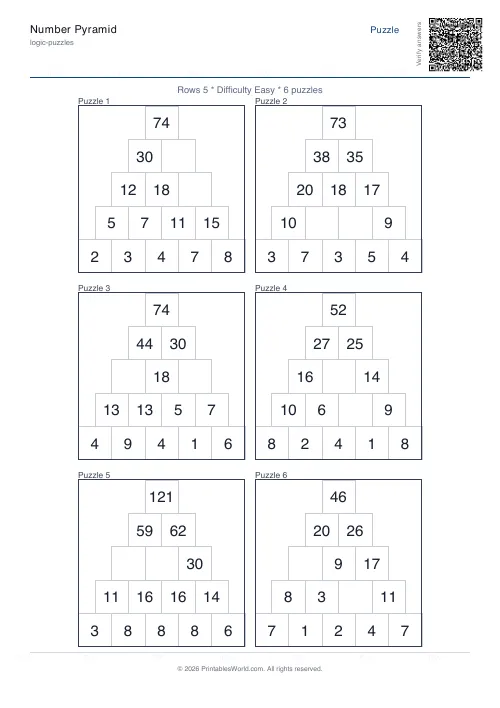 Number Pyramid Generator
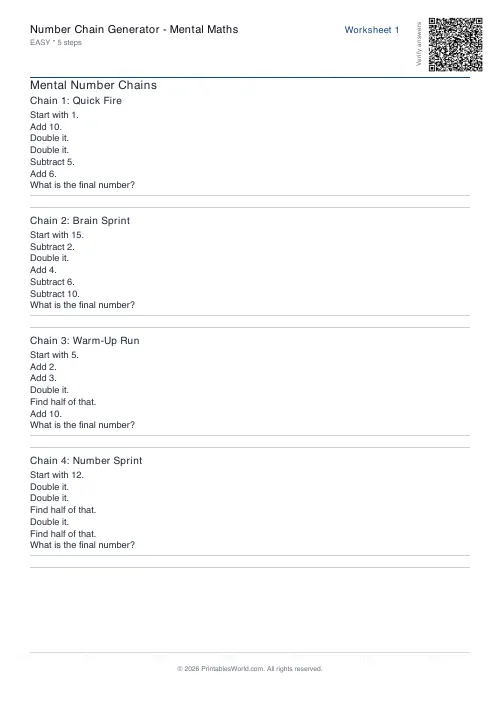 Number Chain Generator — Mental Maths
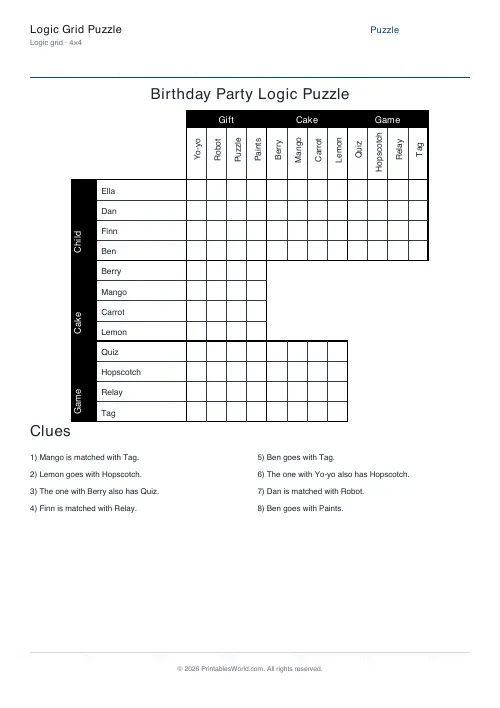 Logic Grid Puzzle Generator — Printable
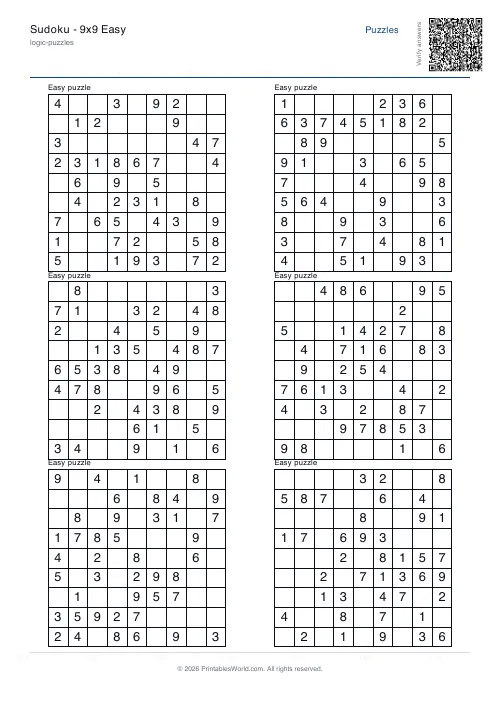 Sudoku — 9x9 Easy
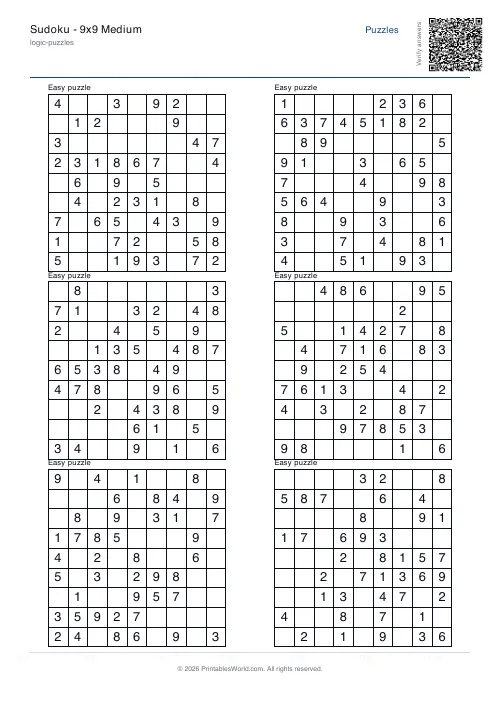 Sudoku — 9x9 Medium
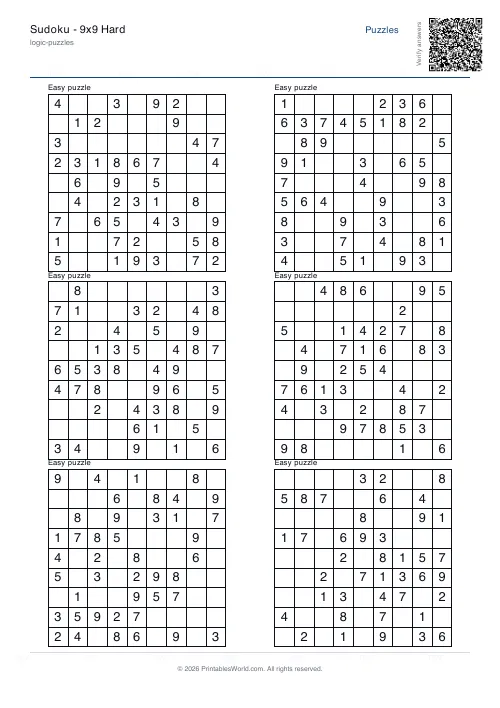 Sudoku — 9x9 Hard
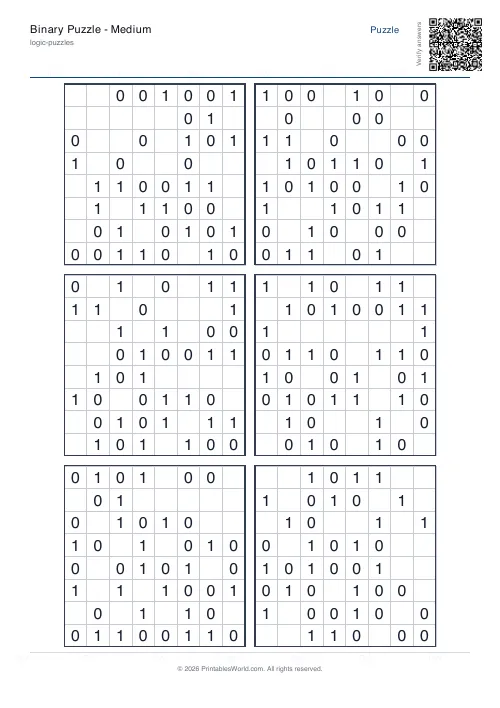 Binary Puzzle — Medium
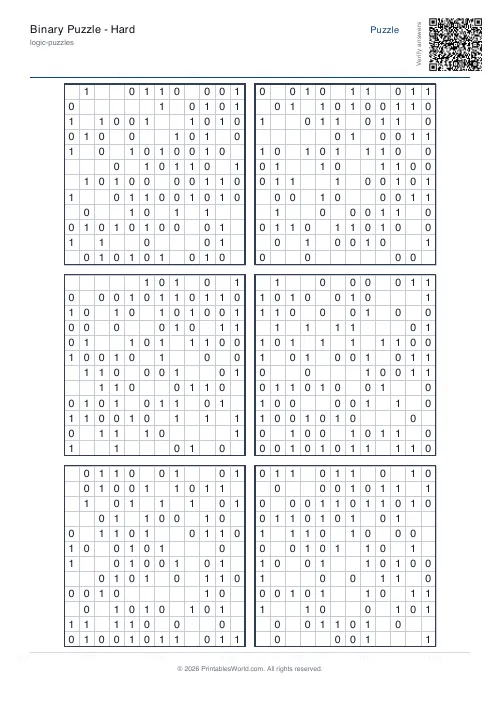 Binary Puzzle — Hard
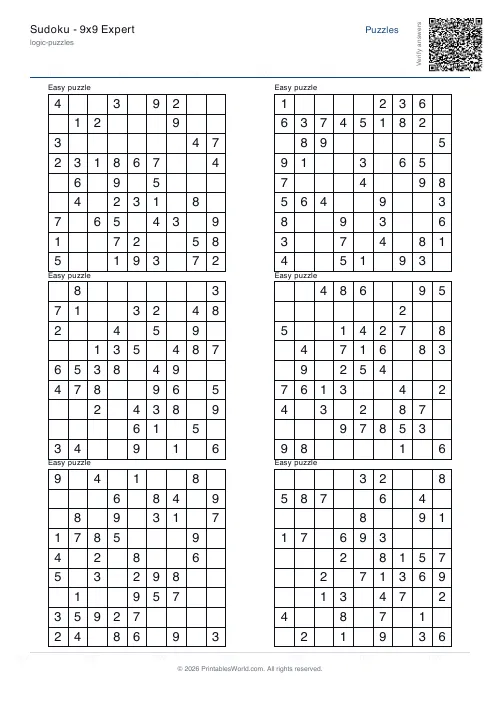 Sudoku — 9x9 Expert
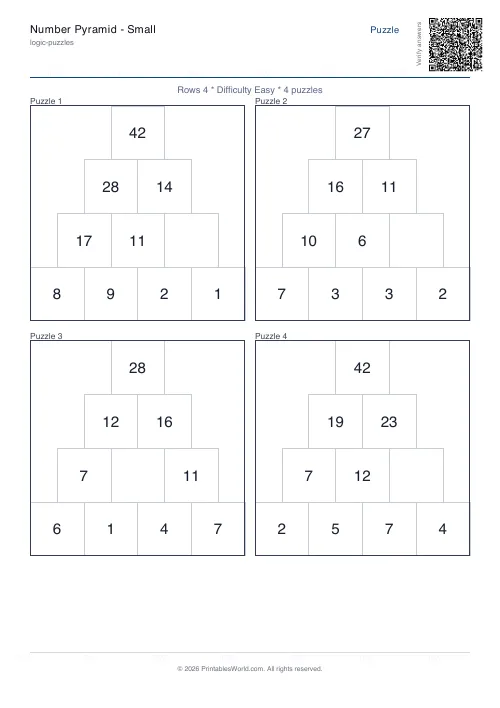 Number Pyramid — Small
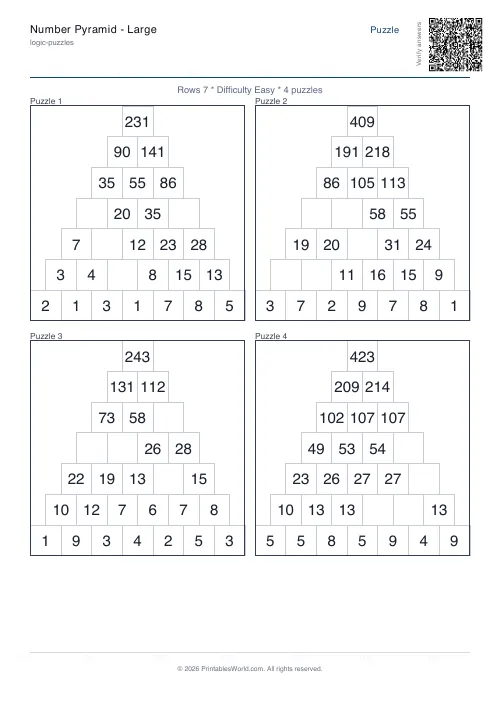 Number Pyramid — Large
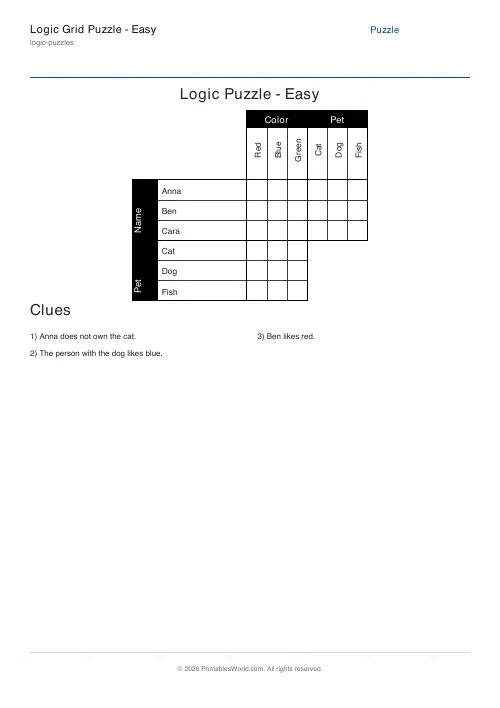 Logic Grid Puzzle — Easy