What this tool does
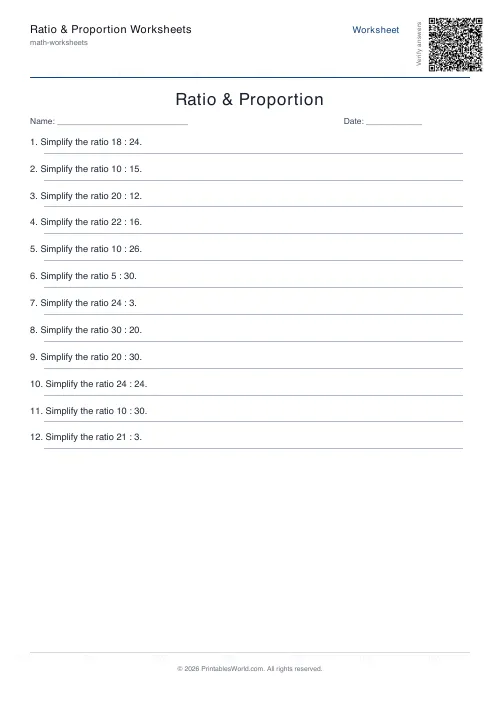
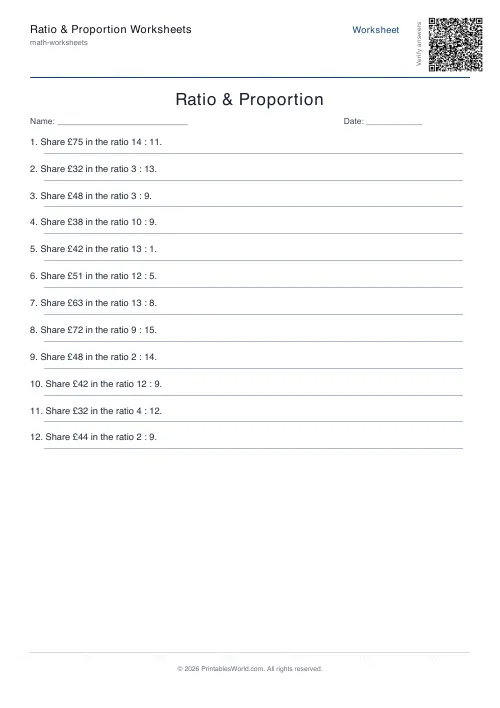
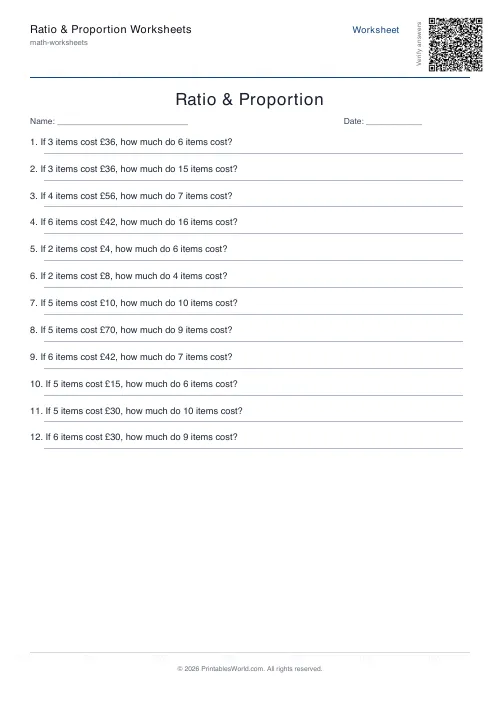
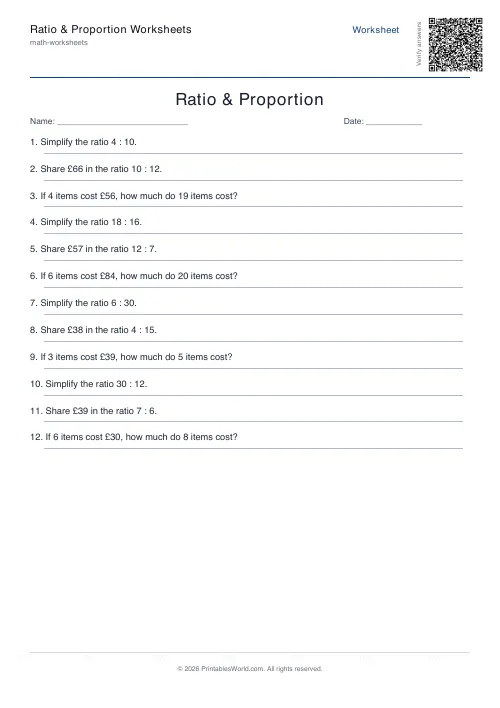
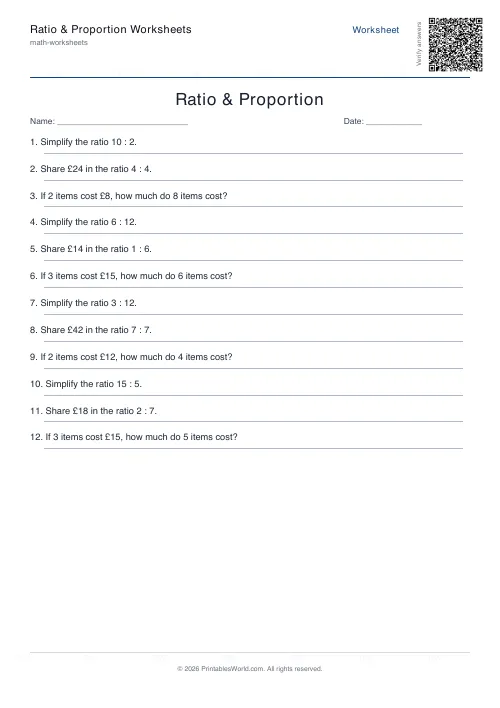
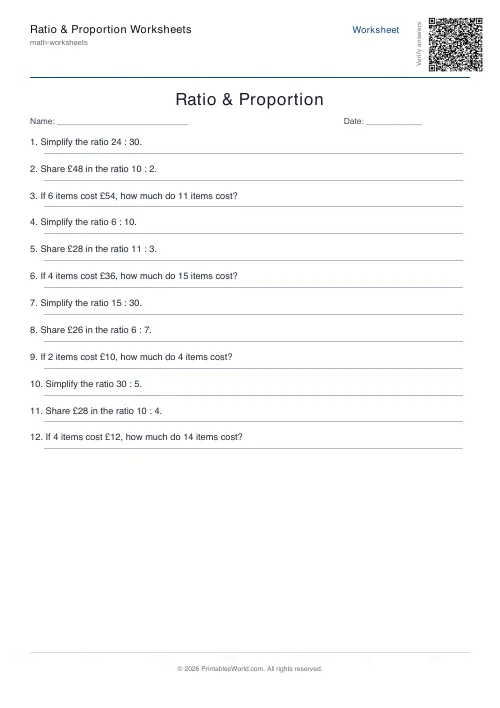
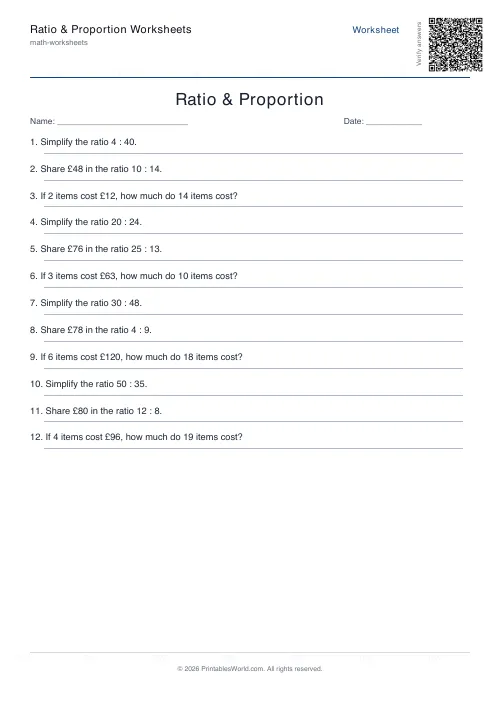
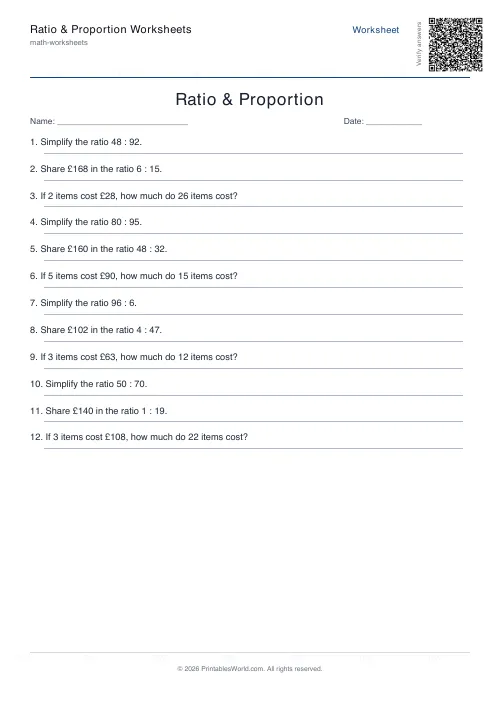
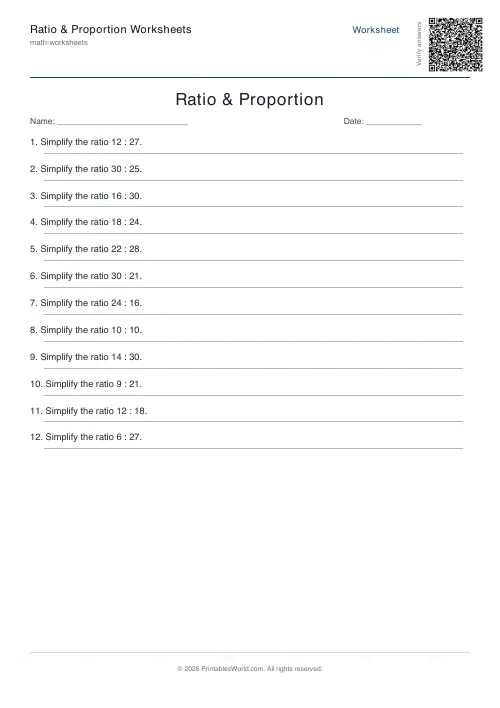
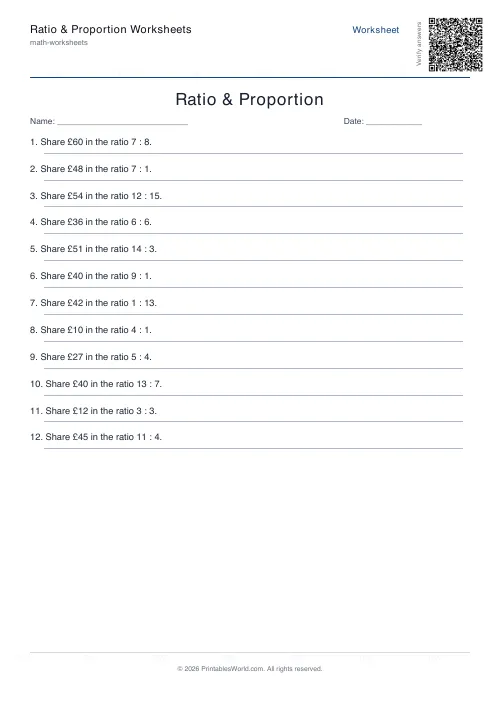
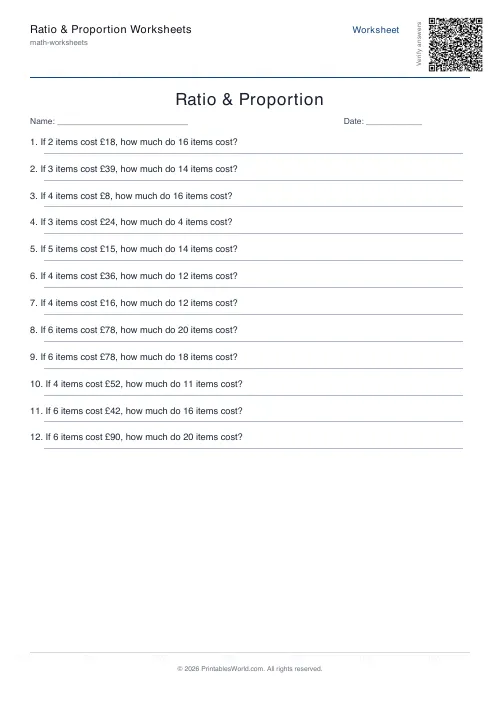
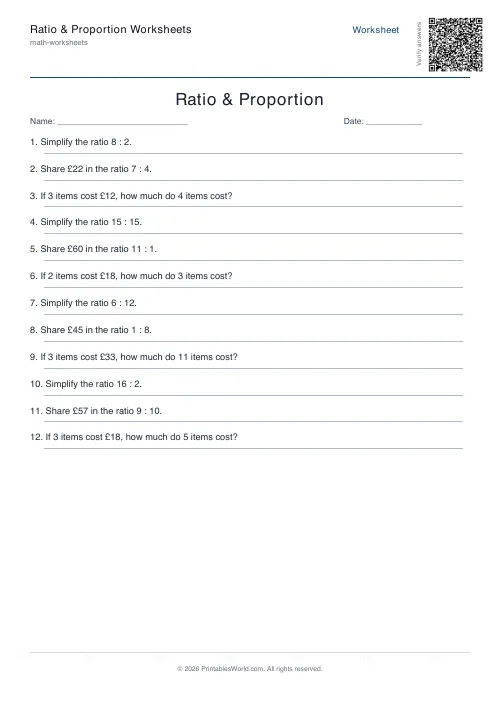
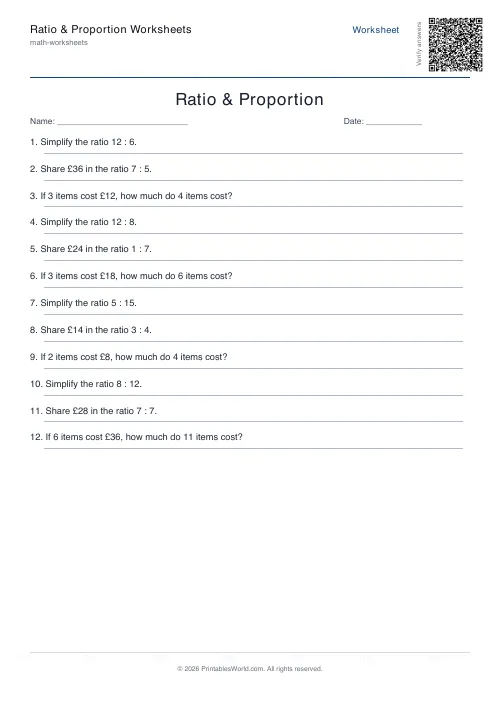
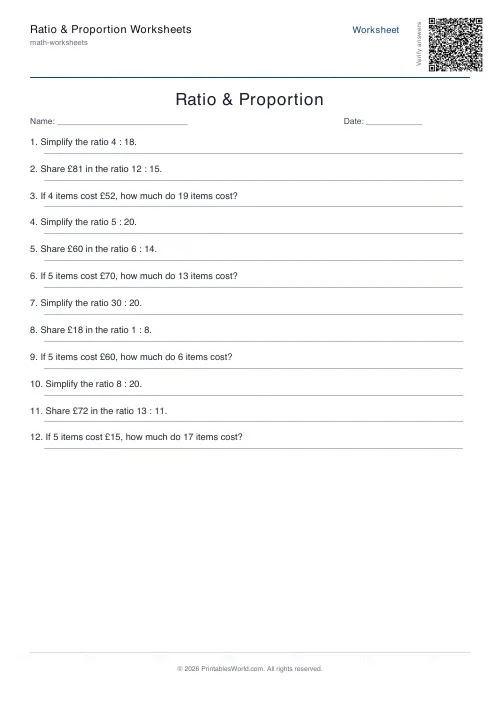
Ratio and proportion practice in three skills. Simplify a ratio to its lowest terms, share an amount in a given ratio, or solve a direct-proportion scaling problem. One skill at a time or all three mixed, with a maximum value that caps the numbers, and every answer a whole number.
People also used
Fractions Practice Sheets Generator
Generate printable fraction simplification worksheets with custom ranges, layouts, and answer keys.
Introduction to Algebra Worksheets
Printable beginner algebra practice. Evaluate, simplify, and substitute.
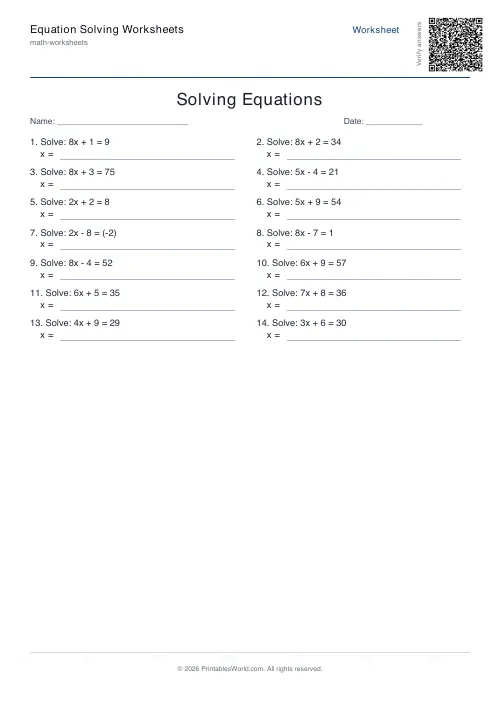
Equation Solving Worksheets
Printable one-step and two-step linear equations to solve.
Feedback
Spotted something off with this tool?
Three skills that look like one topic
Simplify takes a ratio like 12 : 18 down to 2 : 3. That is factor work wearing a colon.
Share in a ratio takes an amount and splits it. Sixty in the ratio 2 : 3 gives 24 and 36, and the method is to add the parts first, which is the step pupils skip.
Direct proportion scales: if four cost £6, what do ten cost? Different reasoning again, and the one that turns up most often outside a maths lesson.
Splitting them apart is the point of the tool. A pupil who is fine at simplifying and lost at sharing needs sharing, not a mixed revision sheet that lets them get two-thirds of the marks without touching the weak skill.
Sharing in a ratio is where it goes wrong
Almost always, and almost always for the same reason.
Asked to share 60 in the ratio 2 : 3, they divide by 2 and by 3, produce 30 and 20, and are untroubled by the fact that this does not total 60. The method is to add the parts first, getting 5, then divide 60 by 5 to find one part, then multiply out.
Teach the check alongside the method: the answers must add back to the original amount. A pupil who does that catches their own error every time, and it costs one line of working.
Whole numbers, on purpose
Every problem is built to come out clean. Sharing totals always divide exactly by the sum of the parts, simplifying ratios are generated from a multiplier so they are always reducible, and direct-proportion problems use whole-number scale factors.
That is a teaching decision rather than a shortcut. A pupil learning the method should not also be fighting a decimal, because when the answer comes out as 8.4 they cannot tell whether the method was wrong or the arithmetic was, and neither can you from looking at the page.
The maximum value caps how large the numbers get. Sixty by default, which keeps sharing problems inside the times tables.
Where it sits in the curriculum
Ratio arrives after fractions and depends on them entirely. Simplifying 12 : 18 is the same operation as simplifying twelve eighteenths. Anybody who cannot do the second will not manage the first, however it is dressed up.
So when a class struggles here, hand out a fractions sheet. It is the commonest reason ratio fails to stick, and it stays invisible unless you go looking for it.
FAQs
Quick answers
What topics are covered?
Simplifying ratios, sharing a quantity in a given ratio, and direct proportion (scale-up) problems.
Does it include an answer key?
Yes. Turn on "Include answer key" and the PDF will include a second page with all answers.
Can I choose how hard the numbers are?
Yes. Use the Maximum value slider. Smaller values keep the arithmetic light, larger values stretch mental-maths skills.
Who is this suitable for?
Typically Year 6 through Key Stage 3 (UK) or Grades 5–7 (US). Use simpler modes for younger learners.
Related tools
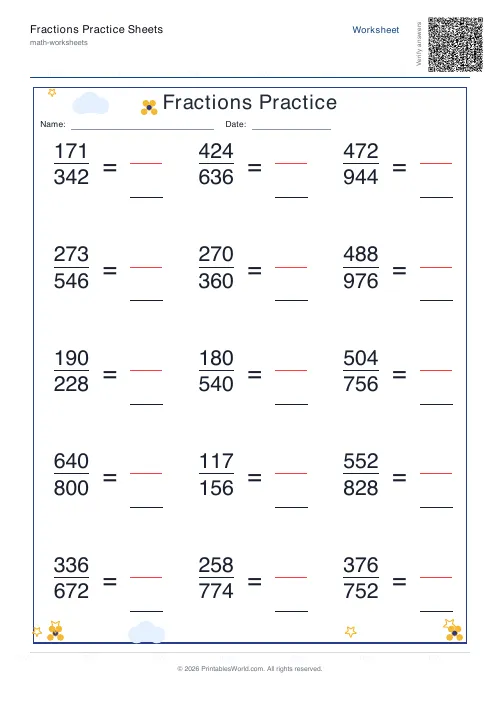
Fractions Practice Sheets Generator
Generate printable fraction simplification worksheets with custom ranges, layouts, and answer keys.
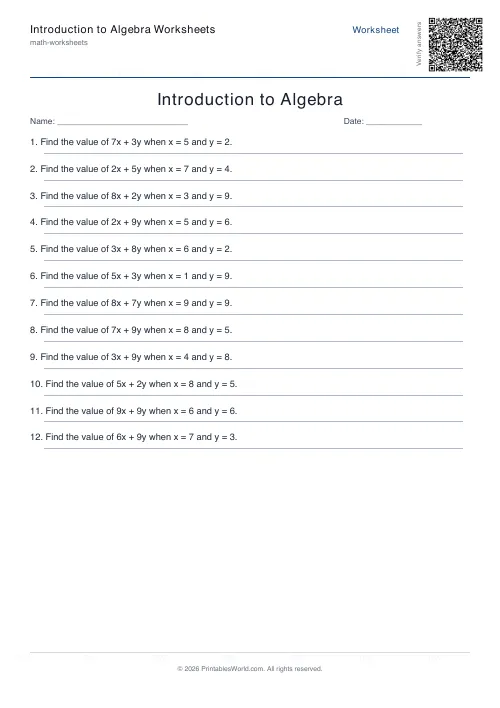
Introduction to Algebra Worksheets
Printable beginner algebra practice. Evaluate, simplify, and substitute.
Equation Solving Worksheets
Printable one-step and two-step linear equations to solve.
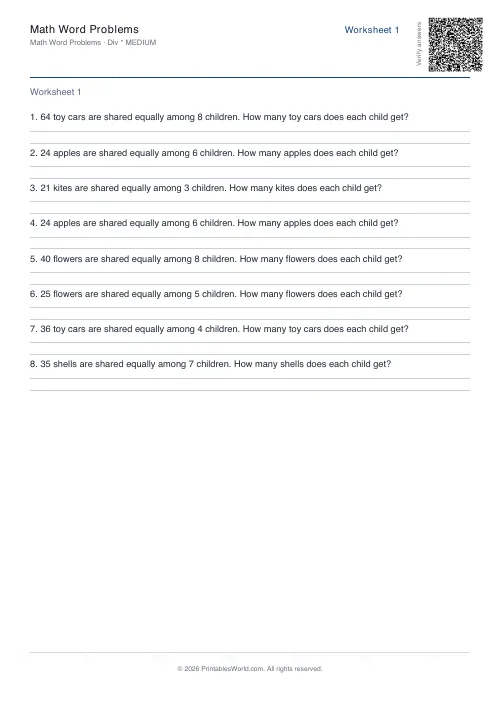
Math Word Problems Generator
Generate printable math word problem worksheets with customisable topics, difficulty, and answer keys.
Further reading
More like this
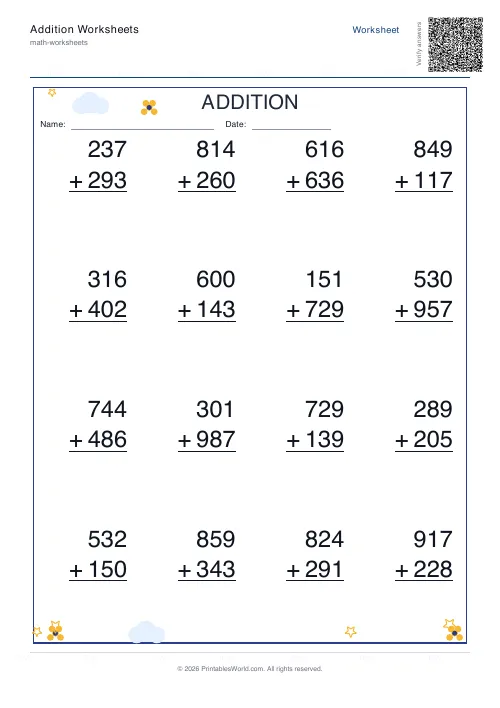 Addition Worksheets Generator
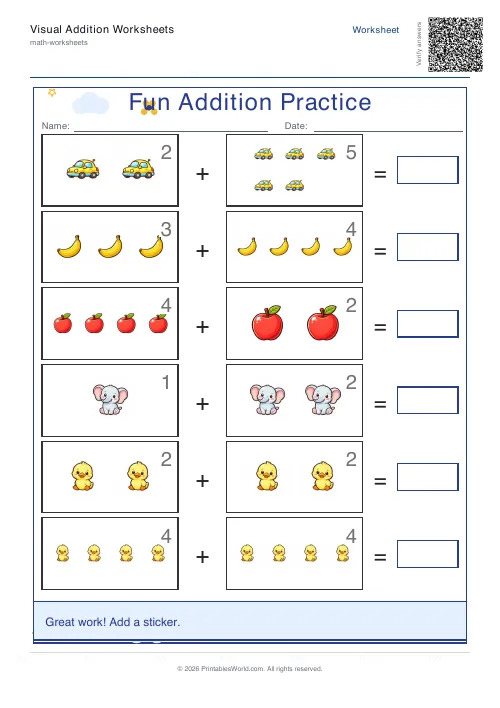 Visual Addition Worksheets Generator
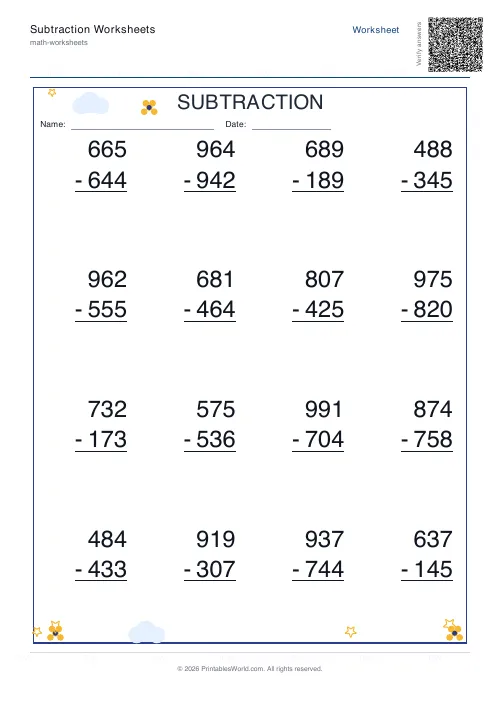 Subtraction Worksheets Generator
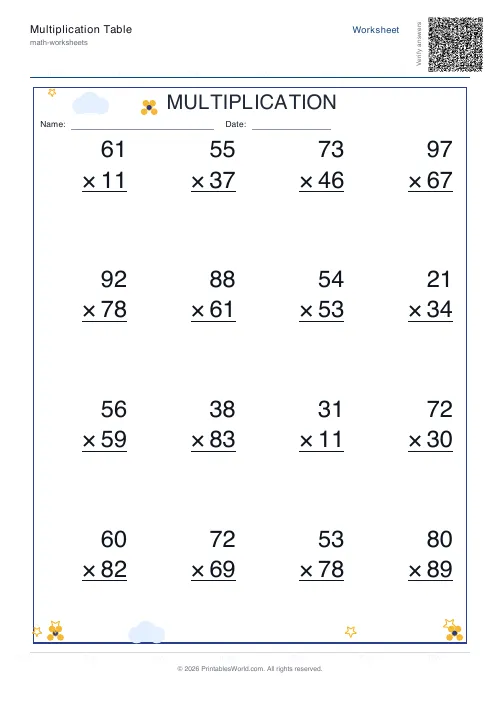 Multiplication Table Generator
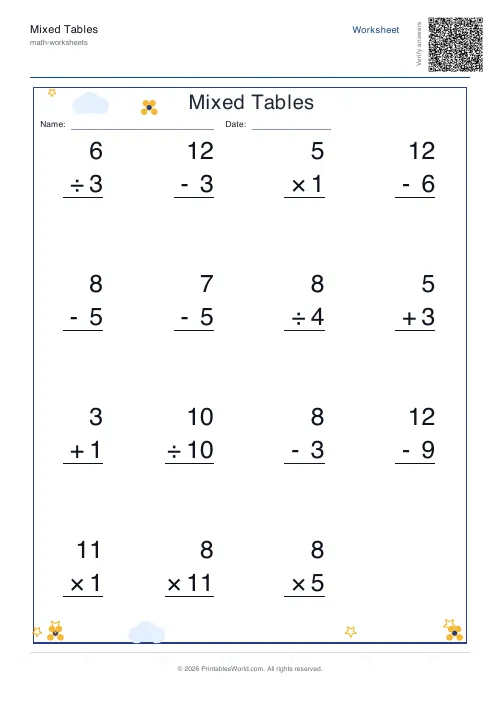 Mixed Tables Generator
- Fractions Practice Sheets Generator
- Math Word Problems Generator
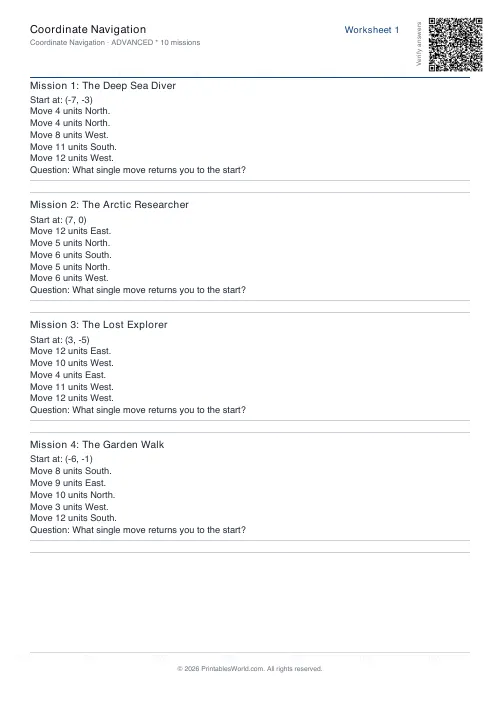 Coordinate Navigation Generator
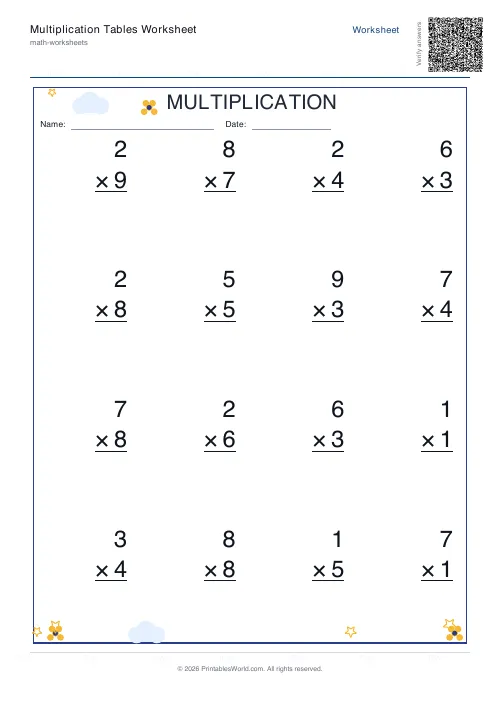 Multiplication Tables Worksheet
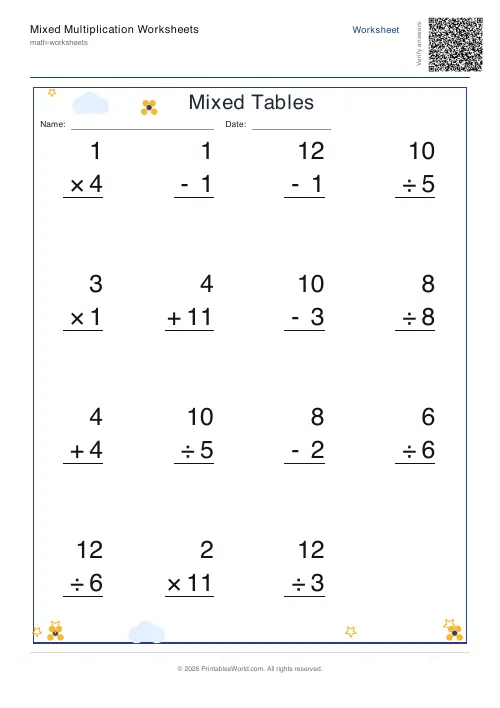 Mixed Multiplication Worksheets
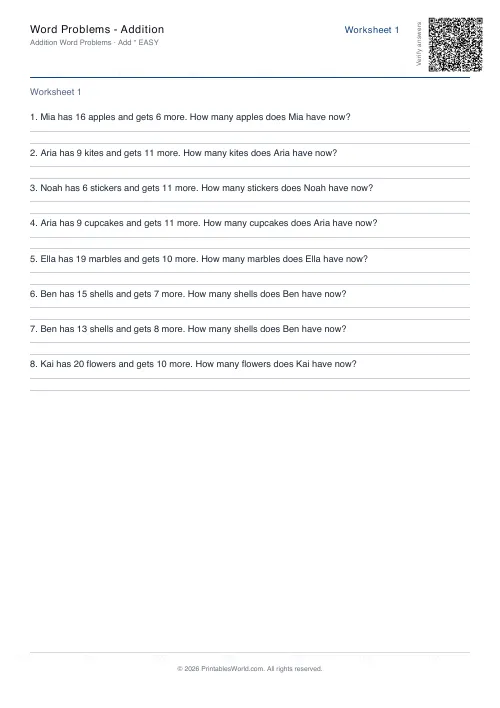 Word Problems: Addition
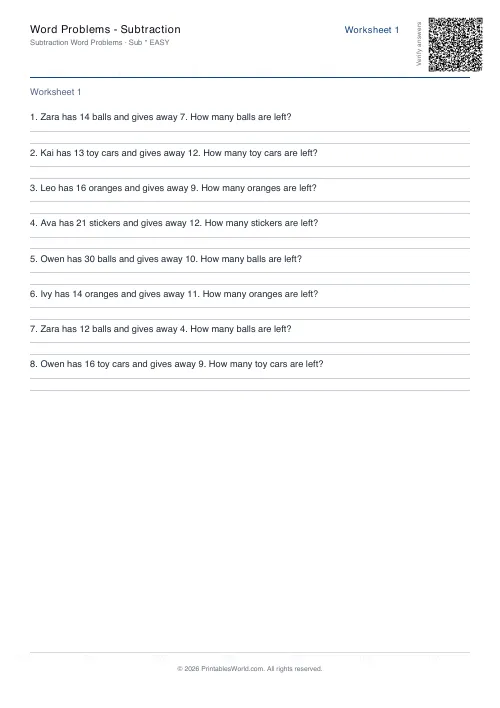 Word Problems: Subtraction
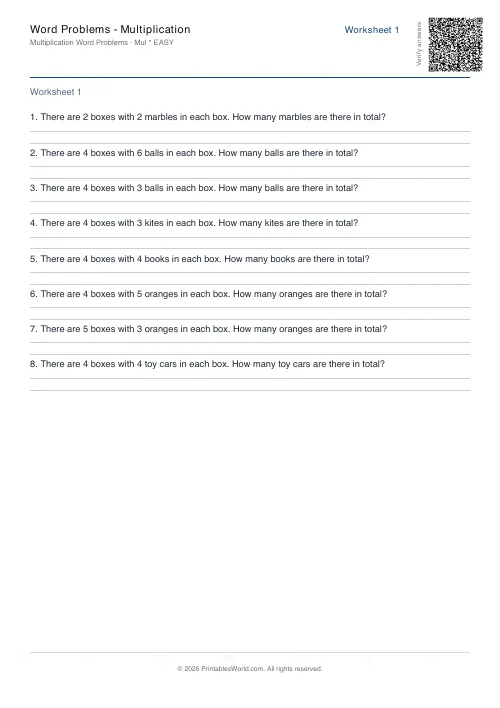 Word Problems: Multiplication
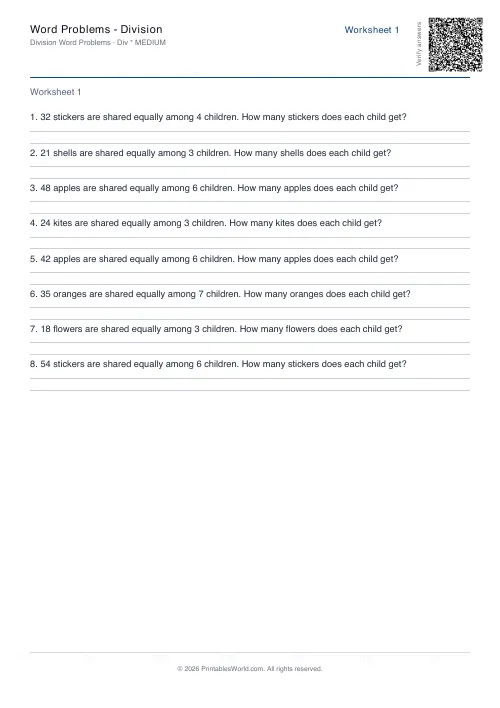 Word Problems: Division