What this tool does
Work out what a print run actually costs. Enter pages, paper price per sheet, ink cost per page and how many copies; get a per-copy and total figure with paper and ink split out.
People also used
Ink Coverage Estimator
Estimate ink usage in millilitres and cost from CMYK page coverage.
Paper Sizes Calculator
Compare paper sizes and convert dimensions to pixels for accurate print design at any resolution.
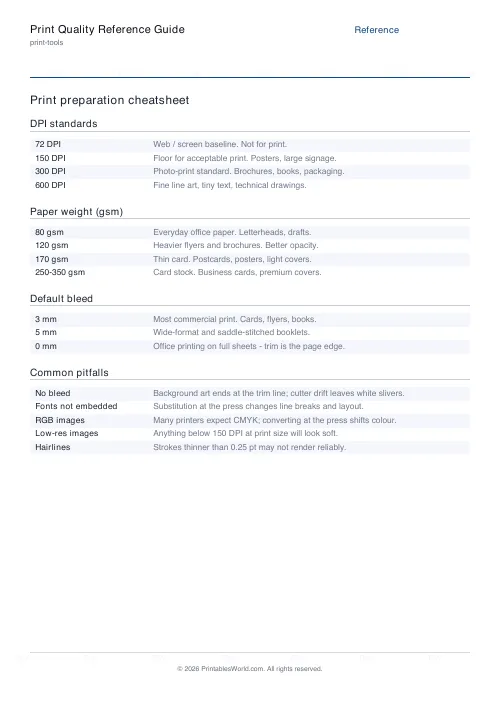
Print Quality Reference Guide
A printable reference for DPI standards, paper weights, bleed defaults, and common pitfalls.
Feedback
Spotted something off with this tool?
Four numbers in, two numbers out
Pages per copy, paper cost per sheet, ink cost per page, number of copies. The calculator returns the cost of one copy and the cost of the whole run, with the paper and the ink shown separately so you can see which one is hurting.
Currency is your choice: dollars, pounds, euros. It changes the symbol and nothing else — there is no conversion happening.
Getting the ink figure right
This is the number everybody guesses and nearly everybody guesses low.
Take the price of a cartridge and divide it by the page yield the manufacturer quotes. A £25 black cartridge rated at 400 pages works out at about 6p a page. That yield figure is measured at roughly 5% coverage on the ISO standard, which is a business letter with a fair amount of white space on it — nothing like a worksheet with a full-width header, and nothing at all like a colouring page.
So double it for dense mono work. Full colour is worse again: four or five times the quoted rate is nearer the truth, and even that can be optimistic on photo paper.
The field takes four decimal places because sub-penny per-page costs are normal and rounding them to two throws a long run out badly.
The paper figure
Easier. A ream is 500 sheets, so divide the price by 500. Ordinary 80gsm office paper lands somewhere around 0.5 to 1p a sheet; card, photo paper and anything heavyweight can be twenty times that, which is exactly the case where running the sums first pays for itself.
Count sheets, not pages. Printing double-sided halves your paper line and leaves the ink line untouched, so enter half the page count if you are duplexing.
What it deliberately leaves out
Hardware depreciation. Maintenance, including drum and fuser wear. Electricity, sheets wasted to a jam or a misfeed, and your own time.
Those are real and they are not modelled here. Treat the output as a floor on the cost rather than the final answer — useful for choosing between two ways of doing a job, for pricing a run you are charging for, and for the moment when you work out that a school's worth of colour worksheets costs more than the textbook you were replacing.
Related
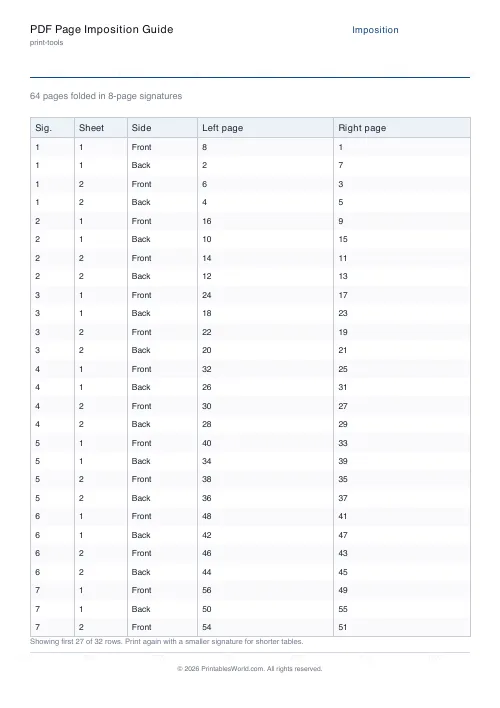
The ink coverage estimator gets at the ink half from the other direction, by channel. If you are printing a booklet, the imposition planner will tell you how many sheets you actually need.
FAQs
Quick answers
How do I estimate ink cost per page?
Most home and small-office inkjets land between $0.05 and $0.15 per page for colour and $0.02–$0.05 for black-only. Laser printers run cheaper still. Check the cartridge yield label and divide by price.
Should I include the printer in cost?
For a single job, no. Treat the printer as a fixed cost you have already paid. For long-term planning, divide the printer price by its expected lifetime page yield and add that to ink cost.
What about double-sided printing?
Duplex printing roughly halves your paper cost but keeps ink cost the same. Set page count to the total printed sides and divide paper-per-sheet by 2 to model it.
Why does my real cost differ from the estimate?
Waste pages, misfeeds, and high-coverage colour pages all push real cost up. Add 5–10% to the calculator total for production overhead.
Related tools
Ink Coverage Estimator
Estimate ink usage in millilitres and cost from CMYK page coverage.
Paper Sizes Calculator
Compare paper sizes and convert dimensions to pixels for accurate print design at any resolution.
Print Quality Reference Guide
A printable reference for DPI standards, paper weights, bleed defaults, and common pitfalls.
Cartridge Yield & Cost Calculator
Compare ink and toner cost per page by cartridge yield.