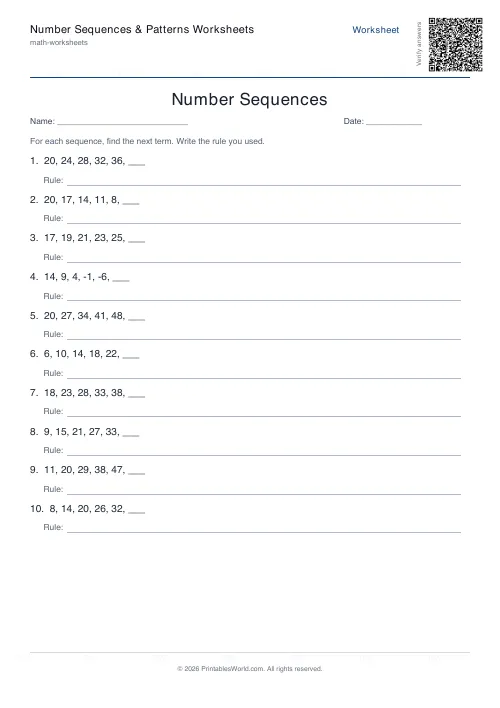
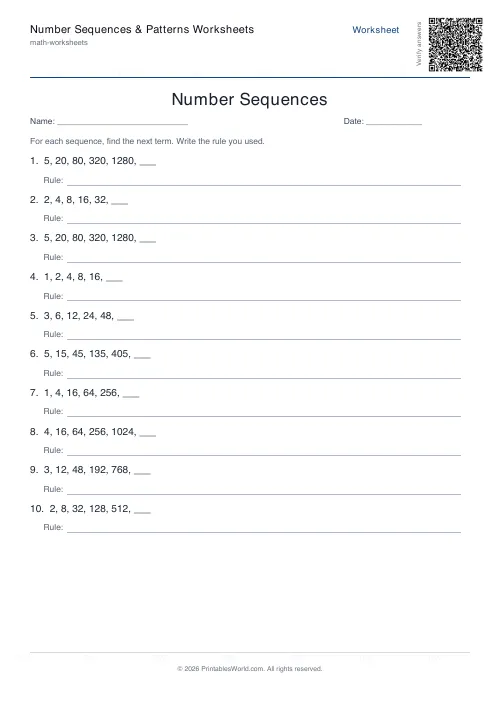
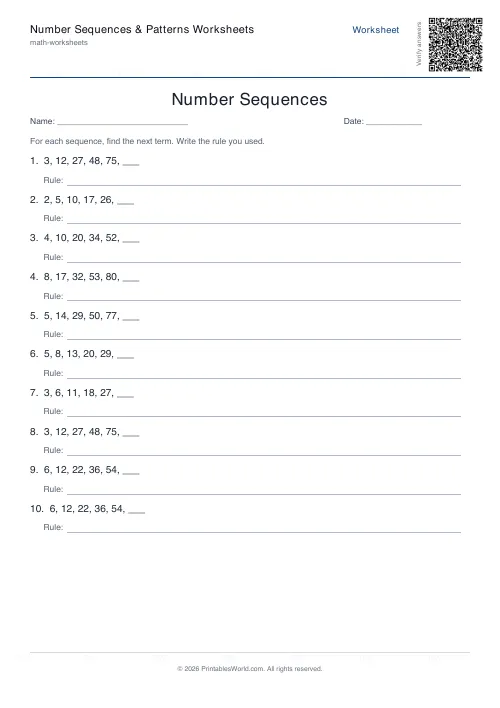
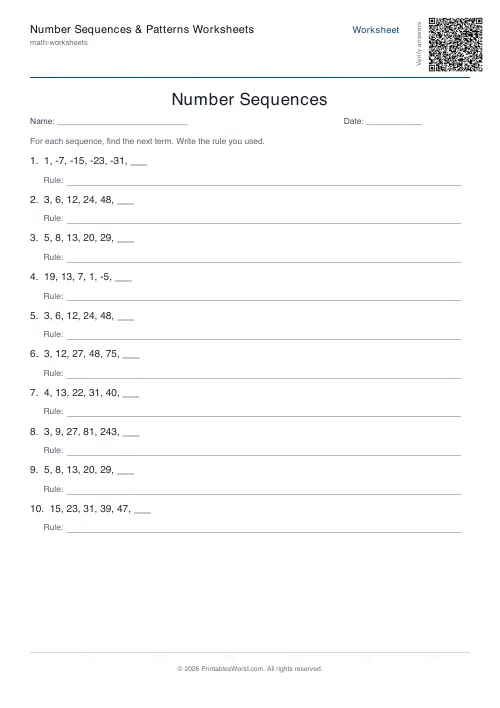
What this tool does
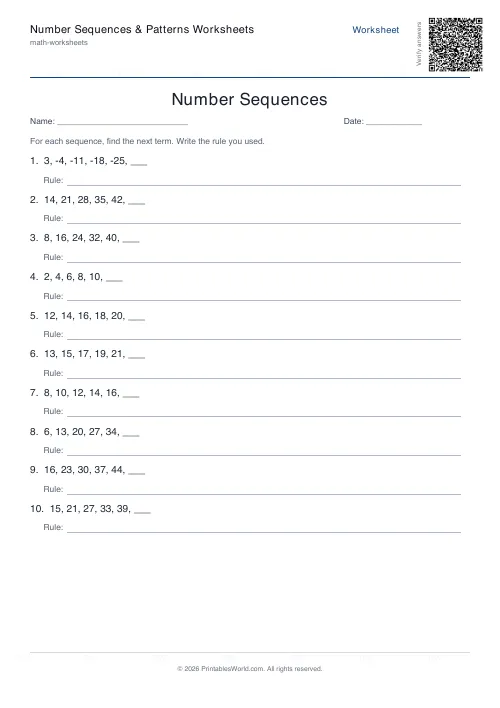
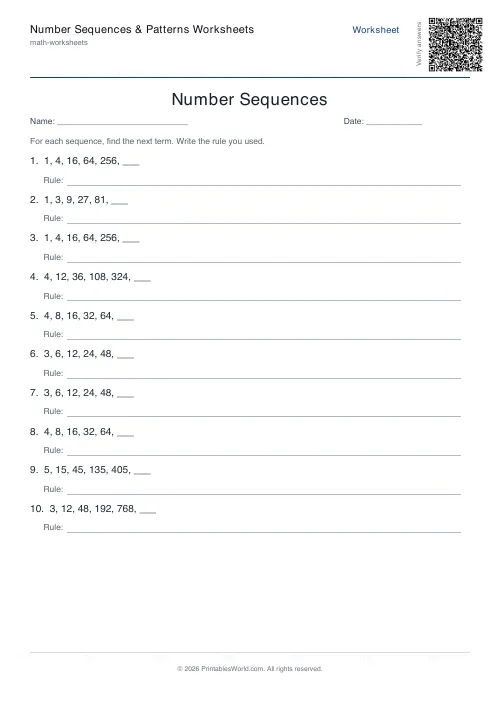
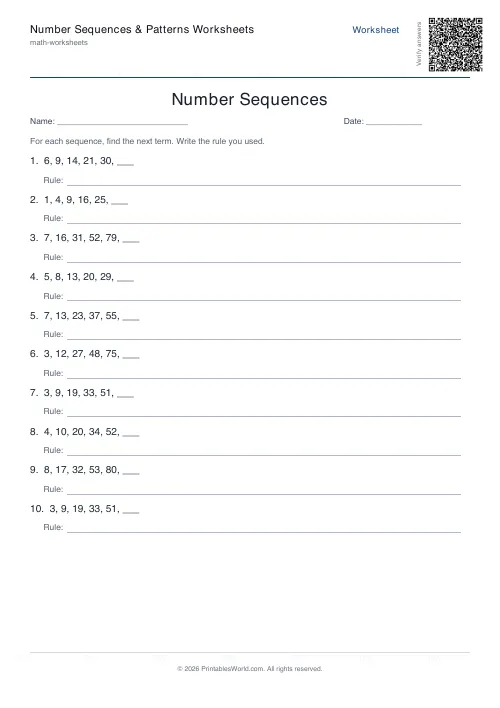
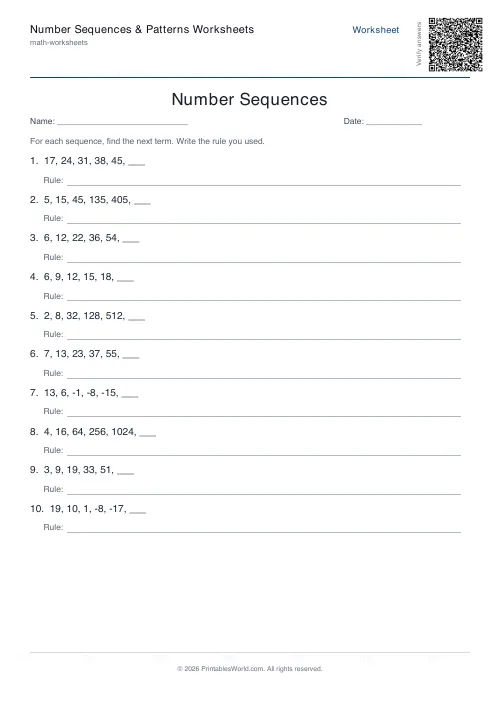
Number-sequence worksheets. The pupil sees the first few terms, works out the next one, and states the rule. Arithmetic, geometric, quadratic, or a mixed sheet. Three to seven terms shown, up to thirty problems, and an answer key giving both the next term and the rule.
People also used
Introduction to Algebra Worksheets
Printable beginner algebra practice. Evaluate, simplify, and substitute.
Equation Solving Worksheets
Printable one-step and two-step linear equations to solve.
Math Word Problems Generator
Generate printable math word problem worksheets with customisable topics, difficulty, and answer keys.
Feedback
Spotted something off with this tool?
Find the next term, then say why
Each problem shows the opening terms and a question mark. Two things are wanted: the next number, and the rule that produced it.
The second half is what makes this worth setting. A child can extend 3, 6, 9, 12 by adding without ever articulating that the rule is add three, and until they can articulate it they cannot use it on anything else. The answer key gives both, so the rule is markable rather than assumed.
Three kinds of pattern, in the order they get taught
Arithmetic adds or subtracts a constant. 4, 7, 10, 13. Subtracting versions appear too, so a child meets a descending sequence rather than assuming patterns only go up.
Geometric multiplies or divides by a constant. 2, 6, 18, 54. Halving sequences appear as well, which is the case that catches out anyone who has decided geometric means getting bigger.
Quadratic is where the second differences are constant rather than the first. These are kept simple, generally of the form n² or n² plus a constant, so the rule stays findable by a Key Stage 3 pupil rather than requiring the full nth-term machinery.
Mixed rotates all three, which is revision rather than teaching.
Why patterns are the bridge to algebra
Spotting that a sequence goes up by four every time is arithmetic. Writing that as a rule that predicts any term is algebra, and the gap between those two is the whole of early secondary maths.
Which is why the rule matters more than the next term. A pupil who can only produce the next number is doing repeated addition; one who can say add four each time has generalised, and generalising is the skill that transfers.
Quadratic sequences make that concrete in a way nothing else does at this age, because you physically cannot extend one by guessing. You have to find the second difference, and finding it is the method.
How many terms to show
Three to seven, five by default, and it changes the difficulty more than the pattern type does.
Three terms is genuinely ambiguous for anything beyond arithmetic: 2, 4, 8 could be doubling or it could be n² minus something, and a bright pupil who spots the second reading is not wrong. Five terms removes almost all of that. Seven makes even a quadratic sequence obvious once the second differences are lined up.
So use fewer terms to make a sheet harder, not a different pattern type. That is the lever most people miss.
Two things to watch
Geometric sequences grow fast. Seven terms of a sequence tripling each time reaches four figures quickly, which is fine as a stretch and less good for a Year 5 sheet where the arithmetic then swamps the pattern-spotting. Shorten the sequence rather than avoiding geometric altogether.
And ask for the rule out loud before it is written. Most pupils can see a pattern several seconds before they can describe it, and the describing is the part that needs practice.
FAQs
Quick answers
What is an arithmetic sequence?
A sequence where the same amount is added (or subtracted) each step, e.g. 3, 7, 11, 15 …
What is a quadratic sequence?
A sequence whose second differences are constant. For example 1, 4, 9, 16 (the squares). The rule is a function of n².
How long are the sequences?
You can choose between 3 and 7 terms shown on the sheet. The learner has to find the next term.
Who is this for?
Arithmetic patterns suit Year 4 upwards; geometric and quadratic sequences are typically covered in Years 6–9 (UK) or Grades 5–8 (US).
Related tools
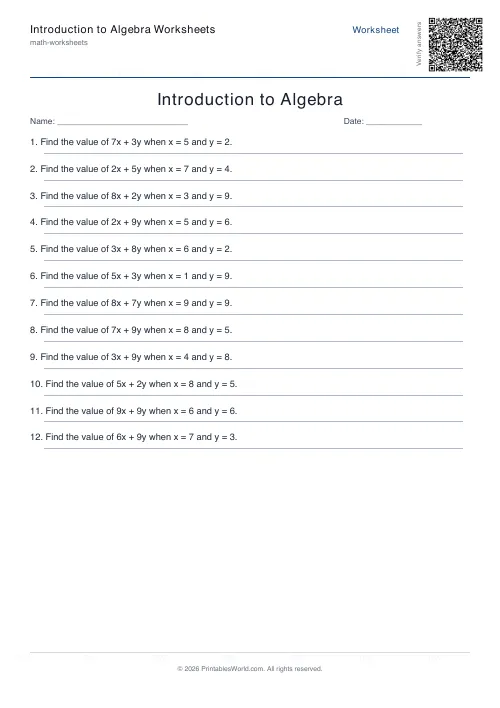
Introduction to Algebra Worksheets
Printable beginner algebra practice. Evaluate, simplify, and substitute.
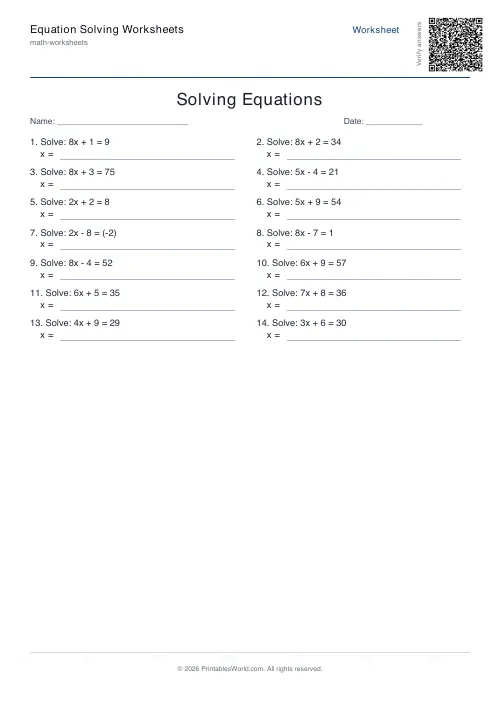
Equation Solving Worksheets
Printable one-step and two-step linear equations to solve.
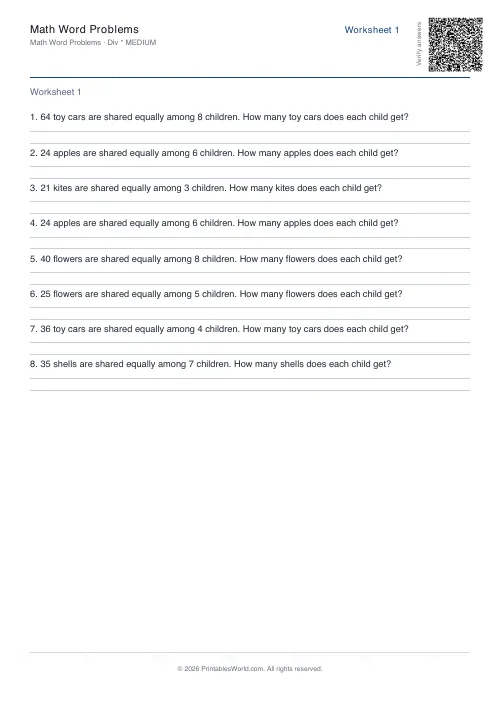
Math Word Problems Generator
Generate printable math word problem worksheets with customisable topics, difficulty, and answer keys.
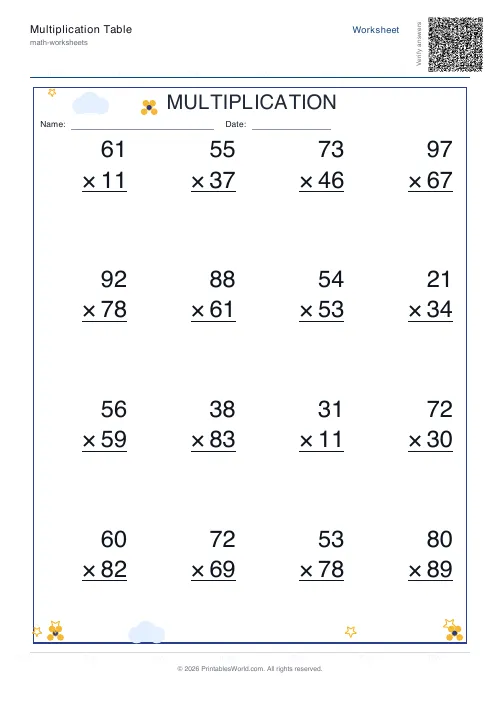
Multiplication Table Generator
Create free printable multiplication tables in table or line-by-line format with custom ranges and themes.
Further reading
Math Worksheets
Ten frames and number bonds: early maths foundations
A ten frame is two rows of five. That arrangement does something a row of counters cannot. It makes quantities visible without counting, which is where number sense starts.
5 min read
Math Worksheets
Addition strategies: number lines, regrouping and more
Column addition is the destination, not the route. Here are the strategies that come before it, why each matters, and how to tell which one a child is actually using.
5 min read
Math Worksheets
How many maths worksheets per day? A parent's guide
The honest answer is less than most parents assume. And the number of questions matters less than whether the session ends well.
5 min read
More like this
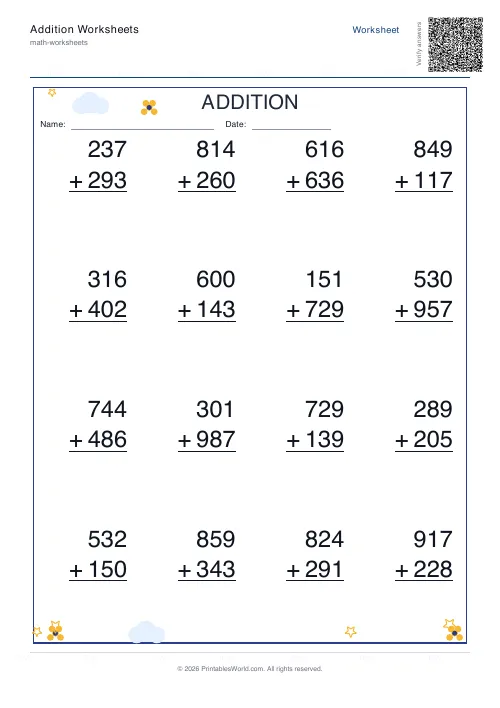 Addition Worksheets Generator
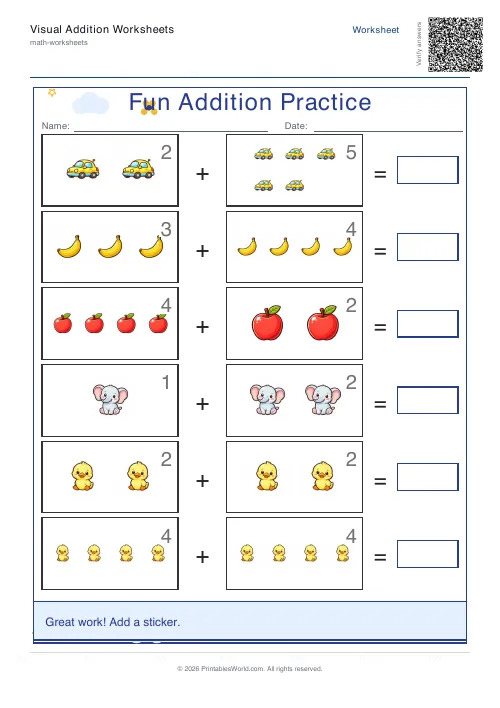 Visual Addition Worksheets Generator
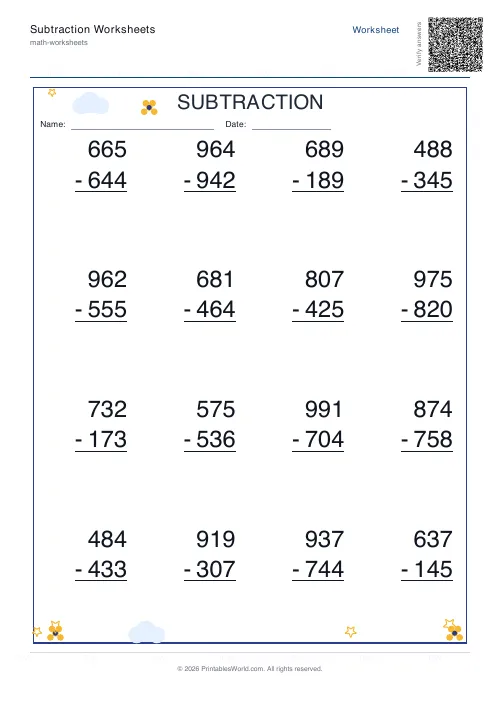 Subtraction Worksheets Generator
- Multiplication Table Generator
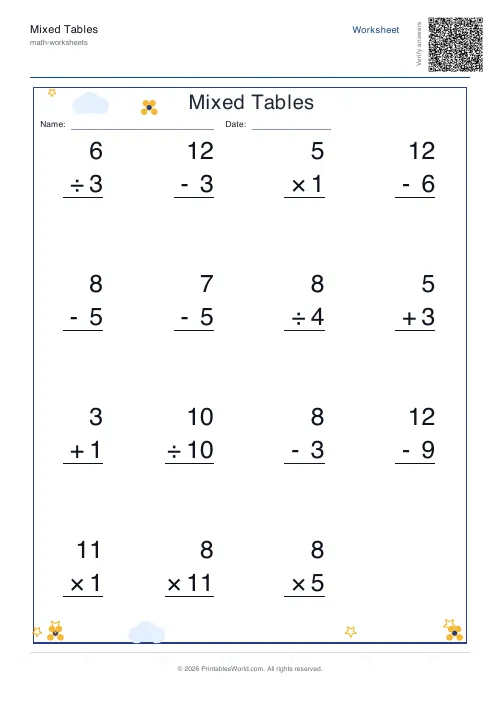 Mixed Tables Generator
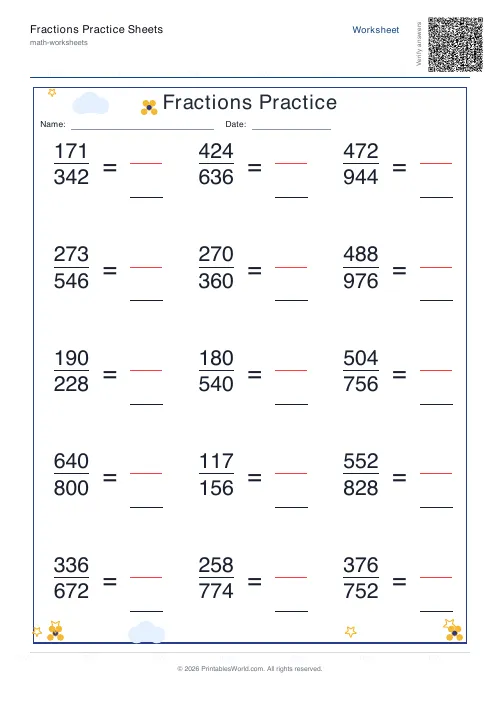 Fractions Practice Sheets Generator
- Math Word Problems Generator
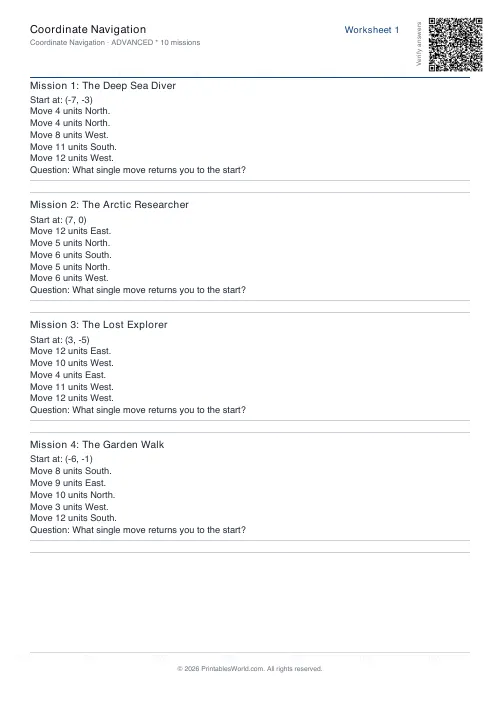 Coordinate Navigation Generator
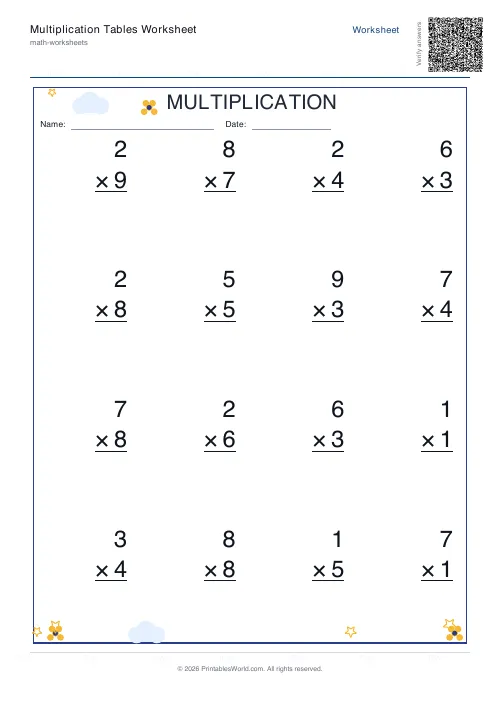 Multiplication Tables Worksheet
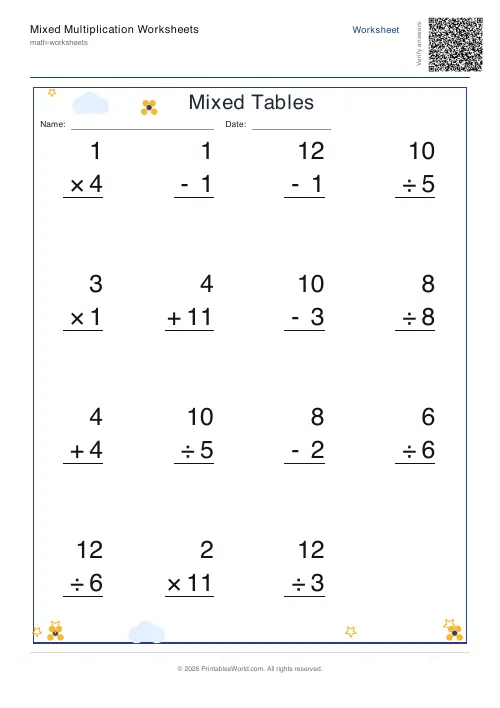 Mixed Multiplication Worksheets
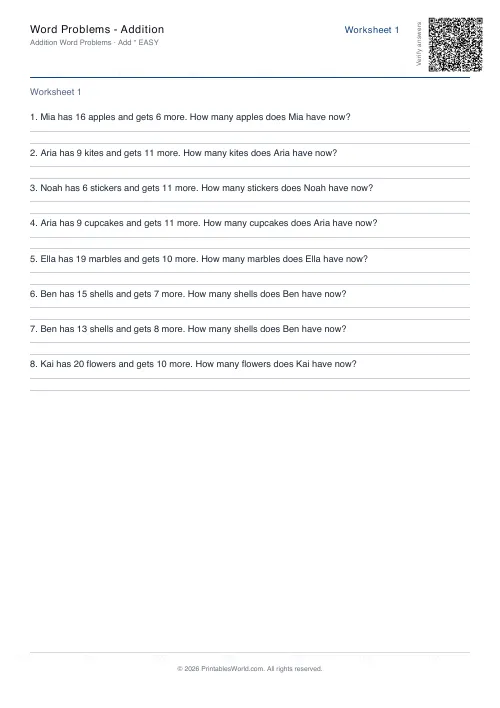 Word Problems: Addition
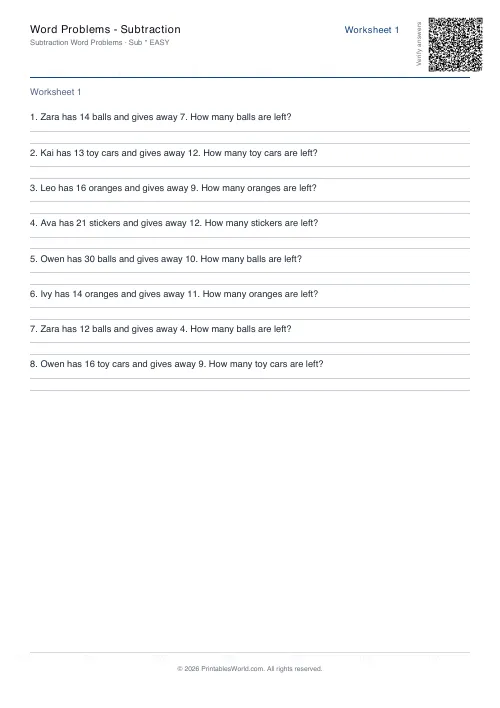 Word Problems: Subtraction
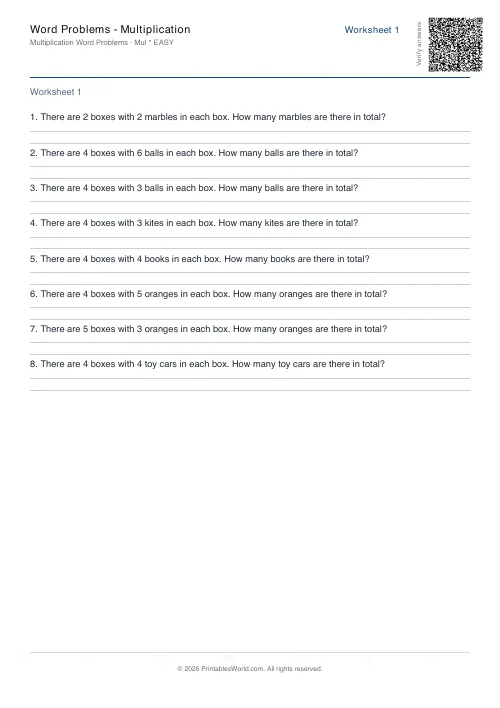 Word Problems: Multiplication
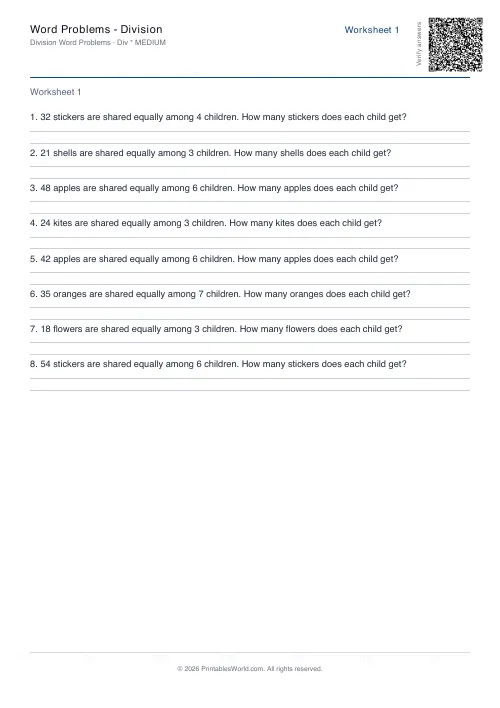 Word Problems: Division