What this tool does
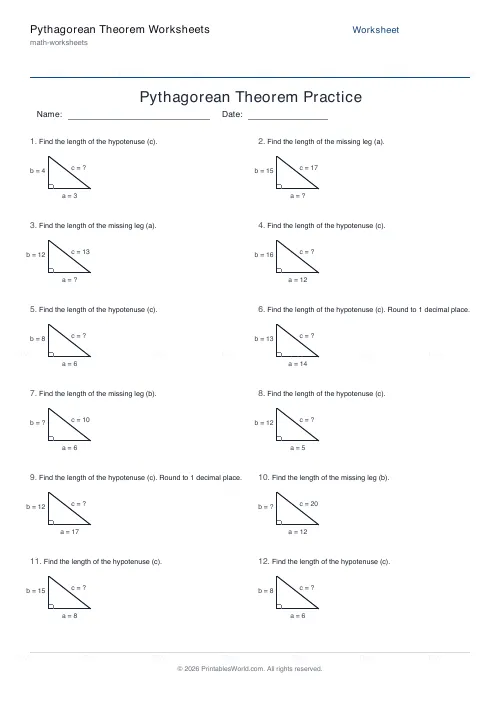
Right-triangle problems with a labelled sketch on every question. Find the hypotenuse, find a missing leg, or mix the two. Answers favour Pythagorean triples; the rest round to one decimal place.
People also used
Geometry: Angles Worksheets
Print identify, measure, and calculate-missing-angle worksheets with diagrams for every problem.
Square & Cube Numbers Generator
Printable squares, cubes, square roots and cube roots worksheets with optional answer keys.
Perimeter and Area Worksheets
Generate perimeter and area worksheets for rectangles, squares, triangles, and compound shapes.
Feedback
Spotted something off with this tool?
Every question comes with a diagram
Each problem prints a small right triangle with the known sides labelled and the unknown marked, which is the difference between a worksheet and a list of numbers.
Twelve problems by default, sides up to 20, and an answer key.
Two directions
Find the hypotenuse is the forward case: square both legs, add, take the root. Straightforward once the formula is known.
Find a leg is the one that catches people. Given c and one leg, you subtract rather than add — a² = c² − b² — and pupils who have only met the forward case will confidently add anyway and produce an answer longer than the hypotenuse. The sketch is what makes that error visible; a number longer than the longest side is obviously wrong once you can see the triangle.
Mixed mode alternates, which is where the checking habit gets built.
Triples, and why they are favoured
Most problems are drawn from Pythagorean triples — 3-4-5, 5-12-13, 8-15-17, and their multiples — so the answers come out whole.
Some find-the-hypotenuse questions use arbitrary legs instead, and those answers round to one decimal place. That mixture is deliberate: a pupil who only ever meets triples starts to believe every triangle has an integer hypotenuse, which is spectacularly untrue and worth breaking early.
Recognising 3-4-5 and its family on sight is worth having anyway. It is the fastest sanity check available on any right-triangle question.
The mistakes to expect
Forgetting the square root at the end, which produces an answer that is the square of the truth. Adding when the missing side is a leg. And identifying the wrong side as the hypotenuse, which is always the one opposite the right angle regardless of how the triangle is drawn or rotated.
That last one is why the diagrams are not all drawn the same way up.
Where it goes next
Distance between two points on a grid is Pythagoras with the legs read off the axes. So is the diagonal of a rectangle, the height of a ladder against a wall, and the shortest route across a field. Trigonometry is the same triangle with angles added.
It is one of the few pieces of school mathematics that people genuinely use afterwards — builders check a corner is square with a 3-4-5 measurement, and have done for several thousand years.
Level
Typically ages thirteen to sixteen. The find-the-leg mode and the non-integer answers push it towards the upper end of that.
Related: squares and roots, which is the fluency this depends on.
FAQs
Quick answers
What is the Pythagorean theorem?
The Pythagorean theorem states that in a right triangle the square of the hypotenuse equals the sum of the squares of the other two sides: a² + b² = c², where c is the hypotenuse (the side opposite the right angle).
What is the difference between the modes?
Find-hypotenuse gives you both legs and asks for the longest side. Find-missing-leg gives the hypotenuse and one leg and asks for the other leg. Mixed combines both so students must first work out which side is unknown.
Are the answers always whole numbers?
Find-leg questions and most find-hypotenuse questions use Pythagorean triples, so the answers are whole numbers. A portion of the find-hypotenuse questions use random legs with an irrational hypotenuse and ask students to round to one decimal place.
Does the maximum side control difficulty?
Yes. A smaller maximum keeps the triangles based on small triples such as 3-4-5 and 6-8-10. A larger maximum brings in bigger triples like 8-15-17, 7-24-25 and their multiples, giving harder arithmetic.
Do the worksheets include diagrams?
Yes. Each problem is drawn as a small right triangle with the right angle marked and the sides labelled a, b and c. The unknown side is marked with a question mark. Diagrams are schematic, not to scale.
Can I reproduce the same worksheet later?
The problems are generated with a seeded random number generator, so an identical set of inputs reproduces the same questions and answers, which keeps the printed sheet and its answer key consistent.
Will the worksheet print correctly on US Letter paper?
Yes. The PDF is designed to fit both A4 and US Letter without cropping or scaling. Just load your paper and print.
Related tools
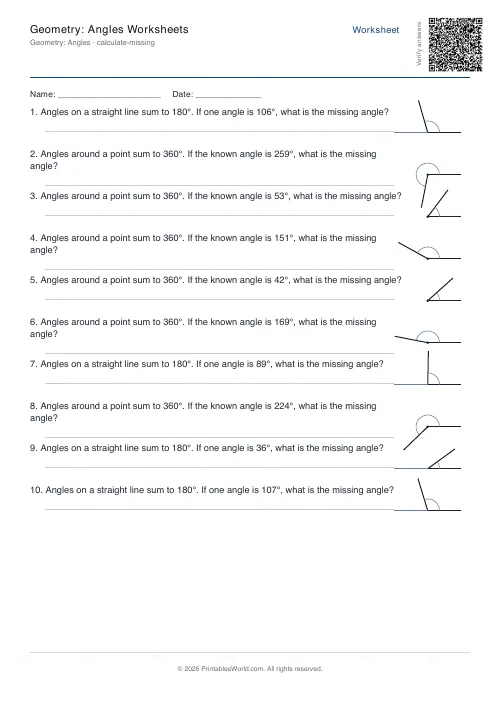
Geometry: Angles Worksheets
Print identify, measure, and calculate-missing-angle worksheets with diagrams for every problem.
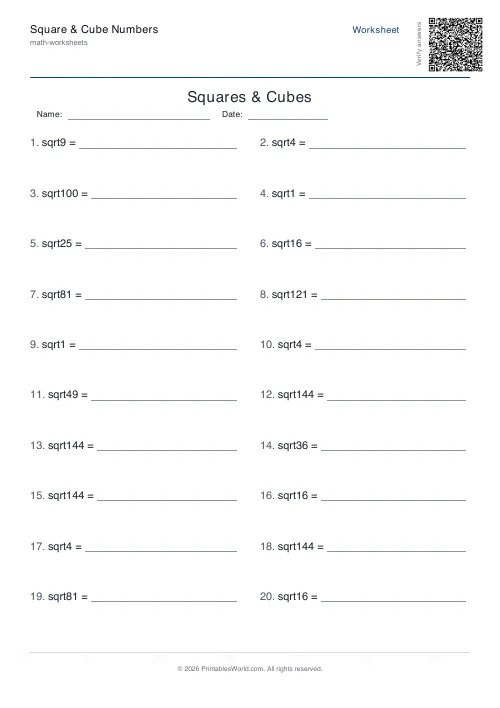
Square & Cube Numbers Generator
Printable squares, cubes, square roots and cube roots worksheets with optional answer keys.
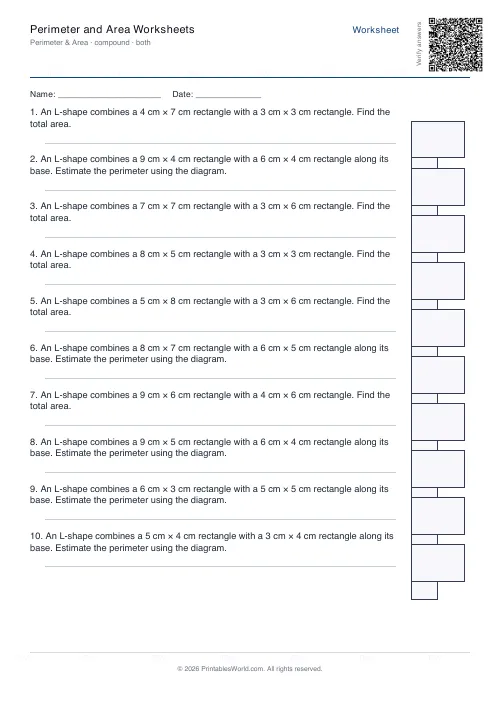
Perimeter and Area Worksheets
Generate perimeter and area worksheets for rectangles, squares, triangles, and compound shapes.
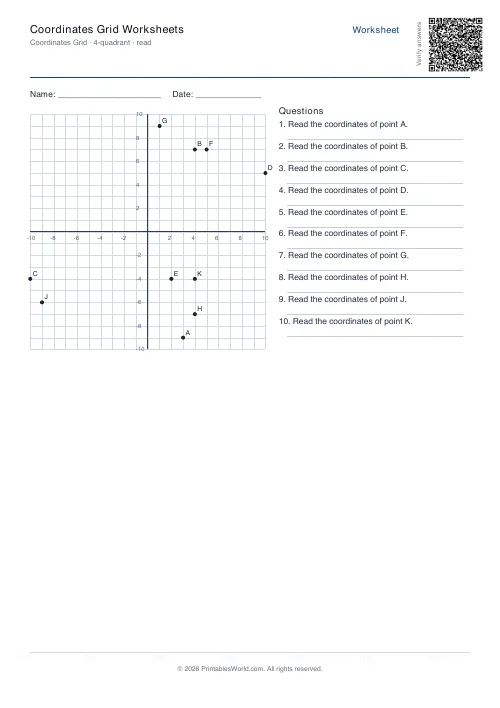
Coordinates Grid Worksheets
Create printable coordinate grid worksheets with 1-quadrant or 4-quadrant layouts.
Further reading
Math Worksheets
Addition strategies: number lines, regrouping and more
Column addition is the destination, not the route. Here are the strategies that come before it, why each matters, and how to tell which one a child is actually using.
5 min read
Math & Numeracy
How to help a child who's stuck on times tables
A simple two week plan to help child with times tables, using short daily practice and free printable multiplication grids you can customise and print.
7 min read
More like this
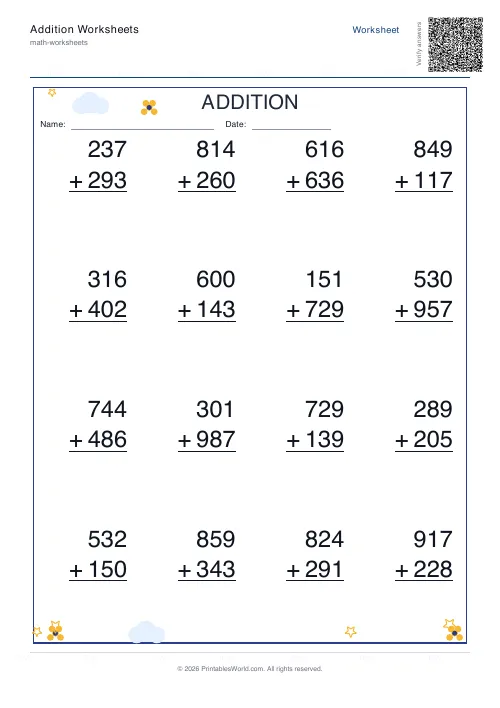 Addition Worksheets Generator
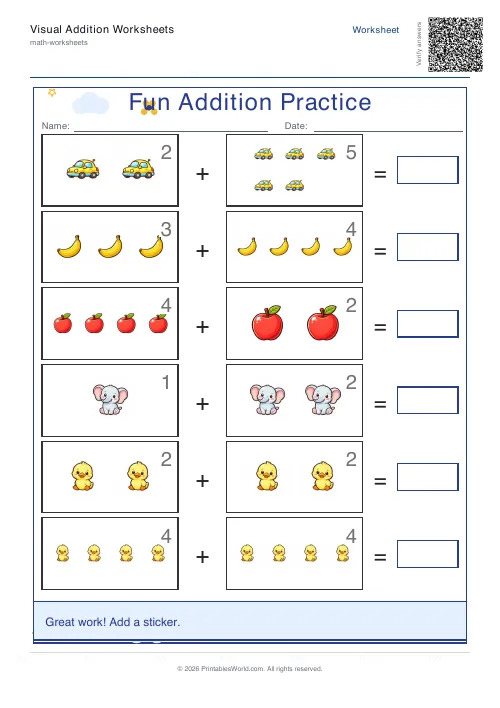 Visual Addition Worksheets Generator
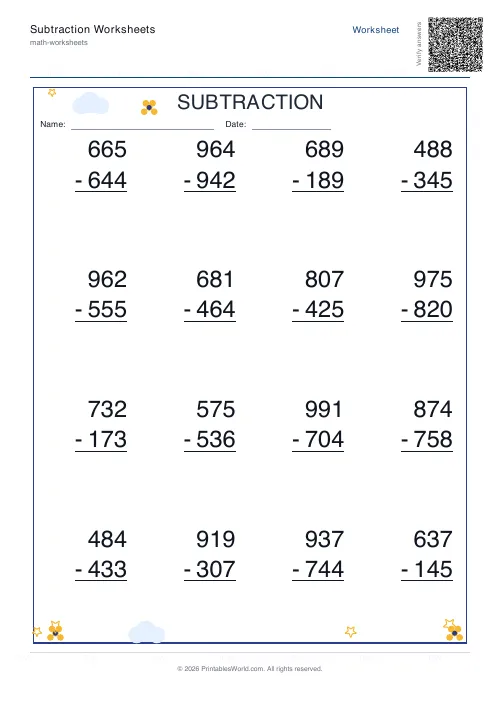 Subtraction Worksheets Generator
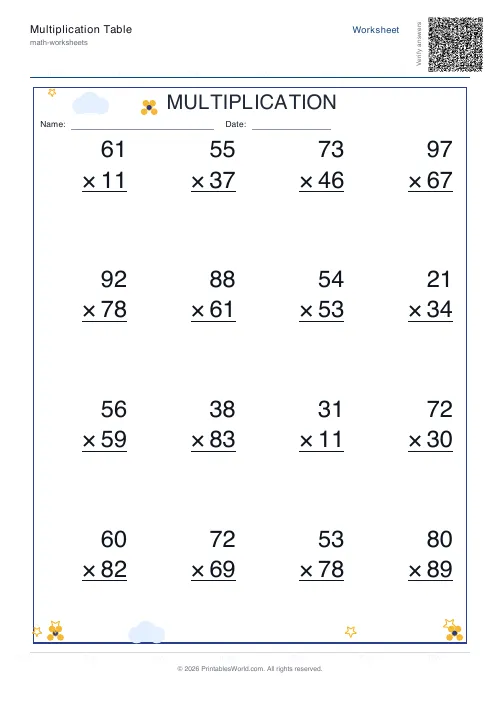 Multiplication Table Generator
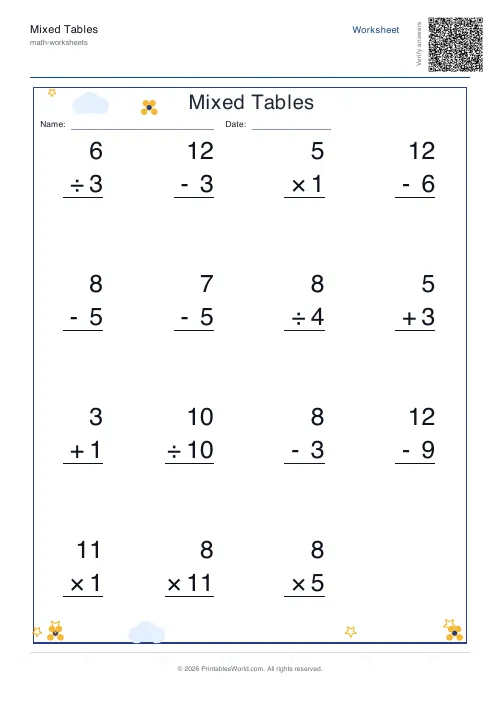 Mixed Tables Generator
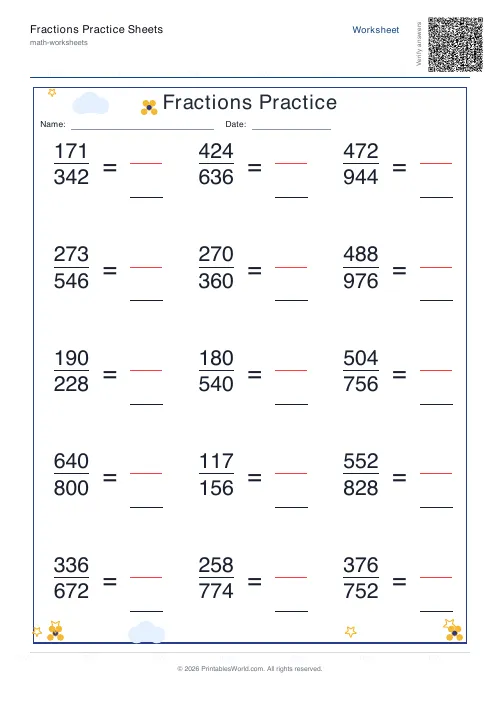 Fractions Practice Sheets Generator
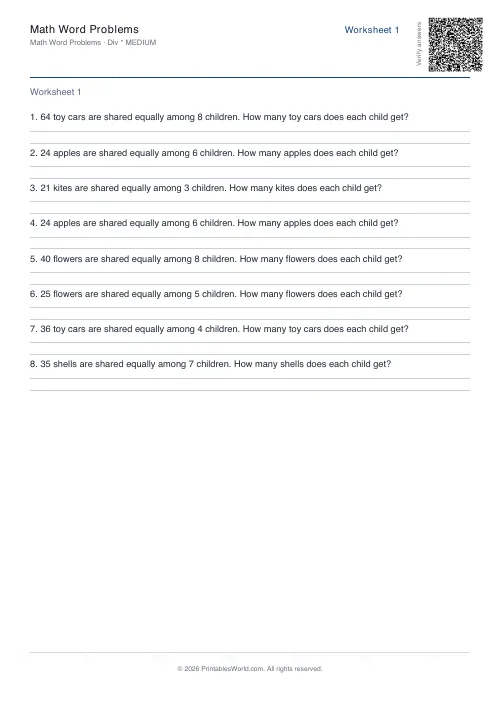 Math Word Problems Generator
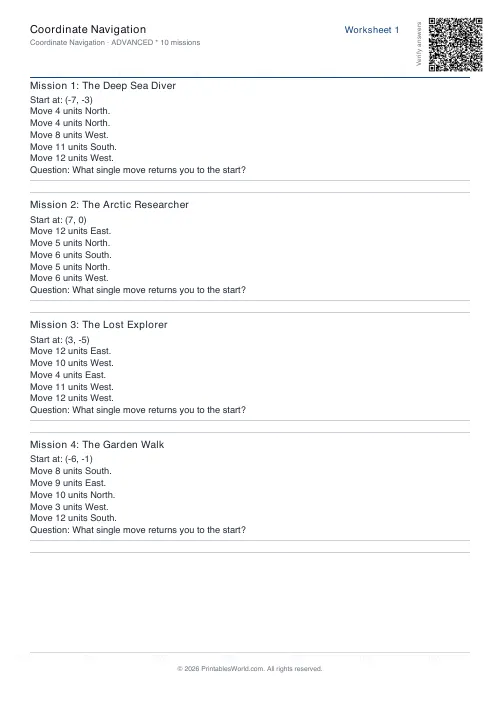 Coordinate Navigation Generator
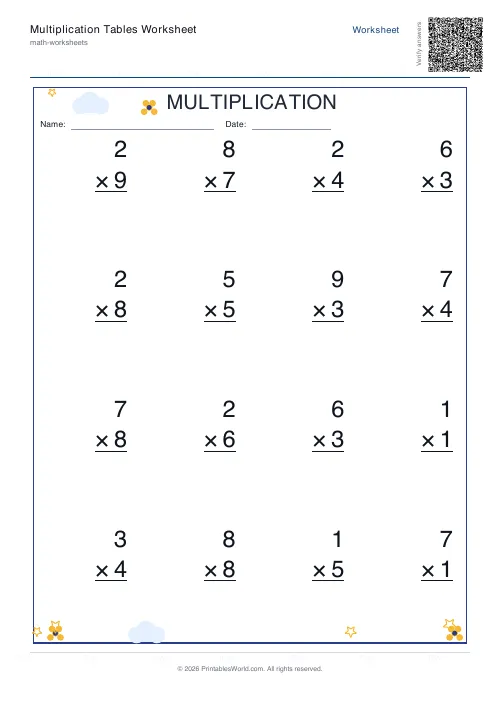 Multiplication Tables Worksheet
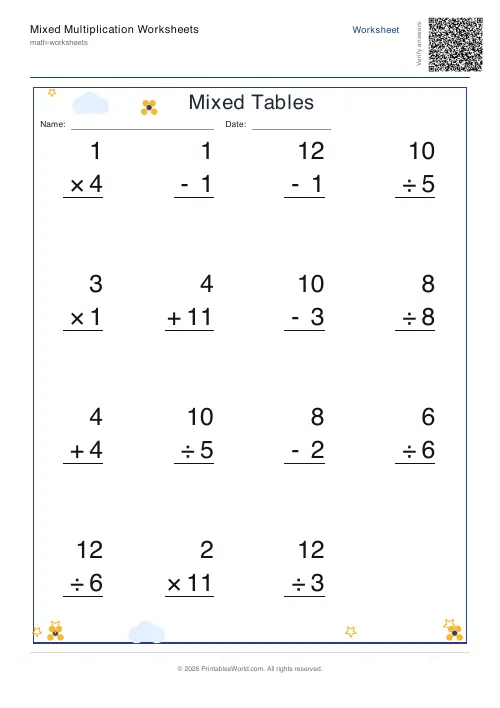 Mixed Multiplication Worksheets
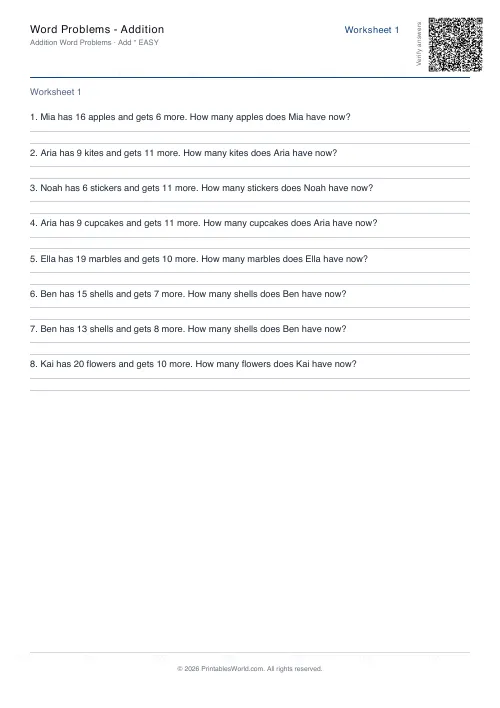 Word Problems: Addition
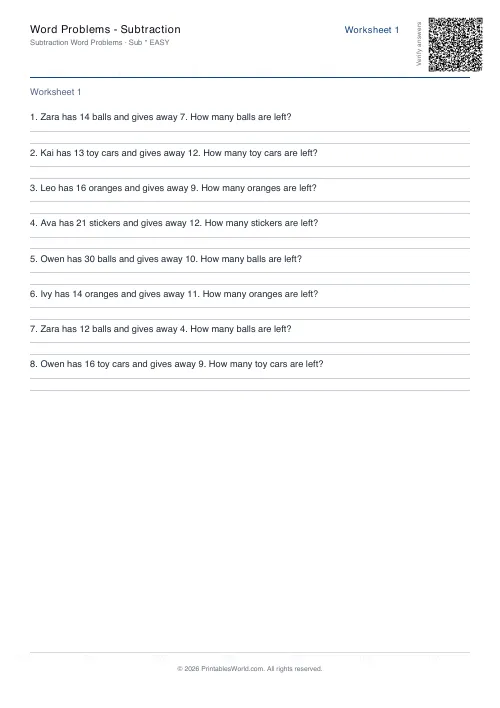 Word Problems: Subtraction
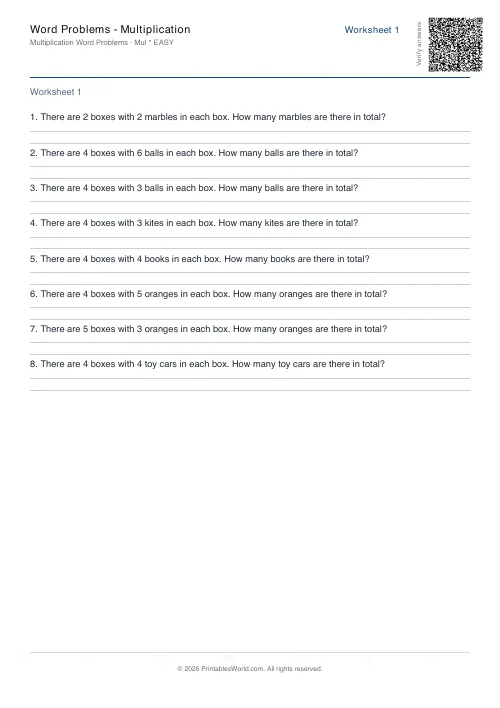 Word Problems: Multiplication
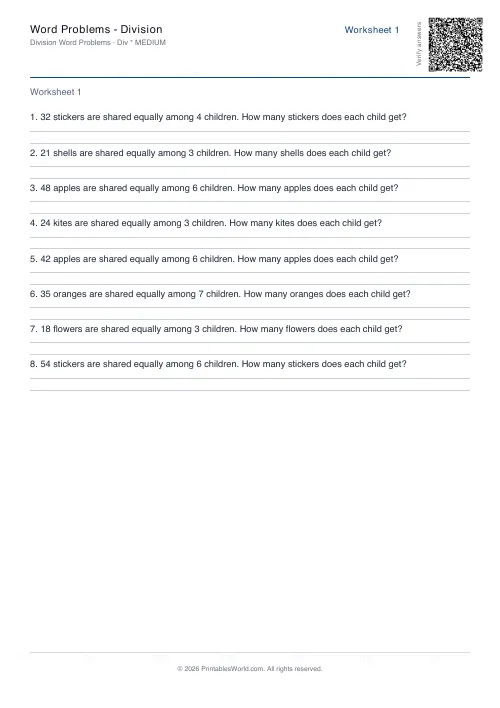 Word Problems: Division